Livestock is a vital corn customer.
IL Corn participates in a variety of livestock programming to try to grow the industry in Illinois.
The Illinois Livestock Development Group is an important avenue for programming. Through this coalition, IL Corn has been able to make a difference helping farmers site or expand their livestock farms in Illinois. IL Corn also funds the U.S. Meat Export Federation and the USA Poultry and Egg Export Council. When international markets for meat grow, U.S. livestock production will grow as well.
Of course, partnerships within our state with the IL Pork and IL Beef Associations are valuable too. We’re able to help them promote pork and beef consumption in various ways.
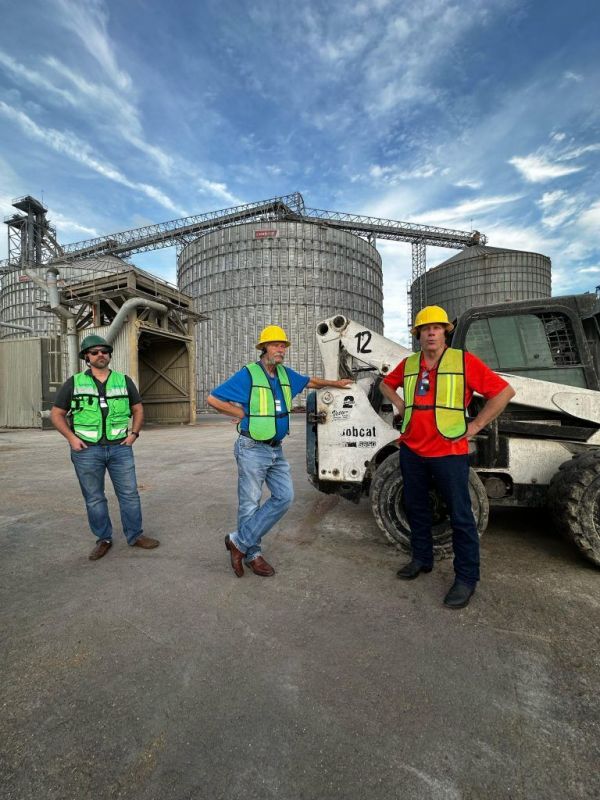
ICMB Efforts in Mexico Magnified by Rail Issues
Eighty-degree December weather is not ideal for grain storage on Steve Fourez’s farm in Fairmont, Illinois. Although hot weather and humidity poses challenges for grain sitting in bins, the IL...
More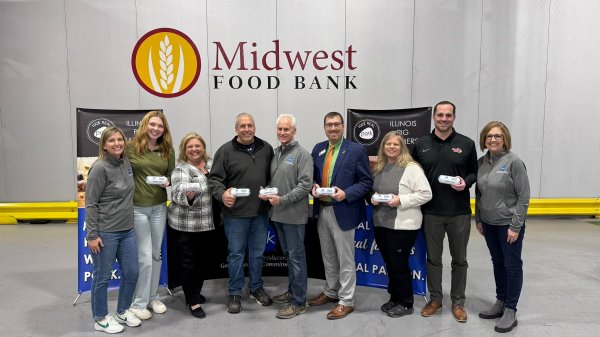
50,000 Pounds of Pork Donated to Regional Foodbanks
As part of "Pork Power: Partnering to Fight Hunger in Illinois" campaign, one of the final ground pork donations of 2023 was made to the Midwest Food Bank. Yesterday, Illinois Pork Producers...
More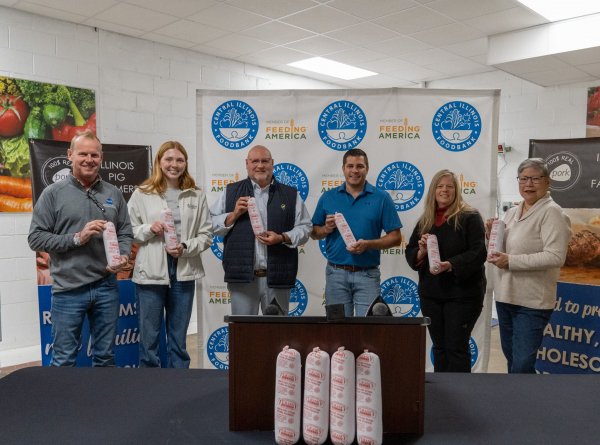
50,000 Pounds of Pork Donated to 9 Regional Foodbanks
As part of “Pork Power: Partnering to Fight Hunger in Illinois” campaign, the Illinois Pork Producers Association (IPPA) has donated 50,000 pounds of ground pork to 9 regional food banks in...
More
Illinois Livestock Development Group Hires New Business Developer
Illinois Livestock Development Group (ILDG) has hired Justin Lewis as the organization’s business developer. In his new role, Lewis will identify and develop opportunities for the retention,...
More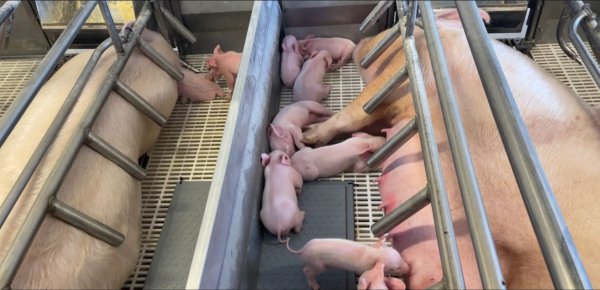
Supreme Court Ruling Impacts Grain and Livestock Industries
This spring, Illinois pork producer Chad Leman received a grim announcement from the Supreme Court on his fiftieth birthday. On May 11, 2023, the Supreme Court upheld California’s Proposition...
More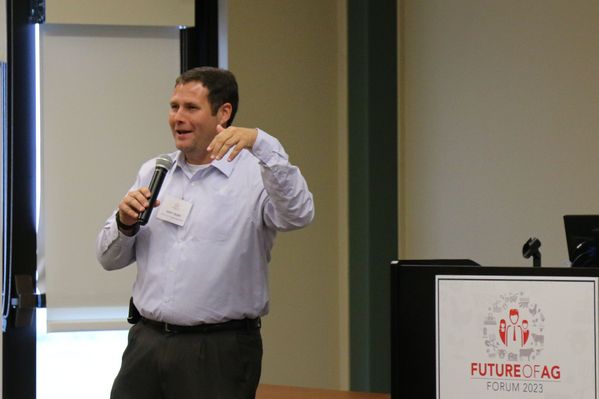
Illinois Farmers Council looks ahead at the future of agriculture
Yesterday, the IL Corn Growers Association teamed up with agricultural organizations throughout the state to discuss emerging markets and legislation impacting the industry. The 2023...
More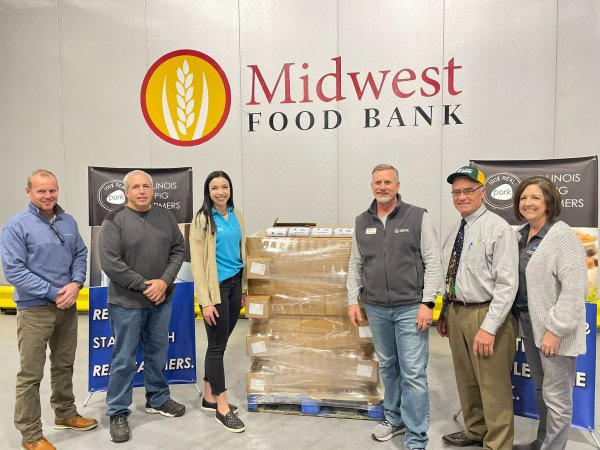
IL Corn Continues to Support Pork Donations in IL
As part of Pork Power: Partnering to Fight Hunger in Illinois campaign, the Illinois Pork Producers Association (IPPA) has donated close to 1 MILLION POUNDS of pork to food banks since 2008. IL...
More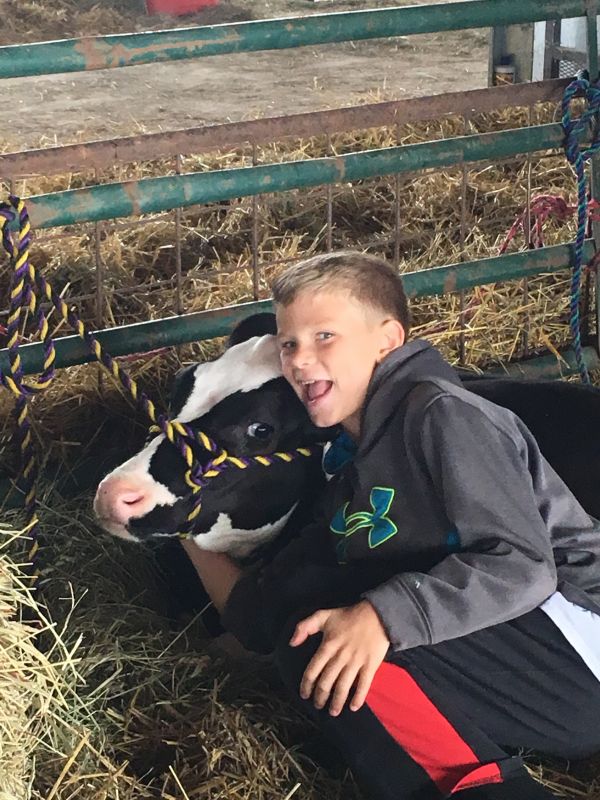
10 Facts You May Not Know About the Dairy Industry
Dairy farmers are some of the hardest working people in our country. Tirelessly dedicating each long day to their cattle and to producing milk for consumers. Now is an even more important time...
More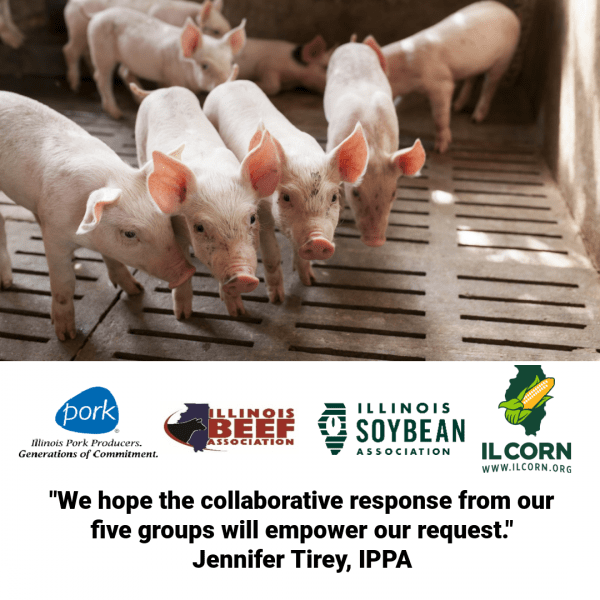
Illinois Farm Groups Request Funding to Safeguard Illinois’ Livestock
Last week, leadership from four Illinois commodity groups and Illinois Farm Bureau worked to increase the Illinois State budget request by $750,000 from the General Assembly’s FY23 budget toward...
More
Illinois Pork Power Food Pantry Co-Op Funding Program
Illinois Pork Power Food Pantry Co-Op Funding Program The Illinois Pork Producers Association (IPPA) is sponsoring a program that will match up to $250 for the purchase of pork products for...
More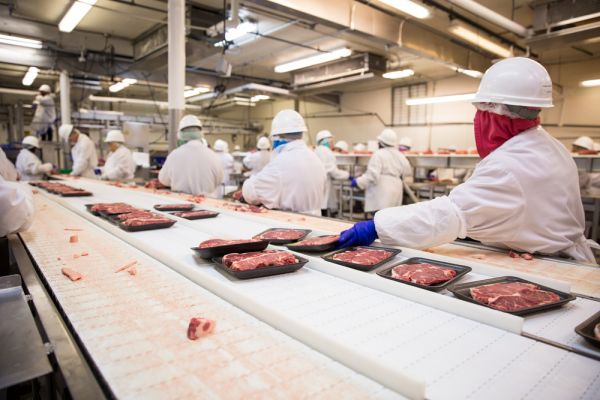
Ag Groups Seek Help from State
Ag Groups Seek Help from State Illinois agriculture asks Governor JB Pritzker to please continue to consider employees of livestock processing plants as essential workers to gain earlier access...
More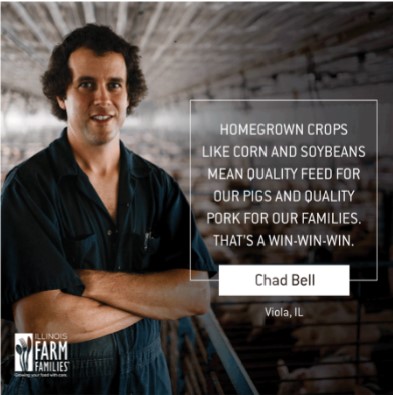
New Docuseries Video: Pig Farming Using the Three R's
New Docuseries Video: Pig Farming Using the Three R's Through the Illinois Farm Families (IFF) coalition, a new docuseries video has been released in the “Innovation Grows Here” series,...
More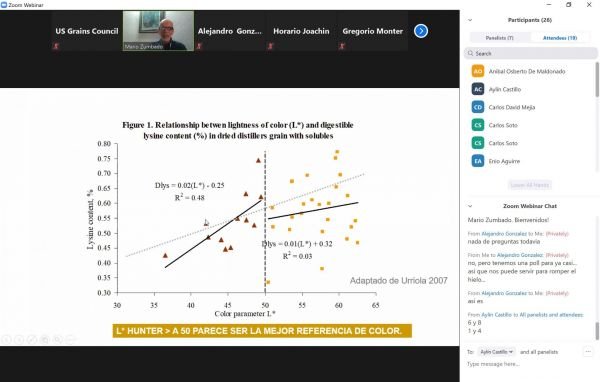
Virtual Opportunities Increase Interest in International DDGS Purchases
Virtual Opportunities Increase Interest in International DDGS Purchases Beef and dairy cattle, swine and poultry can all benefit from U.S. distiller’s dried grains with solubles (DDGS) in...
More
Global Demand for Meat Increases Corn Demand
Global Demand for Meat Increases Corn Demand Pork exports are expected to rival poultry exports by 2021, providing Illinois corn farmers with an opportunity for increased demand. In fact, U.S....
More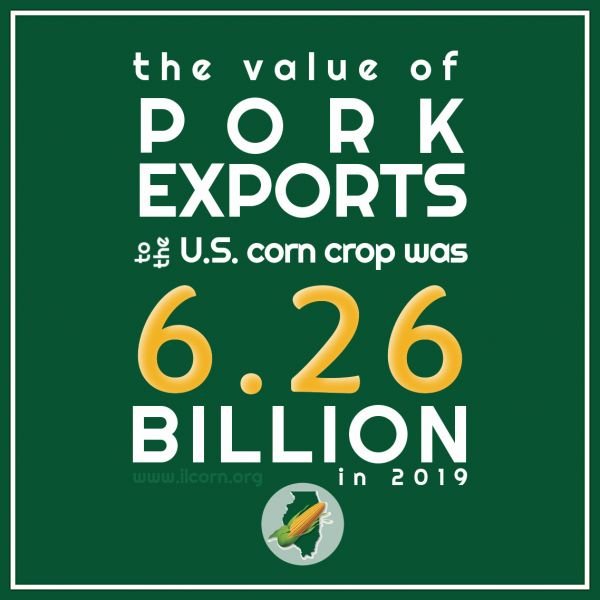
Study Quantifies Value of Red Meat Exports to U.S. Corn
Study Quantifies Value of Red Meat Exports to U.S. Corn Since 2015, pork and beef exports have been the fastest-growing category of corn use, delivering critical returns for corn farmers. The...
More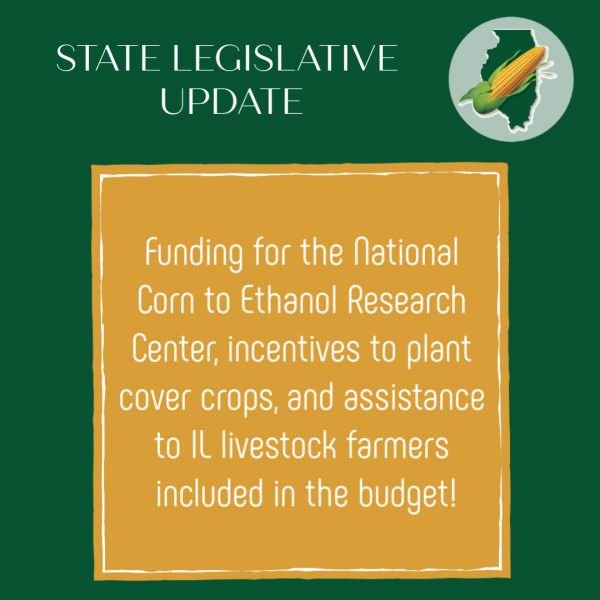
NCERC, COVER CROPS, AND LIVESTOCK: IL LEGISLATIVE UPDATE
As of May 24, around 1 am, the state of Illinois now has a budget that – although reported as creatively balanced – provides some wins for Illinois agriculture. “Illinois agriculture showed...
More
Pork Power Feeds the Hungry, Prevents Food Waste
Together, we can prevent excess hogs from going to waste due to supply chain disruptions caused by COVID-19. Together, we can direct that protein to needy families all over Illinois. IL Corn...
More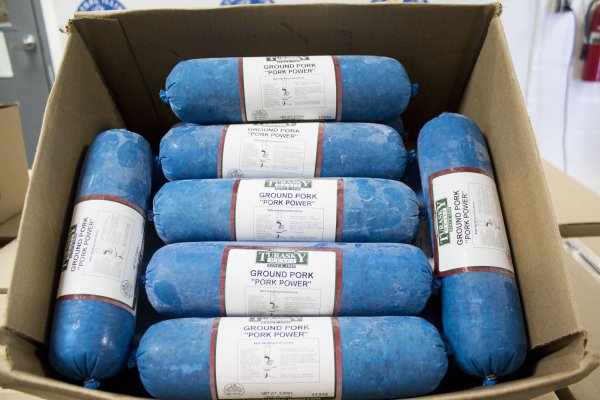
IL PORK AND IL CORN DONATED MORE THAN 100,000 POUNDS OF PORK
Illinois Pork Producers Association (IPPA) and the Illinois Corn Marketing Board (ICMB) donated 100,263 pounds of ground pork to foodbanks throughout the state in 2019 on behalf of the Pork Power...
More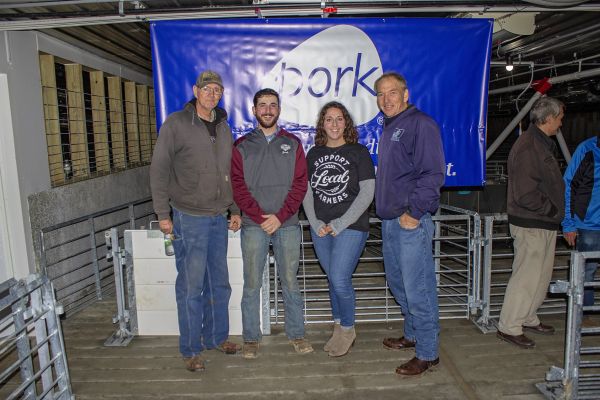
CLARK CO FARM FAMILY HOSTS COMMUNITY TO NEW BARN
Congratulations to Jacob Miller and his sister Drucilla Miller Shotts on the opening of their new 3,800 head pig barn opening in Clark Co this year! Last night, Don Guinnip, Illinois Corn...
More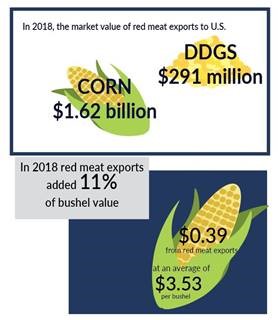
BEEF AND PORK EXPORTS ADDED 39 CENTS TO PRICE OF CORN IN 2018
A new study by World Perspectives, Inc, estimates that beef and pork exports added 39 cents per bushel to the price of corn and 85 cents per bushel to the price of soybeans in 2018. Red meat...
More