Global Protein Demand, Local Corn Impact: Shelby Watson Shares Insights

Tara Desmond
July 14, 2025

How Poultry Exports Drive Corn Demand: A Conversation with Shelby Watson

We recently caught up with Shelby Watson following the announcement of her promotion to Director, The Americas & Allied Industry Programs at USA Poultry and Egg Export Council (USAPEEC). In her expanded role, Shelby is taking on new responsibilities across Mexico, Central and South America, and the Caribbean while continuing to lead USAPEEC’s work with key commodity partners like IL Corn. We asked Shelby about the connection between poultry exports and corn demand, and what she’s watching in global trade. Check out our Q&A to learn more about how Shelby’s work helps build markets and value for U.S. poultry and Illinois corn farmers alike.

Woman with dark hair smiling, wearing a sleeveless dress with a green background.

Q: For those who may not be familiar, can you explain what USAPEEC does and how your work impacts global markets for U.S. poultry and eggs?

A: The USA Poultry & Egg Export Council (USAPEEC) is a non-profit trade association whose members account for more than 95% of all U.S. poultry exports. We work to increase U.S. poultry and egg exports by protecting markets, opening markets, developing markets and serving as the industry’s voice on trade and policy issues. At the heart we are a marketing organization, but over the years we have evolved into a well-rounded organization heavily involved in the day-to-day trade issues that our U.S. poultry companies and traders face.
 

Q: Corn farmers in Illinois might not immediately connect poultry exports with corn demand. Can you walk us through how these two are linked?

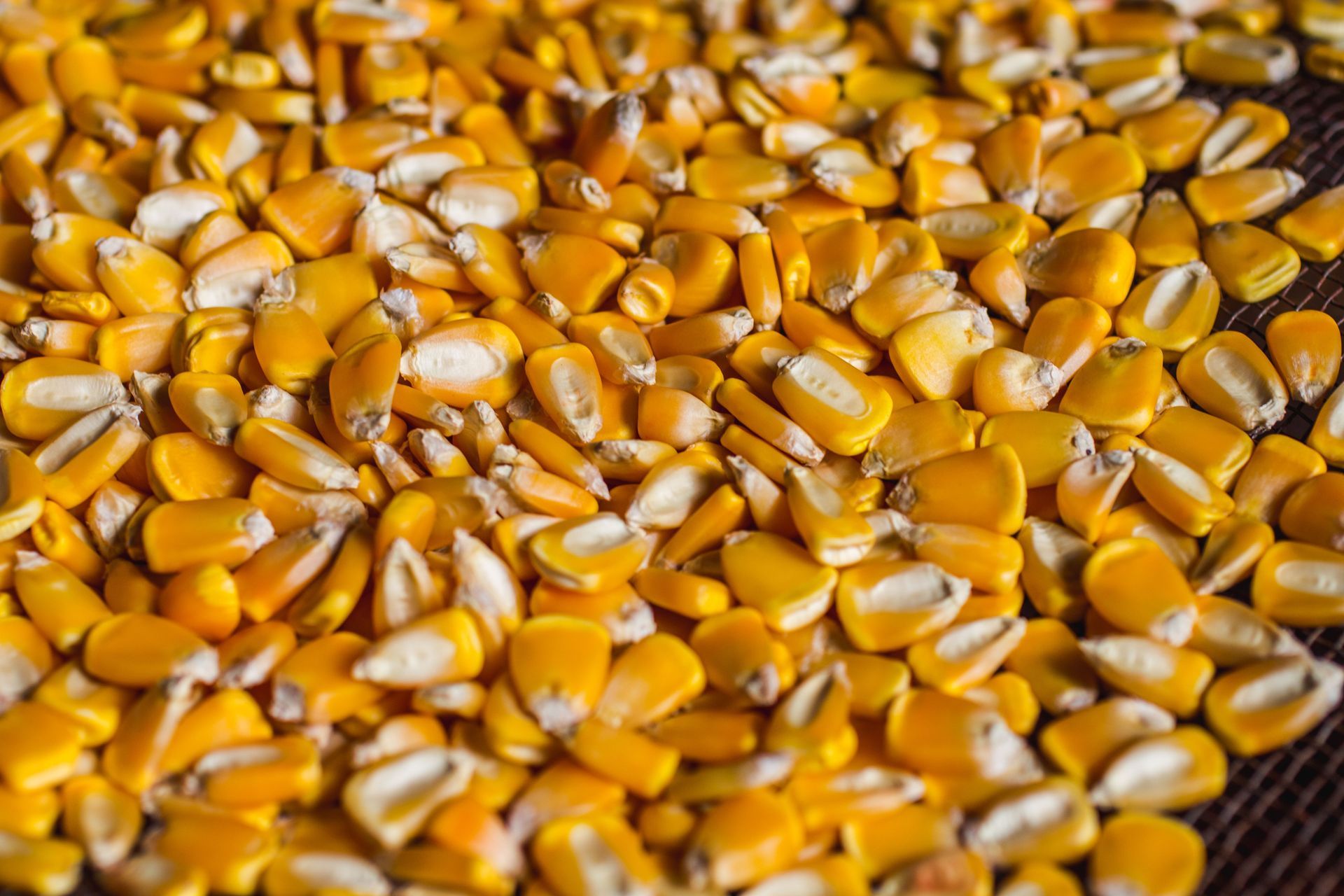
A: Illinois corn farmers’ profit potential stands to grow as the demand for U.S. poultry and egg exports increases. Growth of U.S. poultry exports is particularly important as the poultry industry is the largest user of corn meal among livestock groups, accounting for 36 percent of all corn meal produced in the U.S. The U.S. poultry industry exported 3.6 million metric tons (MMT) of poultry and egg products which is equivalent to 254 million corn bushels worth over $5.84 billion in 2024. By comparison, U.S. pork and beef export quantity in 2024 was 3.0 MMT and 1.2 MMT, respectively.


Q: As global trade dynamics evolve, what are some current opportunities or challenges you're watching when it comes to poultry exports?

A: There are both significant challenges and exciting opportunities shaping poultry exports today. High Path Avian Influenza (HPAI) remains a constant hurdle, as outbreaks can trigger immediate trade restrictions and disrupt our carefully built supply chains; however, USAPEEC has worked diligently to facilitate regionalization agreements and have staff working daily to make sure those agreements are observed and that restrictions are lifted quickly to minimize impact. These efforts are in great thanks to IL Corn Marketing Board funding that allow us to maintain our Trade Policy Taskforce whose focus is ensuring smooth consistent trade. Despite these disruptions and broader trade complexities, the global appetite for protein is a huge win for us. We're witnessing a growing worldwide focus on protein consumption in consumers' diets, and since poultry is often the most affordable and accessible animal protein, this sustained demand offers a strong foundation for continued growth and new market development, even in a volatile trade environment.


Q: Looking ahead, how do you hope USAPEEC continues to grow its impact and how might that continued growth benefit U.S. / Illinois corn farmers?

A: Moving forward, I hope USAPEEC continues to grow its impact by strategically building demand for U.S. poultry in key international markets. Also, our ongoing efforts to gain more market access and our work towards removing trade barriers in important markets will be crucial. This growth directly benefits U.S. and, specifically, Illinois corn farmers because increased exports of U.S. poultry inherently lead to a greater consumption of corn meal.


Shelby’s leadership at USAPEEC represents a vital link between global poultry markets and the economic future of Illinois corn farmers. As she continues to expand opportunities for U.S. poultry exports, her work directly supports corn demand and builds long-term value for agriculture. We’re excited to see what’s ahead and proud to work alongside partners like Shelby and the USAPEEC team.

cover crops in an Illinois field
July 16, 2026
2026 Cover Crop Coupon is here. New seed suppliers and application discounts give Illinois farmers more options to save on conservation practices.
Todd Jansen and Laura Gentry
By Tara Desmond July 16, 2026
Ag lawyer Todd Jansen explains Ag Data Transparent, a nonprofit helping farmers understand who owns and controls their farm data before signing contracts.
U.S. Capitol building at sunrise, with the dome centered against a pale sky.
By Lyndi Allen July 16, 2026
Farmer leaders of the IL Corn Growers Association advocated for their peers on Capitol Hill in Washington, DC. The National Corn Growers Association (NCGA) also held its annual Corn Congress
Jim Isermann on his farm
By Tara Desmond & Jim Isermann July 14, 2026
Thinking about planting cover crops ahead of corn? Soil Health Specialist Jim Isermann shares practical tips on species selection, timing and management for success.
corninillinois
By Tara Desmond July 9, 2026
Top read stories in June
By Tara Desmond July 9, 2026
When Shane Gray sat down with Monica Ognio for this episode of IL Corn TV , they quickly discovered they had more in common than corn and onions. Monica farms with her family in Lima, Peru, where they've grown onions for export for more than 40 years. Their operation also raises sweet potatoes, pecans, pomegranates, strawberries and grapes for pisco on land transformed from desert through reservoirs, wells and drip irrigation. "You can have on one side the whole desert, and then you turn to the other side," she says. A Shared Passion for Teaching and Farming Like Shane, Monica has balanced farming with a career in education, teaching at an international school. Their shared experiences led to a conversation about women in agriculture, global markets and what it takes to produce a high-quality crop. Monica joined the Global Farmer Network after a chance conversation during a farm visit and now connects with farmers worldwide to share ideas on food security, weather challenges and everyday farming solutions. "Having a firsthand connection with somebody... that's a privilege," she says. Farming Challenges Know No Borders With 2026 recognized as the International Year of the Woman Farmer, Monica reflected on becoming a second-generation farmer and encouraged others to build strong teams and rely on trusted experts. "It doesn't matter your age, it doesn't matter the gender," she says. "If you really look at agriculture as an opportunity, there are lots of things that you can do." Many of the challenges she faces mirror those in Illinois, including unpredictable weather, rising input costs, pest pressure and meeting strict export standards where even a small blemish can keep an onion out of the international market. Watch or listen to the full conversation on IL Corn TV to hear more about farming Peru's desert coastline, exporting to a changing global market and the lessons Monica has learned along the way.
Show More