
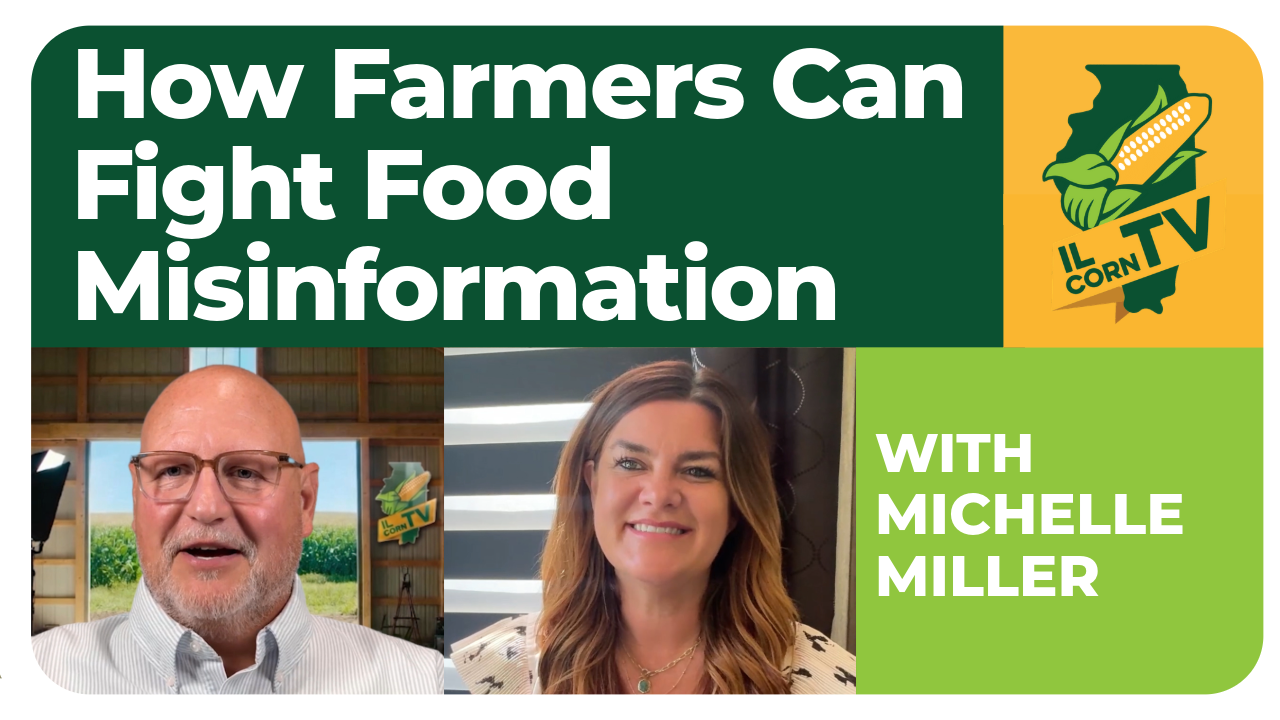
Farm Babe shares how she got Burger King to drop an anti-cattle ad and why farmers' voices matter.
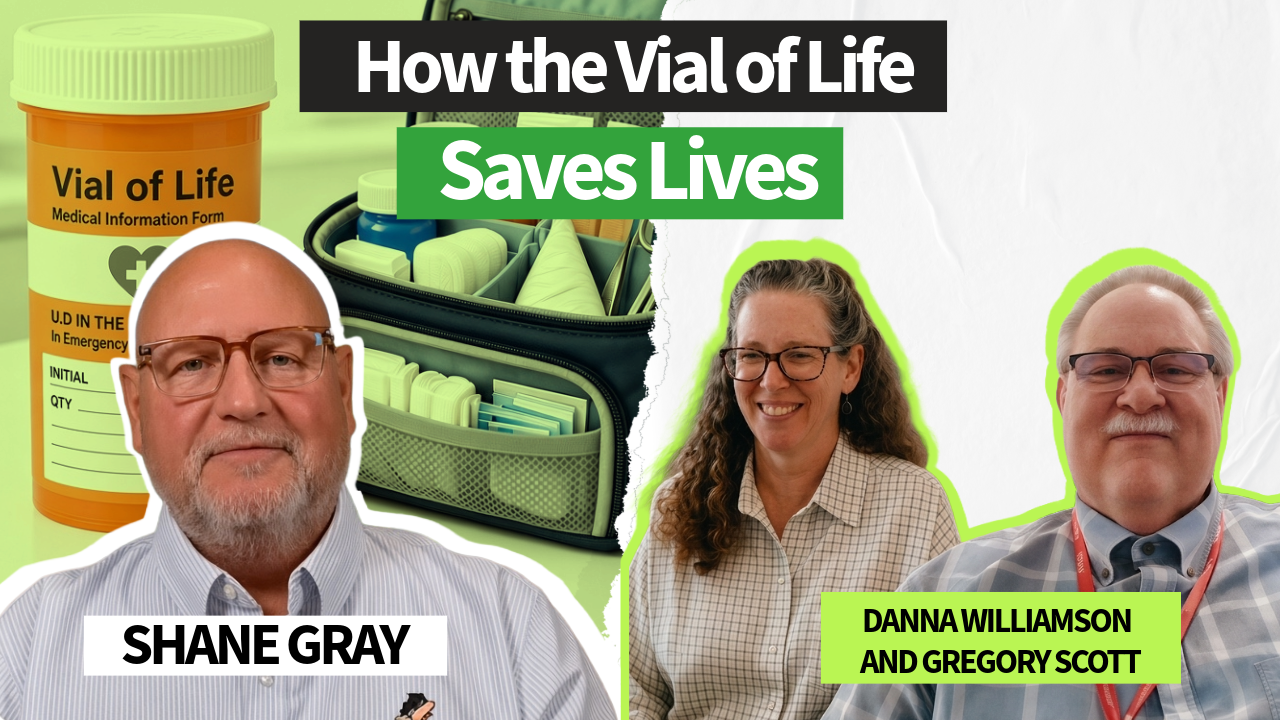
Carle Health nurses explain the free Vial of Life, a fridge-stored medical info kit that helps first responders act fast in a farm or home emergency.
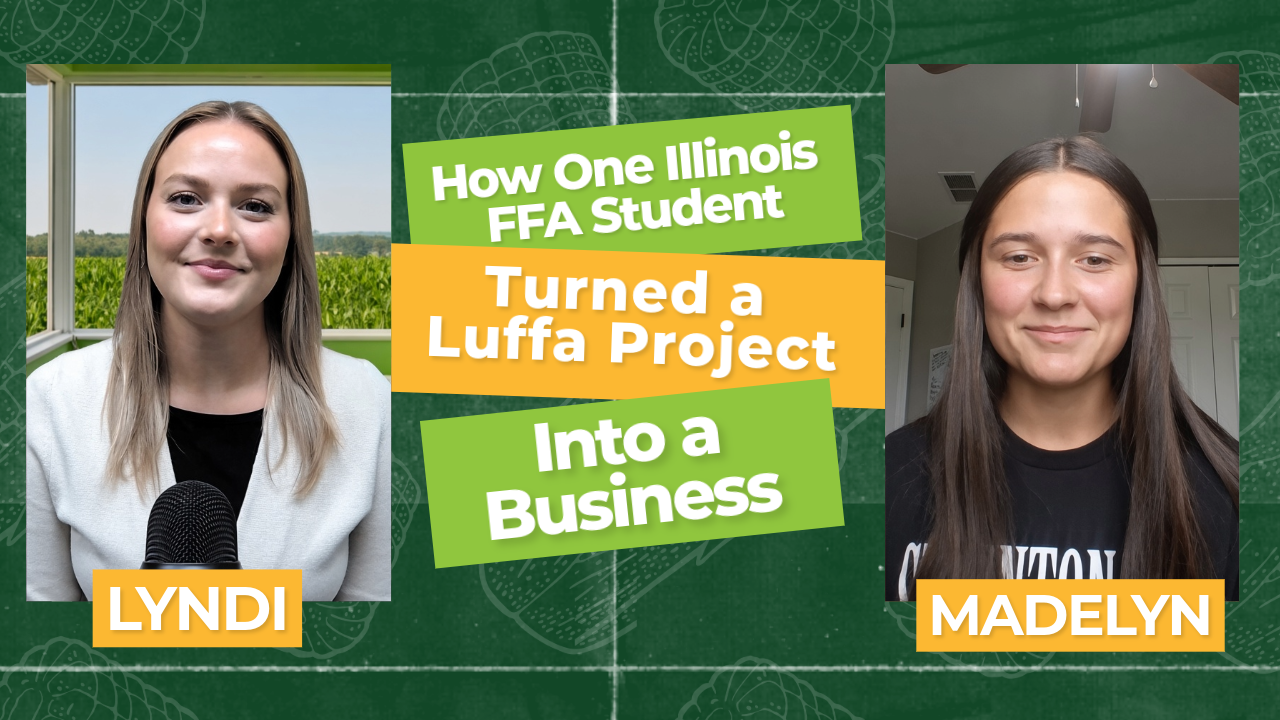
Staunton FFA member Madelyn Davin turned luffa gourds into a business and shares her take on solar panels and farmland.
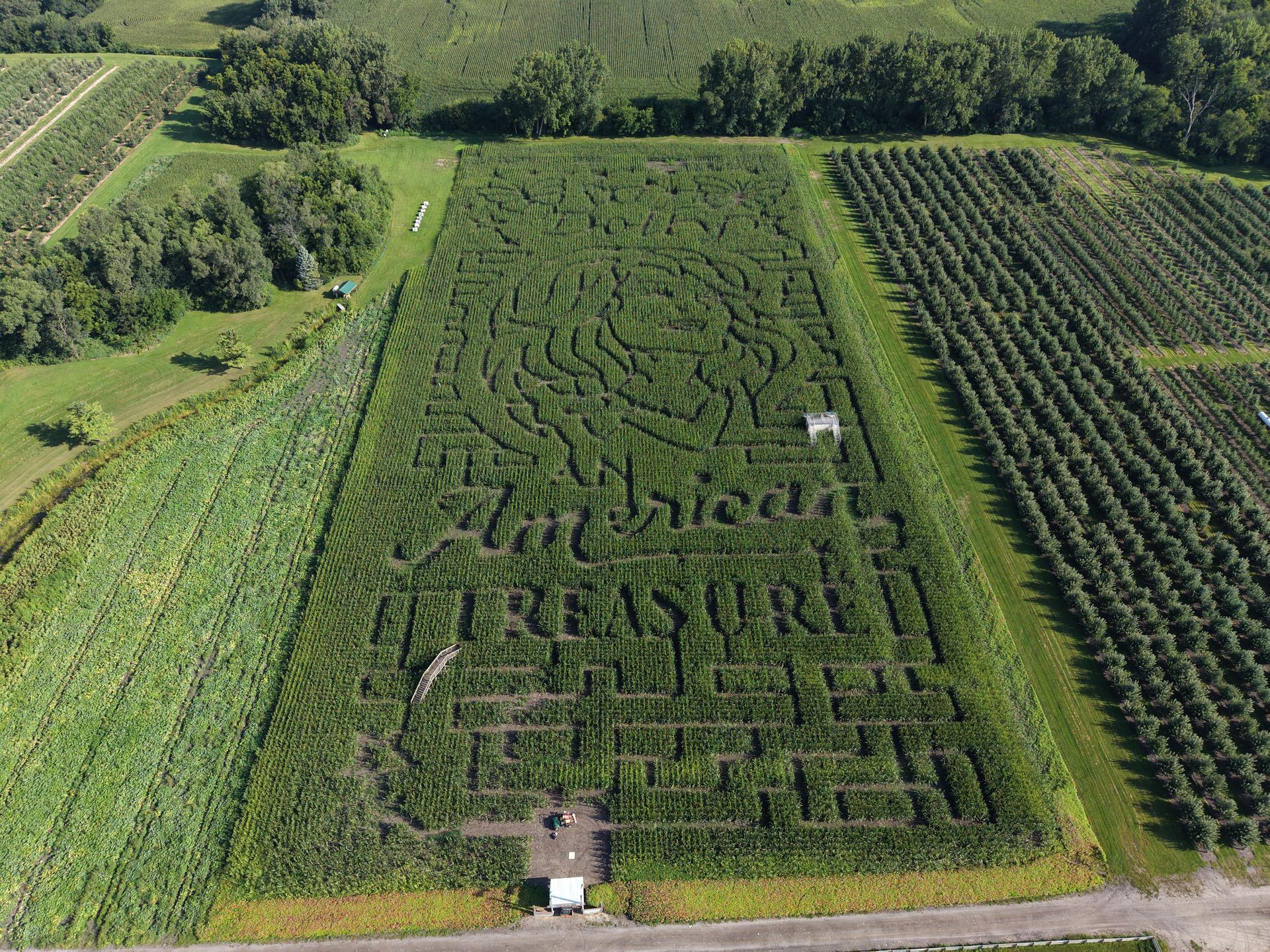
A Woodstock, IL farm's Dolly Parton corn maze is one of 18 nationwide honoring the icon and benefiting her Imagination Library literacy program.

Meet Pervis Ellis: 104-Degree Harvest, No-Till, and White Corn for Mexico
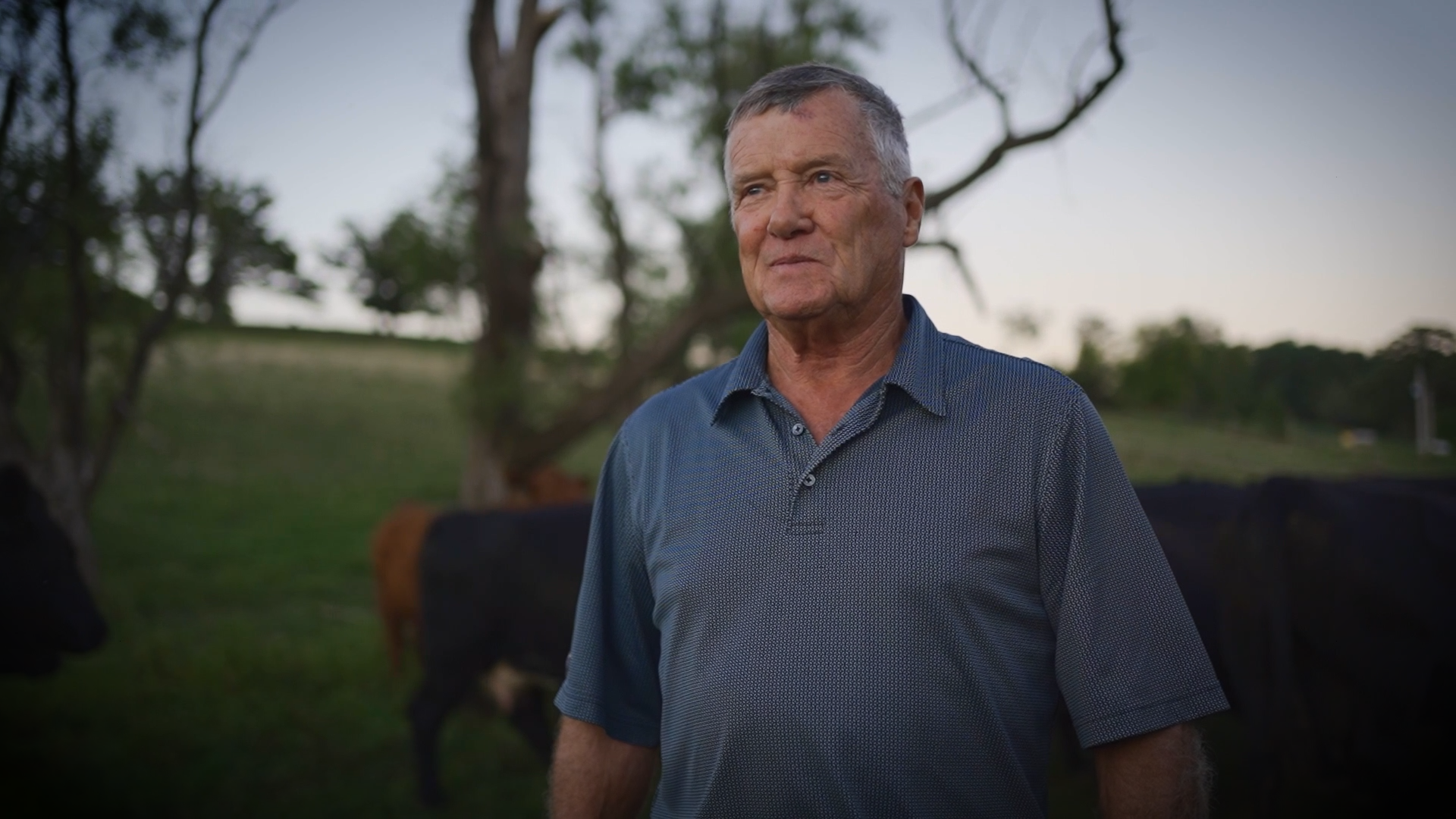
Livestock farmer Lou Lamoreux talks about his farming operation.
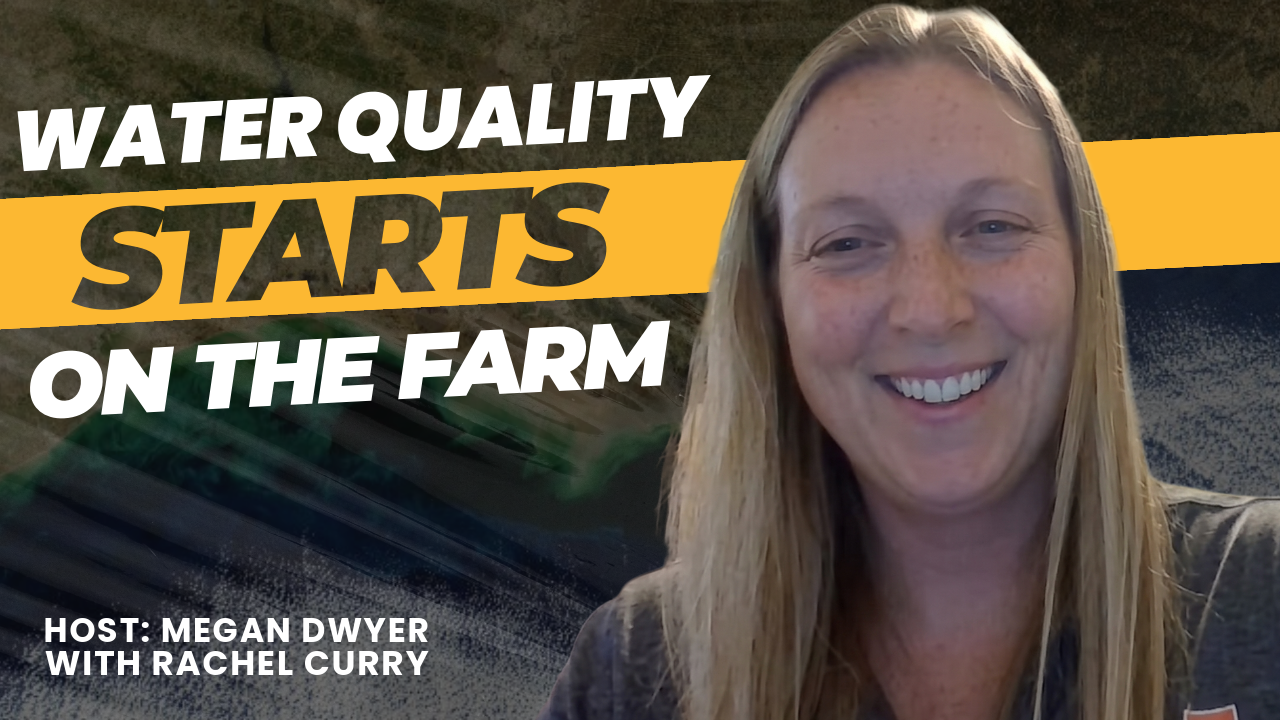
Behind the Numbers: What's Really Driving Nutrient Loss in Illinois
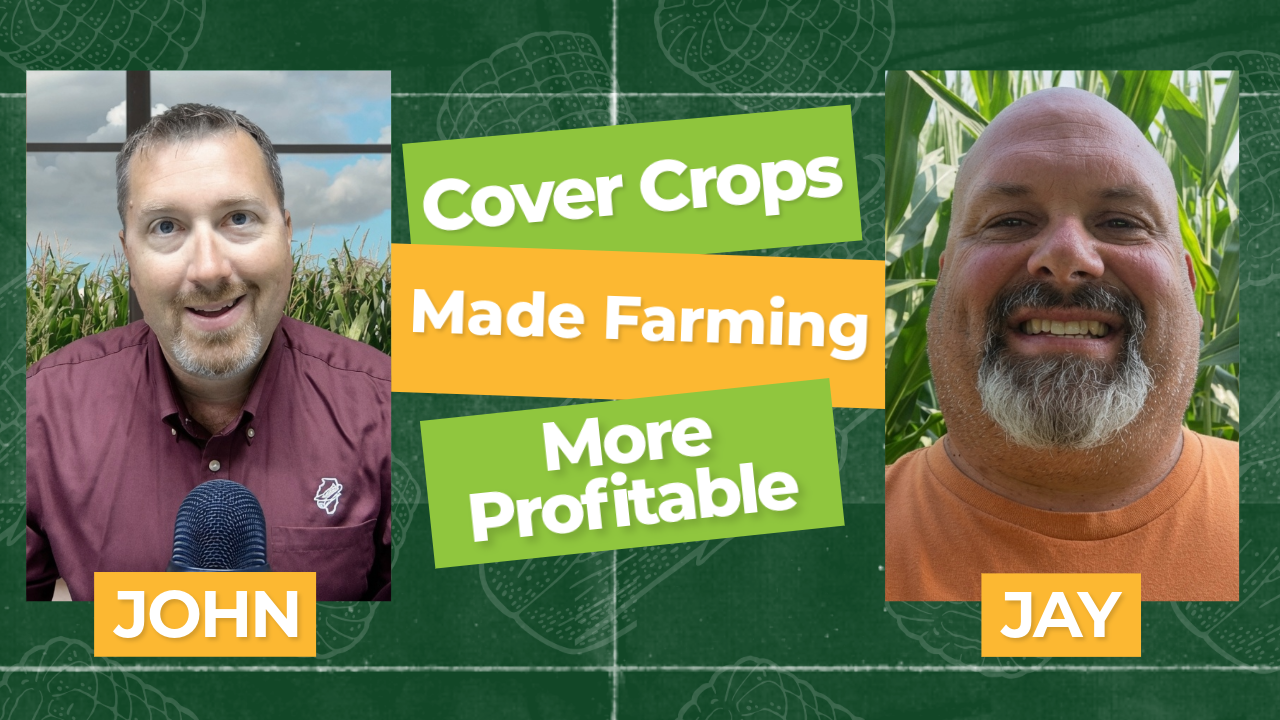
Illinois farmer Jay Whalen shares his journey to cover crops, soil health and conservation and how the practices are improving his farm’s ROI.
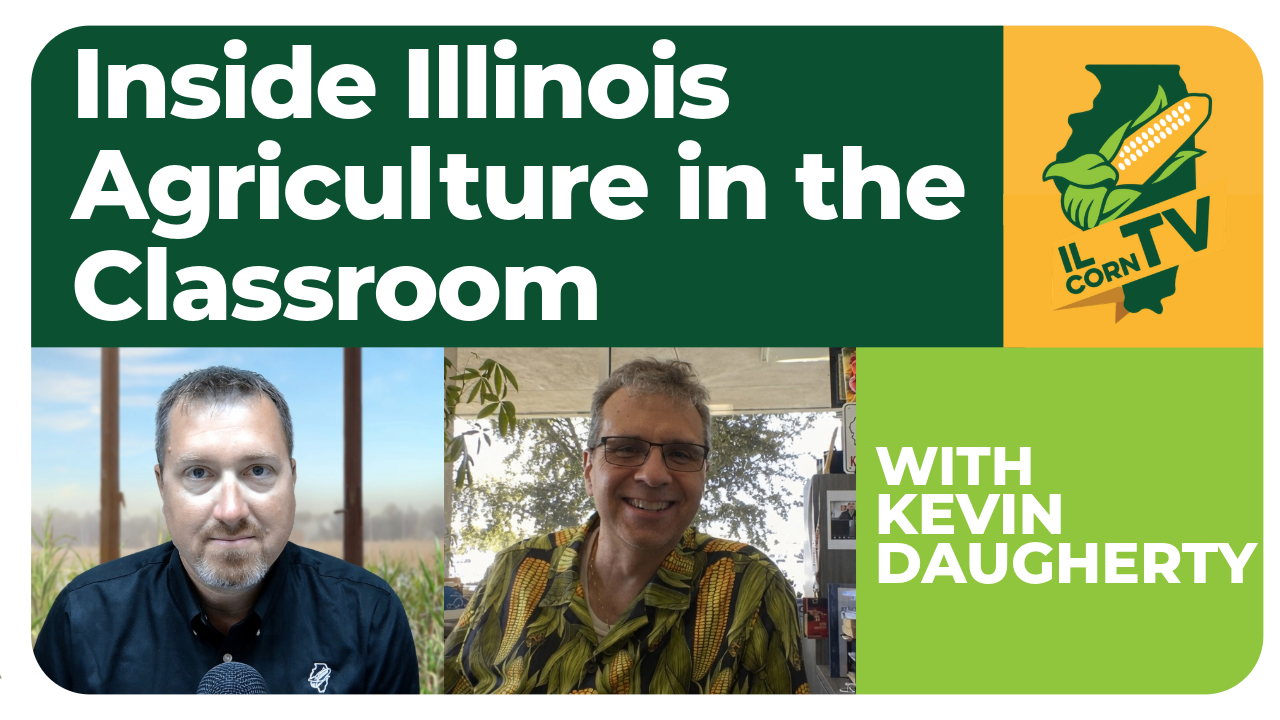
Growing Good Consumers: Inside Illinois' Ag in the Classroom Program

Dr. Fred Below shares research on nitrogen timing, hybrid selection and the Seven Wonders of 300 Bushels to help maximize corn yield.

Rod Weinzierl breaks down what IL Corn really does — from crop insurance breakthroughs to river infrastructure to advice for the next generation of farmers.

When Shane Gray sat down with Monica Ognio for this episode of IL Corn TV , they quickly discovered they had more in common than corn and onions. Monica farms with her family in Lima, Peru, where they've grown onions for export for more than 40 years. Their operation also raises sweet potatoes, pecans, pomegranates, strawberries and grapes for pisco on land transformed from desert through reservoirs, wells and drip irrigation. "You can have on one side the whole desert, and then you turn to the other side," she says. A Shared Passion for Teaching and Farming Like Shane, Monica has balanced farming with a career in education, teaching at an international school. Their shared experiences led to a conversation about women in agriculture, global markets and what it takes to produce a high-quality crop. Monica joined the Global Farmer Network after a chance conversation during a farm visit and now connects with farmers worldwide to share ideas on food security, weather challenges and everyday farming solutions. "Having a firsthand connection with somebody... that's a privilege," she says. Farming Challenges Know No Borders With 2026 recognized as the International Year of the Woman Farmer, Monica reflected on becoming a second-generation farmer and encouraged others to build strong teams and rely on trusted experts. "It doesn't matter your age, it doesn't matter the gender," she says. "If you really look at agriculture as an opportunity, there are lots of things that you can do." Many of the challenges she faces mirror those in Illinois, including unpredictable weather, rising input costs, pest pressure and meeting strict export standards where even a small blemish can keep an onion out of the international market. Watch or listen to the full conversation on IL Corn TV to hear more about farming Peru's desert coastline, exporting to a changing global market and the lessons Monica has learned along the way.

This is the text area for this paragraph. Use the formatting toolbar to apply your preferred fonts, colors, text sizes, and bullet points.

This is the text area for this paragraph. Use the formatting toolbar to apply your preferred fonts, colors, text sizes, and bullet points.
This is the text area for this paragraph. Use the formatting toolbar to apply your preferred fonts, colors, text sizes, and bullet points.