
Hear from Lou Lamoreux: Livestock Farmer and Former IL Corn Board Director


By Tara Desmond September 3, 2026

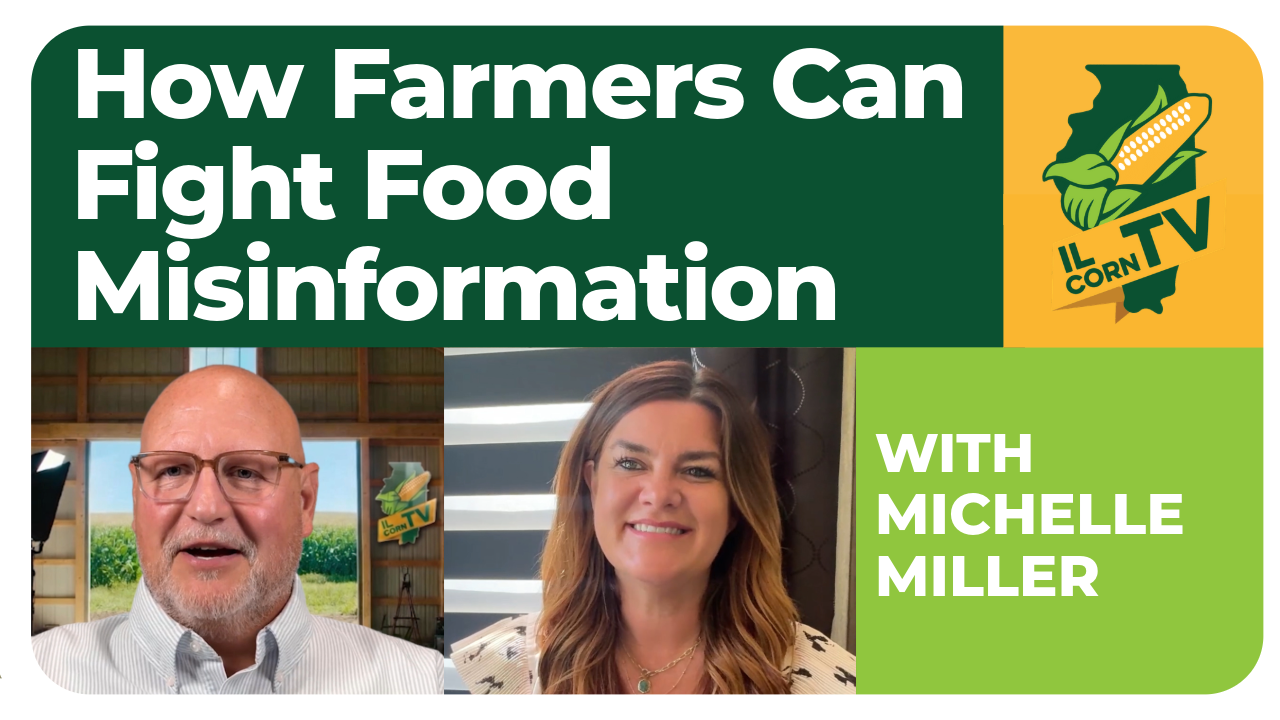
On this episode of IL Corn TV, host Shane Gray sits down with Lou Lamoreux, a farmer from Lanark, Illinois, whose resume includes stints as a schoolteacher, 2024 Master Farmer honoree, and leadership roles across the pork industry, Farm Bureau, and IL Corn.


Lou's farm dates back to 1867, and today he farms with his brother, and their two sons. The operation consists of corn, beans, wheat, hay and pasture alongside a herd of roughly 250 cows and 2,200 fed cattle a year. Lou talks about the shift from dairy and hogs to today's diversified operation, and the pride of watching his own grandsons show early interest in the farm's future.


Much of the conversation centers on the beef side of the business: how genetics have reshaped cattle breeding over the decades (from big, tall cows to more compact, muscled ones favored by today's buyers), rising input and freight costs on feeder cattle, and the investments (like a monoslope cattle building and rubber-matted floors) that go into animal comfort. Lou pushes back on the "factory farming" narrative, arguing that comfort and care are central to good production, whatever the species.


Looking ahead, Lou identifies labor as the industry's biggest looming challenge, noting that even farm kids today often haven't grown up around livestock. He also reflects on his time with the IL Corn Marketing Board, touching on how checkoff dollars support everything from ethanol and sustainable aviation fuel to emerging maritime fuel research and new corn-derived products.


Not a member?

Become one today!

SHARE THIS

Latest Posts

captain Cornelius at shake it up cocktail lounge
By Tara Desmond September 3, 2026
4.29M bushels of U.S. corn fueled beverage alcohol production in July 2026 alone — up 54% from July 2025. Corn's in your Labor Day toast!
aerial view of short corn
By Tara Desmond September 3, 2026
Illinois farmer Steve Fourez tests short stature corn against conventional hybrids, exploring yield potential and late-season management benefits.
USDA building
By Lyndi Allen September 3, 2026
This week, U.S. Secretary of Agriculture Brooke L. Rollins announced the U.S. Department of Agriculture (USDA) Data Modernization Plan to put Farmers First, reduce unnecessary burdens on producers, and improve the timeliness, accuracy, and usefulness of the data that informs agricultural decisions. USDA data informs crop and livestock estimates, risk-management tools, disaster assistance, and critical business decisions made by farmers, ranchers, agribusinesses, researchers, and policymakers. In February 2026, Secretary Rollins issued a Request for Information seeking feedback on the opportunities, challenges, and emerging areas in USDA data. That feedback helped shape the USDA Data Modernization Plan and its four pillars: Modernize the Data Reporting Experience: USDA will expand use of administrative data, improve mobile access to surveys, explore opportunities to use prefilled information where appropriate, and strengthen coordination across the Department. These changes will reduce duplicative requests and limit the amount of time producers spend reporting information. Enhance Acreage and Yield Estimation: USDA will conduct a pilot to evaluate the use of improved satellite imagery, geospatial tools, crop models, and other emerging technologies combined with essential producer-reported information to enhance acreage and yield estimations. USDA will also assess the use of optional field inputs to enhance and ground truth yield estimates and continue advancing yield research through collaboration with agricultural partners and land-grant universities. Integrate Data and Technology Platforms: USDA will modernize its technology infrastructure, expand secure data-sharing capabilities, and evaluate the responsible use of tools such as artificial intelligence and machine learning. Better integrated systems will improve efficiency, reduce duplication, and allow USDA to produce more timely and useful information. Expand Trust and Transparency with Producers: USDA will protect producer privacy, clearly explain why information is requested and how it is used, and create additional opportunities for producers to provide feedback. USDA will also improve communication surrounding reports, methodologies, response rates, and data limitations. USDA will begin implementing actions under the plan immediately and will continue engaging farmers, ranchers, and agricultural stakeholders throughout the process. The Department will evaluate new approaches carefully, protect privacy and confidentiality, and publish clear methodologies and supporting information to maintain the integrity of USDA’s agricultural statistics. See USDA’s Full Data Modernization Plan
Cornfield beside a dirt path under a blue sky with wispy clouds
By Lyndi Allen September 2, 2026
EPA has granted 1.76 billion RIN exemptions to small refiners, raising concerns among farmers and biofuel producers about the potential impact on demand for renewable fuel.
Weekly News
By Lyndi Allen August 28, 2026
News from IL Corn for week ending 8/28/26
Tall green corn plants under a partly cloudy blue sky
By Lyndi Allen August 27, 2026
New tariffs on Canadian goods took effect August 22, a critical market for U.S. agriculture. For Illinois farmers, the concern is what these tariffs could mean for demand.
Golden field at sunset with distant trees and a low farmhouse on the horizon
By Lyndi Allen August 27, 2026
A proposed merger between Union Pacific and Norfolk Southern would create the first true transcontinental Class I railroad in the United States, what does it mean for farmers
By Tara Desmond August 27, 2026
Get to know volunteer Southern Illinois farmer Matt Raben - New IL Corn Marketing Board Chair
Rachel Curry on IL Corn TV
By Tara Desmond August 27, 2026
Behind the Numbers: What's Really Driving Nutrient Loss in Illinois
Ryan LeGrange - CEO of USGBC
By Tara Desmond August 27, 2026
Record U.S. corn and ethanol exports highlight growing global demand, with Canada and Mexico playing key roles in strong markets for farmers.
Show More