
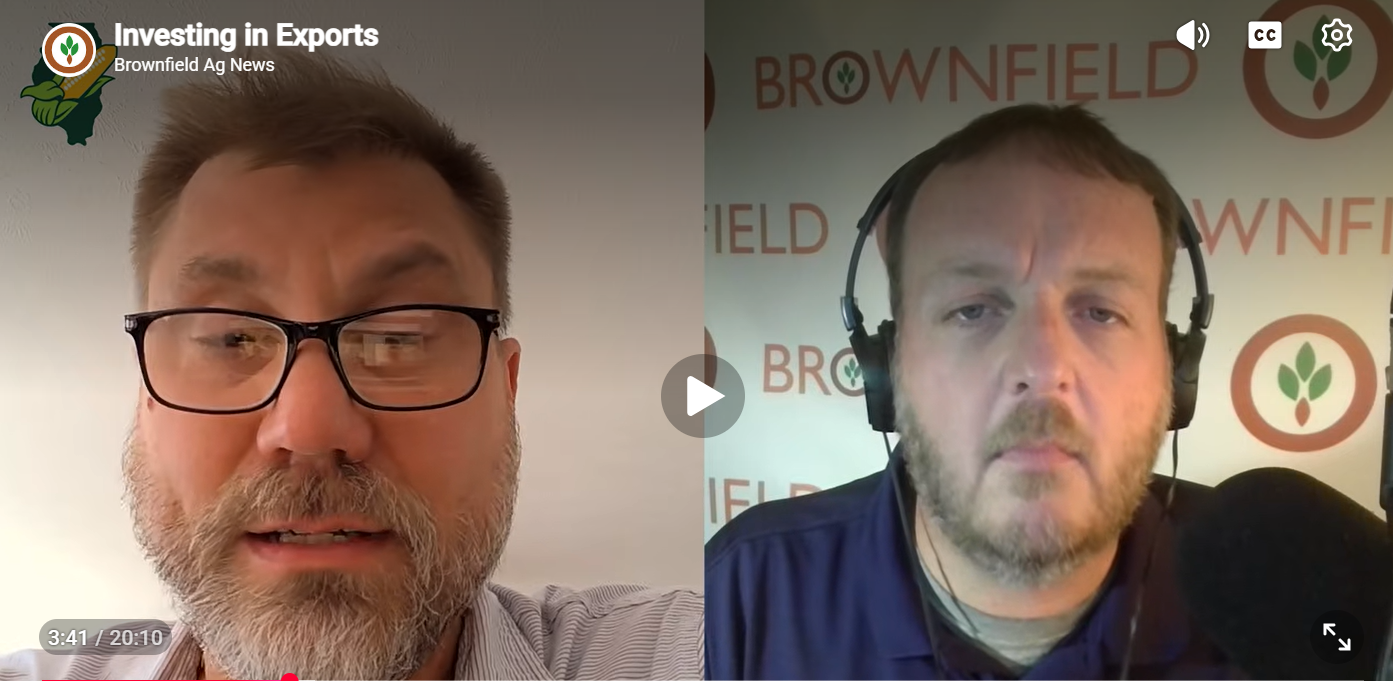
IL Corn’s Collin Watters tells Brownfield how trade team visits, ethanol demand and USMCA help move Illinois corn to markets worldwide.
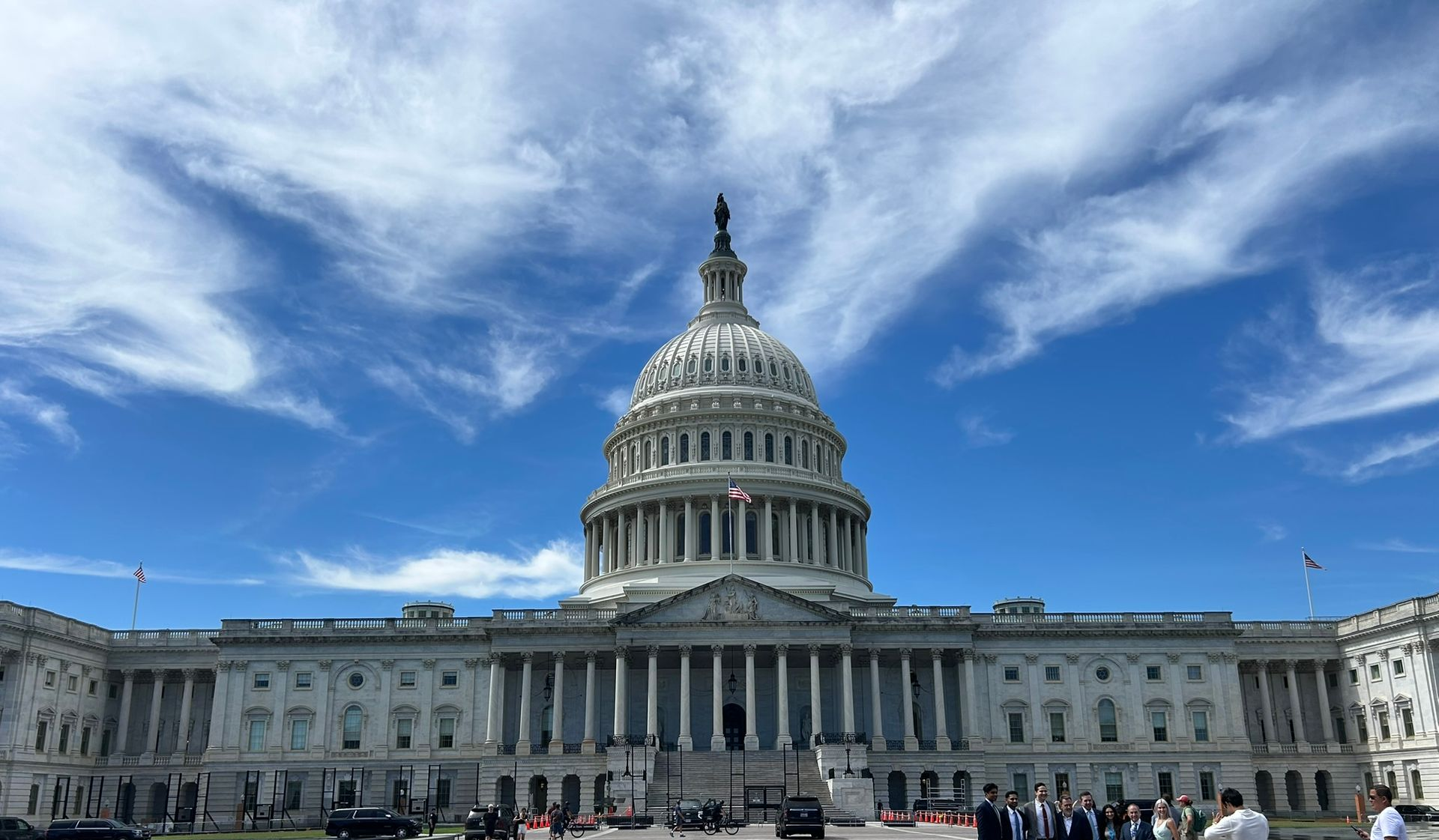
Congress returns to Washington, D.C. this week, with several unfinished legislative priorities that remain important to Illinois corn farmers and the future of agriculture.
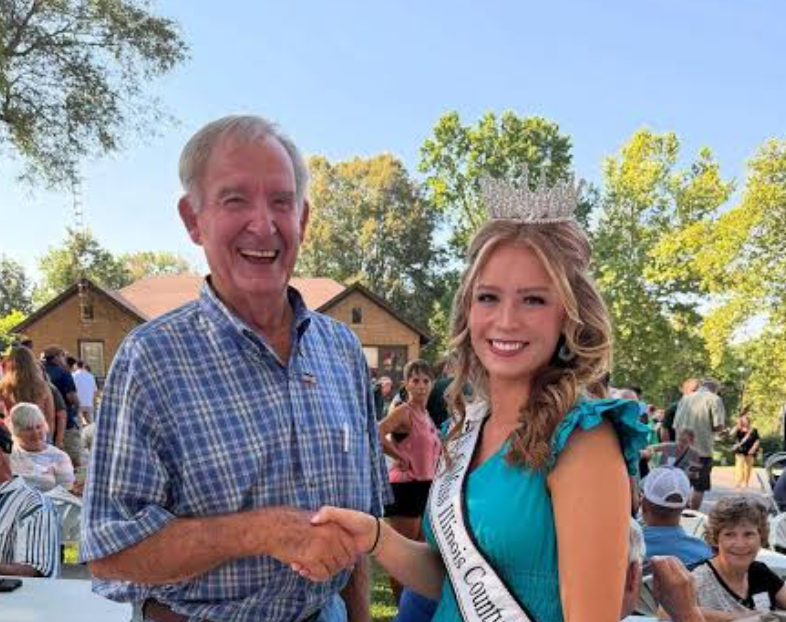
Farmer, family man and founding IL Corn board member, Joe Hampton helped give farmers a seat at the table. His influence is still felt decades later.

Applications are now being accepted for the 2027 Illinois Leopold Conservation Award.
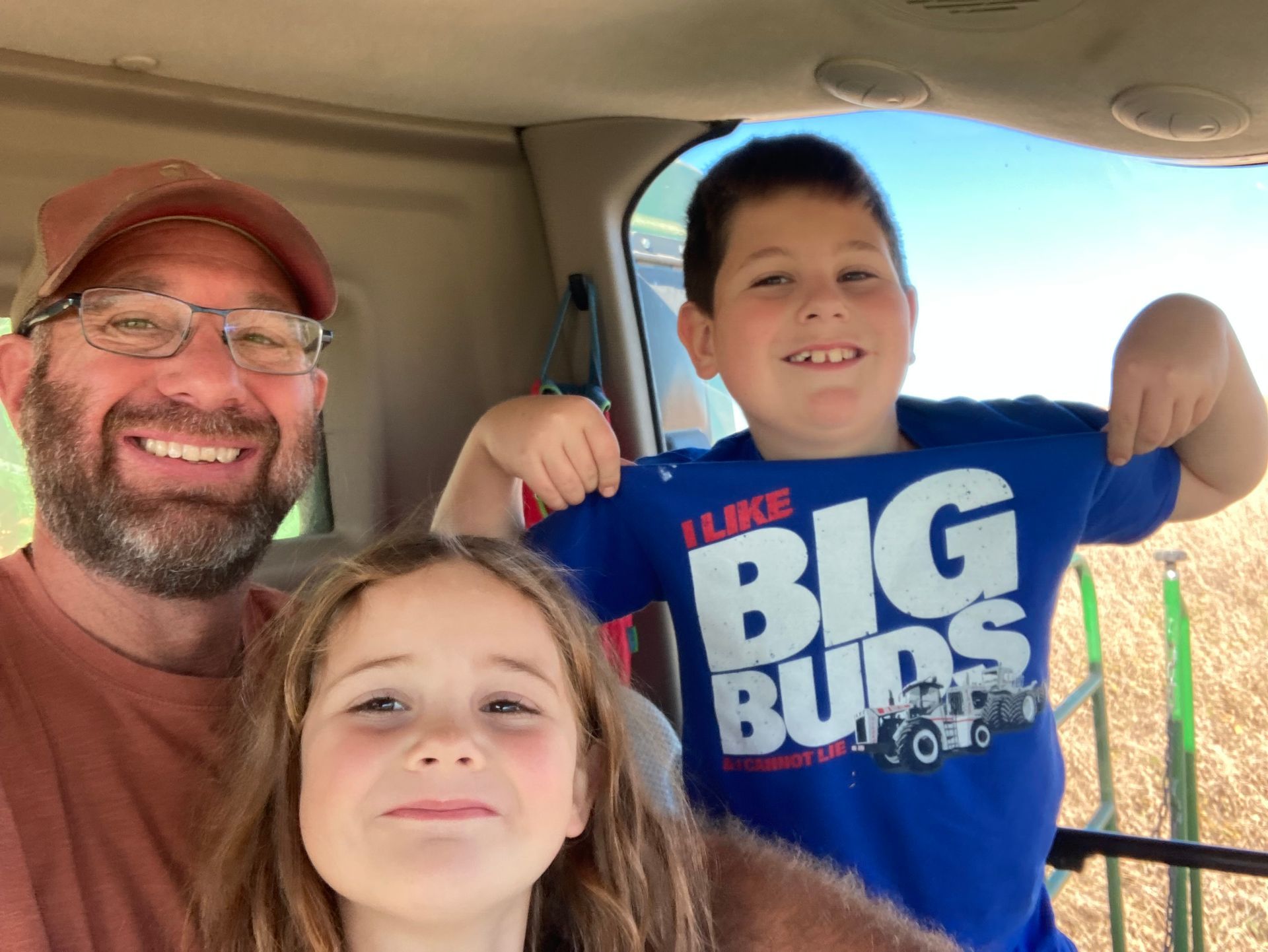
Jacksonville farmer and ICGA member Doug Coop served 20 years in the Army. Here's how service shaped his life, his family and his farm.
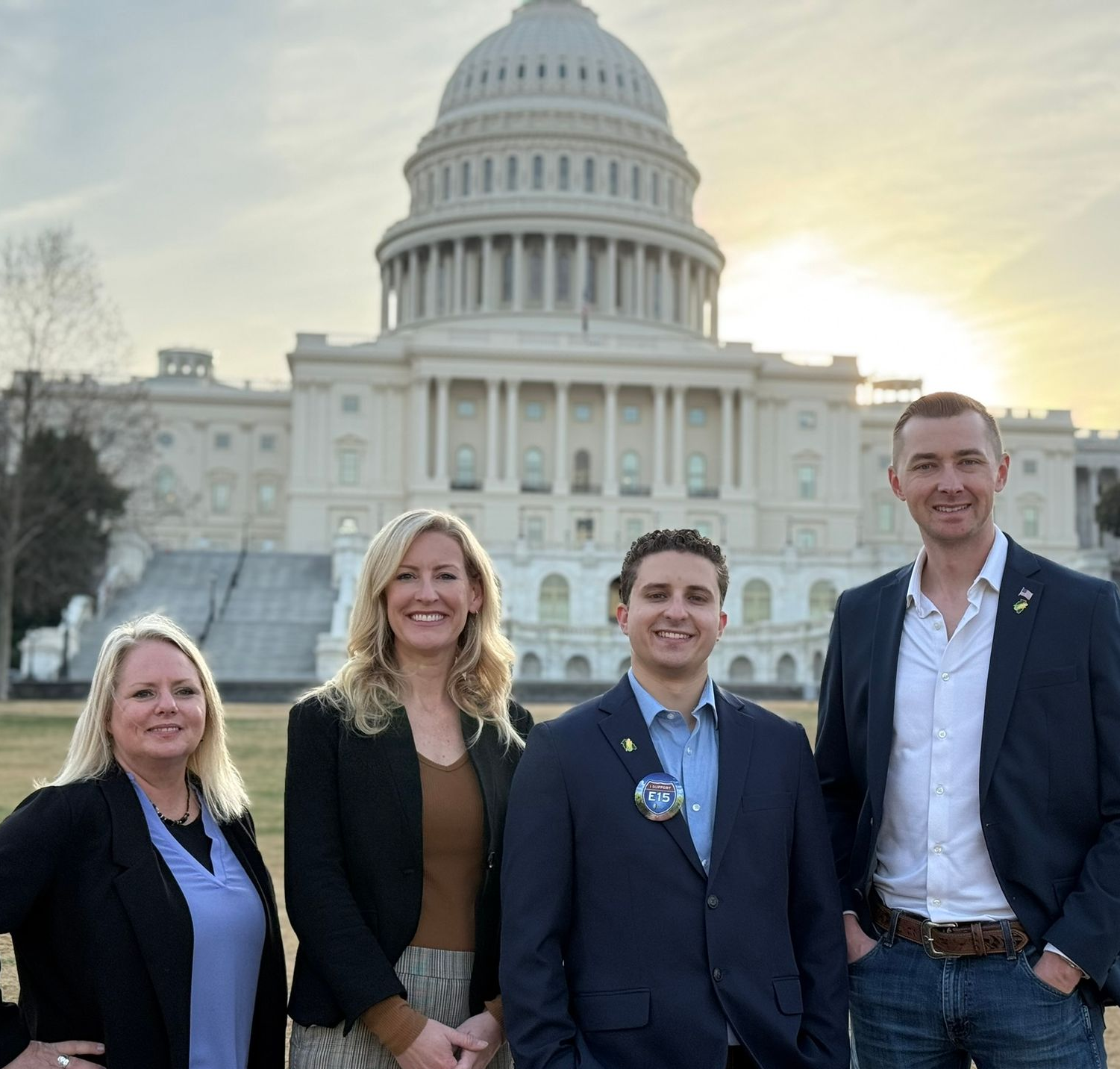
IL Corn's GrassRoots Orientation to Washington, D.C. program allows Illinois farmers and agricultural professionals to see firsthand how agricultural policy is shaped.

Illinois voters delivered decisive victories for Democrats across the state, expanding the party’s supermajorities in the General Assembly and electing a new U.S. Senator.
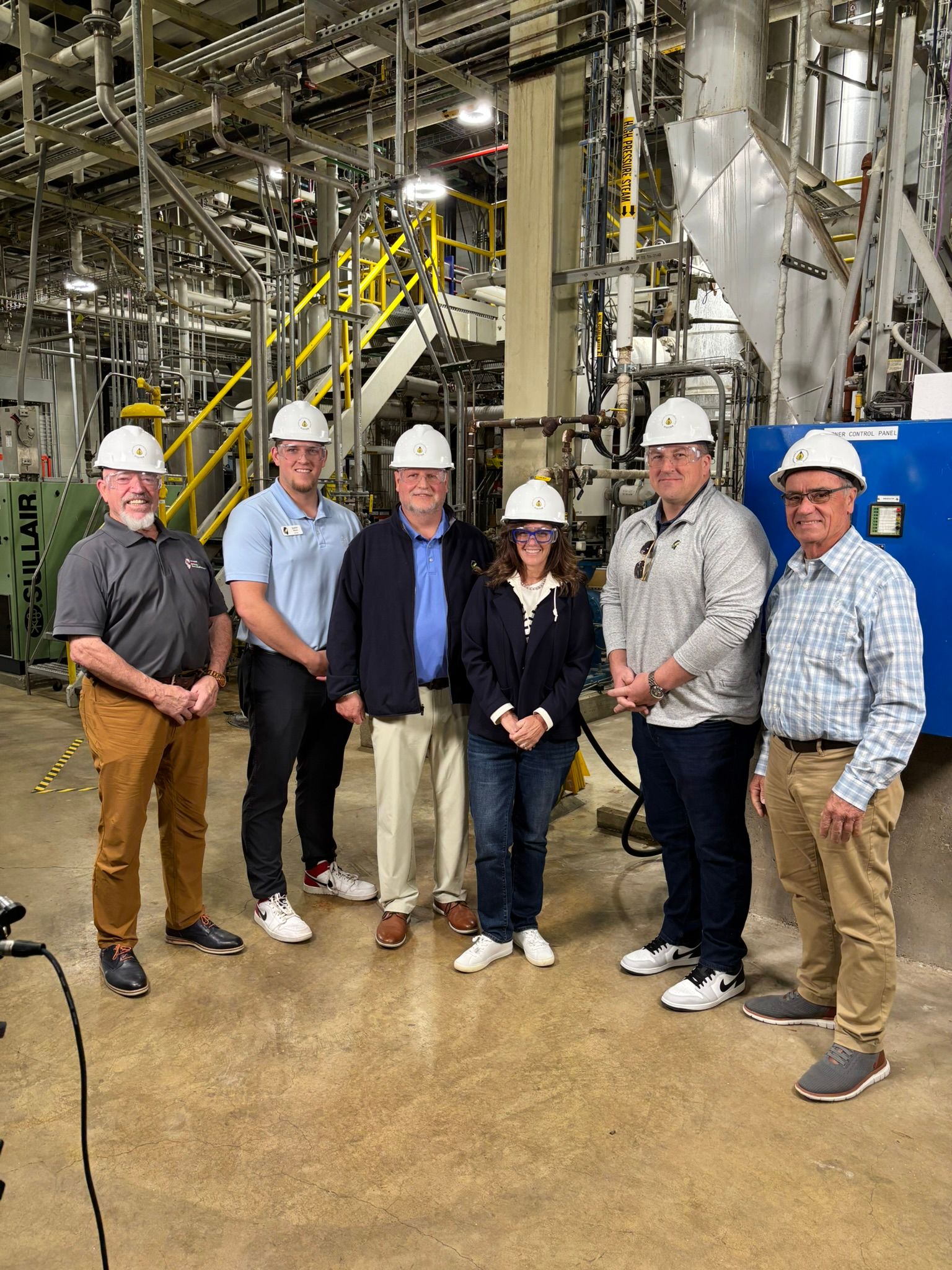
Fall Nitrogen, President Trump, New Corn uses expansion and more - check out October corn news you missed.
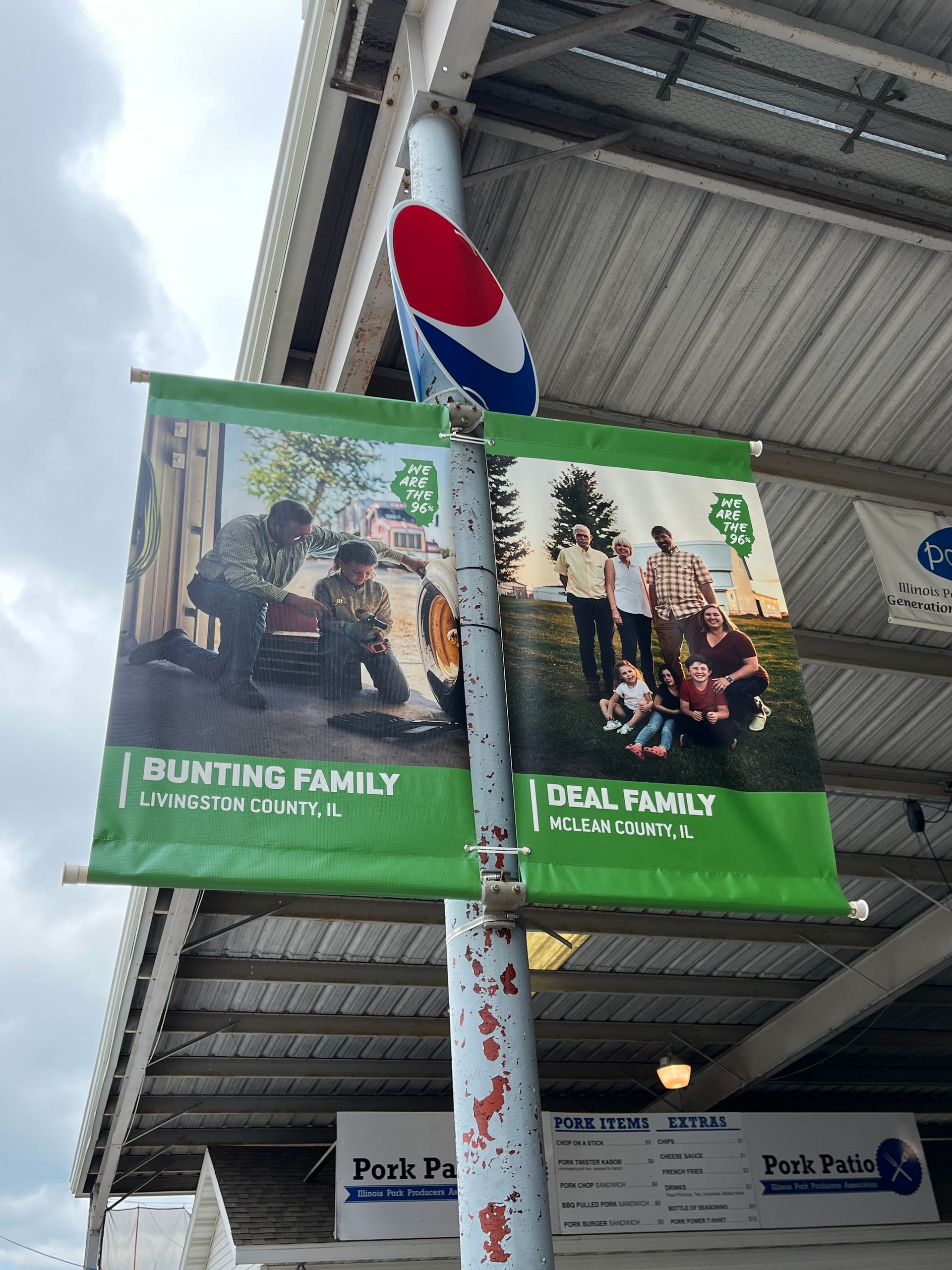
New Illinois Farm Families research shows consumer recognition up 10 points since 2021, with farmers still ranked the most trusted profession.

IL Corn's Annual Meeting to be Held 11/24