
ICGA’s Comments on Railroad Merger Focus on Protecting Farm and Rural Interests


By Lyndi Allen • November 19, 2026

Union Pacific and Norfolk Southern railroads are seeking federal approval to combine their operations, potentially creating the first transcontinental railroad in the United States. The proposed merger would combine two major rail networks, connecting the country's western and eastern sides under one railroad system.


The merger is currently under review by the Surface Transportation Board (STB), the federal agency responsible for evaluating major railroad mergers. As part of that process, the IL Corn Growers Association (ICGA) submitted comments outlining concerns and requesting concessions to protect Illinois corn farmers and grain elevators that serve them.


At this time, IL Corn is neither supporting nor opposing the proposed merger.


After consulting with grain elevators, other transportation providers, and end users, ICGA is asking the railroads and the STB to address potential impacts on agricultural transportation before the merger moves forward.


Illinois, the second-largest corn-producing state, produces about 2.3 billion bushels annually, hauling more than 1 billion bushels beyond the state to domestic markets and export destinations, primarily by rail or barge after local elevators collect them.


Rail transportation also moves agricultural inputs, such as fertilizer, as well as ethanol and dried distillers grains with solubles (DDGS). Changes in freight rates, service reliability, and transportation access can affect and influence what farmers receive for their crops.


What is ICGA requesting?


  • Long-term oversight and accountability: A minimum of a seven-year STB oversight period, continued reporting of railroad performance metrics, and guaranteed railroad performance standards.
  • Competitive and predictable rates: Protections against disproportionate grain rate increases, unfair pricing based on elevator track configurations, and changes to rates for privately owned grain cars.
  • Reliable service and dispute resolution: Dedicated agricultural rate and service arbitration, resolution of disputes within three months, more predictable train delivery and release schedules, and reasonable demurrage policies and loading rebates.
  • Protection of existing infrastructure and market access: Guarantees that existing shortline railroad interchanges and competitive prices remain in place, along with continuation of Norfolk Southern’s Pegasus shuttle program serving Decatur, Illinois, and Lafayette, Indiana.
  • Agricultural industry communication: A dedicated corn customer service desk, preferably located in Illinois or the Central time zone, and a grain industry council to provide opportunities for regular communication between the railroad and agricultural stakeholders.


These requests are intended to help ensure Illinois grain transporters have reliable service, competitive transportation options, and continued market access regardless of the proposed merger outcome.


The STB will consider comments and requested conditions as it evaluates the proposed transaction. ICGA’s comments emphasize that any potential benefits of combining the rail networks must also account for the needs of agricultural shippers and the farmers who depend on them.  


Read ICGA's Comments on the Rail Merger

  • Does ICGA support or oppose the proposed railroad merger?

    Neither. ICGA is not taking a position for or against the merger. Instead, the organization is asking that protections for agricultural shippers, grain elevators, and Illinois farmers be addressed before the merger moves forward.

  • Why does the railroad merger matter to Illinois corn farmers?

    Illinois ships more than 1 billion bushels of corn beyond the state each year, with much of that grain moving by rail or barge. Changes to railroad rates, service reliability, or transportation access could increase shipping costs and affect the basis farmers receive for their crops.

  • What is ICGA asking the railroads to do?

    ICGA is requesting concessions that address five areas: long-term oversight and accountability, competitive and predictable rates, reliable service and dispute resolution, protection of existing infrastructure and market access, and better communication with agricultural customers.

  • Who decides whether the merger is approved?

    The Surface Transportation Board (STB), the federal agency responsible for reviewing major railroad mergers, will evaluate the proposed transaction. The board will consider submitted comments and requested conditions as part of its review.

  • How could the merger affect grain elevators and other agricultural businesses?

    Grain elevators depend on competitive transportation rates, reliable rail service, and access to multiple shipping options. Changes to railroad operations could affect their ability to move grain efficiently and maintain competitive options for the farmers they serve.


Not a member?

Become one today!

SHARE THIS

Latest Posts

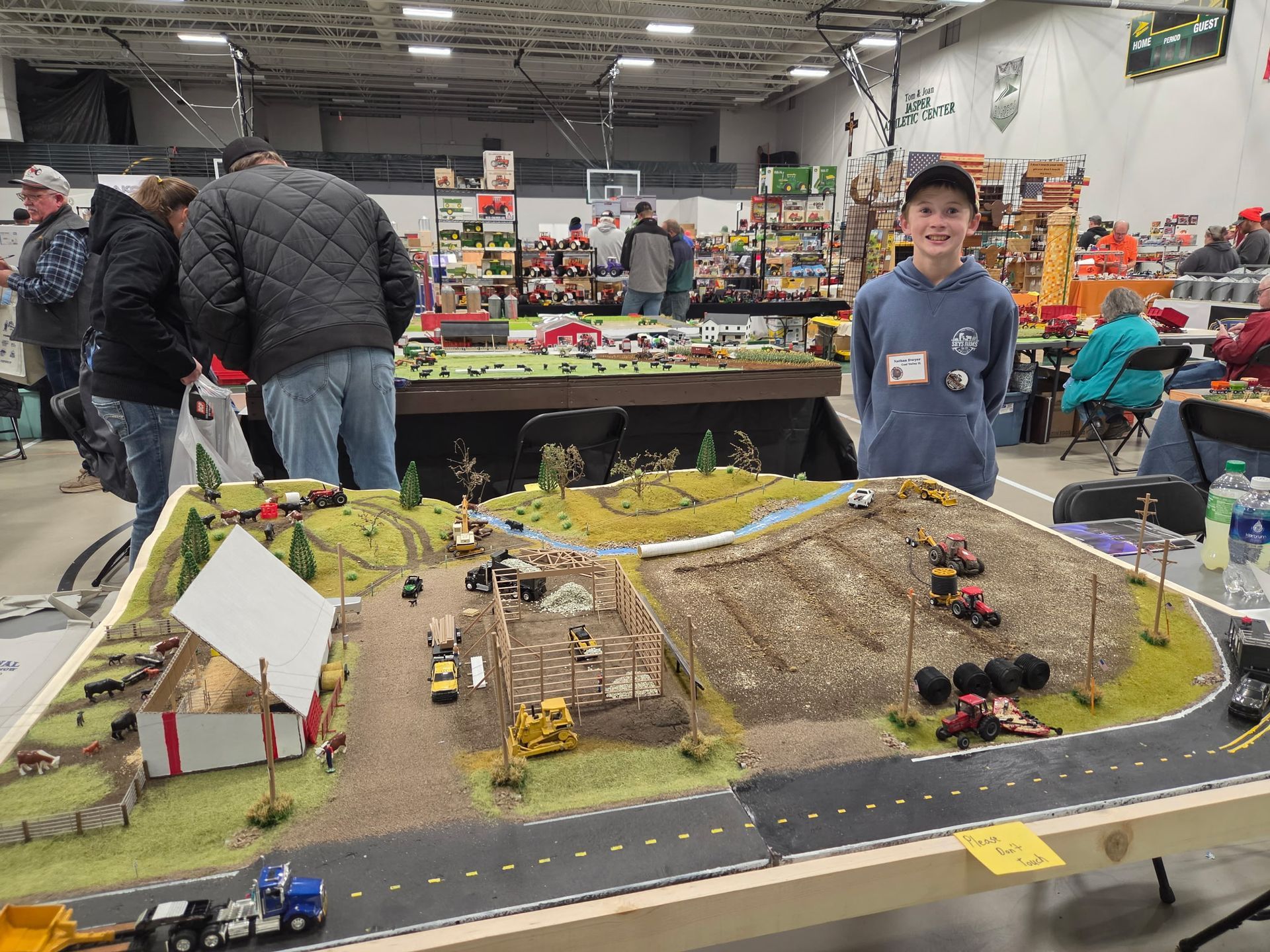
Nathan Dwyer in front of large farm display
By Tara Desmond • November 19, 2026
Illinois farm kid Nathan Dwyer built a 1/64-scale field tiling and farm construction display for the National Farm Toy Show. Read about his build.
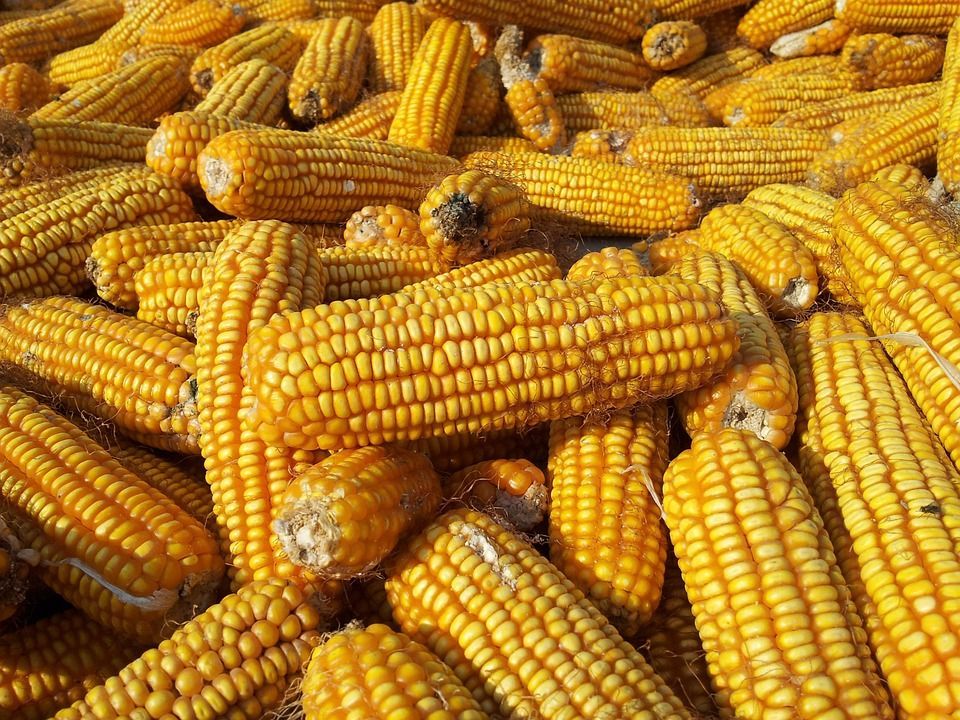
field corn ears
By Tara Desmond and Brownfield Ag • November 19, 2026
U.S. Grains Council & BioProduct’s Mark Sevier explains how IL Corn checkoff dollars help prove U.S. corn’s value to buyers in Mexico, Latin America and beyond.
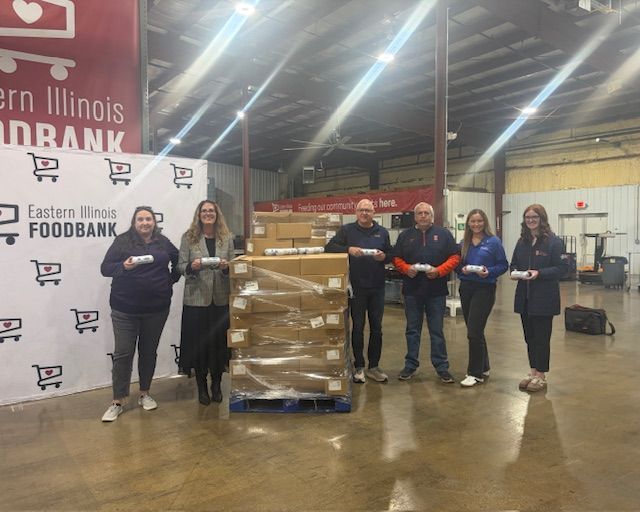
group at pork power event
By Tara Desmond • November 18, 2026
IL Corn joins Pork Power partners to deliver pork to Eastern Illinois Foodbank, part of 101,000+ pounds donated to Illinois food banks this year.
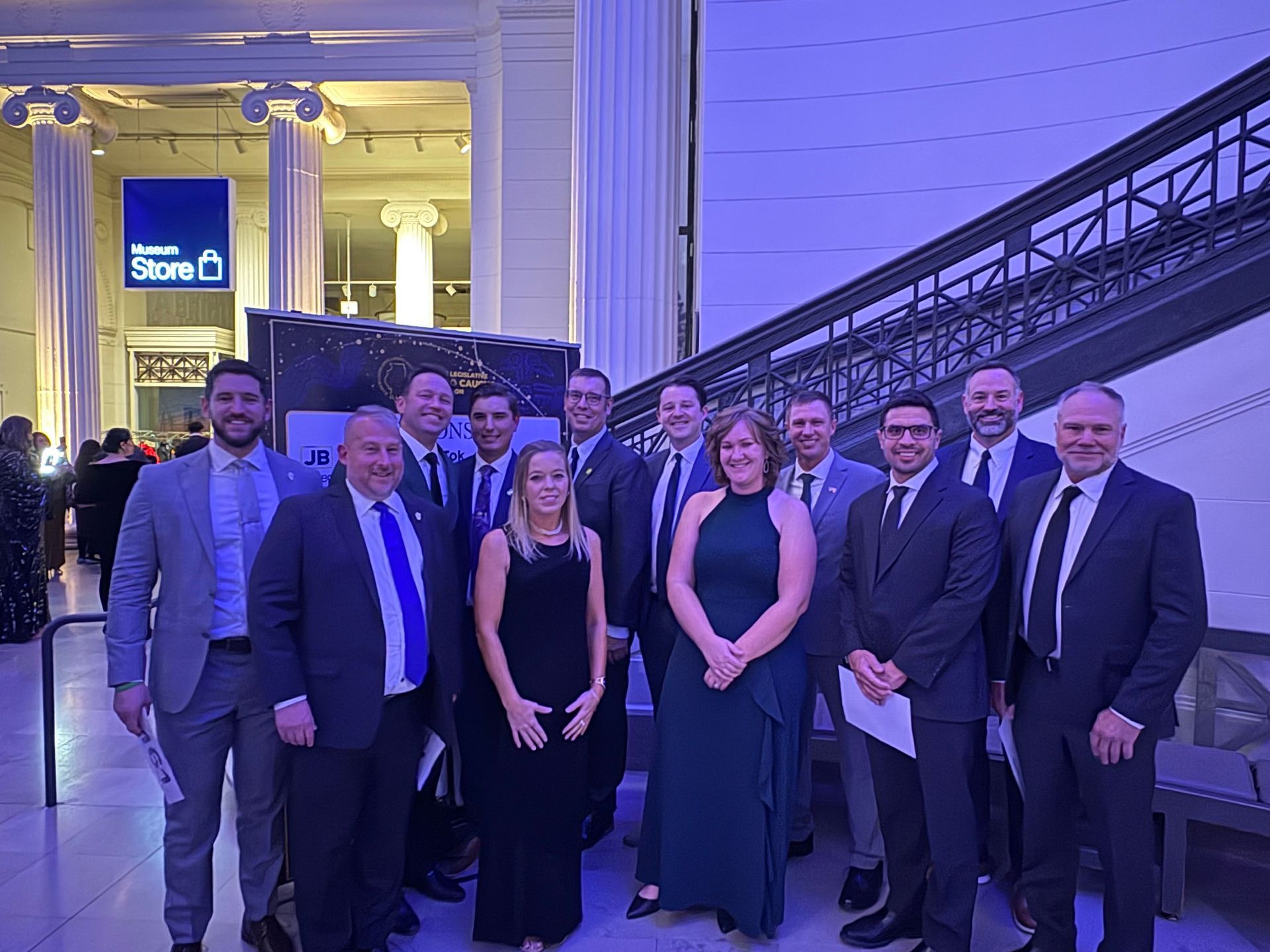
IL Corn and Agriculture Organization Partners
By Lyndi Allen • November 18, 2026
IL Corn joined agricultural partners at the Latino Caucus Gala to celebrate Latino contributions to Illinois agriculture and build relationships with state and federal leaders.
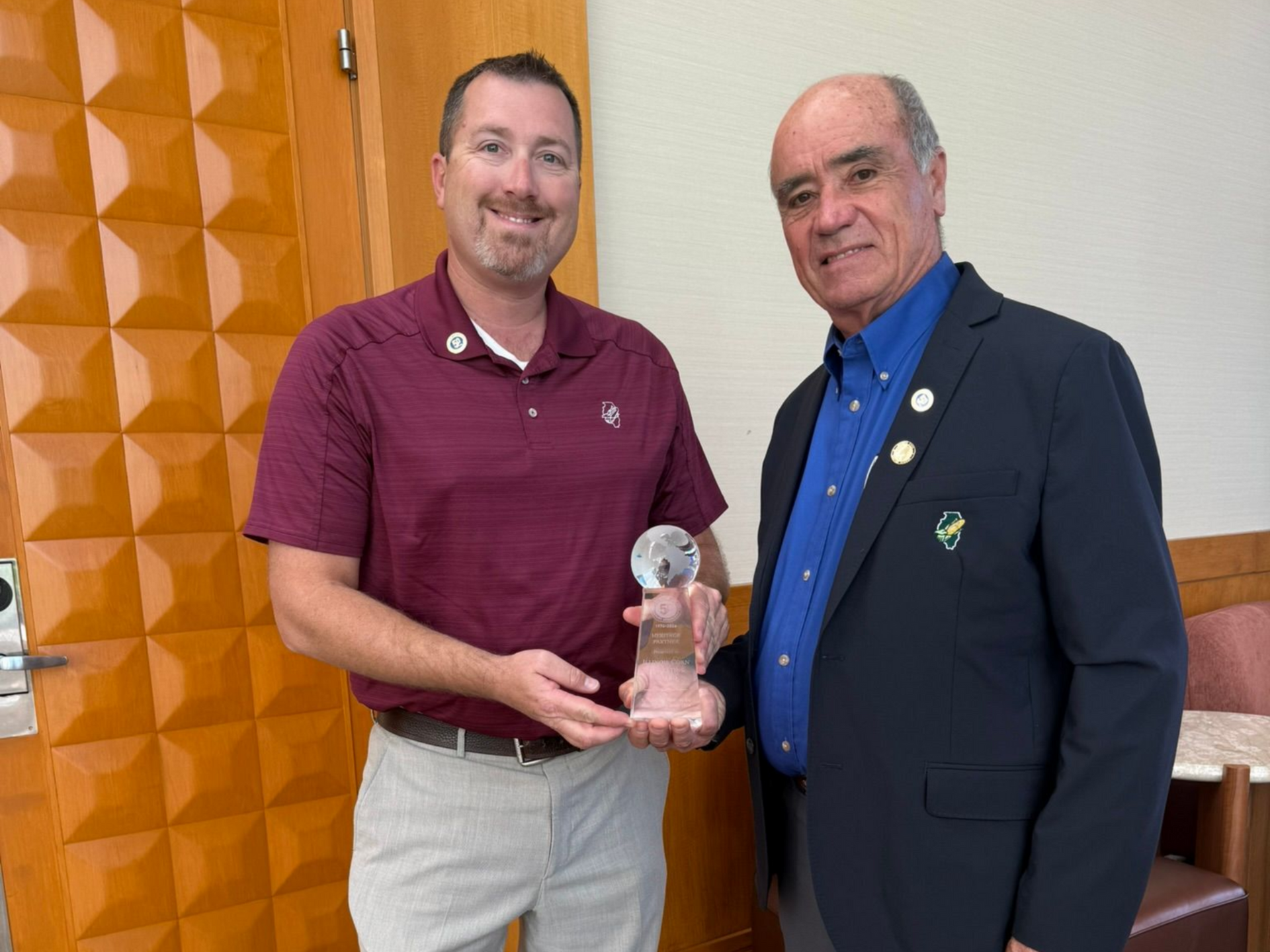
John Klemm and Dale Haudrich Receive Award
By Lindsay Croke • November 17, 2026
As USMEF marks its 50th anniversary, its impact serves as a reminder that export development is not just about selling more product overseas. It is about building long-term demand, creating value throughout the supply chain, and generating returns for farmers at home. *Based on an average corn price of $4.29 per bushel and 2025 beef and pork export data.
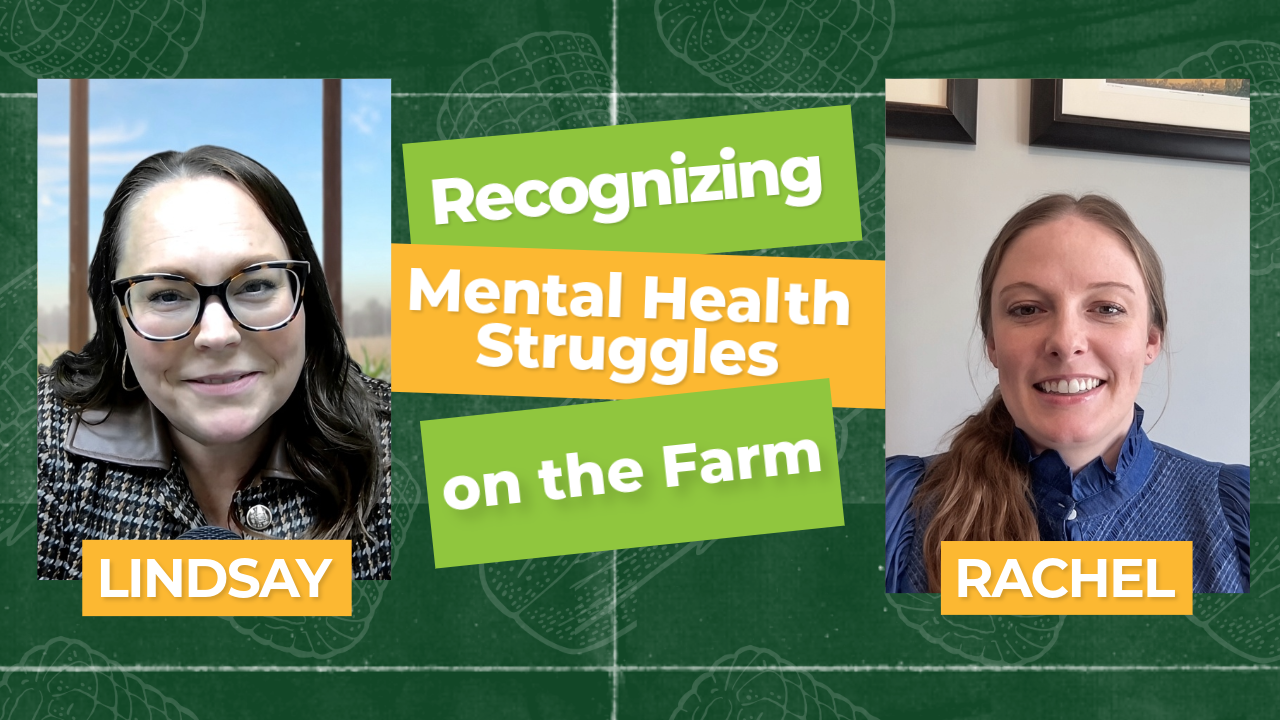
Lindsay and Rachel thumbnail
By Tara Desmond • November 16, 2026
Would you know if a farmer you care about was quietly struggling? Farm SOS counselor Rachel Brown shares the warning signs.
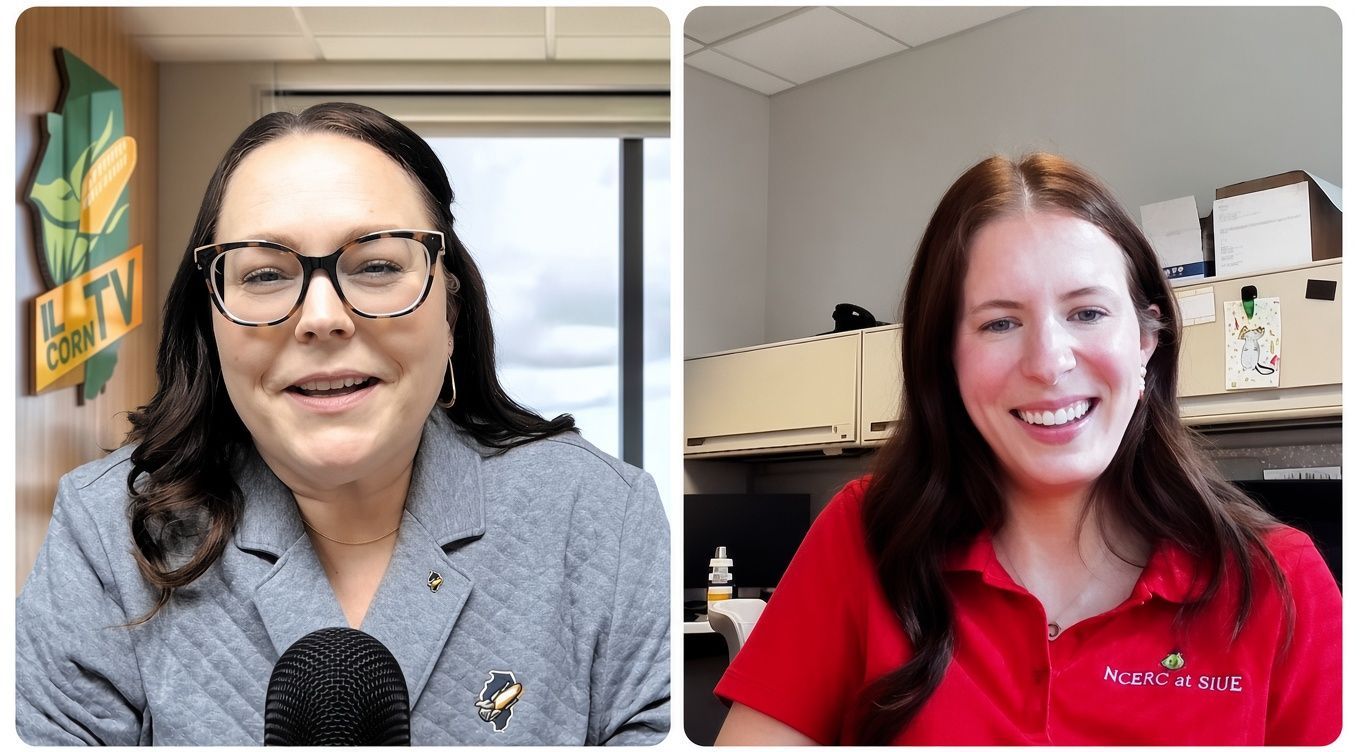
thumbnail of Lindsay and Brooke
By Tara Desmond • November 12, 2026
NCERC research fellow Brooke Wagner shares how IL Corn-funded research at SIUE is creating new uses for Illinois corn. Watch on IL Corn TV.
thumbnail of Collin and Jared on Brownfield Ag
By Tara Desmond & Brownfield Ag • November 12, 2026
IL Corn’s Collin Watters tells Brownfield how trade team visits, ethanol demand and USMCA help move Illinois corn to markets worldwide.
U.S. Capitol building under a blue sky with dramatic clouds in Washington, D.C.
By Lyndi Allen • November 12, 2026
Congress returns to Washington, D.C. this week, with several unfinished legislative priorities that remain important to Illinois corn farmers and the future of agriculture.
Joe Hampton with Queen Johnna Fulcher
By Tara Desmond • November 11, 2026
Farmer, family man and founding IL Corn board member, Joe Hampton helped give farmers a seat at the table. His influence is still felt decades later.
Show More