
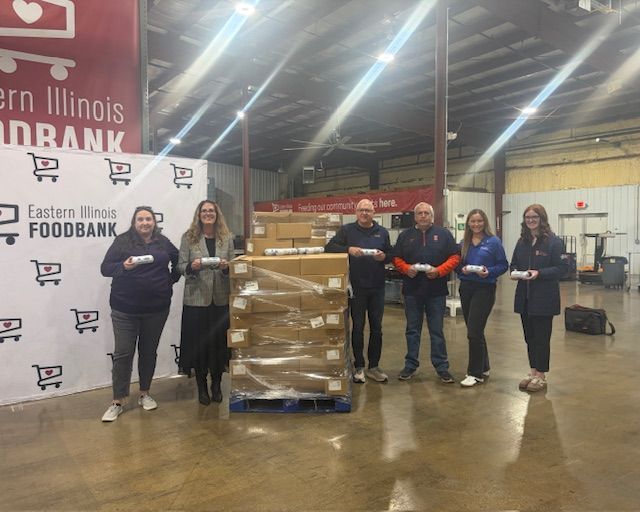
IL Corn joins Pork Power partners to deliver pork to Eastern Illinois Foodbank, part of 101,000+ pounds donated to Illinois food banks this year.
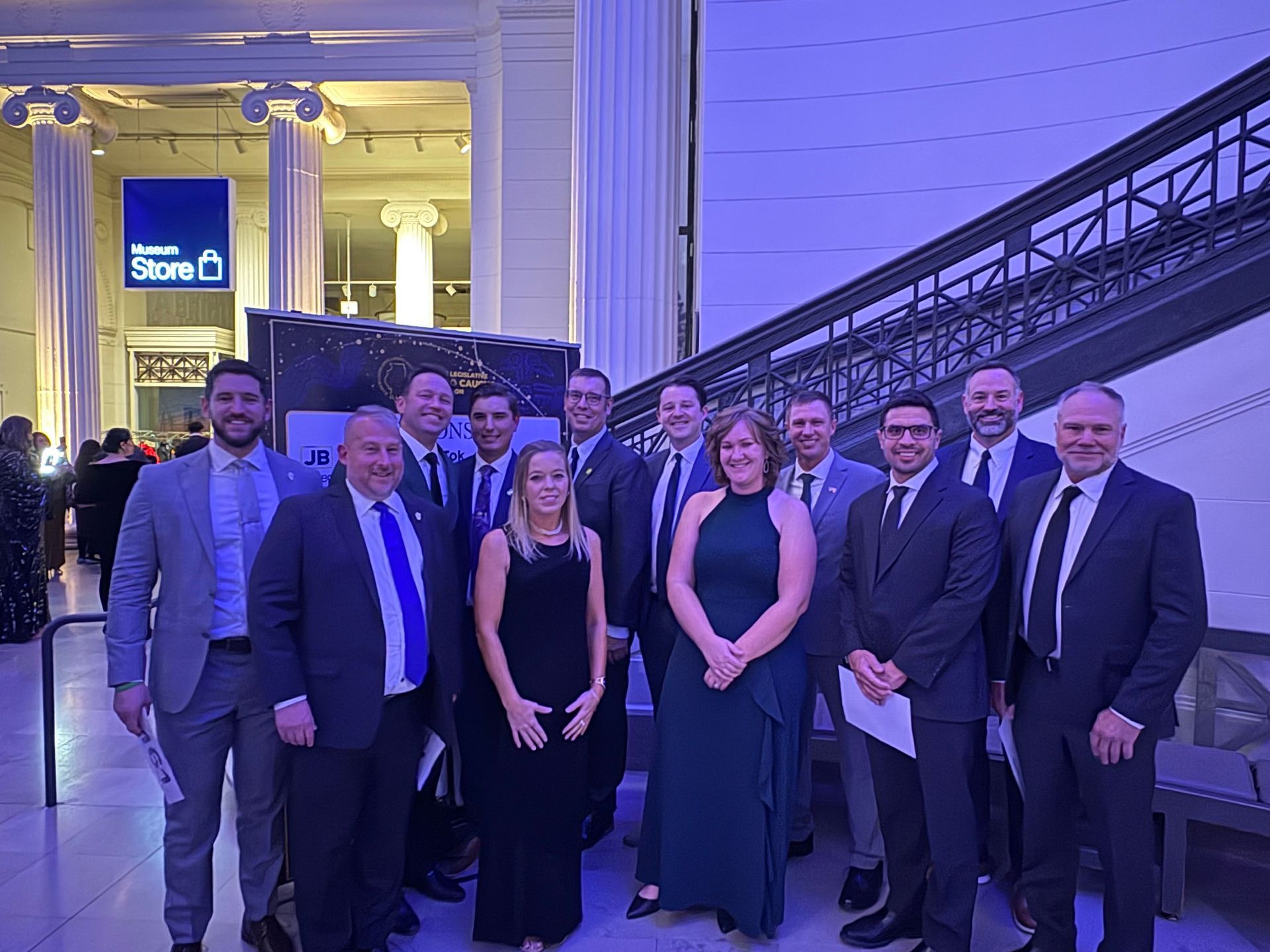
IL Corn joined agricultural partners at the Latino Caucus Gala to celebrate Latino contributions to Illinois agriculture and build relationships with state and federal leaders.
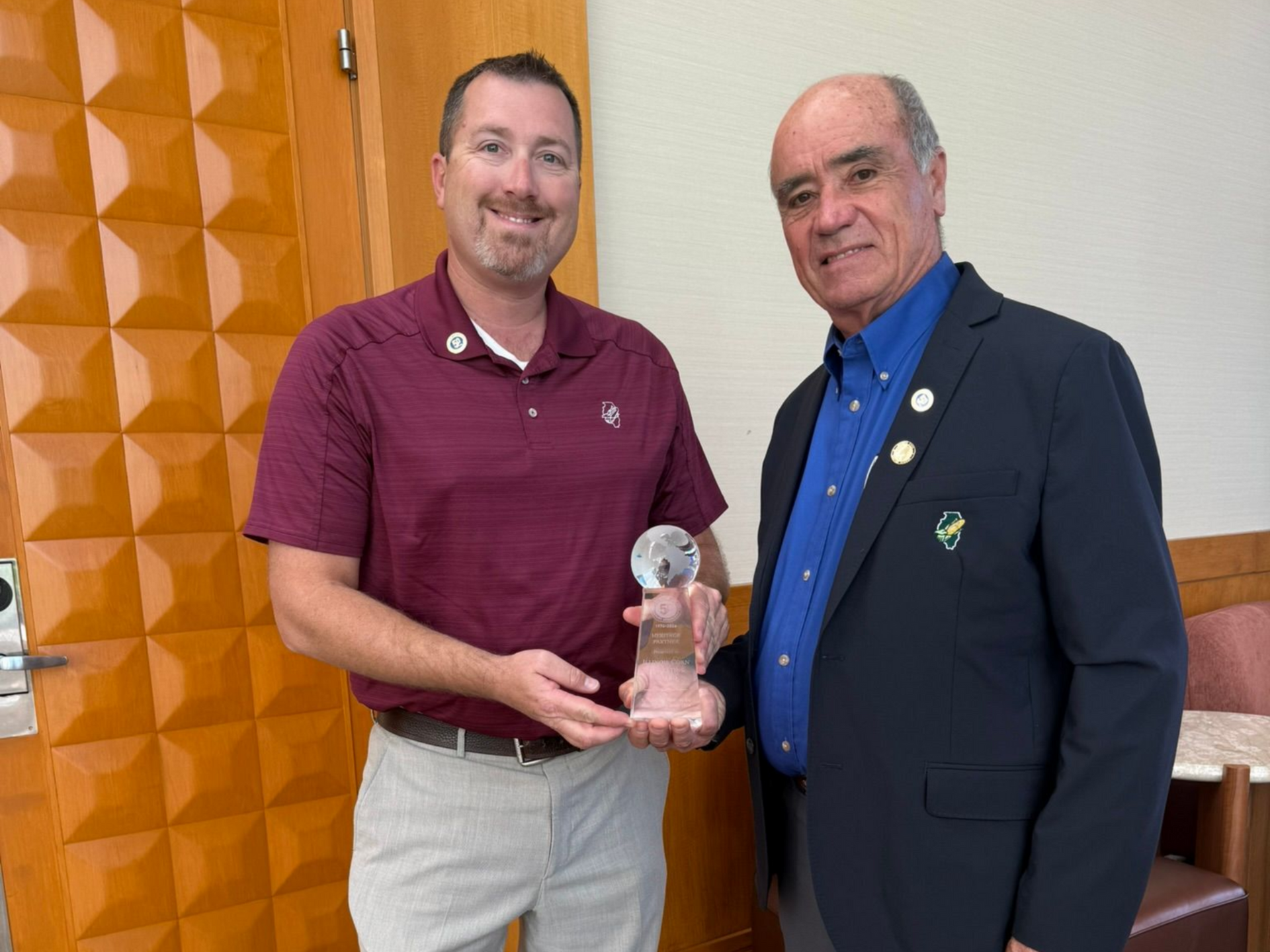
In 2025, beef and pork exports accounted for 70.31 million bushels of Illinois corn usage, demonstrating the value of a system that promotes U.S. red meat around the world. By creating demand for beef and pork exports, often by marketing underutilized cuts and maximizing value of the entire animal, the U.S. Meat Export Federation (USMEF) helps strengthen markets for livestock and corn farmers alike. This year, USMEF celebrates its 50th anniversary. As a longtime partner of the Illinois Corn checkoff, the organization continues to play a critical role in expanding global opportunities for U.S. agriculture. During the USMEF Strategic Planning Conference and 50th Anniversary Celebration, Illinois corn farmer leaders had the opportunity to reflect on five decades of export growth while exploring what the next 50 years could hold for the industry. Five Decades of Export Growth Since USMEF was founded in 1976, the U.S. pork and beef industries have experienced dramatic growth in production, efficiency, and export demand. The share of pork production exported has risen from just 3.3% in 1976 to 26.0% in 2025, while beef exports have increased from 0.5% to 10.3% of total production. At the same time, production levels and animal weights have climbed, creating greater demand for corn. Perhaps most impressive is the value of exports. Since 2010, the export value of U.S. beef and variety meats has increased 129%, while the export value of U.S. pork and variety meats has climbed 76%.
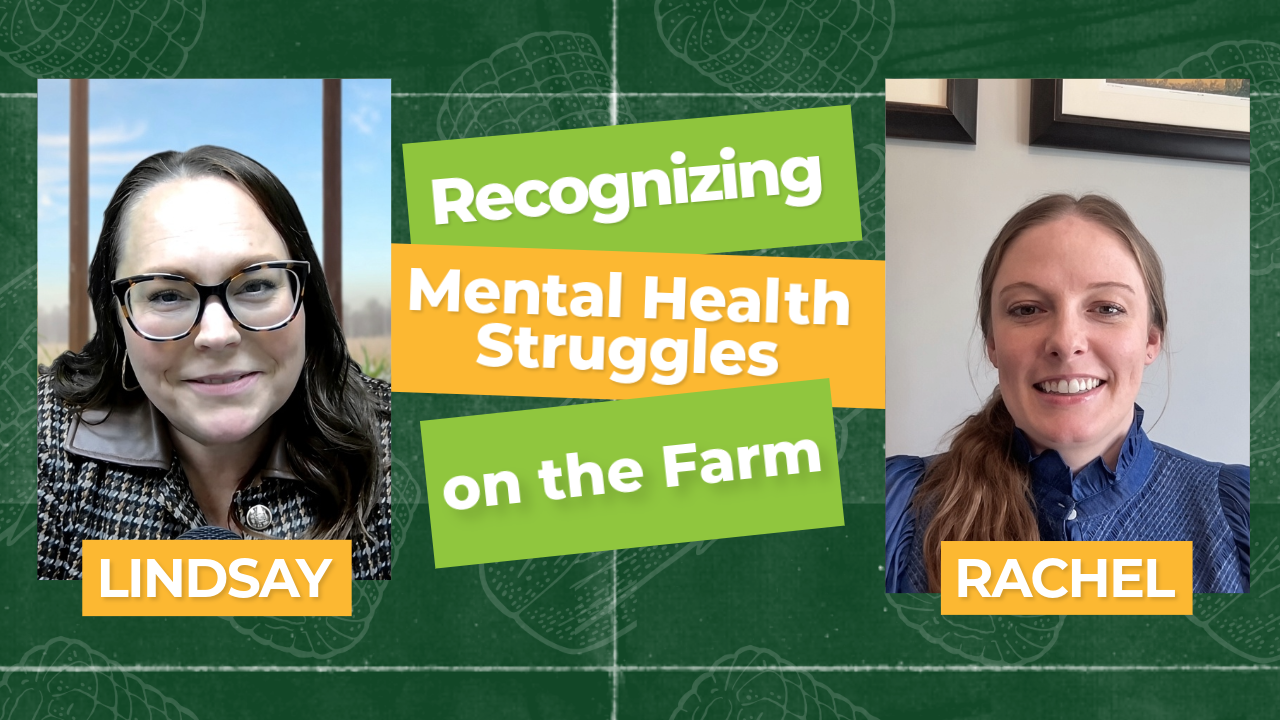
Would you know if a farmer you care about was quietly struggling? Farm SOS counselor Rachel Brown shares the warning signs.
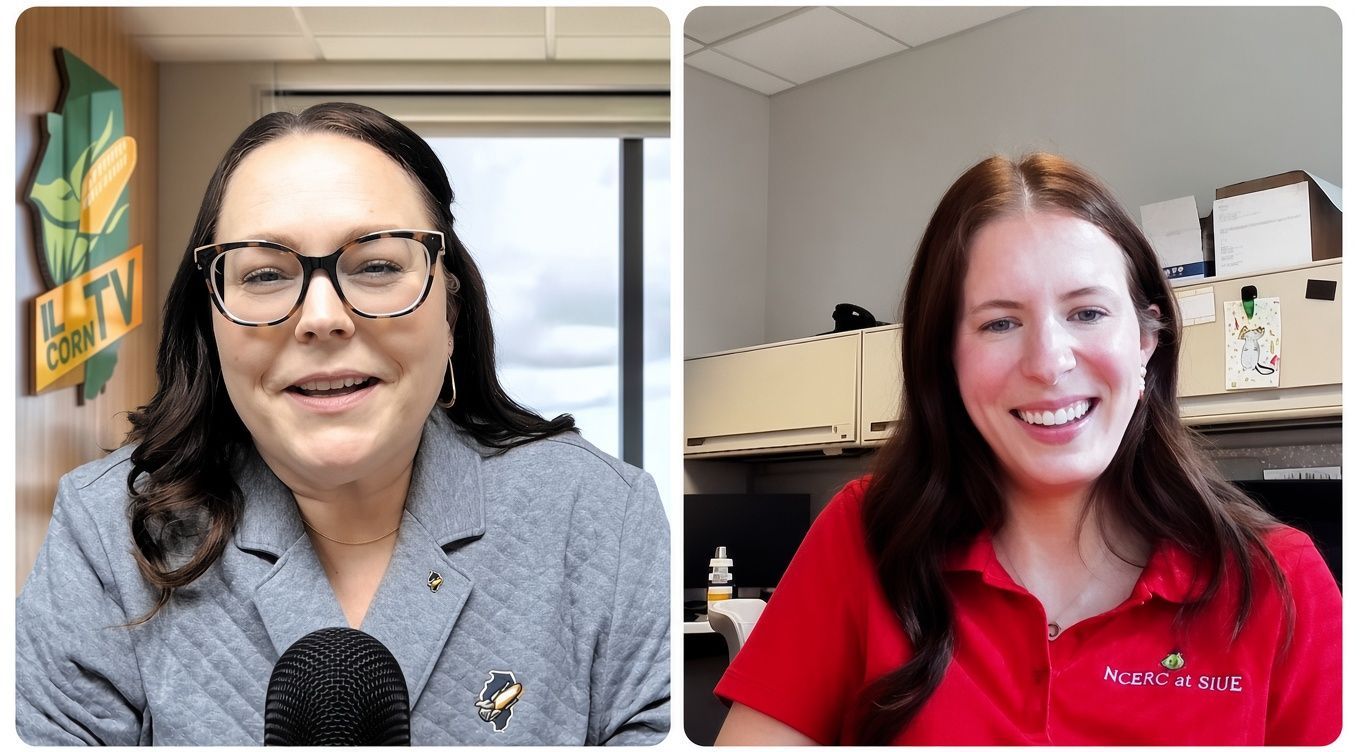
NCERC research fellow Brooke Wagner shares how IL Corn-funded research at SIUE is creating new uses for Illinois corn. Watch on IL Corn TV.
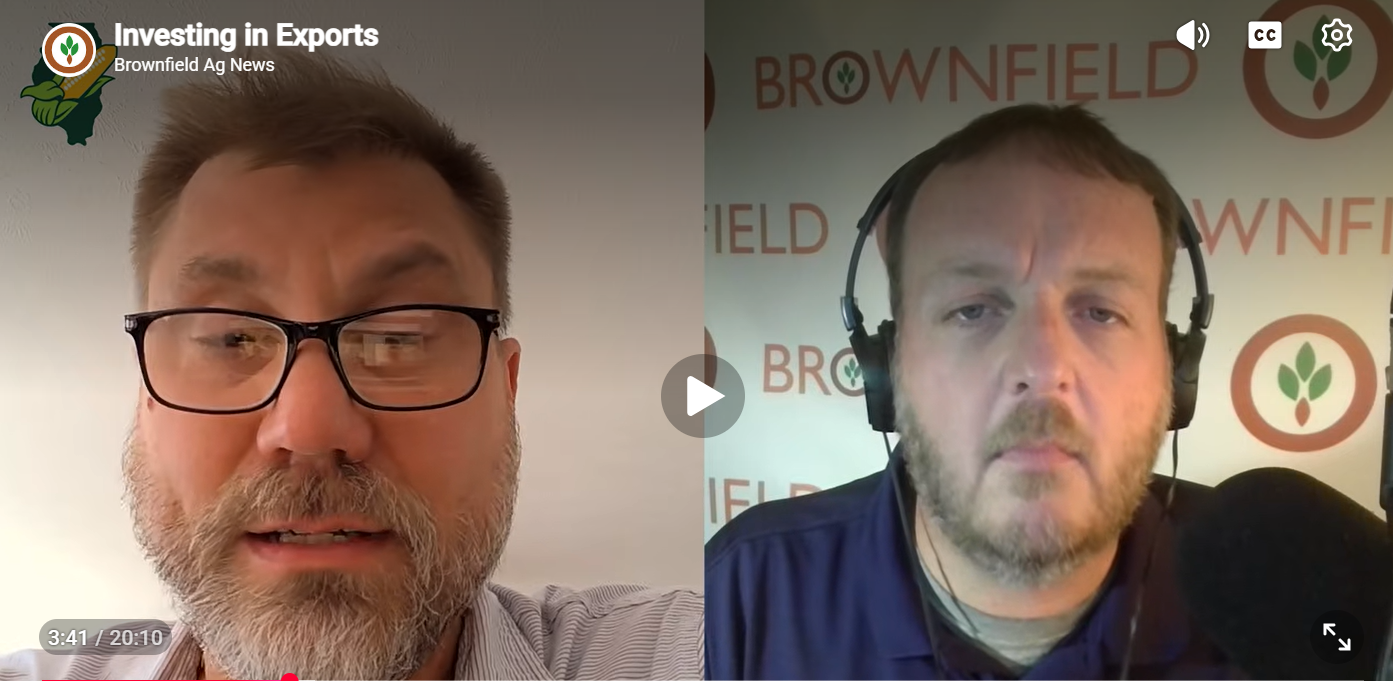
IL Corn’s Collin Watters tells Brownfield how trade team visits, ethanol demand and USMCA help move Illinois corn to markets worldwide.
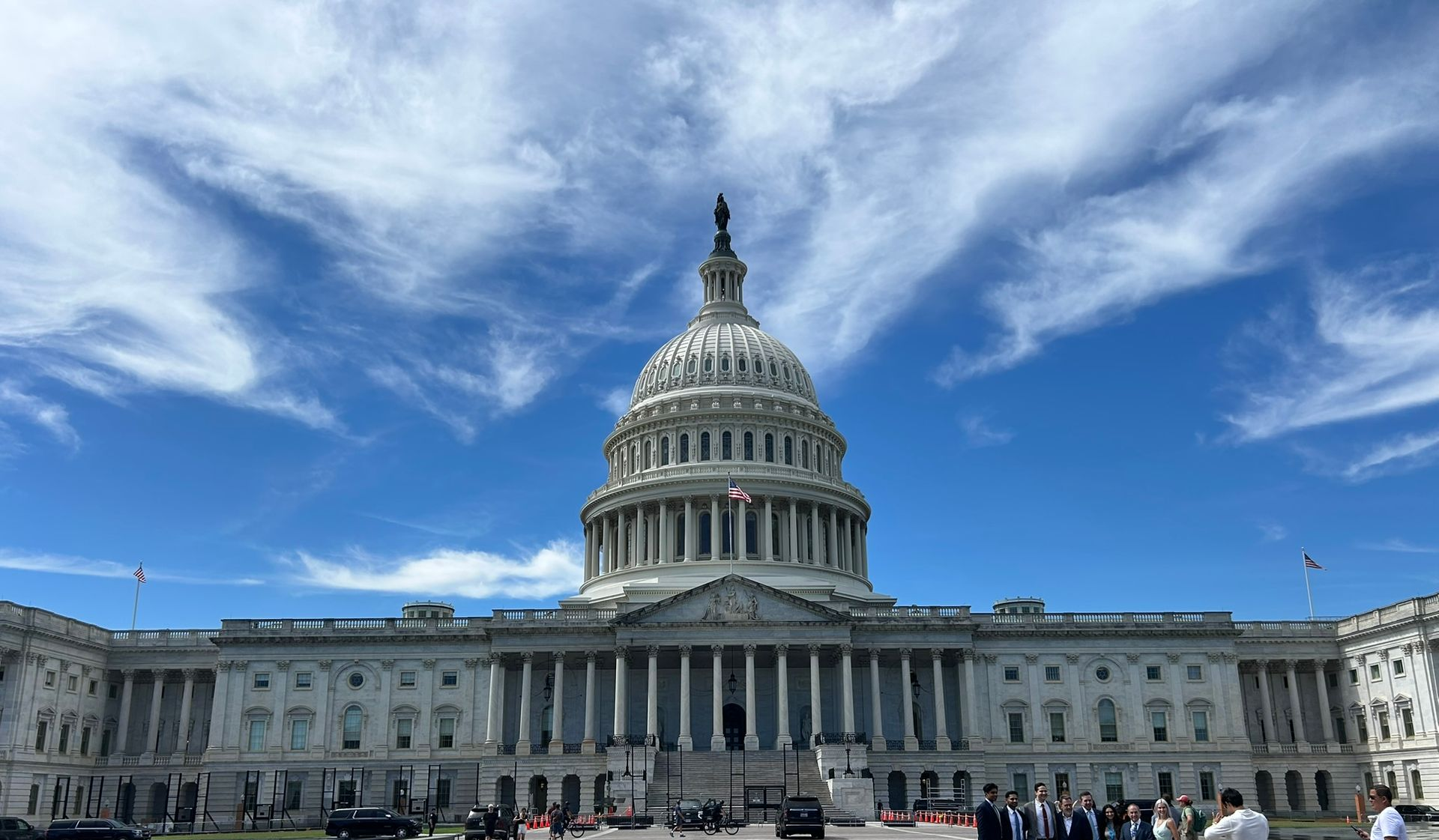
Congress returns to Washington, D.C. this week, with several unfinished legislative priorities that remain important to Illinois corn farmers and the future of agriculture.
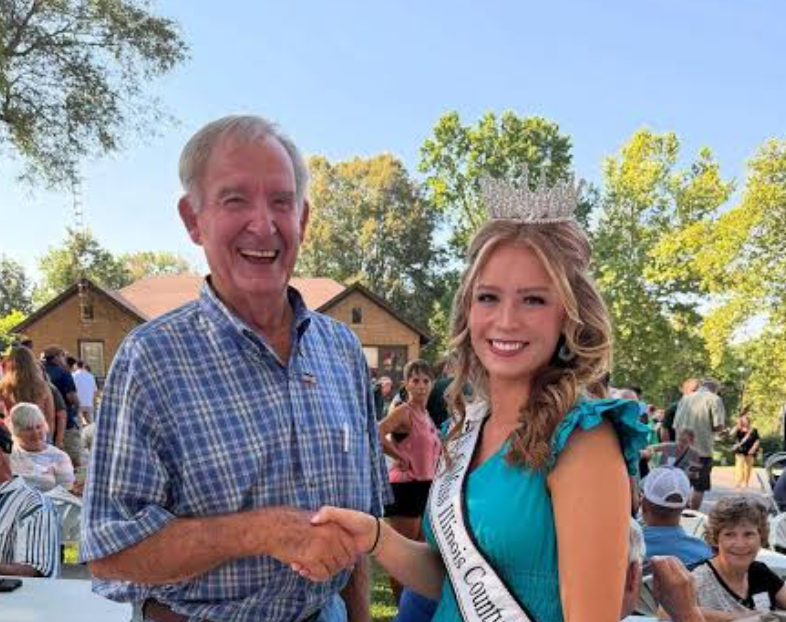
Farmer, family man and founding IL Corn board member, Joe Hampton helped give farmers a seat at the table. His influence is still felt decades later.

Applications are now being accepted for the 2027 Illinois Leopold Conservation Award.
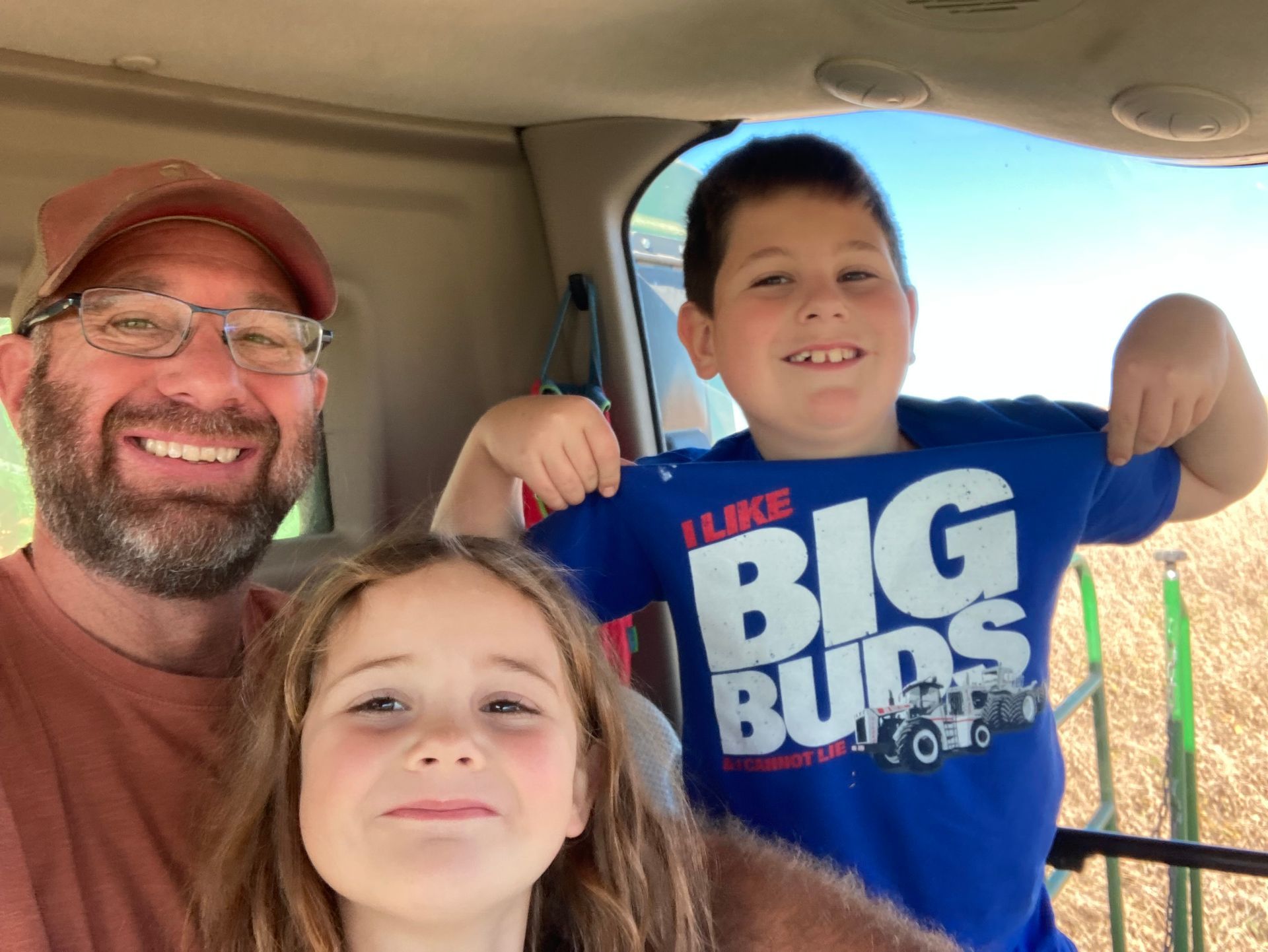
Jacksonville farmer and ICGA member Doug Coop served 20 years in the Army. Here's how service shaped his life, his family and his farm.