As the legislative session adjourned this week, lawmakers in Springfield passed legislation that creates strong regulations for carbon capture and sequestration (CCS) projects in Illinois. IL Corn and the Illinois Renewable Fuels Association (ILRFA) advocated for passage of the bipartisan piece of legislation, SB1289, the SAFE CCS Act, that will help move CCS projects forward safely and responsibly in Illinois while also protecting landowner’s rights.
“Having a seat at the table in these discussions is critical for the industry,” Victoria farmer and ICGA President Dave Rylander said. “All sides worked towards compromise in this legislation, which creates an additional regulatory framework around carbon capture and storage technology, CO2 pipelines, and provides landowner protections.”
Carbon capture and sequestration is an important opportunity for ethanol plants and corn farmers. The technology allows corn-based ethanol to lower its carbon intensity and qualify for additional clean fuel market opportunities like sustainable aviation fuel. IL Corn and IL RFA thank Gov. Pritzker and bill sponsors Rep. Ann Williams, Sen. Laura Fine, Rep. Jay Hoffman and Sen. Bill Cunningham for their leadership in bringing together the business community, environmental groups, organized labor, and agriculture interests to move this bill forward. The Governor plans to sign the bill into law as soon as possible.
Bill Summary
- The bill affirms that ownership of pore space in rock formations deep below the surface belongs to the surface landowner without severability.
- Relating to the capture and sequestration of CO2, the bill requires companies to secure at least 75% of the pore space area around sequestration sites before they can petition to initiate the unitization and amalgamation process for the remaining pore space. The number increased to 75% from 71% during early negotiations. The process is administered by the IL Department of Natural Resources, not an eminent domain proceeding. The law also outlines extensive protections for non-consenting landowners. Non-consenting landowners will be paid at least an average amount of the per acre payment consenting landowners are paid for their pore space during injection over the lifetime of the well.
- The bill requires 30 years of additional post-injection air and soil monitoring at sequestration sites – which goes further than existing federal requirements.
- It requires companies to have extensive insurance policies to protect landowners and provides funding for local first responders and long-term liability coverage fund.
- On pipelines, the law includes a CO2 pipeline moratorium until the Pipeline and Hazardous Materials Safety Administration (PHMSA), which is the federal agency responsible for regulating the transportation of carbon dioxide in the US, finalizes updated safety rules for CO2 pipelines OR July 2026, whichever is sooner.
Additional Legislative Priority Updates
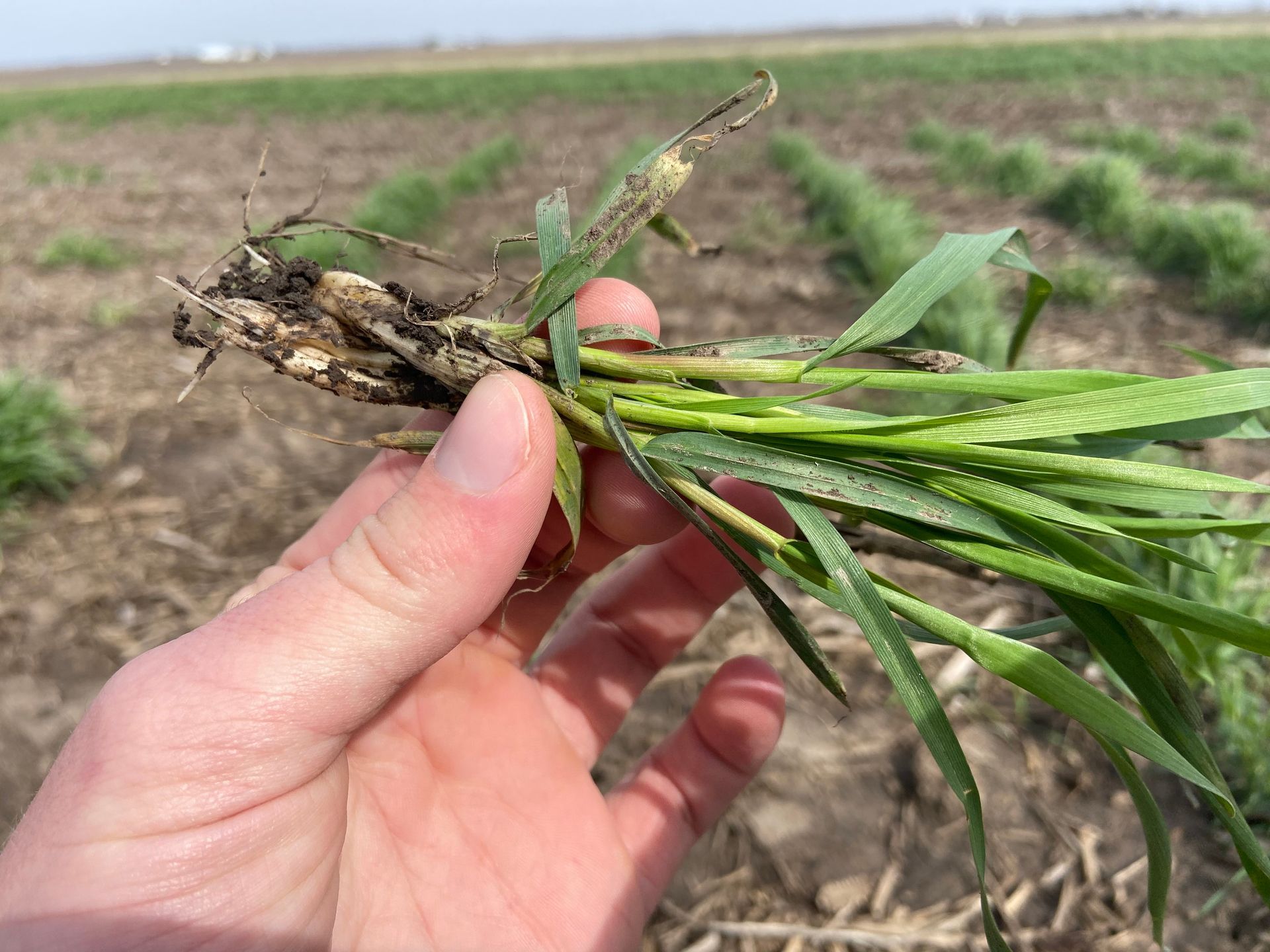
The budget passed with increased funding for the Illinois Department of Agriculture’s Fall Covers for Spring Savings (FCSS) program and continued funding for the National Corn-to-Ethanol Research Center (NCERC) at Southern Illinois University Edwardsville, both were priorities and victories for IL Corn. The FCSS program incentivizes farmers through a $5 per acre crop insurance premium discount to plant cover crops between growing seasons. Over the past several years the program’s demand outpaced available funding with over 40,000 acres unable to participate in the program in 2023. Through a successful lobbying effort from IL Corn, Illinois Soybean Association, Illinois Farm Bureau (IFB), and American Farmland Trust, the program received an additional $300,000 in funding this year bringing the funding amount total to $960,000 up from $660,000. The increased funding moves us one step closer to achieving our goal of enrolling 500,000 acres in the program. In addition to FCSS, the budget maintained NCERC’s current funding levels at $1 million. Funding for the 20-year national research center dedicated to biofuels, biochemicals and bioproducts ensures that NCERC will continue to remain on the cutting edge of technology research and development.
Also, during the legislative session, IL Corn worked with a broad coalition of opponents to stop SB771 from progressing in the Senate and House. SB771 granted the Illinois Department of Natural Resources broad regulatory oversight over Illinois wetlands and small streams, which are already regulated under the Federal government’s “Waters of the United States” ruling. As currently written, IL Corn opposes SB771 and will continue to advocate for a seat at the negotiating table to ensure that agriculture concerns are addressed in future legislation.
Finally, over the past several years, IL Corn has seen many bills introduced in the General Assembly that would adopt California emission standards in Illinois. We have opposed these bills with other industry groups that would be detrimental to our state’s overall economy and negatively impact our renewable fuels industry. Our team took a different approach this year and instead proactively worked to draft a Clean Fuel Standard in Illinois that would benefit farmers and the renewable fuels industry. We worked with Sen. Dave Koehler on SB1556, which is legislation that allows renewable fuels to help reduce carbon emissions in the transportation sector. IL Corn and IFB worked closely with legislators to draft workable language that included several changes such as requiring the use of the GREET model for calculating carbon intensity and ensuring that farmers were fairly compensated for their voluntary on-farm agriculture practices that benefit soil health and water quality. Over the next several months, prior to veto session, we will continue to work with legislators and stakeholders to ensure that SB1556 conversations progress and our team always has a seat at the negotiating table.