As July Ushers Heat and Controversial Issues into the Nation’s Capital, I am looking forward to a Cool Corn Congress

June 28, 2022

As news events such as Roe v. Wade and gun legislation have been dominating much of the debate in Washington this summer, we at the National Corn Growers Association have been working to attract the attention of policymakers so that we can elevate the agricultural policies that are important to our membership.


That’s one of the many reasons I am so excited about the upcoming Corn Congress, which will be held in the nation’s capital July 11-14. It provides us an opportunity to take passionate and deeply knowledgeable corn grower leaders to Capitol Hill in mass and get them in front of some of Washington’s key decision-makers.


This year is particularly special, as it is the first time in two years that we have been able to meet in person in the nation’s capital. There is something special that an in-person connection offers that Zoom just can’t. And we have a lot to talk about with our members of Congress.


We will discuss biofuels issues, such as asking lawmakers to co-sponsor the Next Generation Fuels Act, which paves the way to higher ethanol blends in America's fuel supply. And as the International Trade Commission debates duties on nitrogen fertilizers and the Environmental Protection Agency considers restrictions on atrazine, corn grower leaders will be talking about how critical it is that farmers have access to the tools necessary to continue to do more with less. 

Corn Congress, composed of over 100 grower delegates from corn-producing states, is held twice a year and allows the organization’s leaders to gather, talk about the issues facing our industry, and vote on policies that guide the association. This month, Corn Congress delegates will debate and vote on the organization’s priorities, which are likely to drive our positioning for the upcoming farm bill.

This discussion will be important, as the farm bill is authorized every five years and includes major programs impacting farmers, from conservation programs to crop insurance to international trade and more. Therefore, being involved in the debate on this bill will be critical to the future success of corn growers and other farmers.

We also want to use Corn Congress as an opportunity to educate NCGA’s members on the coalition necessary to pass a farm bill, especially in such a partisan environment.

That’s why I will be moderating a discussion on the farm bill with former North Dakota Senator Heidi Heitkamp, former USDA Secretary Dan Glickman and former FSA Administrator Richard Fordyce. I look forward to asking these policy veterans what they have learned as they’ve crafted previous farm bills. I am particularly interested in learning how we can apply the lessons they’ve learned to the debate on the upcoming legislation.


Be on the lookout for details from the panel discussion and on updated policies made at Corn Congress in my August column. In the meantime, here's to cooler temps, in-person meetings, great advocacy and to shaping major ag legislation.

Here is to Corn Congress!

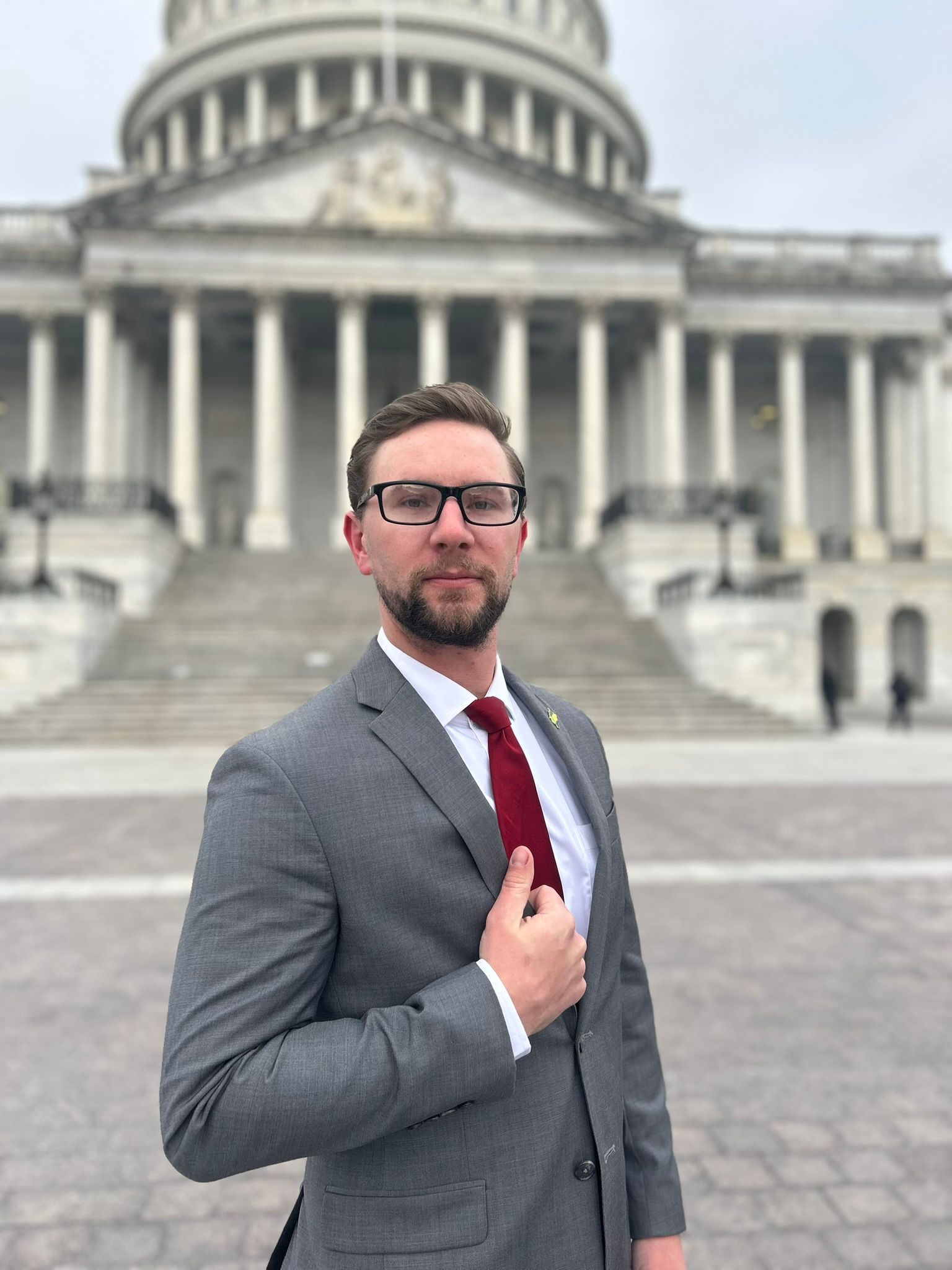
Appleton is vice president of public policy at the National Corn Growers Association. 

Baby with Corn Plastic Food Containers
By Pearl McDade June 12, 2026
Explore how corn is converted into PLA bioplastic for cups, food packaging, and 3D printing as demand grows for sustainable materials.
PCMthumbnail
By Tara Desmond June 11, 2026
PCM's 2026 Data Book, featured in this week's Prairie Farmer, shares 11 years of field data proving conservation and profitability go hand in hand.
By Tara Desmond June 11, 2026
How much do you know about the farmers who came before you and the decisions that still shape Illinois agriculture today? That's what University of Illinois student Lyndon Shi set out to explore during his internship with IL Corn . What began as an archival research project became a deeper look at the history of farmer leadership, innovation and advocacy in Illinois. While digging through university archives, Lyndon uncovered an undigitized manuscript from agricultural economist Harold Guither explaining the case for checkoffs. When he mentioned the discovery to IL Corn Director Rod Weinzierl, he got an unexpected response: "Oh yeah, I know him. We worked with him." It was a reminder that agricultural history isn't as distant as it may seem. Lyndon's research connected two eras of the IL Corn Growers Association: the original organization founded in the 1890s and the modern ICGA established in the 1970s. He learned how University of Illinois agriculture dean Eugene Davenport helped organize corn growers and sent professors across the state on "Corn Gospel Trains" to share the latest farming research. One story stood out in particular: the adoption of hybrid corn. Farmers who once judged corn by the appearance of the ear had to shift their focus to yield. Lyndon sees a similar transition today, as farmers increasingly balance yield with profitability amid rising input costs. "Illinois corn farmers are very good at organizing, and they are genuinely very grassroots," Lyndon said. "They've had a much more active role in shaping policy rather than just being on the receiving end." This Summer and Fall, Lyndon will travel to Taiwan on a federal scholarship to study food security. He'll do so with a new appreciation for Illinois agriculture's global connections, including Taiwan's longstanding role as an important trading partner. Watch the full conversation on IL Corn TV to hear Lyndon's research firsthand and discover how Illinois corn's history continues to influence the future.
Matt at USAPEEC Strategic Conference
By Tara Desmond June 11, 2026
IL Corn director Matt Raben was elected to USAPEEC's executive committee at the organization's 37th Annual Meeting this week.
Green world map with black curved arrows linking North America to Europe and Asia
By Lyndi Allen June 11, 2026
As one of the nation’s top agriculture exporters, Illinois ships corn to buyers across the globe—but where is it all going
Brian
By Tara Desmond June 11, 2026
Funk's Farm manager Brian Bangert explains the farm's 200-year history, the origins of Funk's G Hybrid, and how corn powers their cattle operation today.
Show More