
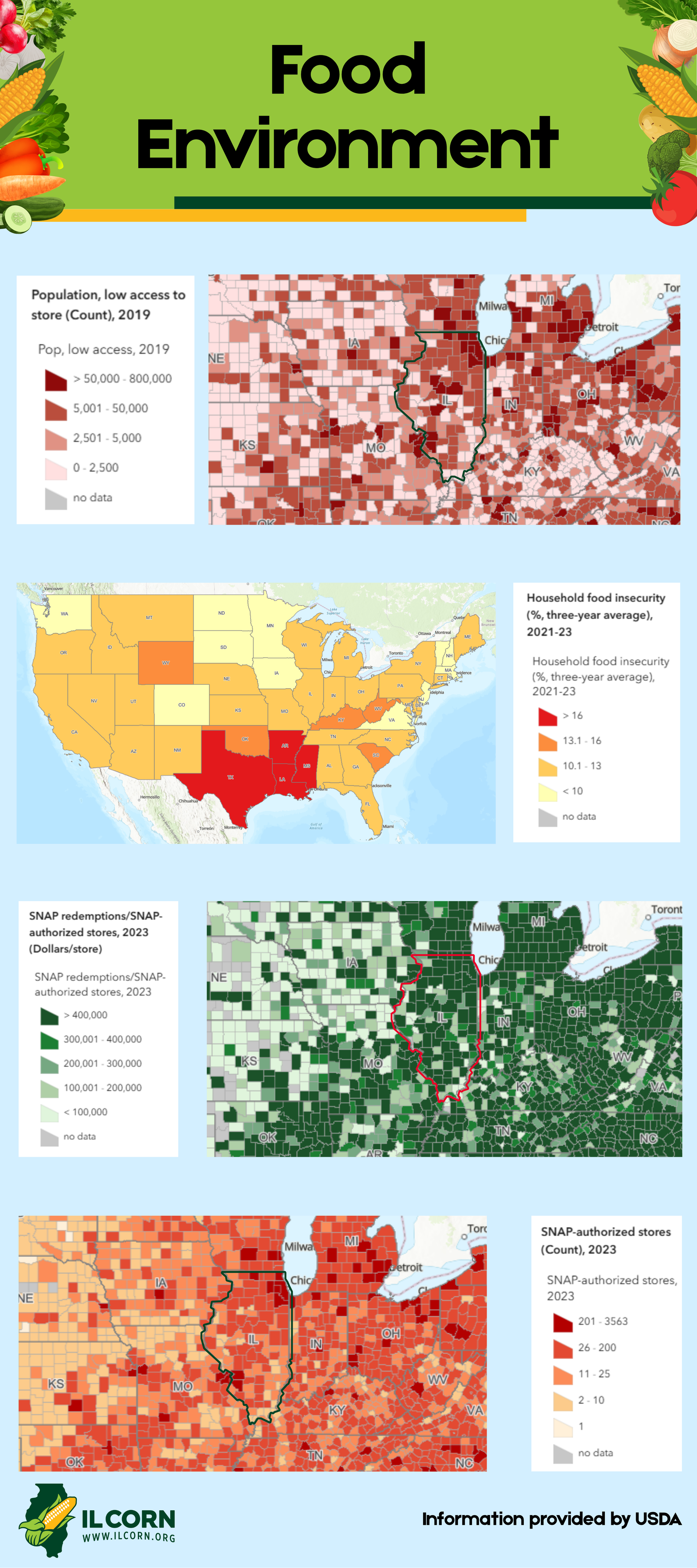

Food Environment Atlas

Lyndi Allen
August 7, 2025

Mapping Food Access, Availability, and Community Health Nationwide

Food environment factors—such as store and restaurant proximity, availability of local foods, food and nutrition assistance programs, and community characteristics—interact to influence food choices and diet quality.


The objectives of the Food Environment Atlas are:

  • to provide a spatial overview of a community's ability to access healthy food and its success in doing so, and
  • to assemble statistics on food environment indicators to stimulate research on the determinants of food choices and diet quality.


View the map here on U.S. Department of Agriculture (USDA)'s website

A poster about the food environment, with maps showing data of various crops.
Illinois officials at NCERC news conference
By Lindsay Croke • October 9, 2026
A $15 million investment in NCERC at SIUE will expand the facility and provide opportunities for new bioproducts using corn to scale to commercialization.

National Corn to Ethanol Research Center proposed expansion
By Lindsay Croke • October 9, 2026
Fully funding an expansion of NCERC at SIUE will allow the testing and trials required for new corn products to scale in Illinois.

U.S. Meat being showcased in Tokyo
By John Klemm & Tara Desmond • October 8, 2026
DeWitt County farmer John Klemm shares how exporting beef helps corn and an early look at a slow, wet start to his 2026 harvest.
Corn kernels
By Lindsay Croke • October 8, 2026
Illinois corn farmers are grateful for Governor Pritzker’s effort to lower diesel prices for farmers this fall.
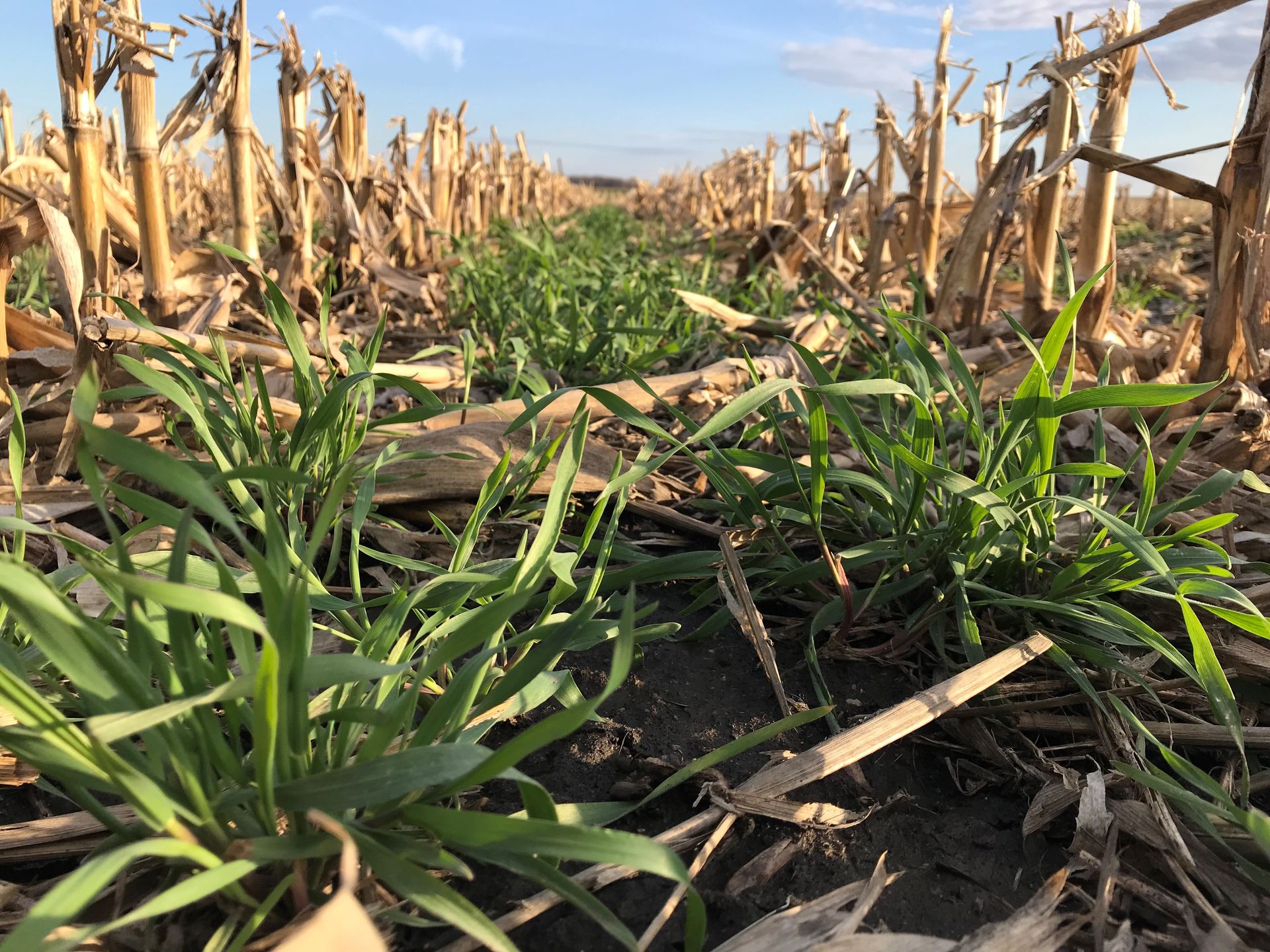
cover crops in the field
By Summary from PCM / Farmdoc Webinar • October 8, 2026
Precision Conservation data shows growing cover crops costs Illinois corn farmers $27.30 an acre to deliver carbon benefits. See how conservation payments compare.
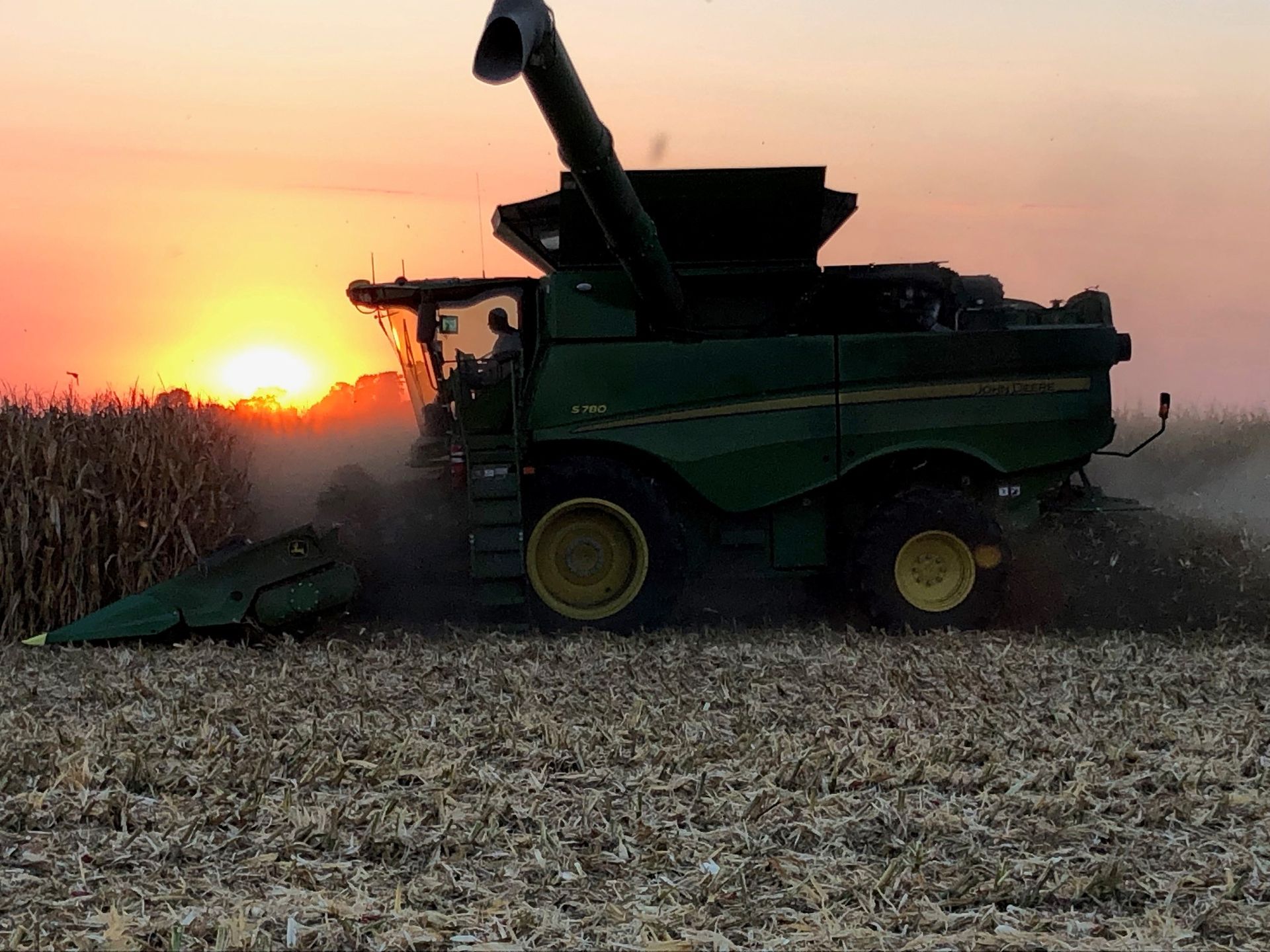
Green combine harvester in a field at sunset, with the sun low on the horizon.
By Lyndi Allen • October 8, 2026
Recent federal and state actions provide potential relief for Illinois farmers facing high costs during harvest, including diesel fuel and grain storage.
Show More