


Meet the Robot Changing How Illinois Farmers Fight Weeds


By Tara Desmond • May 21, 2026

What if your sprayer never needed a driver and used 90% less chemical in the process? That's not a far-off vision. It's already rolling through cornfields across the Midwest.


On the latest episode of IL Corn TV, host Shane Gray welcomed Taylor Wetli, US Commercial Manager for Solinftec, to talk about the Solix Autonomous Sprayer — a solar-powered, AI-driven robot that's quietly rewriting the rules of weed management.


Solix moves across fields on a 40-foot boom equipped with eight cameras, each controlling three independent nozzles. Onboard, Solinftec's proprietary "Alice AI" runs in real time, identifying weeds among corn and soybean plants at every growth stage and in varying soil and tillage conditions. The result? The robot sprays everything that isn't the crop and only that. Depending on weed pressure, growers are seeing chemical reductions anywhere from the seventies to the high nineties, all from a unit with just a 56-gallon dual-tank system.


Because it's solar-powered and charges a lithium-ion battery as it works, Solix can run day and night. That expanded time window is one of the key advantages Wetli highlighted — the ability to get out early, spray often, and never let weeds like waterhemp get a competitive foothold in the field.


The fleet model is another mindset shift. Rather than one massive machine covering thousands of acres, Solinftec recommends one unit per 300–400 acres. A 2,000-acre operation might run four or five units simultaneously, with the added resilience that rain or downtime in one area doesn't shut down the whole operation.


The technology is currently available in about a dozen states, and Solinftec is actively working with organizations like the Association of Equipment Manufacturers on targeted application standards that could tie into future farm bill language.


Watch the full episode below to learn more about Solix.


Not a member?

Become one today!

SHARE THIS

Latest Posts

Illinois officials at NCERC news conference
By Lindsay Croke • October 9, 2026
A $15 million investment in NCERC at SIUE will expand the facility and provide opportunities for new bioproducts using corn to scale to commercialization.
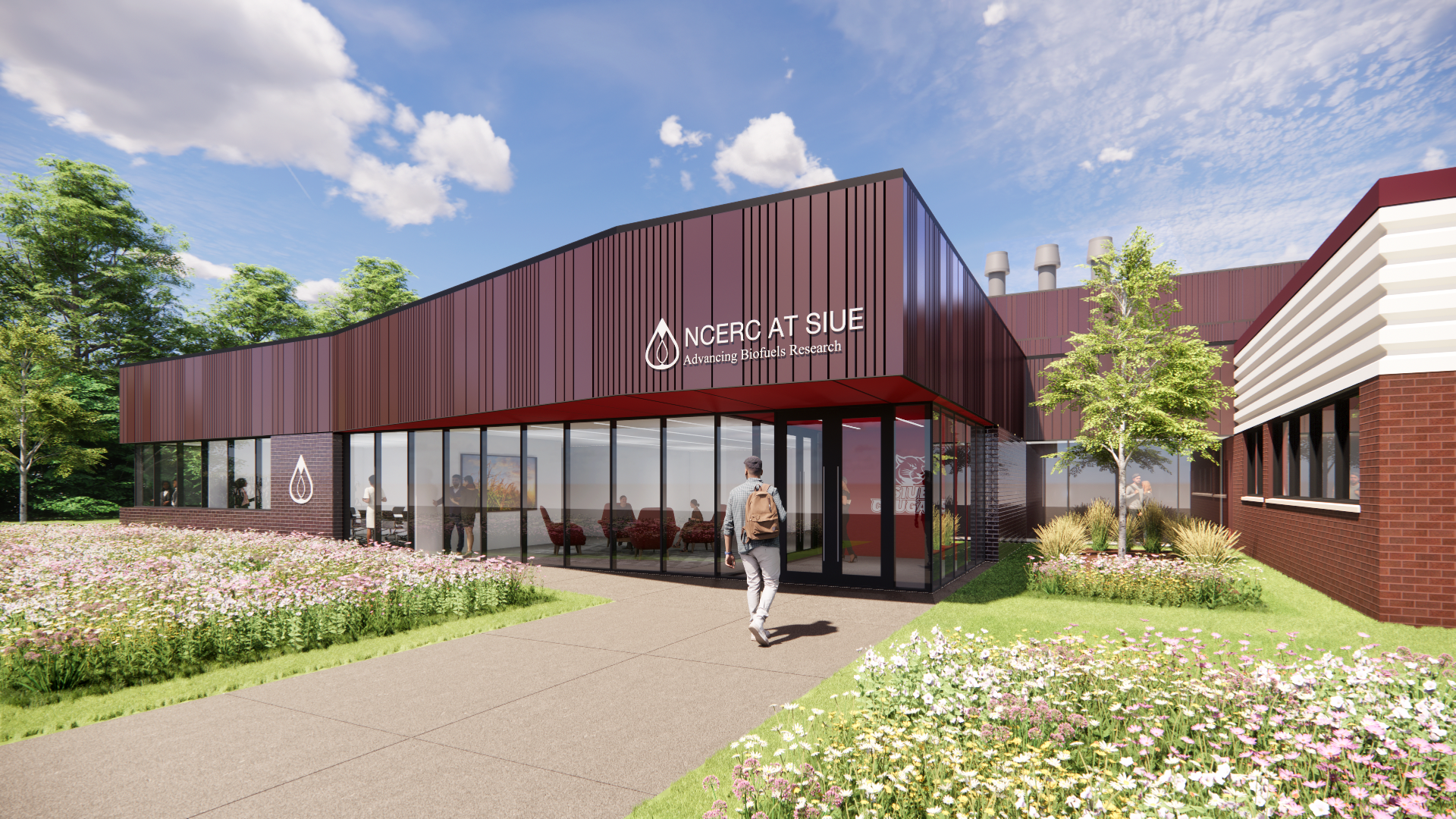
National Corn to Ethanol Research Center proposed expansion
By Lindsay Croke • October 9, 2026
Fully funding an expansion of NCERC at SIUE will allow the testing and trials required for new corn products to scale in Illinois.

U.S. Meat being showcased in Tokyo
By John Klemm & Tara Desmond • October 8, 2026
DeWitt County farmer John Klemm shares how exporting beef helps corn and an early look at a slow, wet start to his 2026 harvest.
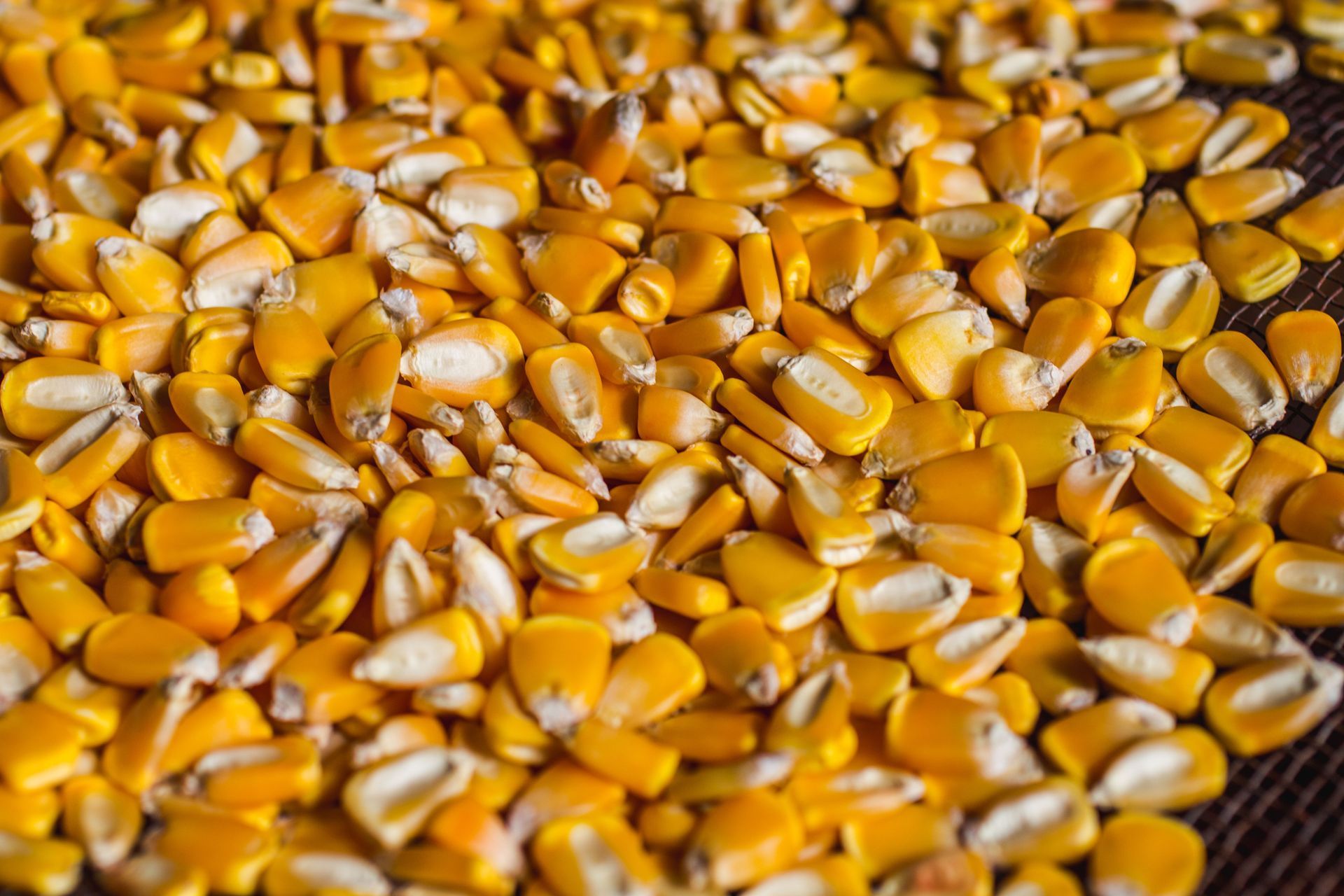
Corn kernels
By Lindsay Croke • October 8, 2026
Illinois corn farmers are grateful for Governor Pritzker’s effort to lower diesel prices for farmers this fall.
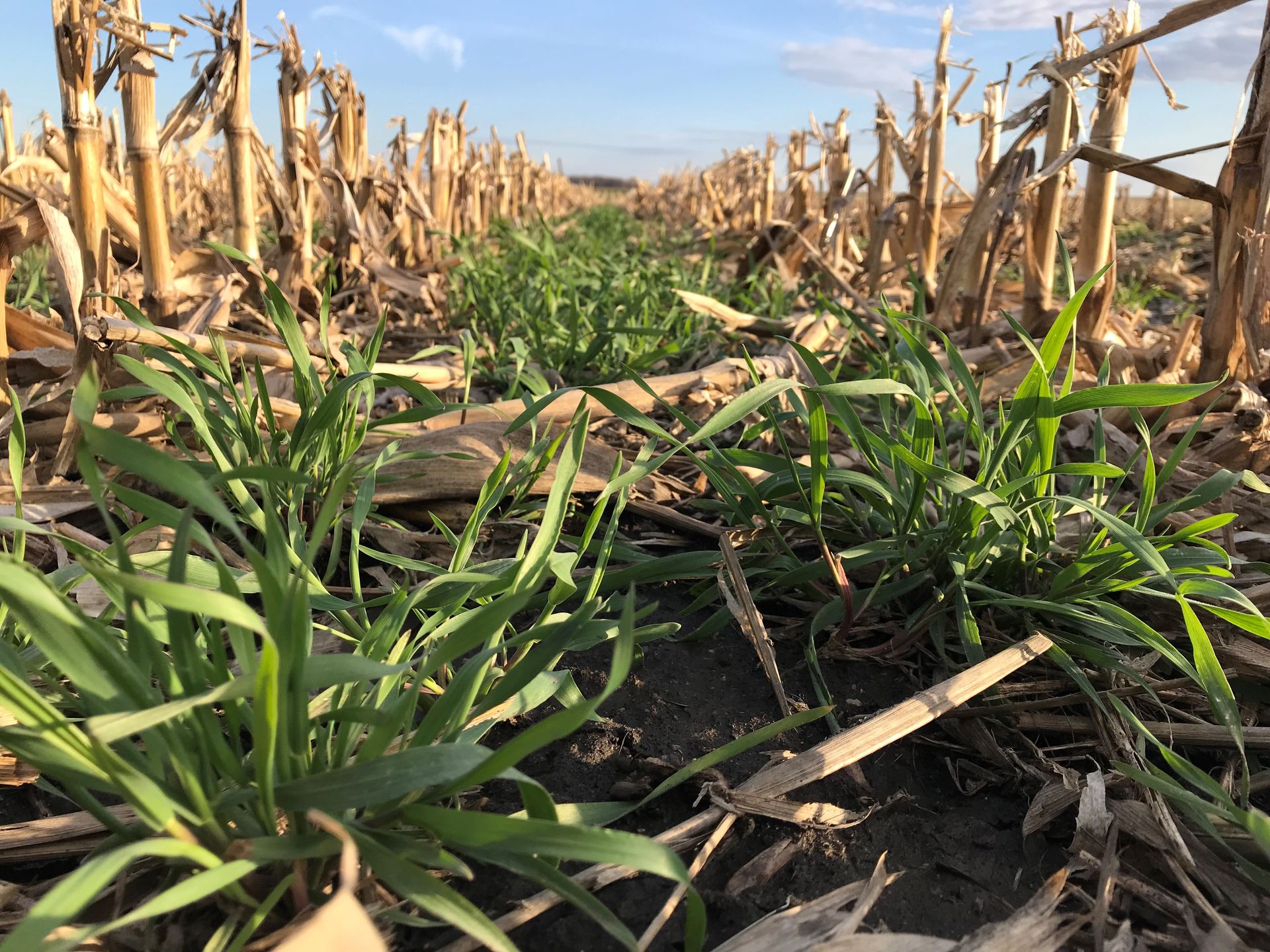
cover crops in the field
By Summary from PCM / Farmdoc Webinar • October 8, 2026
Precision Conservation data shows growing cover crops costs Illinois corn farmers $27.30 an acre to deliver carbon benefits. See how conservation payments compare.
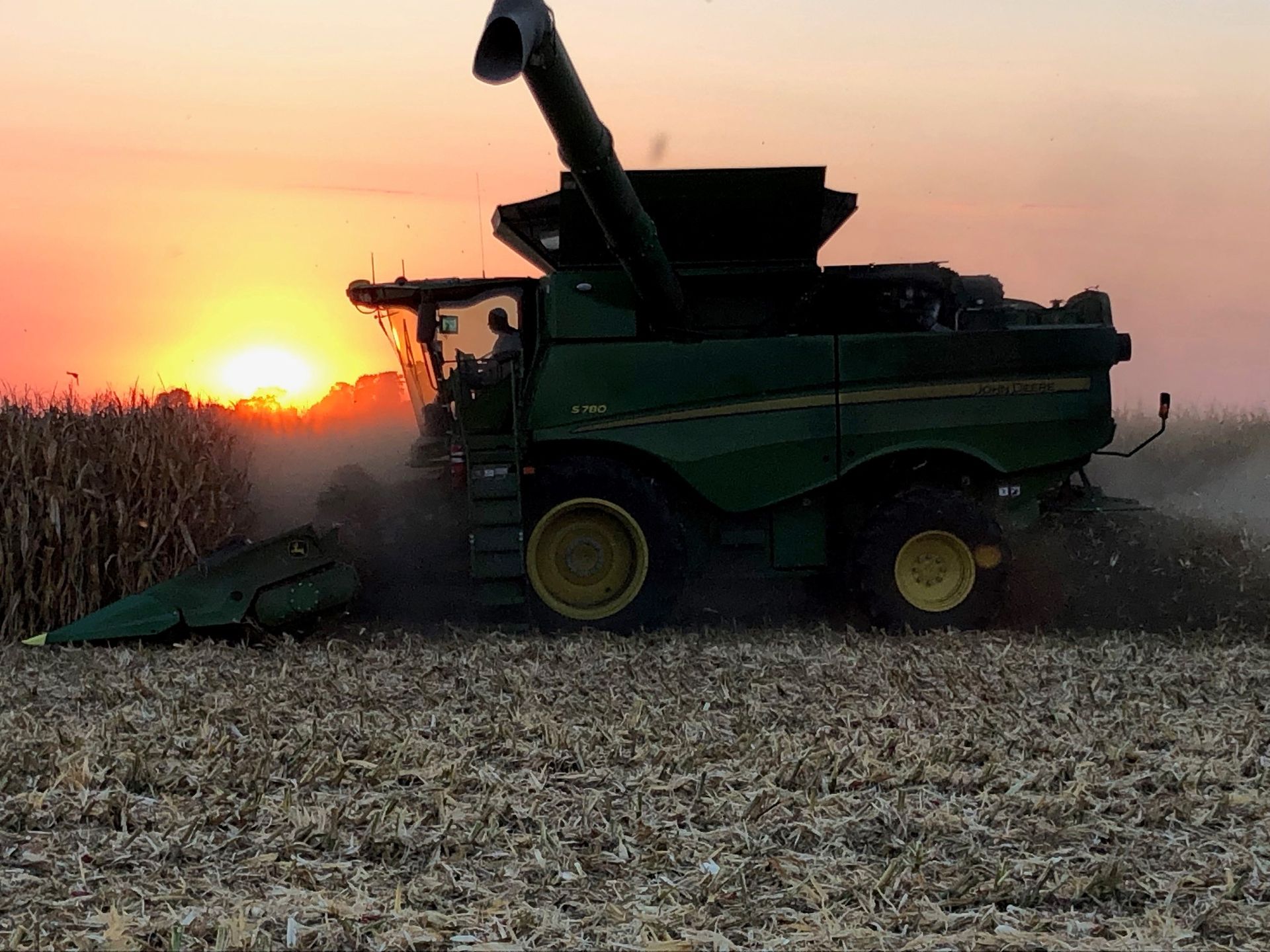
Green combine harvester in a field at sunset, with the sun low on the horizon.
By Lyndi Allen • October 8, 2026
Recent federal and state actions provide potential relief for Illinois farmers facing high costs during harvest, including diesel fuel and grain storage.
anhydrous tanks
By Tara Desmond • October 8, 2026
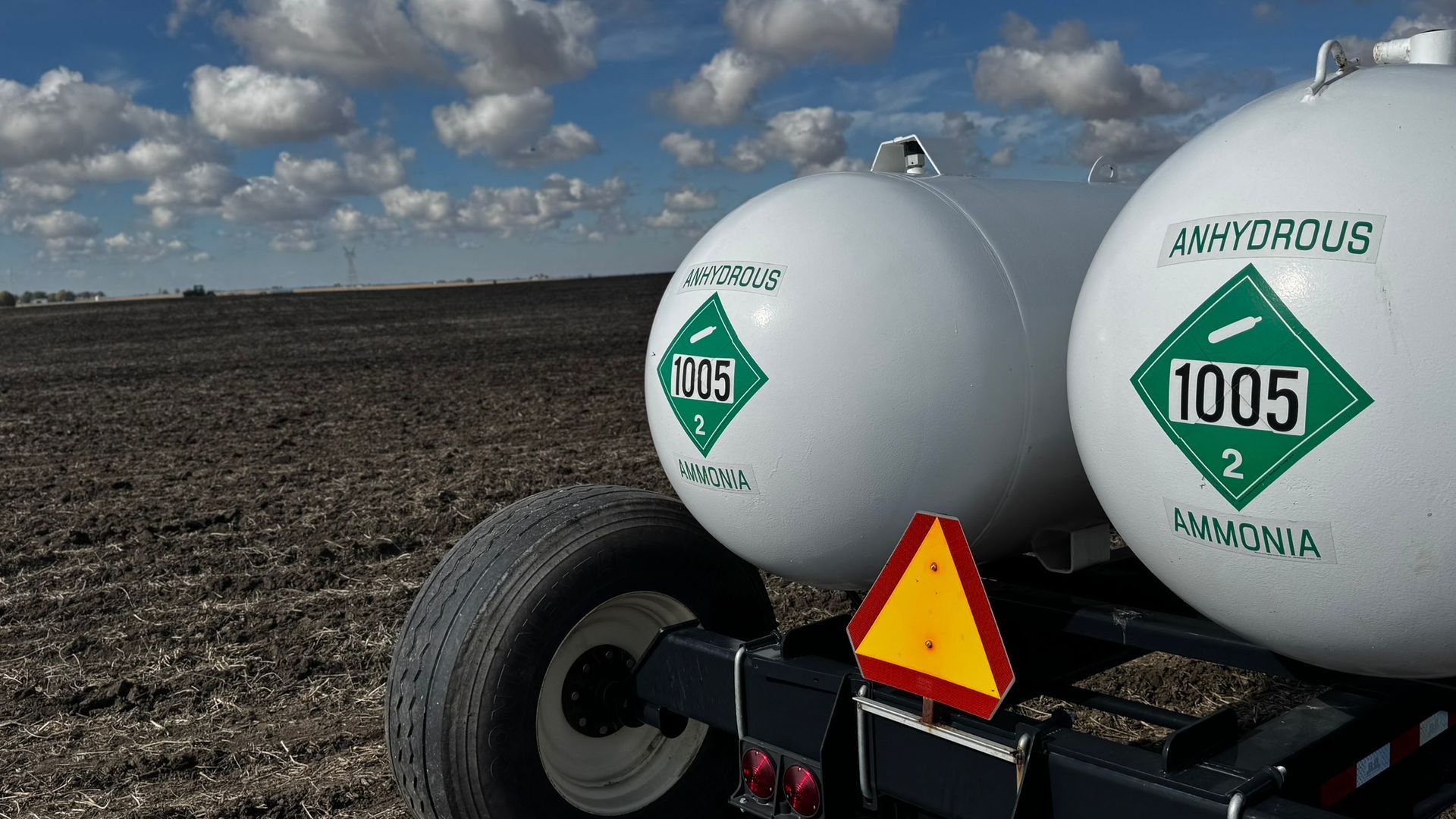
Wait for 50°F soil, watch the forecast, and give your N a chaperone. Seven fall nitrogen tips to keep your money in the field, not the creek.

Michelle and Shane
By Tara Desmond • October 5, 2026
Farm Babe shares how she got Burger King to drop an anti-cattle ad and why farmers' voices matter.

Shane, Gregg and Danna
By Tara Desmond • October 5, 2026
Carle Health nurses explain the free Vial of Life, a fridge-stored medical info kit that helps first responders act fast in a farm or home emergency.
Green combine harvester cutting corn in a dry field under a clear blue sky
By Lyndi Allen • October 1, 2026
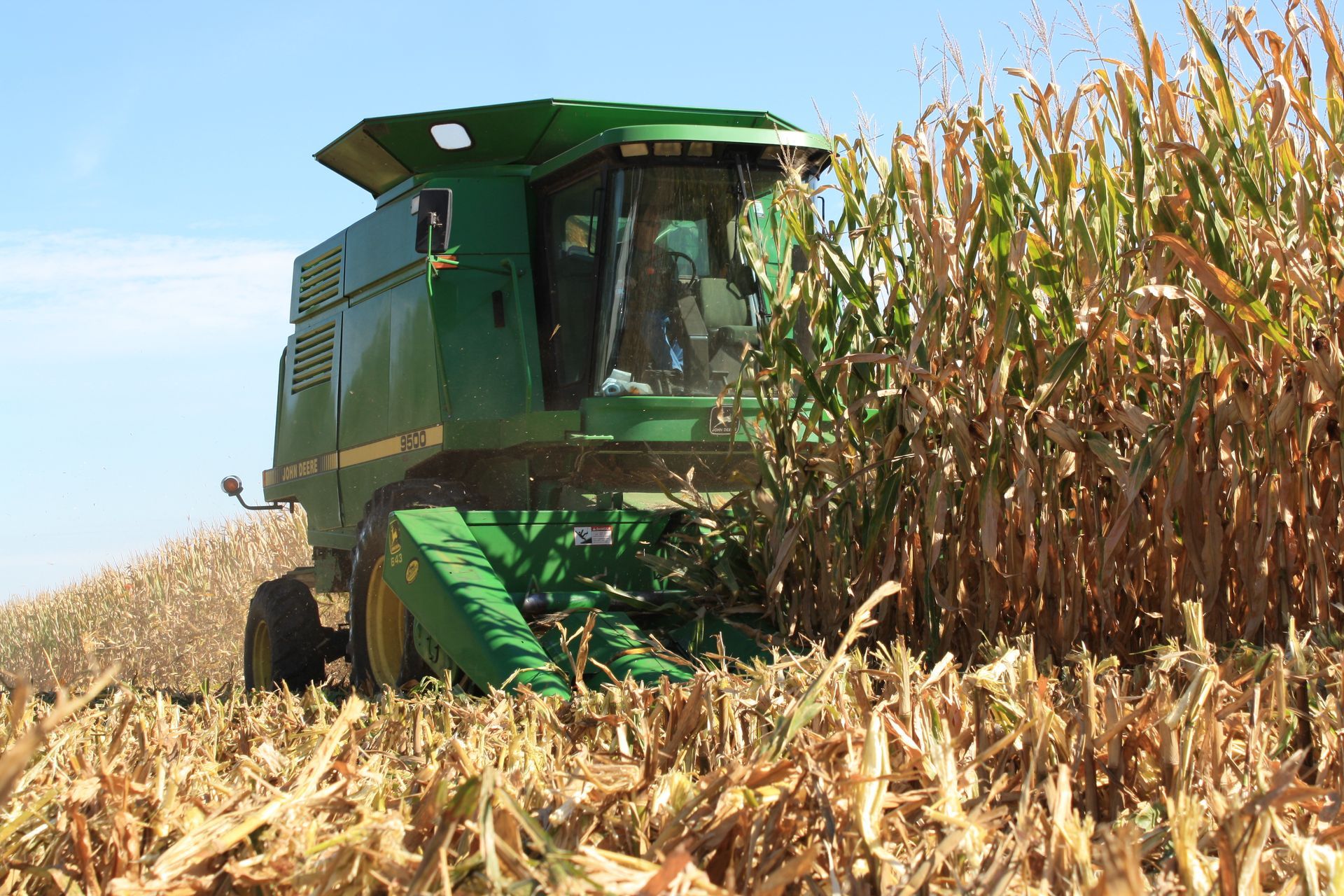
As Illinois farmers enter the harvest season, ICGA is asking state and federal policymakers to find ways to lower the cost of diesel fuel for farmers.
Show More