Conservation Practice Adoption a Focus During Rep Budzinski Visit to Illinois Farm

April 25, 2024
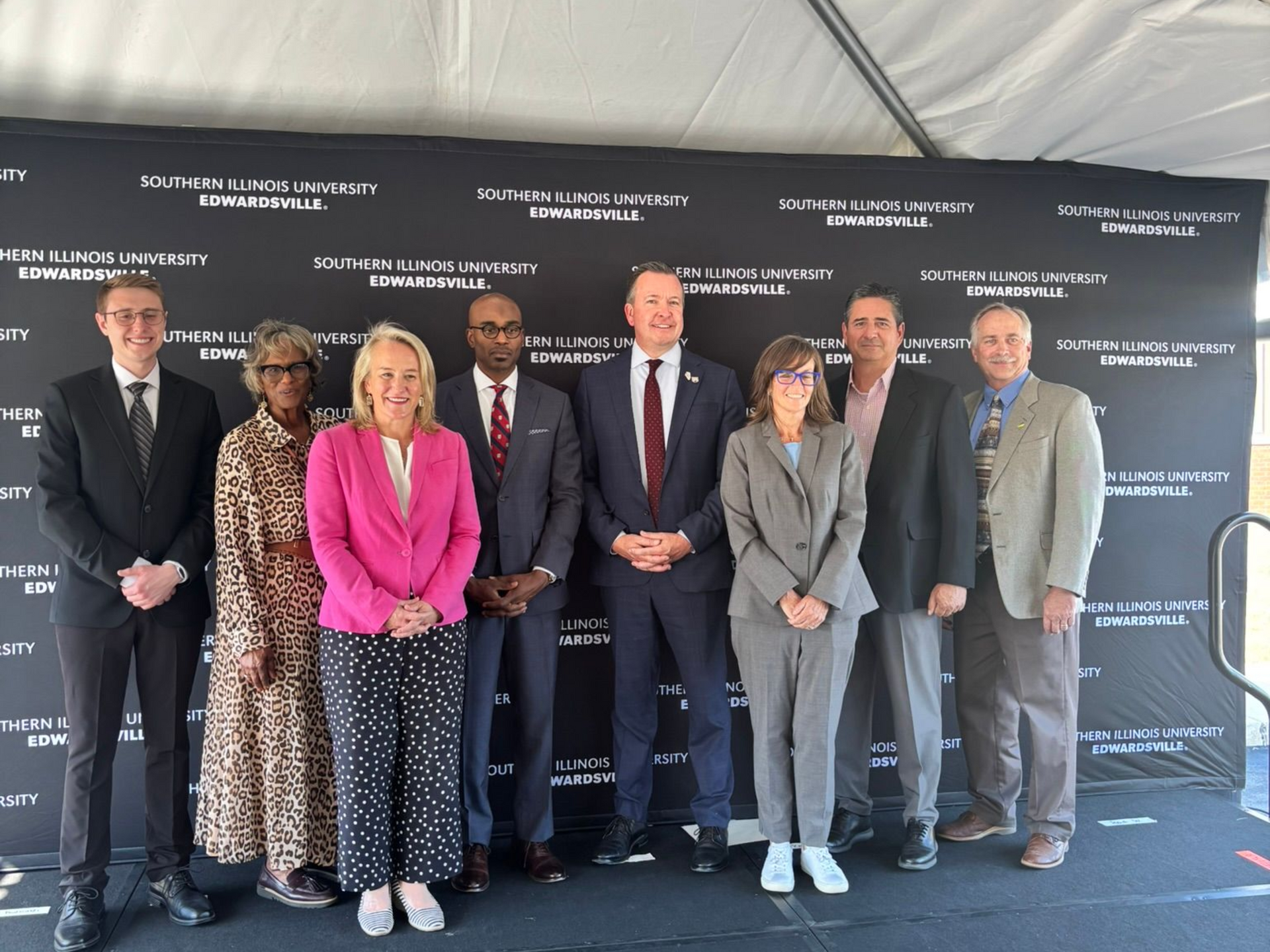
A collage of photos of a group of people standing next to each other in a room.

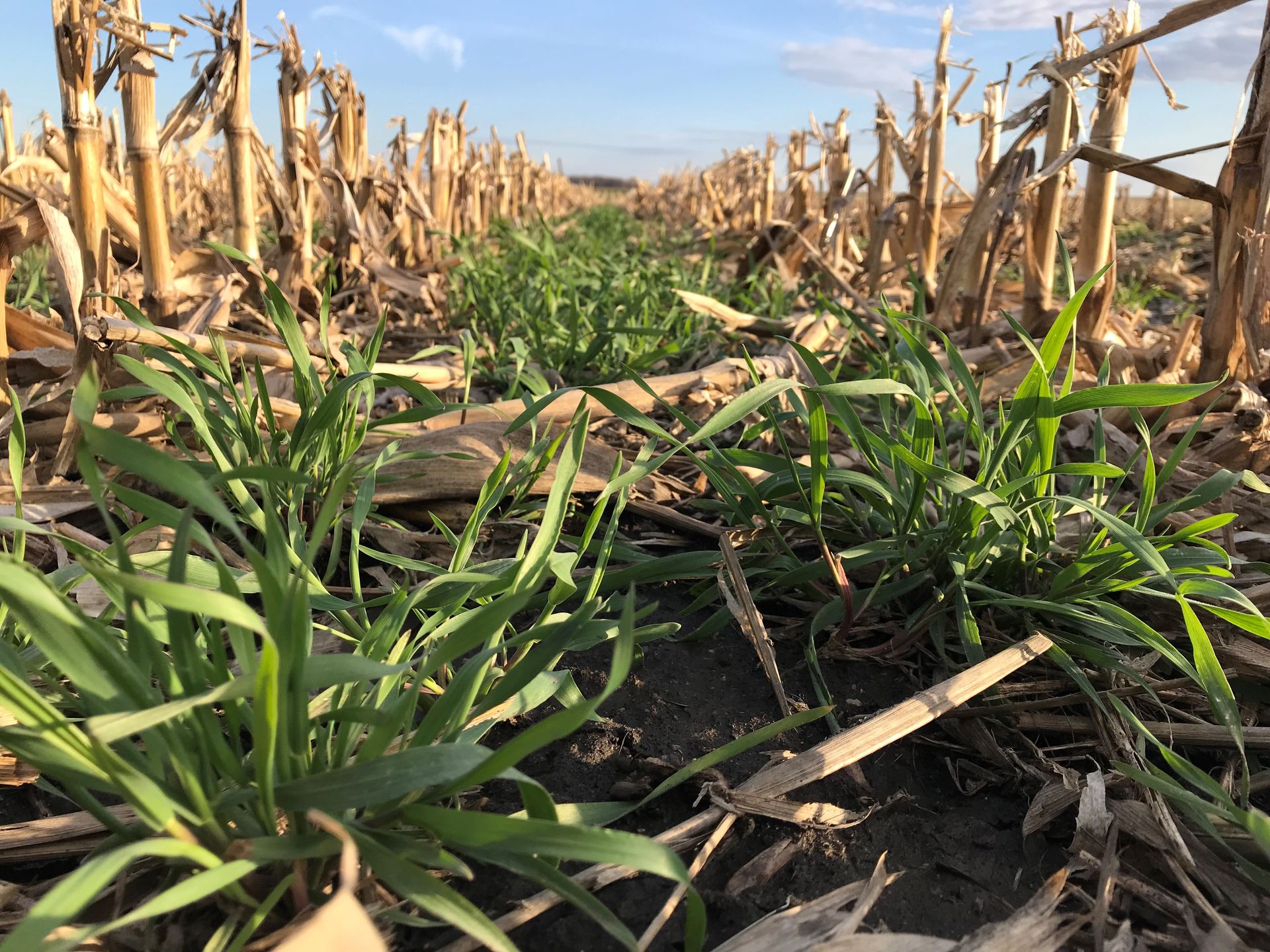
Congresswoman Nikki Budzinski visited the Bob and Mark Bunselmeyer Farm in Maroa, IL this week to learn more from Illinois farmers about conservation practice adoption. The visit featured an opportunity for the congresswoman to talk with Precision Conservation Management (PCM), IL Corn, and PepsiCo, an important PCM partner. 


To accomplish its sustainability goals, PepsiCo’s approach is to source crops and ingredients in a way that accelerates regenerative agriculture and strengthens farming communities. PepsiCo is one of the first major consumer packaged goods companies to work directly with farmers to create positive environmental change. 

Upon hearing the U.S. EPA announcement that it will issue a temporary waiver allowing access to lower-cost, lower-emission E15, the IL Corn Growers Association President Dave Rylander from Victoria issued the following statement:


“Increased access to higher blends of ethanol is a big win for everyone in Illinois. Of course, I think about corn farmers in Illinois and they will benefit from additional gallons of ethanol sold in our state and nation. However, non-farmers in our state will also feel good about the lower cost of E15 and the smaller environmental impact.


“We appreciate the U.S. EPA for issuing this temporary waiver allowing everyone the choice to fill up with E15 or Unleaded 88, a blended fuel of 15 percent ethanol and 85 percent petroleum fuel.


“There is a permanent fix for this problem sitting in Congress right now called the Next Generation Fuels Act. The bill permanently fixes this E15 access issue, while also cleaning up our transportation sector by allowing the use of homegrown, renewable fuels. The Next Generation Fuels Act will protect consumer choice to buy the cars you want to buy and have access to the fuels you need, without compromising our country’s greenhouse gas emissions goals. This bill remains a top priority for IL Corn.”


###


About the IL Corn Growers Association

IL Corn Growers Association is a state-based organization that represents the interests of corn farmers in Illinois, maintaining a high profile on issues in Washington, DC, and Springfield, IL. Through grassroots advocacy, ICGA creates a future for Illinois farmers in which they can operate freely, responsibly, and successfully. In order to fulfill this mission, the organization conducts governmental affairs activities at all levels, market development projects, and educational and member service programs. For further information regarding their work and involvement, visit their website www.ilcorn.org.


Dr. Yan Zhang, Justin Moore, Rod Weinzierl, Rep. Nikki Budzinski, Dr. Christopher Slaten, and Dr. Pr
By Lyndi Allen May 26, 2026
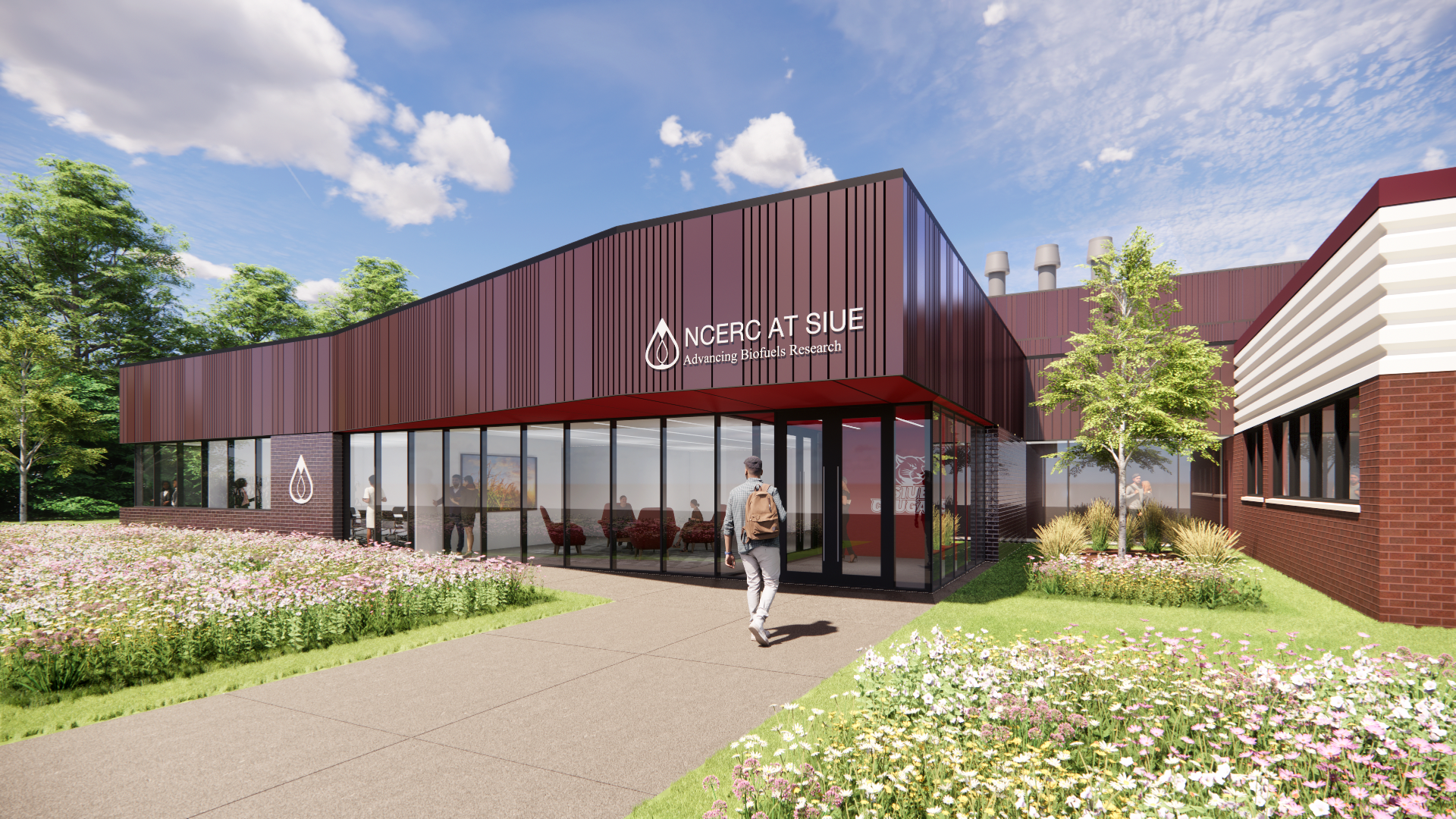
Congresswoman Nikki Budzinski is requesting federal funding for the National Corn-to-Ethanol Research Center through her Community Project Funding requests.
Shane and Taylor
By Tara Desmond May 21, 2026
Solinftec's Solix robot uses AI to target weeds in real time, cutting chemical use up to 90%. Solar-powered, autonomous, and built for Midwest farms.
Photo taken in McLean County Museum of History
By Tara Desmond May 21, 2026
Illinois Ag Across Time - Episode 2: Tracing 200 years of Illinois farm families, innovation, and the land that fed a nation.
Don Meyer
By Tara Desmond May 21, 2026
Illinois Ag Across Time — Tracing 200 years of Illinois farm families, innovation, and the land that fed a nation.
Hammer striking corn kernels on a wooden surface, with kernels scattering in a rustic barn setting
By Lyndi Allen May 21, 2026
Ethanol is a powerhouse for American farms, fuels American vehicles, and has strengthened America’s economy for decades, but remains one of the most misunderstood fuels on the road today.
Cargo containers lined up at a port beside a canal, under a bright sky
By Lyndi Allen May 21, 2026
For decades, America’s inland waterways operated on a system that couldn’t keep up—aging infrastructure, delayed projects, and a funding model that forced farmers and shippers to wait.
Show More