Ecosystem Services Market Consortium, ICGA, ADM and Growmark Launch Pilot for IL Farmers

October 2, 2020
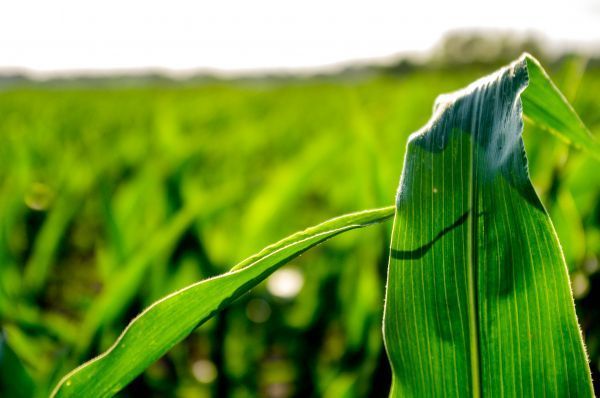
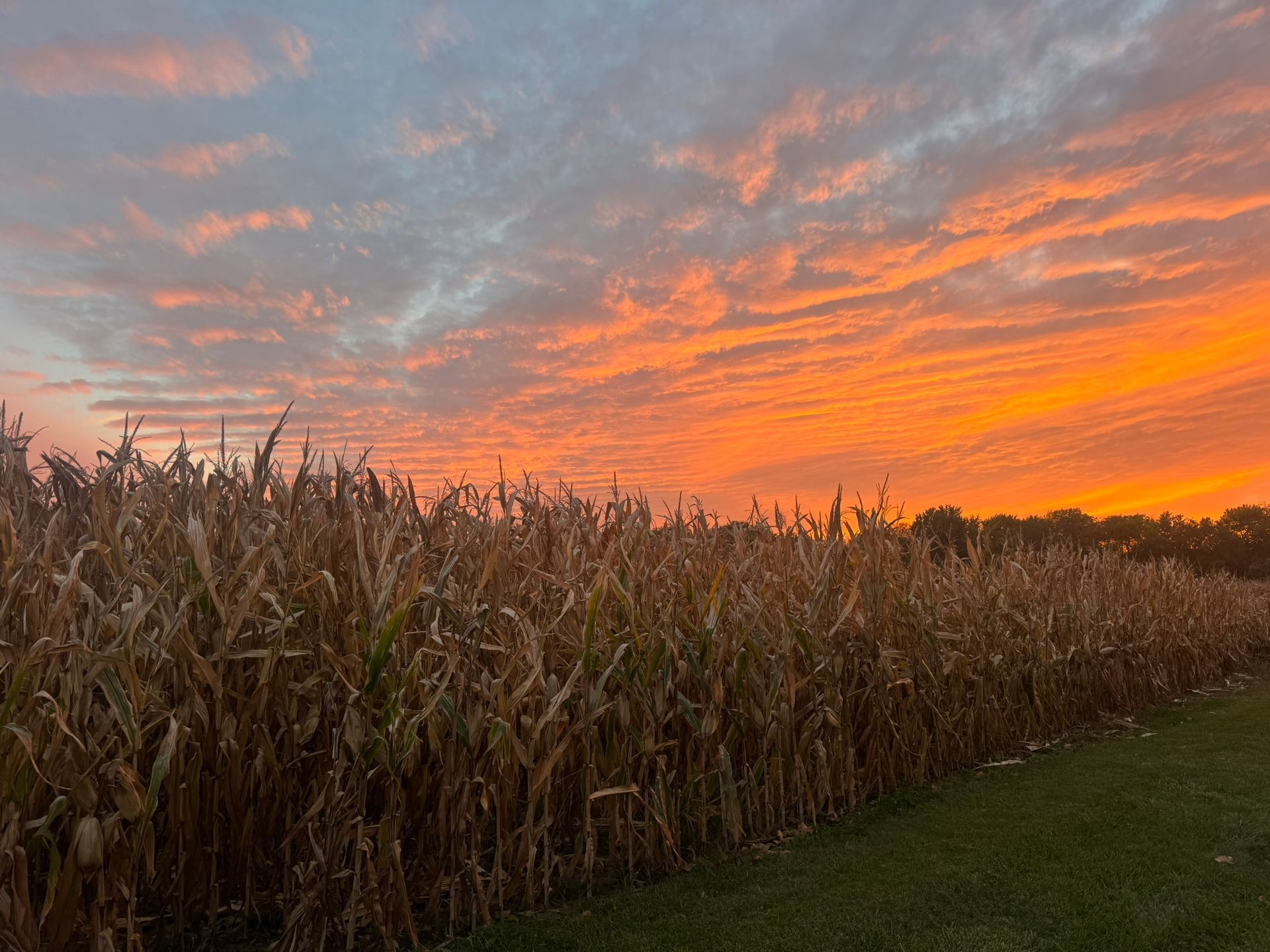
A close up of a corn leaf in a field.

The Ecosystem Services Market Consortium (ESMC), Illinois Corn Growers Association (ICGA), Archer Daniels Midland (ADM), and GROWMARK are launching an ESMC pilot project in Illinois to generate quantified, verified, certified greenhouse gas emissions (GHG) and improved water quality credits from agriculture. The project will stack and sell the carbon and water quality credits to meet corporate reporting requirements and improve agricultural resilience.


The pilot is one of nine that ESMC is launching this year with members to test all market program aspects prior to full market launch in 2022. The pilots will test credit generation and sales and ensure all other program aspects are operational and meet grower (supplier) and buyer needs.

This 10,000-acre pilot project in Central Illinois is working with 10 – 15 corn and soy farmers who are enrolled in ICGA’s Precision Conservation Management (PCM) program which works with farmers to help them understand the costs and benefits of adopting new conservation practices. For the growers, this ESMC pilot project provides the opportunity to understand how their improved soil health practices translate into economic benefits.


Rodney Weinzierl, a 3rd generation farmer and Executive Director of the Illinois Corn Growers Association said, “Farmers want and need markets to be transparent, efficient and have integrity. Having this community of involvement with ESMC and ESMC’s wide membership is what will make this successful.”


“As ICGA started working with farmers on water quality and soil health issues about five years ago, we realized that farmers have unmet needs when it comes to scaling conservation practices. Having a better understanding of the financial risks and benefits for adopting conservation practices, coupled with specialized technical support for scaling practices is key. The collaborative work we are doing with ESMC can help meet those needs for farmers,” said ICGA’s Director of Water Quality Research, Laura F. Gentry. “The idea of stacking ecosystem credits makes ESMC very exciting for farmers.”


For ADM, this pilot offers the opportunity to respond to customer needs by encouraging and providing more support to their growers to implement improved soil health practices. Not only does this pilot provide water and carbon credits, it also helps enhance ADM’s relationships with growers.


Alison Taylor, ADM Chief Sustainability Officer noted, “One of our participation objectives is to learn about and develop approved methodologies to deploy globally. Farmers are presented with many different platforms which offer to pay them for improved soil health and water quality. Any opportunity that ADM can provide to farmers around transparent programs like ESMC is important. As our customers are setting supply chain goals, they look to us as a bridge to help them meet their supply chain goals.”


Debbie Reed, ESMC Executive Director noted that, “Our public-private-partnership allows us to grow and test the market within an agricultural value chain microcosm with our members. We are in essence operating and functioning in a controlled market test prior to 2022 launch. We value the partnership with ADM, IL Corn Growers Association, GROWMARK, and IL corn and soybean producers in stepping up to the challenge and testing the program with us. Together, we will go further and learn more.”


ICGA and PCM will evaluate how the ESMC market-based incentives, combined with the agronomic and production benefits of improved soil health practices, can positively impact farm profitability and sustainability to overcome the cost obstacles of conservation implementation. PCM Specialists will provide farmers training in the ESMC program and the ESMC verification process. GROWMARK will provide on-farm technical assistance and soil testing for farmers participating in the pilot. ESMC is quantifying, monitoring, and verifying outcomes from the project, working with the global certification bodies Gold Standard and SustainCERT to certify the credits and the protocols, and selling the credits to pay farmers for their impacts.


The partners launched the project during a Climate Week NYC event September 25.

Baby with Corn Plastic Food Containers
By Pearl McDade June 12, 2026
Explore how corn is converted into PLA bioplastic for cups, food packaging, and 3D printing as demand grows for sustainable materials.
PCMthumbnail
By Tara Desmond June 11, 2026
PCM's 2026 Data Book, featured in this week's Prairie Farmer, shares 11 years of field data proving conservation and profitability go hand in hand.
By Tara Desmond June 11, 2026
How much do you know about the farmers who came before you and the decisions that still shape Illinois agriculture today? That's what University of Illinois student Lyndon Shi set out to explore during his internship with IL Corn . What began as an archival research project became a deeper look at the history of farmer leadership, innovation and advocacy in Illinois. While digging through university archives, Lyndon uncovered an undigitized manuscript from agricultural economist Harold Guither explaining the case for checkoffs. When he mentioned the discovery to IL Corn Director Rod Weinzierl, he got an unexpected response: "Oh yeah, I know him. We worked with him." It was a reminder that agricultural history isn't as distant as it may seem. Lyndon's research connected two eras of the IL Corn Growers Association: the original organization founded in the 1890s and the modern ICGA established in the 1970s. He learned how University of Illinois agriculture dean Eugene Davenport helped organize corn growers and sent professors across the state on "Corn Gospel Trains" to share the latest farming research. One story stood out in particular: the adoption of hybrid corn. Farmers who once judged corn by the appearance of the ear had to shift their focus to yield. Lyndon sees a similar transition today, as farmers increasingly balance yield with profitability amid rising input costs. "Illinois corn farmers are very good at organizing, and they are genuinely very grassroots," Lyndon said. "They've had a much more active role in shaping policy rather than just being on the receiving end." This Summer and Fall, Lyndon will travel to Taiwan on a federal scholarship to study food security. He'll do so with a new appreciation for Illinois agriculture's global connections, including Taiwan's longstanding role as an important trading partner. Watch the full conversation on IL Corn TV to hear Lyndon's research firsthand and discover how Illinois corn's history continues to influence the future.
Matt at USAPEEC Strategic Conference
By Tara Desmond June 11, 2026
IL Corn director Matt Raben was elected to USAPEEC's executive committee at the organization's 37th Annual Meeting this week.
Green world map with black curved arrows linking North America to Europe and Asia
By Lyndi Allen June 11, 2026
As one of the nation’s top agriculture exporters, Illinois ships corn to buyers across the globe—but where is it all going
Brian
By Tara Desmond June 11, 2026
Funk's Farm manager Brian Bangert explains the farm's 200-year history, the origins of Funk's G Hybrid, and how corn powers their cattle operation today.
Show More