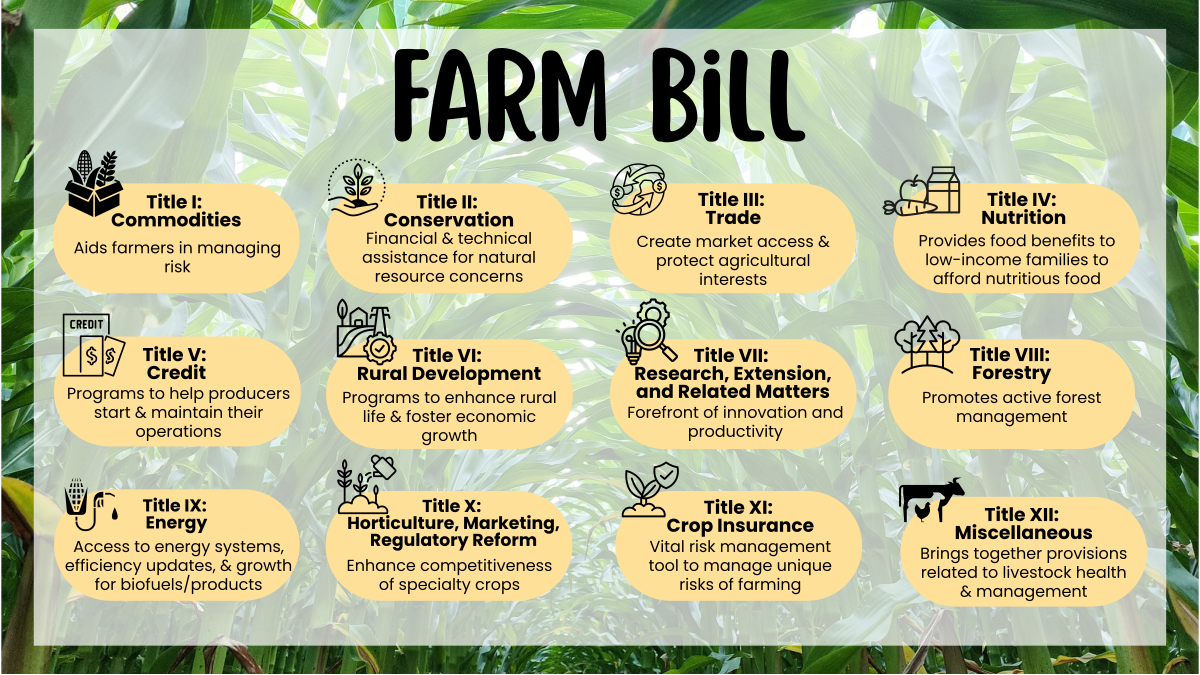
Sound farm policy provides certainty and clarity for farm families during turbulent economic times. This week, the U.S. House Committee on Agriculture discussed farm policy at length, debating amendments and working towards a bill that passed out of Committee in the early hours of March 5, 2026.
The IL Corn Growers Association (ICGA) supported the passage of the Farm, Food, and National Security Act of 2026 out of the House Committee on Agriculture. Many ICGA priorities for a farm bill that were not included in the One Big Beautiful Bill Act (OBBBA) were included in what was passed out of Committee today.
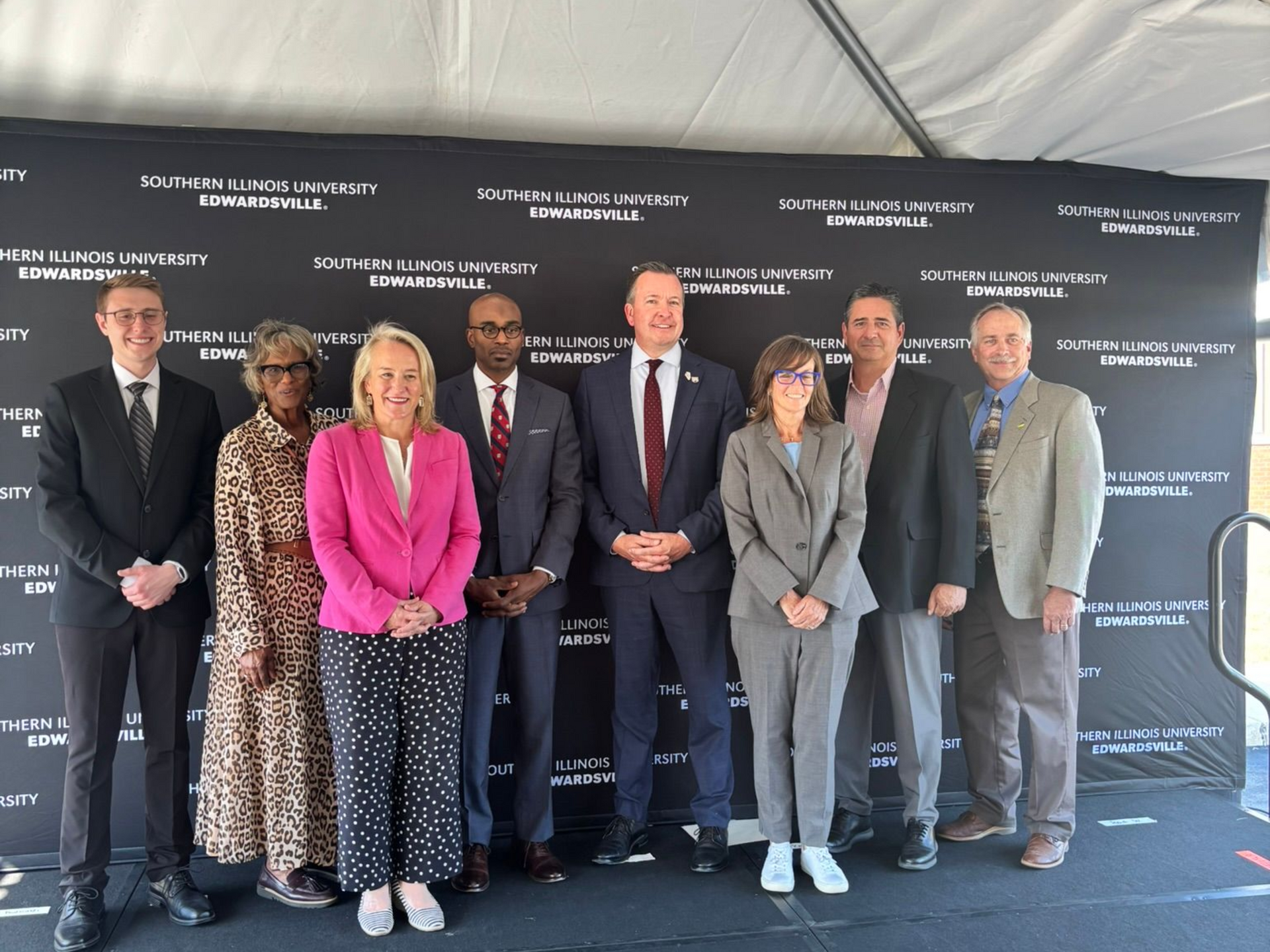
ICGA thanks Representatives Bost, Budzinski, Miller, and Sorensen for representing Illinois farmers on the House Ag Committee and for their work in supporting the ICGA priorities that were included in this legislation.
ICGA priorities included in the bill are:
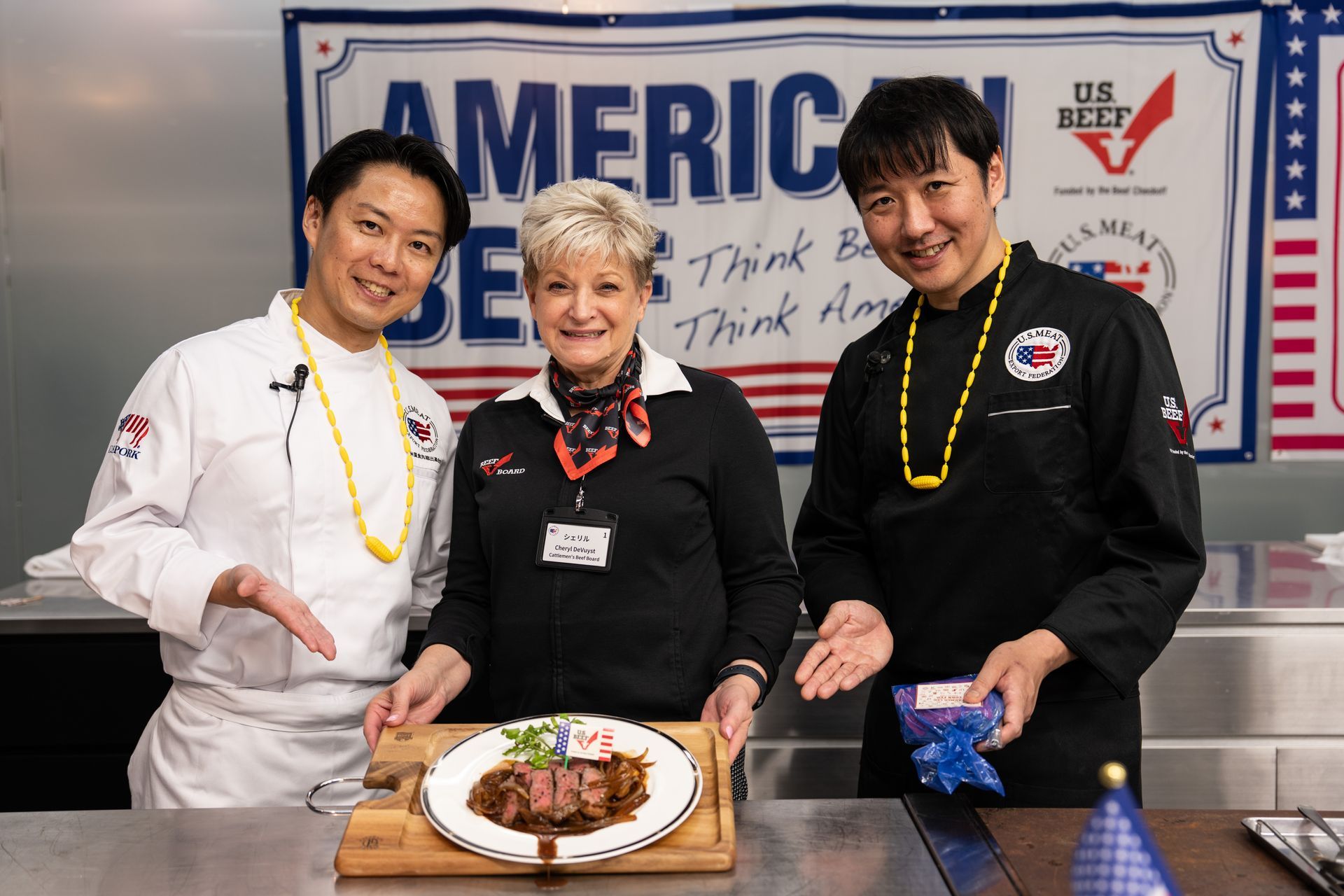
- Continued improvements to the Market Access Program (MAP) and Foreign Market Development (FMD) Program
These programs significantly boost U.S. farm income by leveraging federal and industry funds to expand global demand, generating a $24.50 return for every $1 invested. These programs increase export value, raise farm cash receipts, and create thousands of jobs, benefiting farmers through increased sales.
- The transfer of the Food for Peace Program to USDA
The move to USDA better aligns with agricultural production, which is expected to improve efficiency and market connections for farmers, as well as prioritize U.S. commodities over cash or voucher-based aid.
- Uniform pesticide labeling requirements that affirm EPA’s authority under FIFRA
This provides farmers with certainty in product availability, reliable usage instructions, and protection from legal liability associated with conflicting state-specific warning labels.
- Limits on Proposition 12 to protect pork producers from a patchwork of state laws
Limits to California’s Proposition 12 are needed. Without them, pig farmers would face high compliance costs, potentially impacting smaller hog farmers the most, including reduced barn capacity and higher operating costs.
ICGA priorities not included in the bill are:
- Implementation of a one-time mandatory base acre update
To be in compliance with World Trade Organization policies, American farmers registered their base acres decades ago. The registered acres may no longer reflect the crops currently grown on their land, creating a market-distorting dynamic and influencing planting decisions. Some American farmers are receiving base acre payments on crops they haven’t planted since the 1980s.
Notably, the Supplemental Disaster Relief Program announced in 2024 and the Farmer Bridge Assistance Program announced in 2025 seem to recognize this distortion and rely on planted acres instead of base acres for their payment calculations.
- A bi-partisan negotiation process for a bi-partisan farm bill
The long-term success of Illinois farmers hinges on both parties in Washington working together to support those who produce America’s food, fuel and fiber. Making the farm bill a partisan exercise will hurt farm families. We beg policy makers to not use farmers or other farm bill stakeholders to score political points.
ICGA believes that the two items not included in the bill – a one-time mandatory base acre update and bi-partisan negotiation and passage – are necessary to protect the future of U.S. farm policy for the next generation of Illinois farmers.
ICGA thanks Rep. Budzinski for offering a mandatory base acre update amendment and Rep. Sorensen for offering a year-round E15 amendment. Rep. Budzinski withdrew her amendment after debate, seeing that it would not pass. Rep. Sorensen’s amendment was found to be not germane to the discussion, though Chairman GT Thompson did commit to helping Rep. Sorensen achieve a year-round E15 waiver for corn farmers.