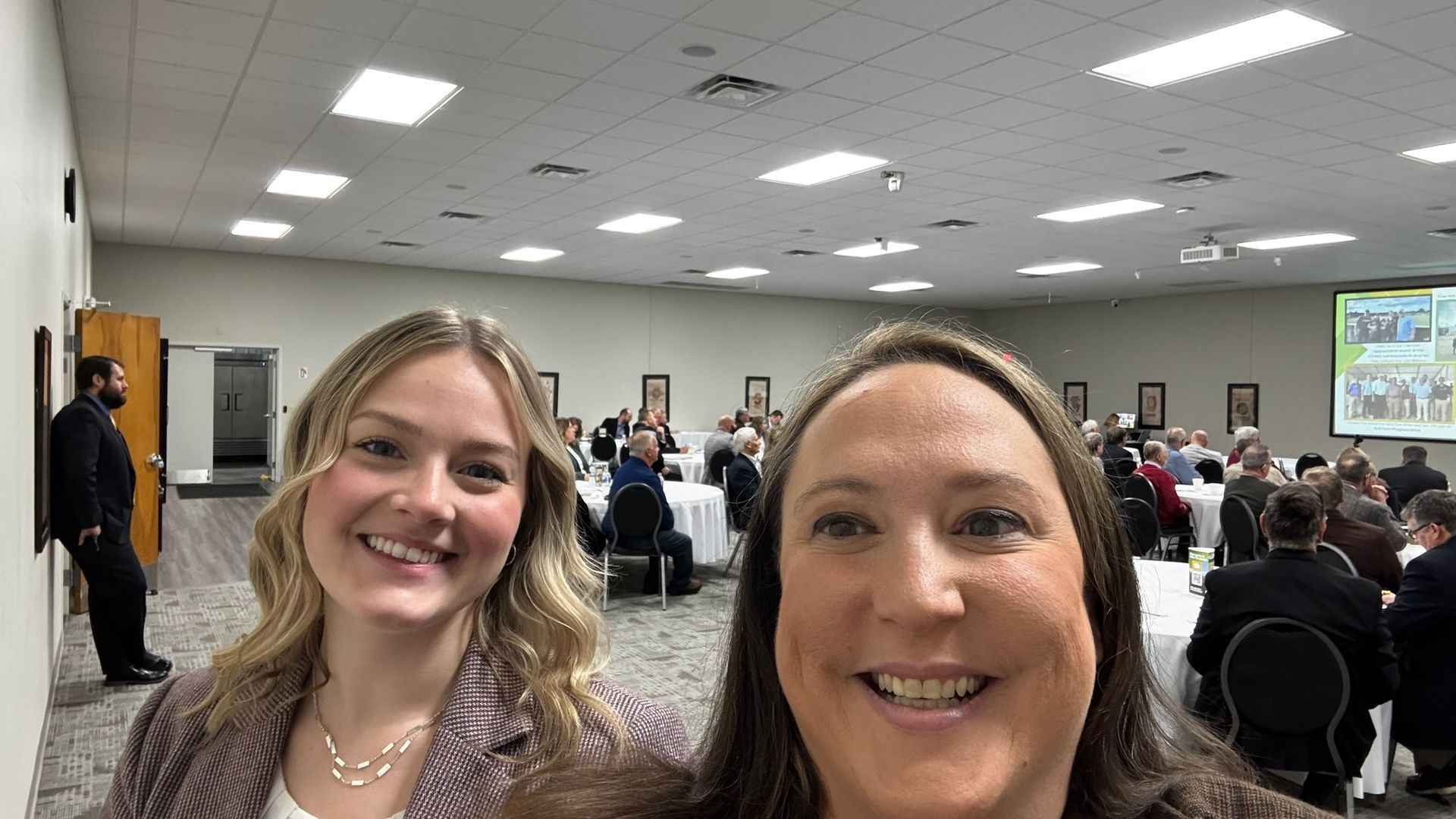
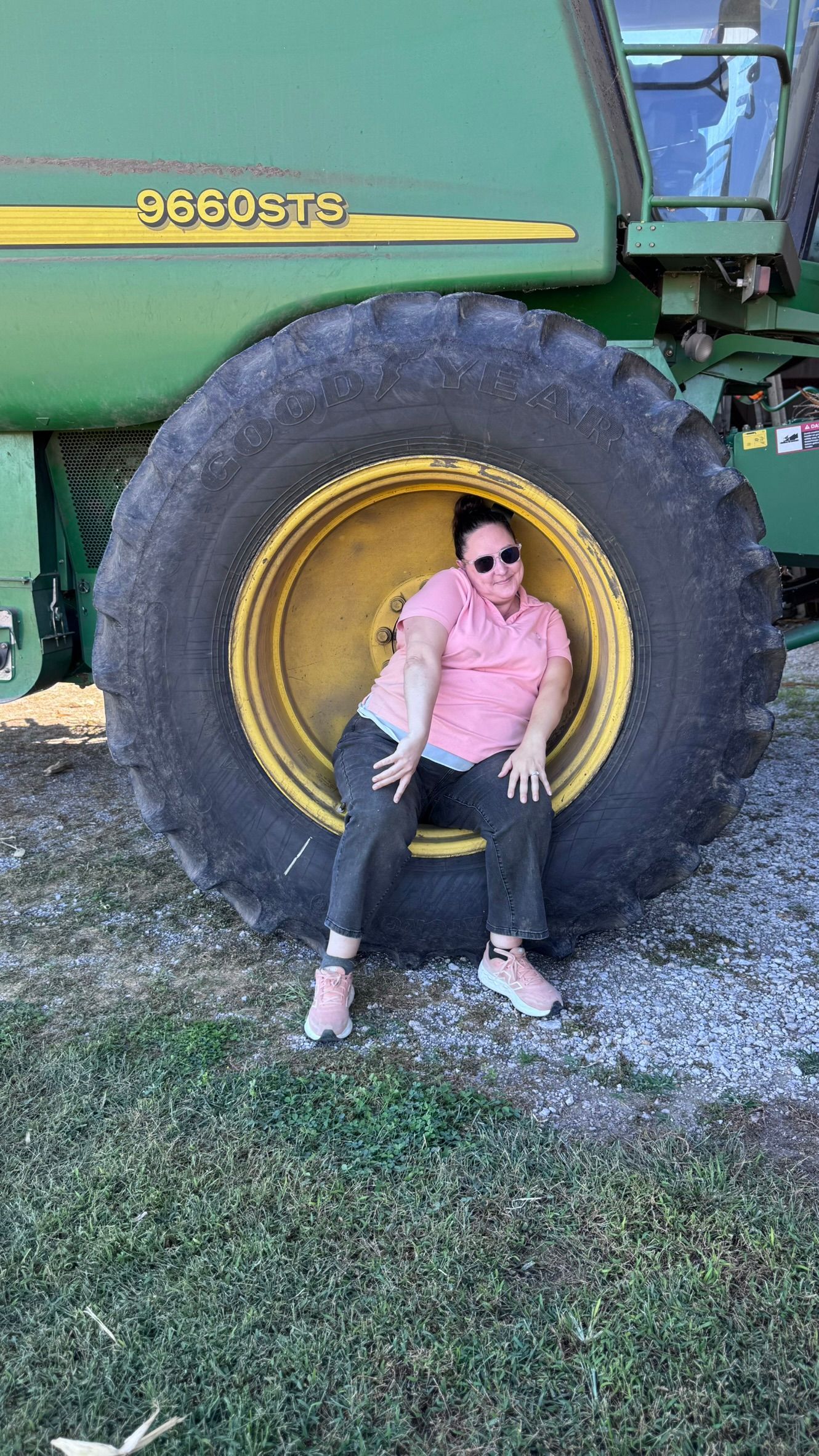
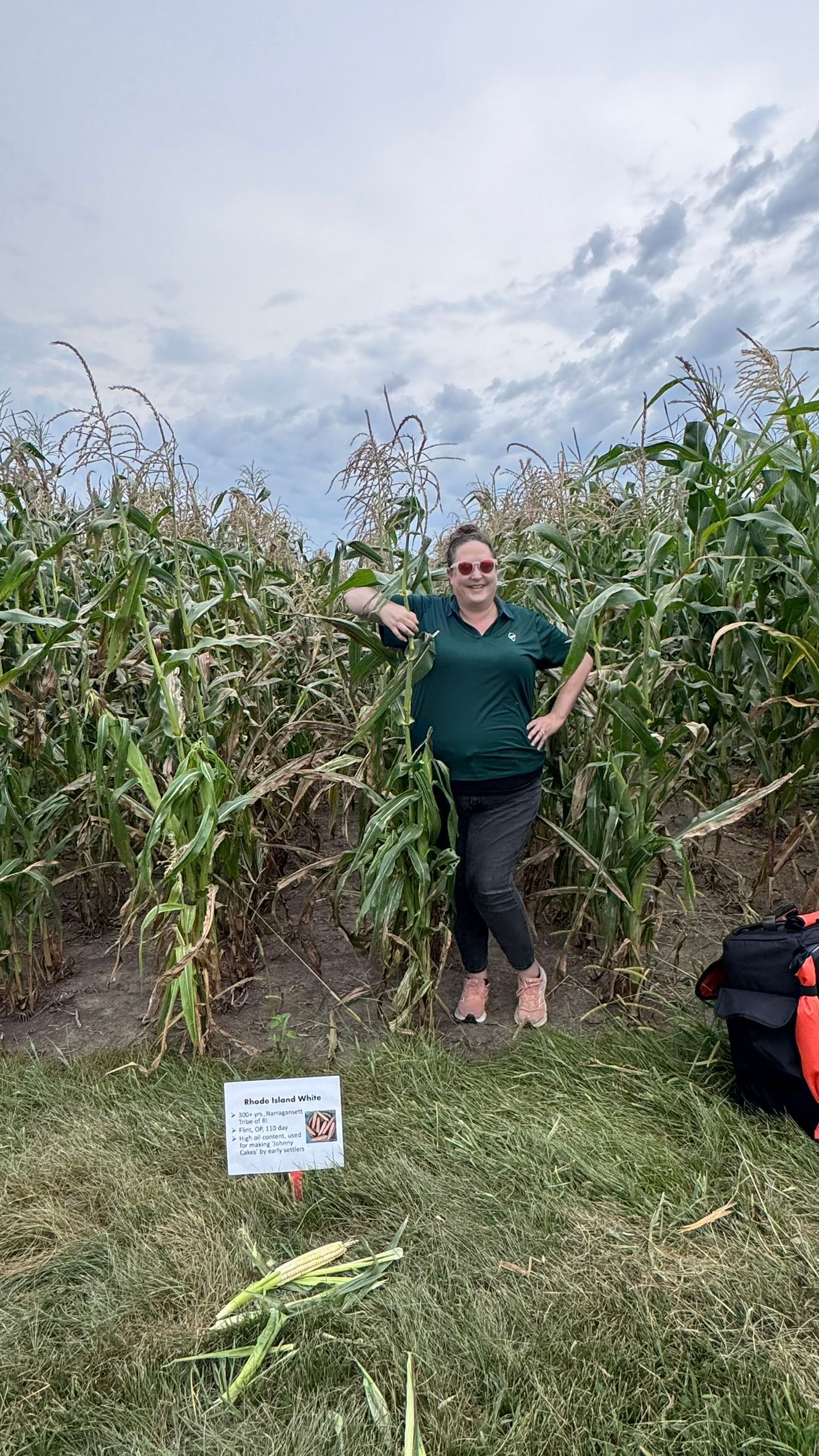
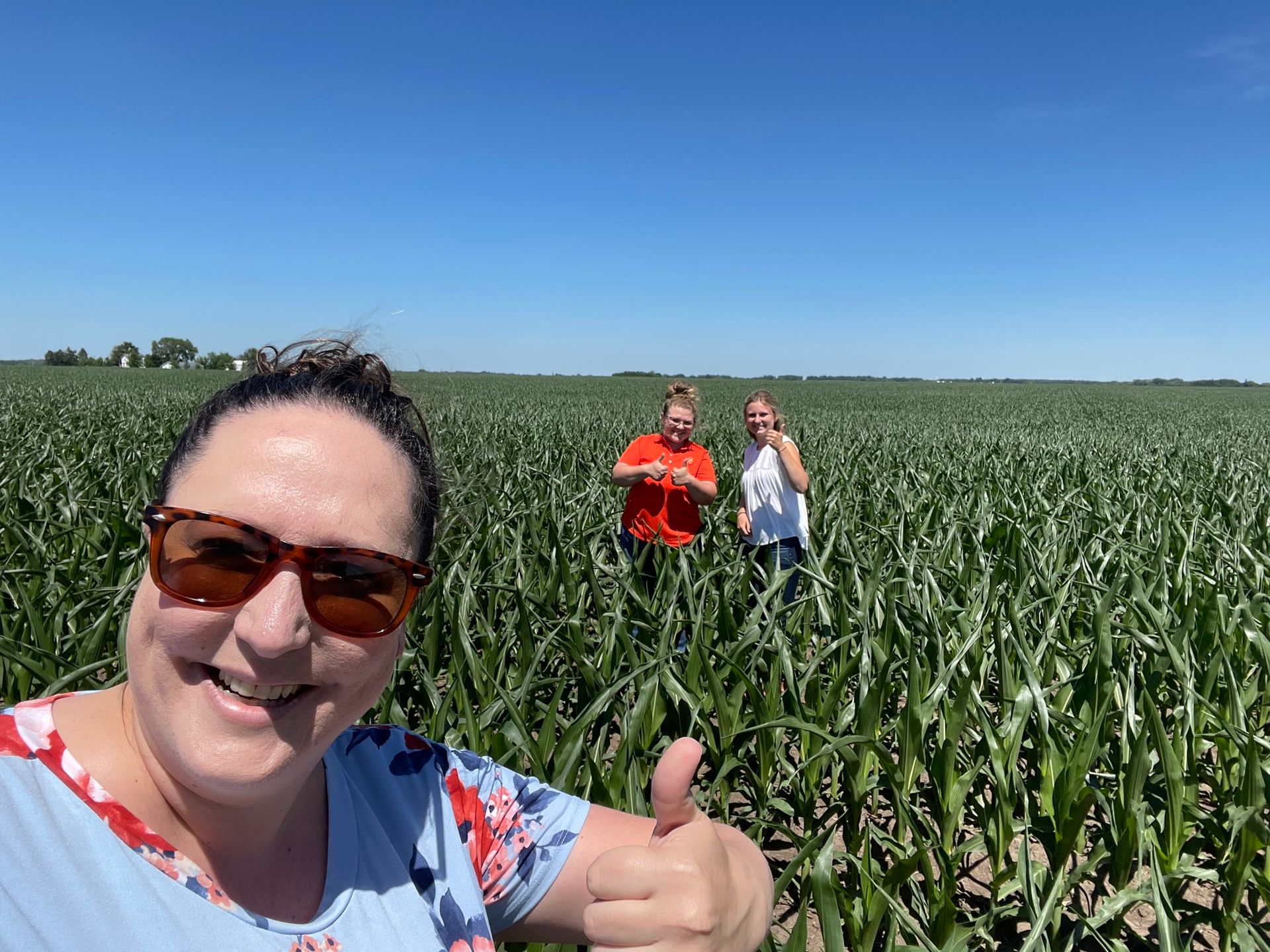
Five years. Somehow, five years at IL Corn has gone by in what feels like five minutes. When I started, I knew very little about the business of corn. I grew up in McLean County, surrounded by cornfields, and somehow managed to go most of my life thinking about corn primarily in terms of sweet corn. Turns out, there’s a lot more to it than what ends up on your dinner plate.
Over the last five years, I’ve learned a ridiculous amount about agriculture, met some incredible people, explored parts of rural Illinois I’d never bothered to explore before, and developed a whole new appreciation for an industry that was literally growing in my backyard the entire time.
Here are a few things I’ve learned along the way.
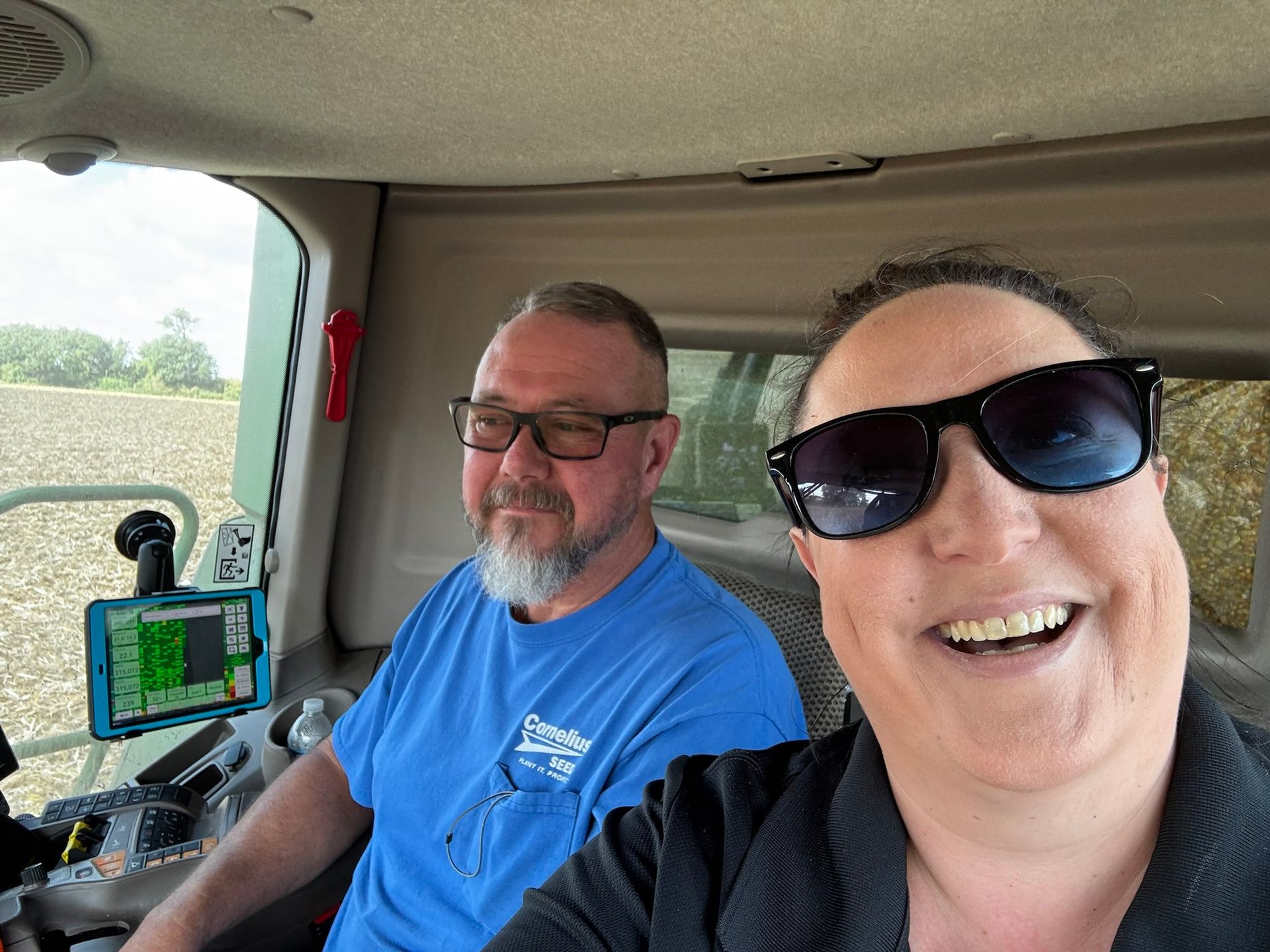
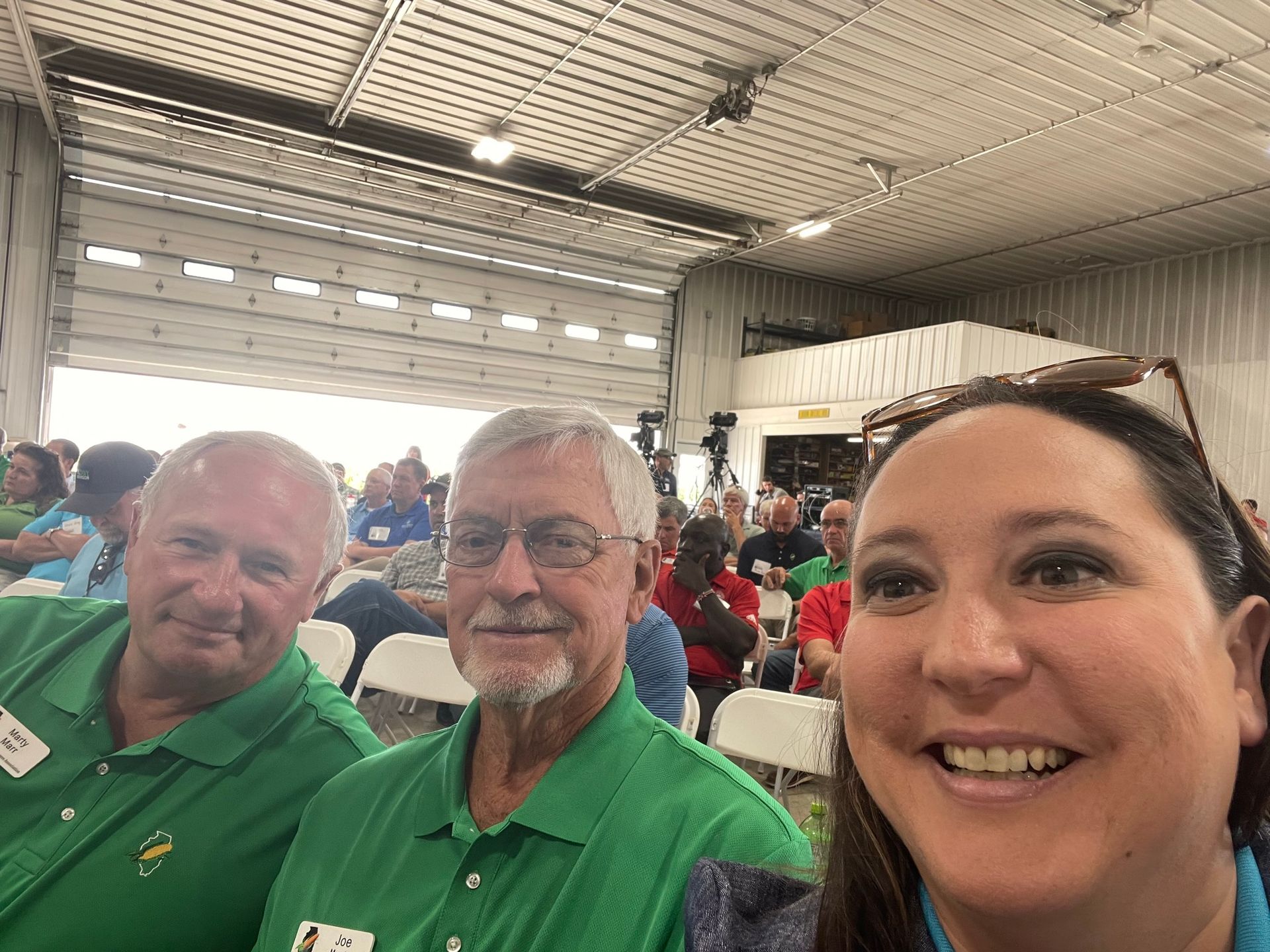
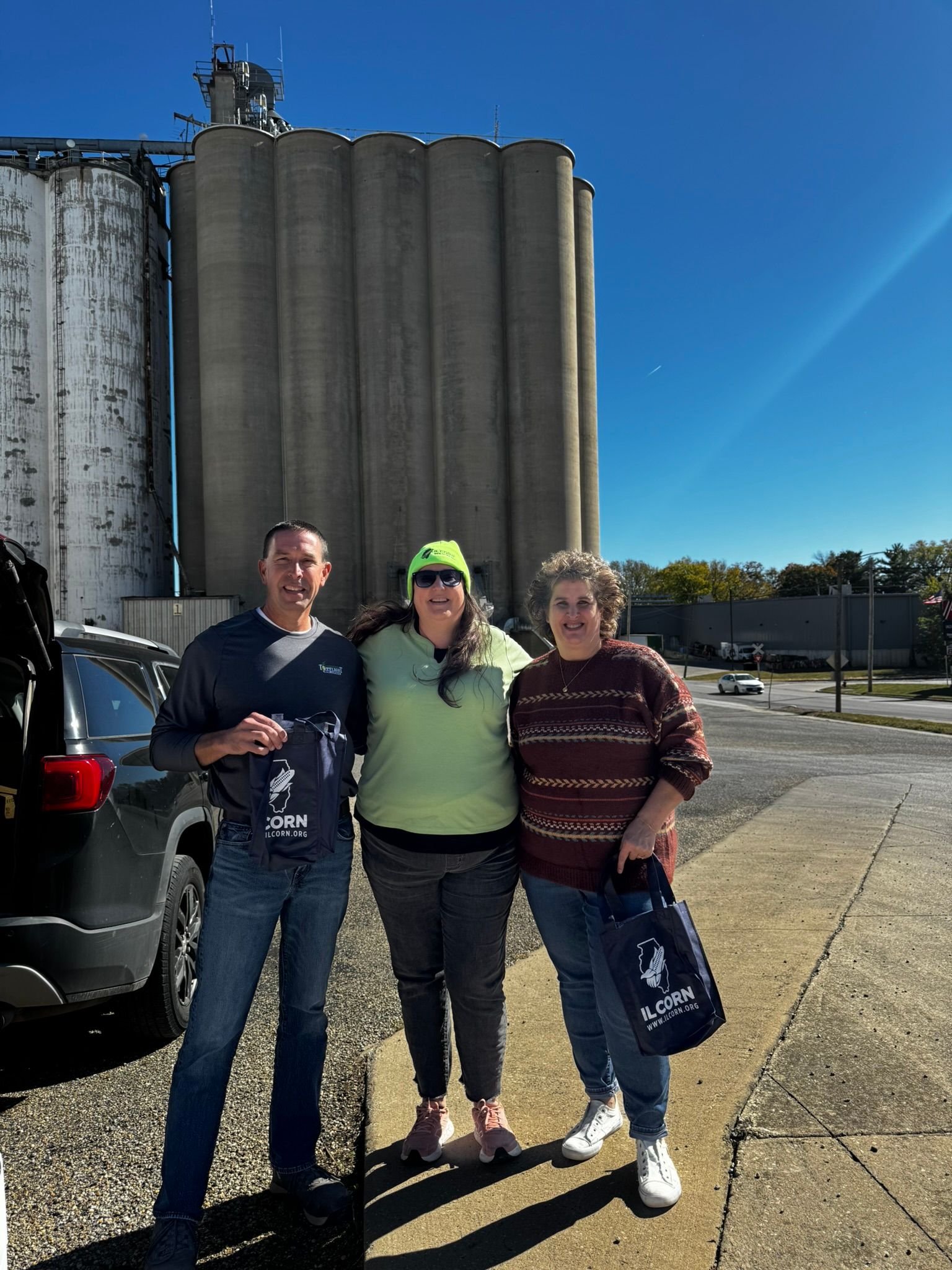
- Farmers are some of the kindest, friendliest people you’ll meet. Most of the farmers I visit are complete strangers when I pull into their driveways. And yet, they welcome me onto their farms without hesitation. They share their time, their knowledge, their stories, and sometimes their snacks. There’s a generosity there that I’ve come to really appreciate.
- I’ve explored more of rural Illinois in five years than I did in the first 38-something years of my life. I’ve driven down roads I didn’t know existed, visited farms I would have otherwise never seen, and learned to appreciate the communities that keep this state running. I’ve also developed the Midwestern wave. You know the one. You’re driving through a small town, another driver approaches, and suddenly you’re both lifting a finger off the steering wheel in a silent agreement that you acknowledge each other’s existence. I do it automatically now. I’m basically a local everywhere I go.
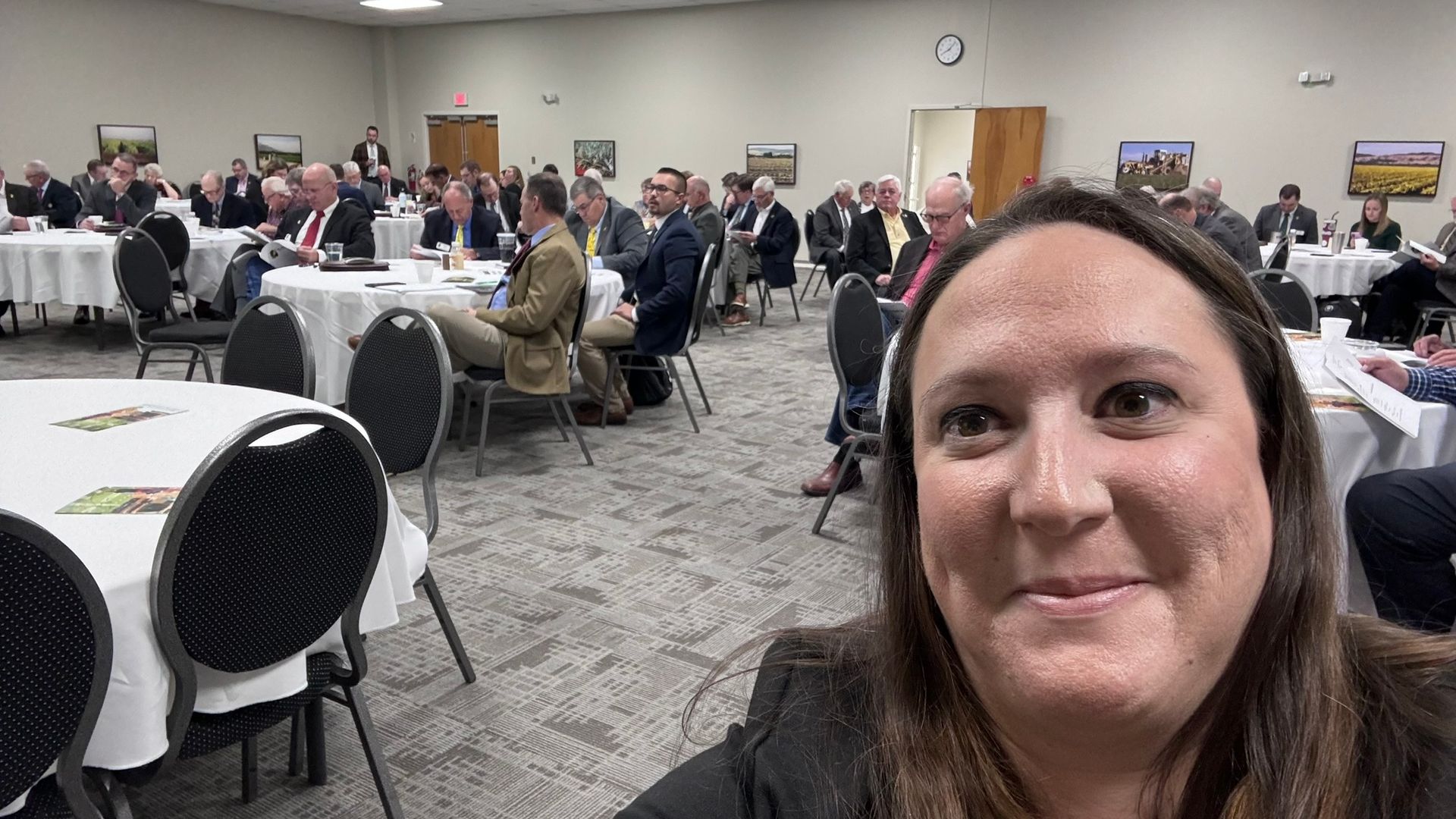
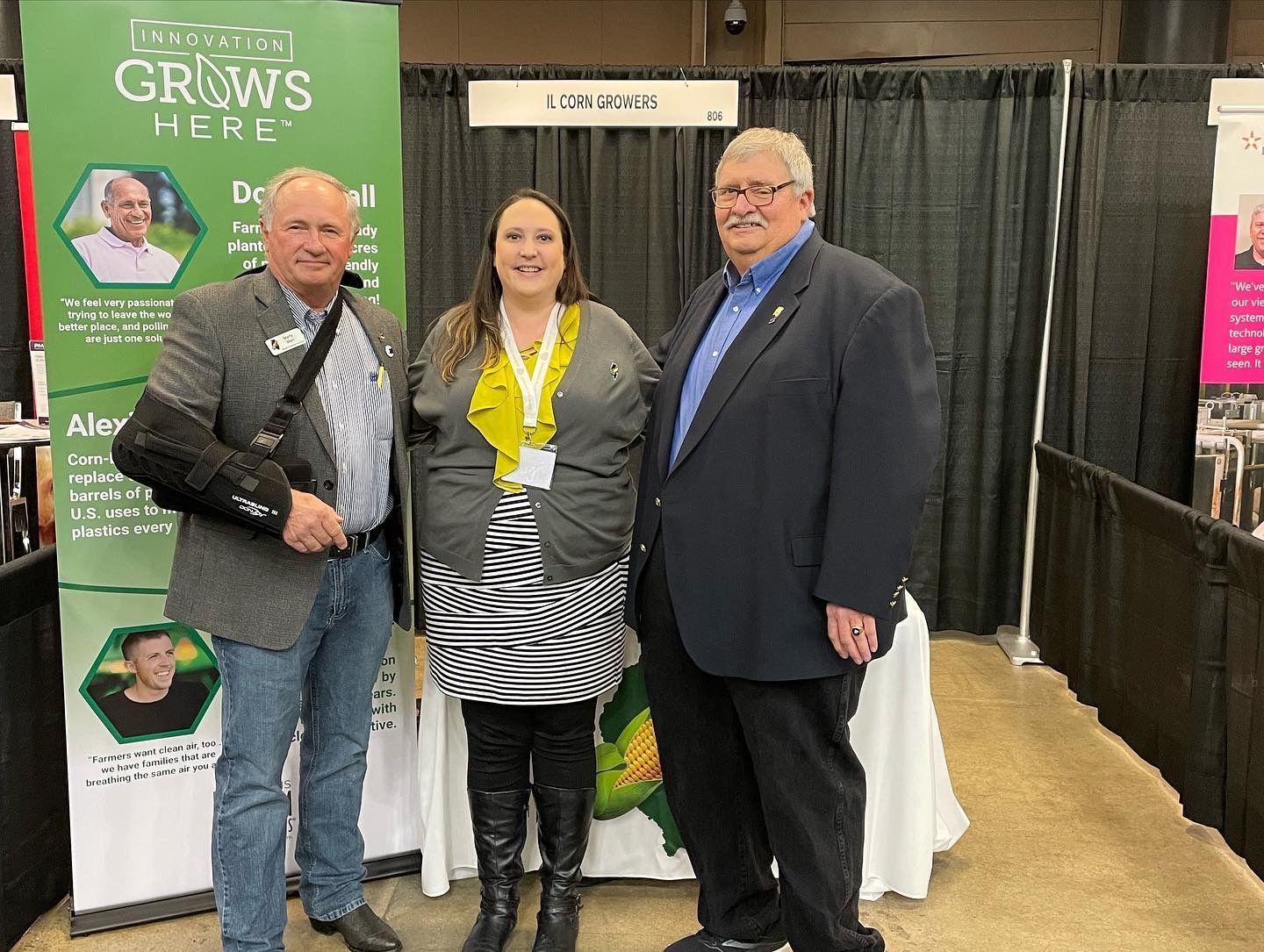
- IL Corn does A LOT with a small staff. We have around 15 people, and the amount of work that gets done across our organization is incredible. Between research, education, advocacy, communications, marketing, events, and everything else that keeps this industry moving, there’s a whole lot happening behind the scenes. It has given me a real appreciation for what a small, dedicated team can accomplish when people care about the work they’re doing.
- Corn markets and farming are WAY more complicated than you think. I say this as someone who grew up in the middle of corn country and didn't understand much of it. The economics, logistics, research, weather, global markets, transportation, and business decisions involved in growing and selling corn are mind-boggling. You can’t just plant a seed, wait for rain, harvest it, and call it a day. If only!
- A new use for corn doesn't happen overnight. I've interviewed researchers working on exciting new technologies and innovations, and I've been surprised by how long it can take for their work to become commercially available. The same goes for research itself. Something that sounds promising today may take years of testing, development, funding, and refinement before it becomes something we can actually use. I've learned to appreciate not just the innovation, but the patience and persistence behind it.
- I’ve busted a LOT of myths about corn. For starters, approximately 99% of the corn grown in Illinois is field corn, not sweet corn. Sorry to disappoint anyone who thought Illinois was supplying the country with an enormous amount of corn on the cob. Much of our field corn goes into products, fuel, livestock feed, and other uses you probably never think about. There is a whole world of corn beyond the grocery store produce section.
- Illinois has a serious transportation advantage. Roughly half of the corn grown in Illinois leaves the state for other states or international markets. Our river system is a huge part of what makes Illinois competitive, helping move agricultural products to destinations near and far. During COVID, I gained an even greater appreciation for the people and infrastructure that keep our supply chains moving. It's easy to take transportation for granted until you realize just how many people and systems it takes to get a product from an Illinois farm to its final destination.
- Ethanol is a conversation that can get interesting REALLY quickly. Illinois has 14 ethanol plants, and I’ve heard a wide range of opinions about ethanol, both on social media and out in the field. There are SOOOO many myths surrounding it. We've done extensive research to help address misconceptions, but I've also learned something important: facts don't automatically change people's minds. Sometimes people have already decided what they believe, and no amount of information is going to change that overnight.
- One thing I wish more people understood is that ethanol production doesn't simply take corn away from livestock feed. A valuable byproduct of ethanol production is distillers grains, commonly called DDGS, which can be used in livestock feed. The system is more interconnected than people realize.
- One of my favorite farm visits. One of the most meaningful experiences of my time at IL Corn was visiting the farm of Ted Mottaz before he passed away. Ted was experiencing memory issues, and I was honored to have the opportunity to interview him.
- What I remember most isn't a statistic or a talking point. It's his family.
- His entire family was there to welcome me and support him during the interview. They showed up for him, surrounded him with love, and helped make that moment possible. And as I interviewed Ted, he held his wife's hands.
- I don't know that I can adequately explain why that moment stayed with me, but it did. It reminded me of my husband and me, and of some of the things we've been through together. It reminded me that, through all the complicated and difficult parts of life, you can find a person who feels like home. Someone whose hand you reach for without thinking.
- That moment was a beautiful reminder that agriculture isn't just about the land, the crop, or the business. It's about the people and the lives built around them. I'm grateful I got to be there.
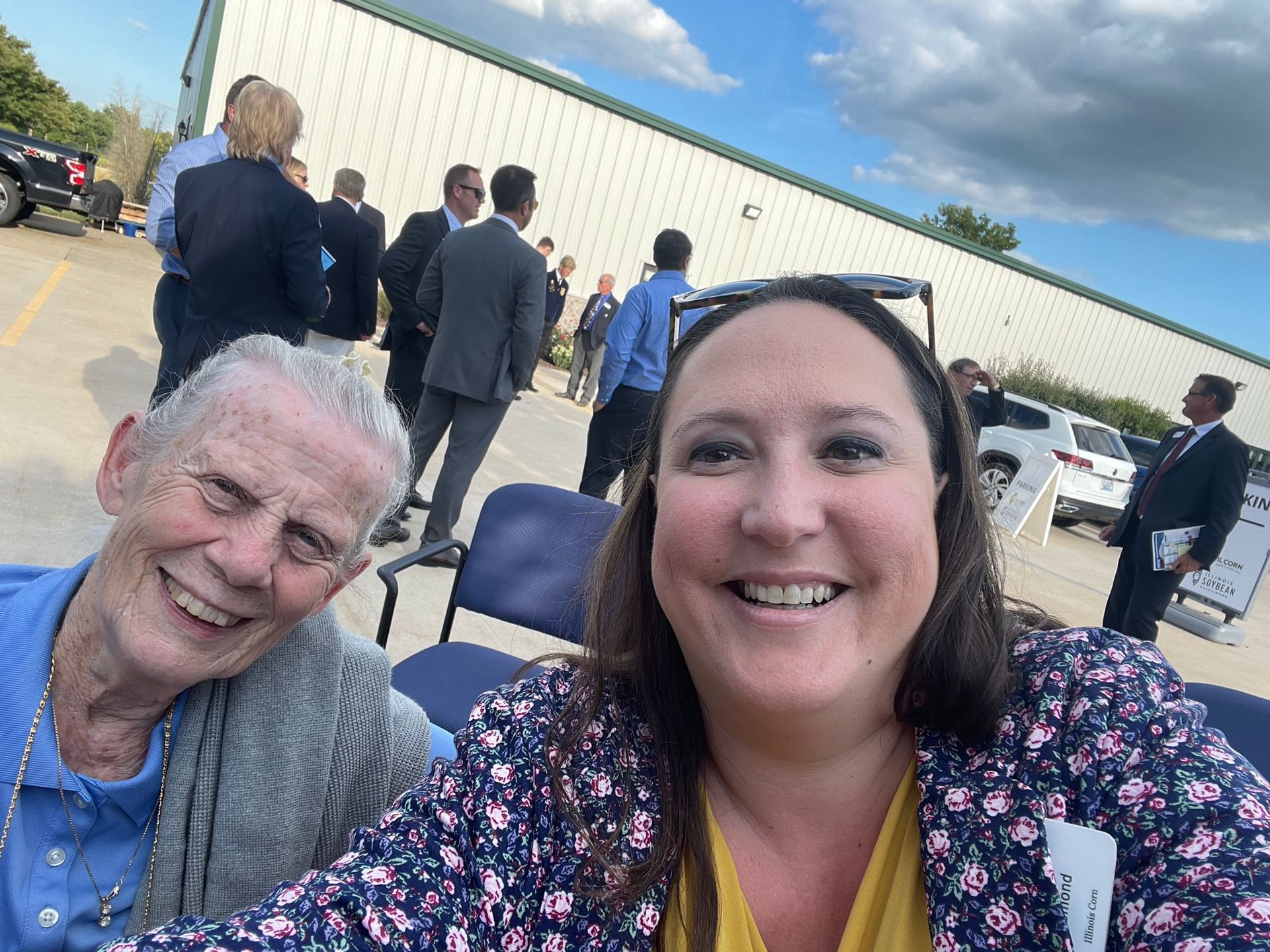
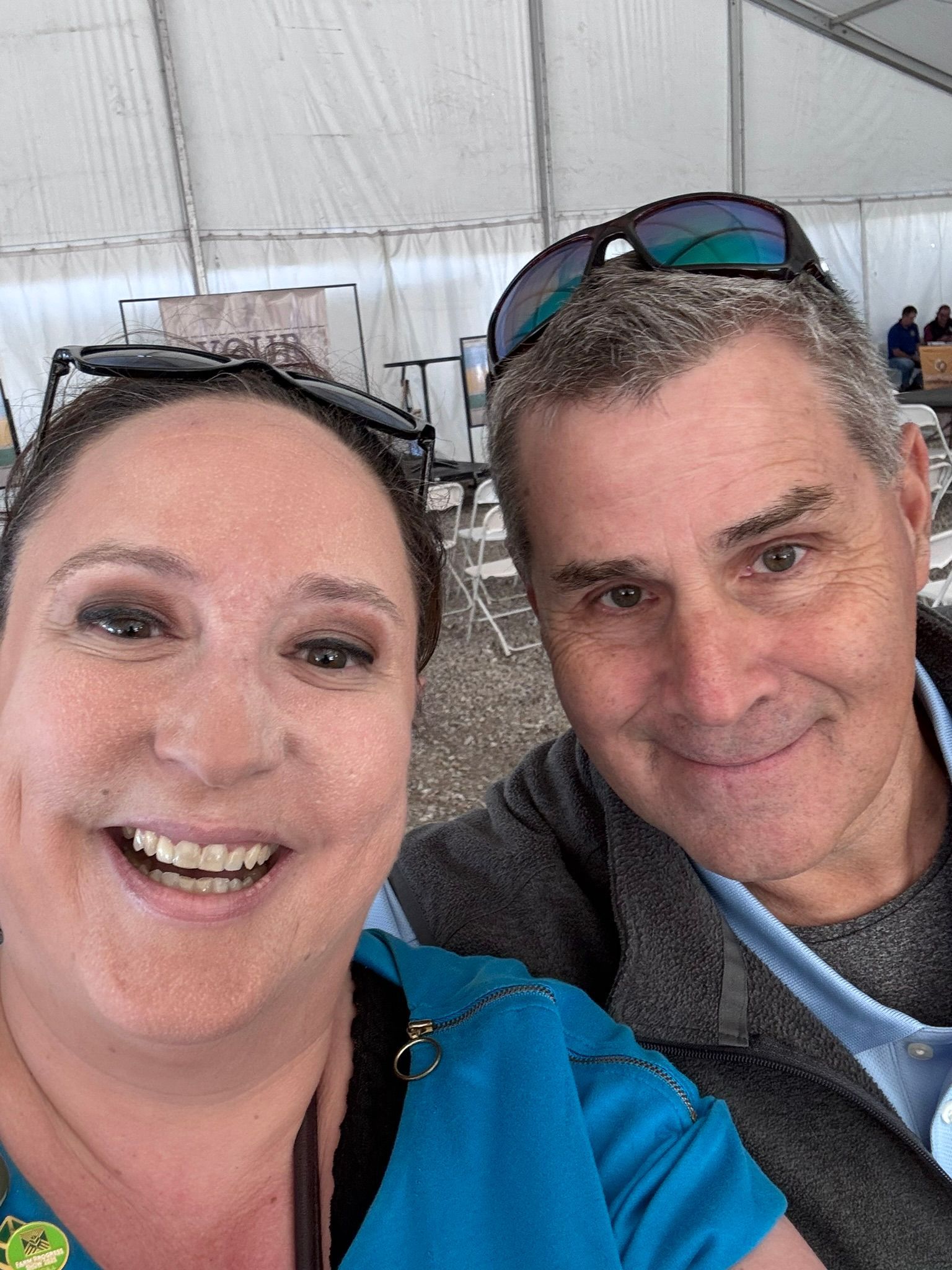
- IL Corn is fortunate to have some incredible leaders. I've seen that in both our farmer leadership and our internal staff leadership. Our executive director, Rod, is extremely strategic and forward-thinking, and he's open to hearing ideas, questions, and comments. I appreciate working in an environment where people are willing to think about what's next and consider new ways of doing things. Agriculture has a long history, but that doesn't mean it stops evolving.
- I've learned that farming is a business, but it's also deeply personal. We talk about farms as businesses because they are. But imagine inheriting a family business that's been in your family for five generations, pouring your time, money, energy, and identity into it, and then facing the possibility that you may have to close it. That's not just a financial loss. It's the possible end of something your family has built and protected for generations.
- I've known a farmer who died by suicide, and that experience has stayed with me. Farming can carry enormous financial and emotional pressure, and I think we need to do a better job of talking about mental health in agriculture.
- I'm a strong advocate for mental health awareness. I know stigma doesn't disappear just because we talk about it, but I believe checking in on your neighbors matters. And I mean really checking in. Even the people who seem happy, successful, and like they have everything together may be carrying something you can't see.
- Sometimes a simple conversation can matter more than we realize.
- I've also learned that the agricultural community grieves, too. In my five years at IL Corn, I've never experienced losing a coworker before Dave. Losing him still feels surreal. I didn't know him for a long time, but in the time I did know him, he brought joy and a smile to my face. I used to call him Davie Crockett, and even writing that now makes me smile. It's strange how someone can be part of your life for a relatively short time and still leave a lasting impression. I miss that joy he brought with him.
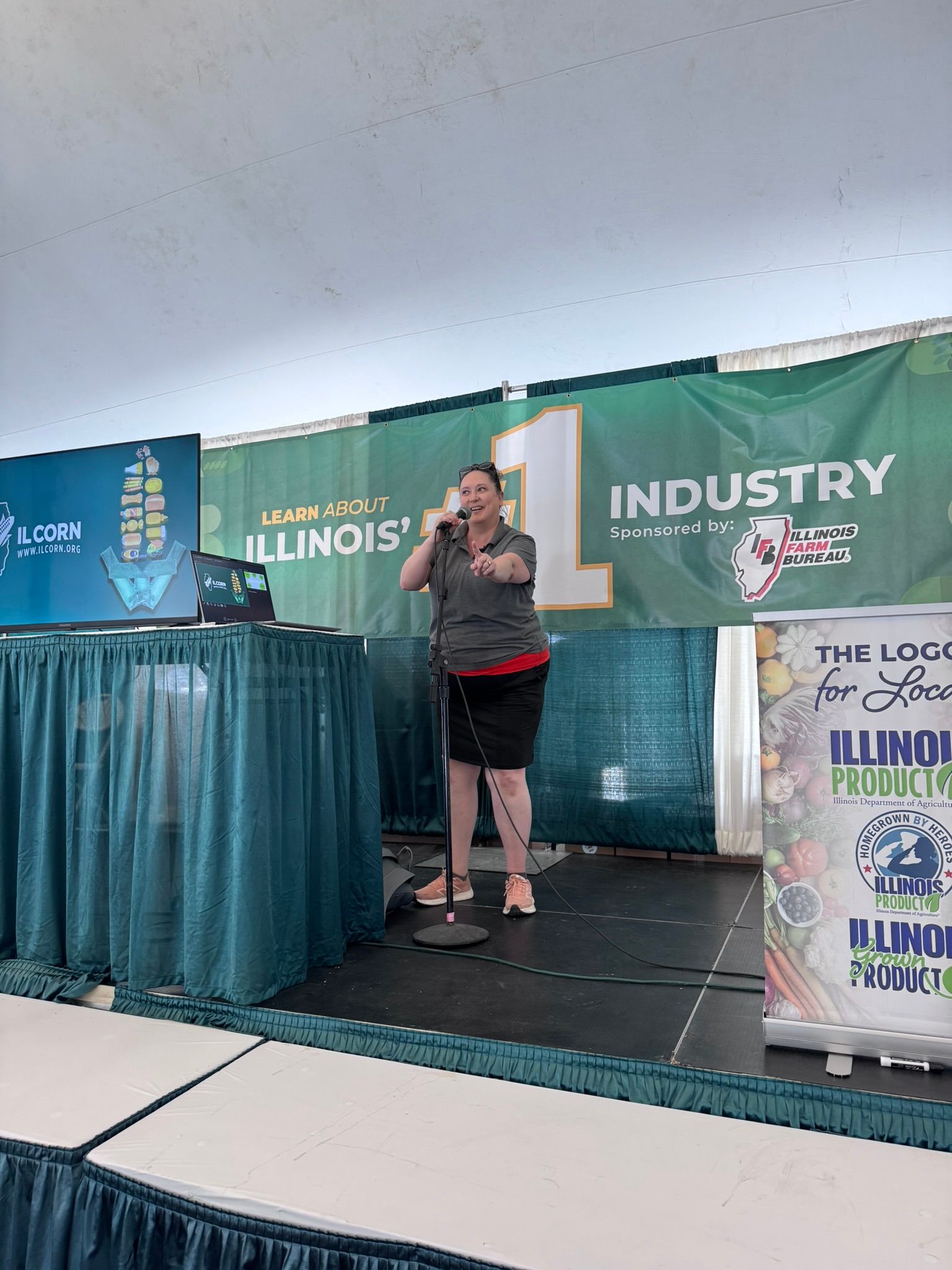
- Social media is more than posting and hoping something goes viral. I'm proud of the growth I've driven at IL Corn over the last five years, taking our YouTube channel from around 300 to 10,000 subscribers, growing our following across every channel, building a 365-days-a-year content strategy, and creating content that has gone viral on every platform. But just as important as the numbers, I'm proud to have brought more storytelling and strategy to our social channels, finding new ways to introduce farmers, share their stories, bust myths, and connect with audiences who might not otherwise hear agriculture's side of the story. There's a misconception that social media is a young person's game, but at 43, with 20 years of marketing experience, I'm proof that strategy, creativity, and understanding your audience matter a whole lot more than your age. (Although I might be one of the oldest social media strategic managers out there!) And if there's one piece of advice I'd pass along, it's this:
If you don't have anything nice to say, don't say anything at all. If you do comment, make it factual and helpful. Remember, you're not just responding to the person you disagree with; you're talking to everyone else reading the conversation, too. You may not change one person's mind, but you might help someone else see things differently. There's enough negativity online already. Let's give people something worth reading.
- I have a newfound appreciation for the history of agriculture. Farming isn't just something that happens every year when spring arrives. It's generations of knowledge, hard work, innovation, adaptation, and sacrifice. When we talk about the future of agriculture, we're also talking about families and communities that have spent generations building something meaningful. That history deserves respect, even as the industry continues to change.
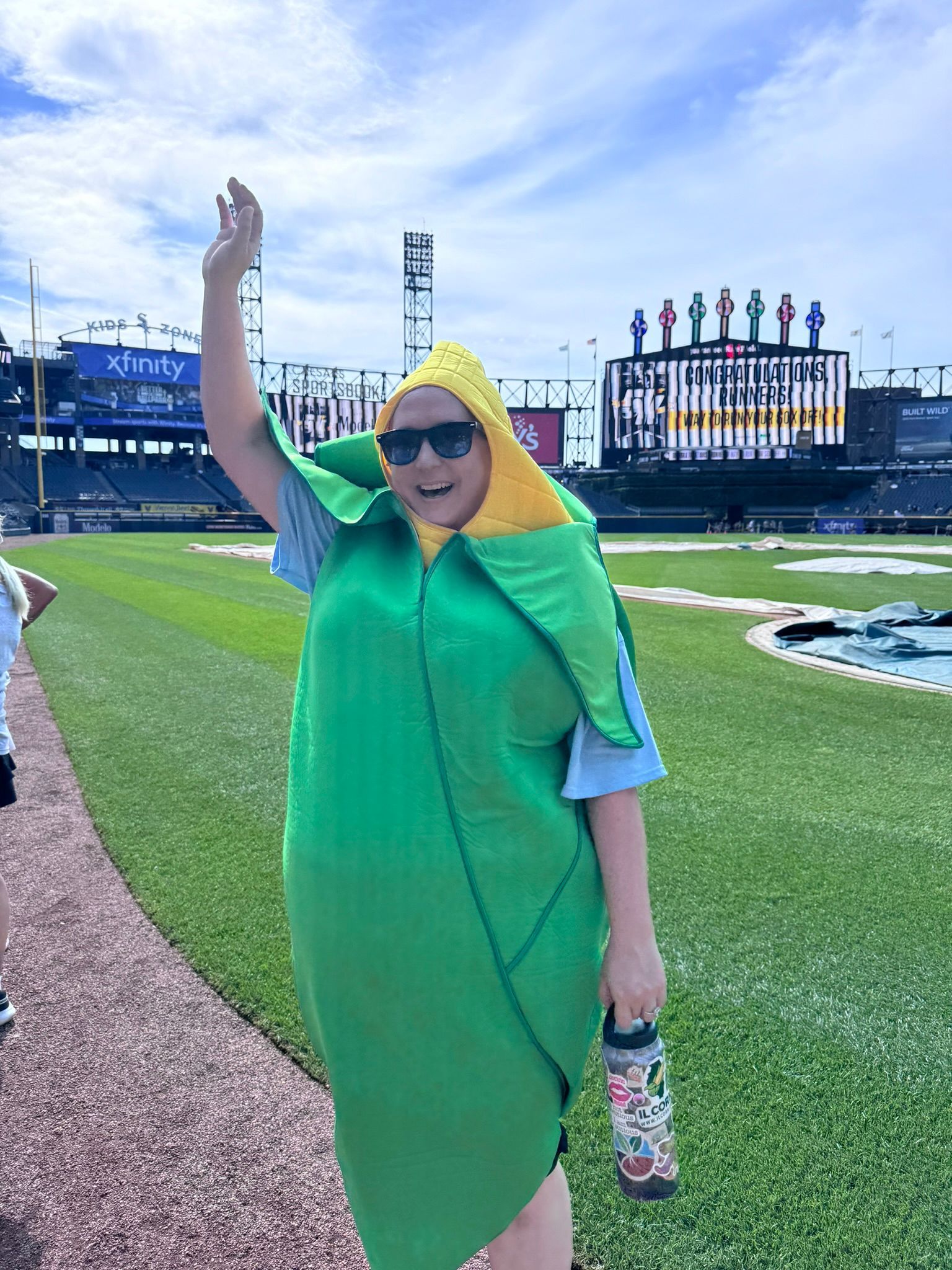
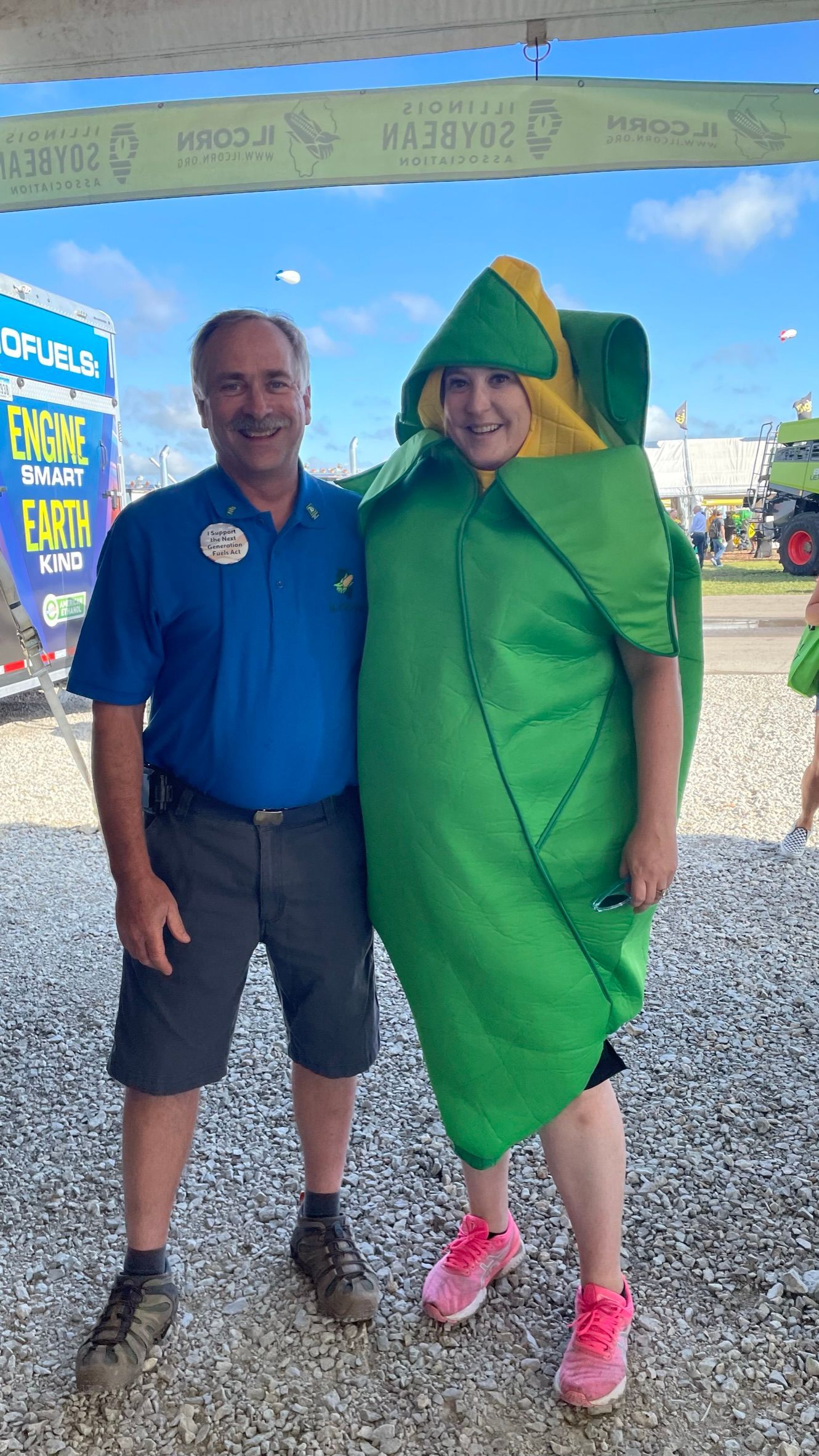
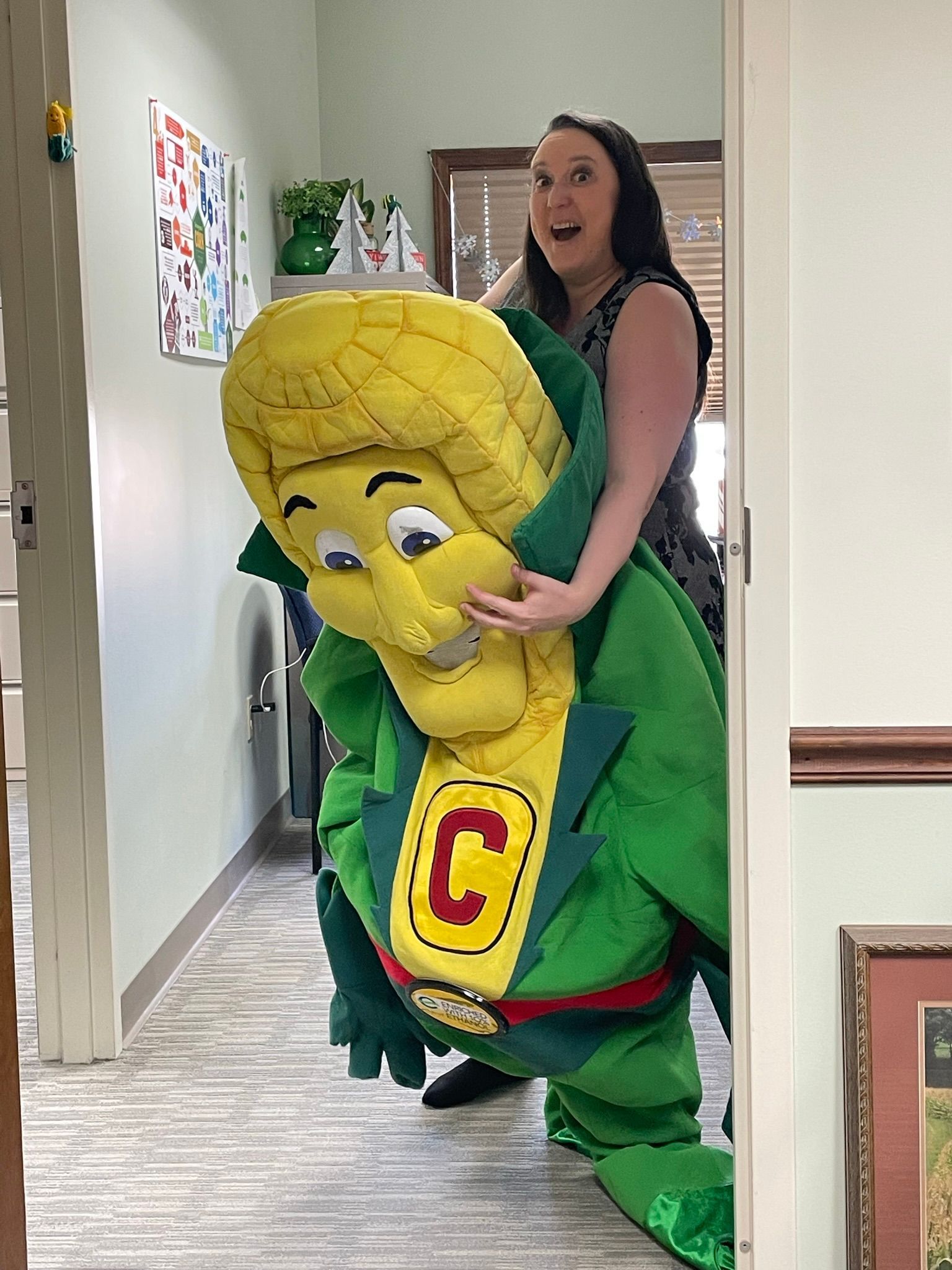
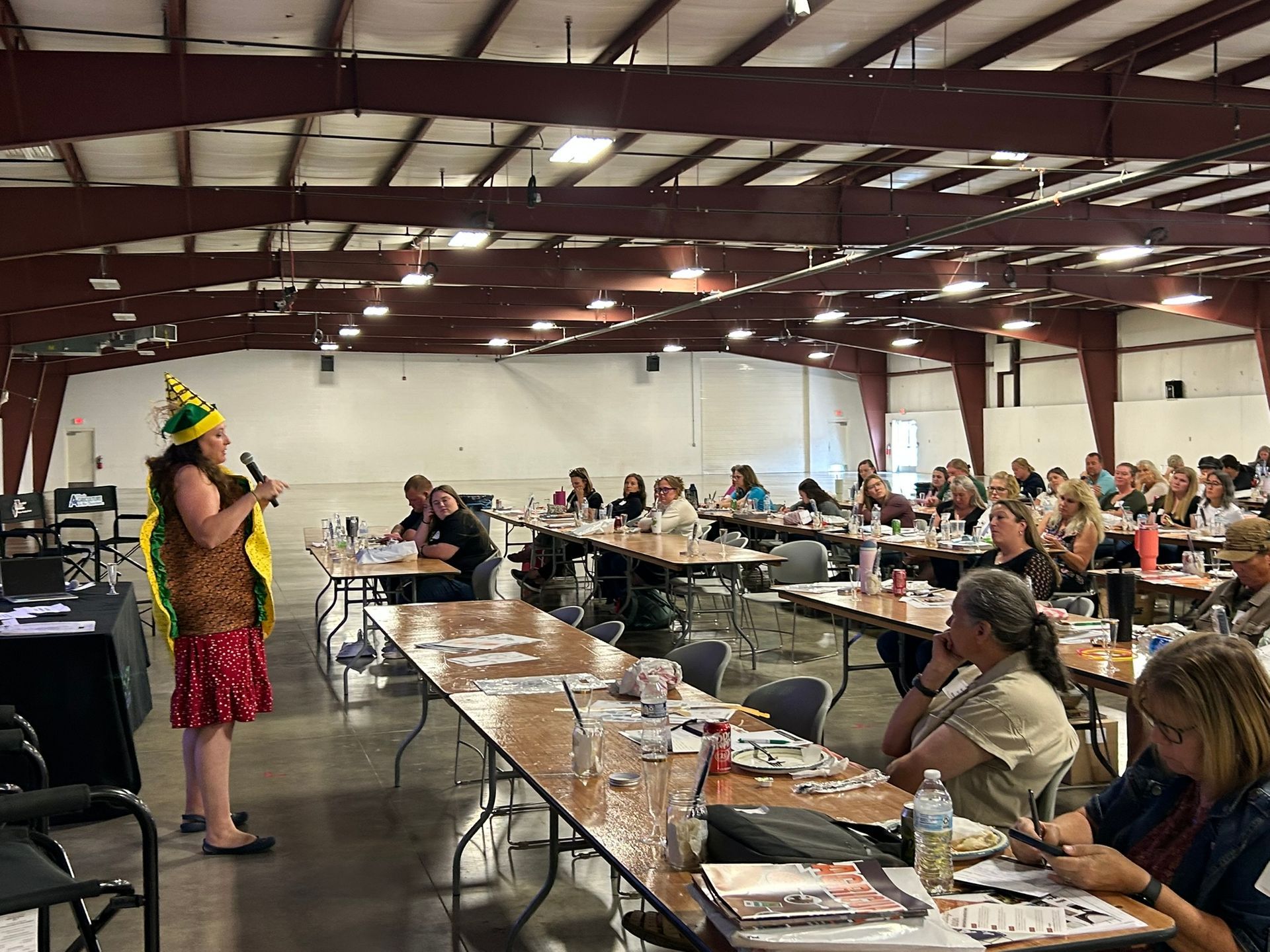
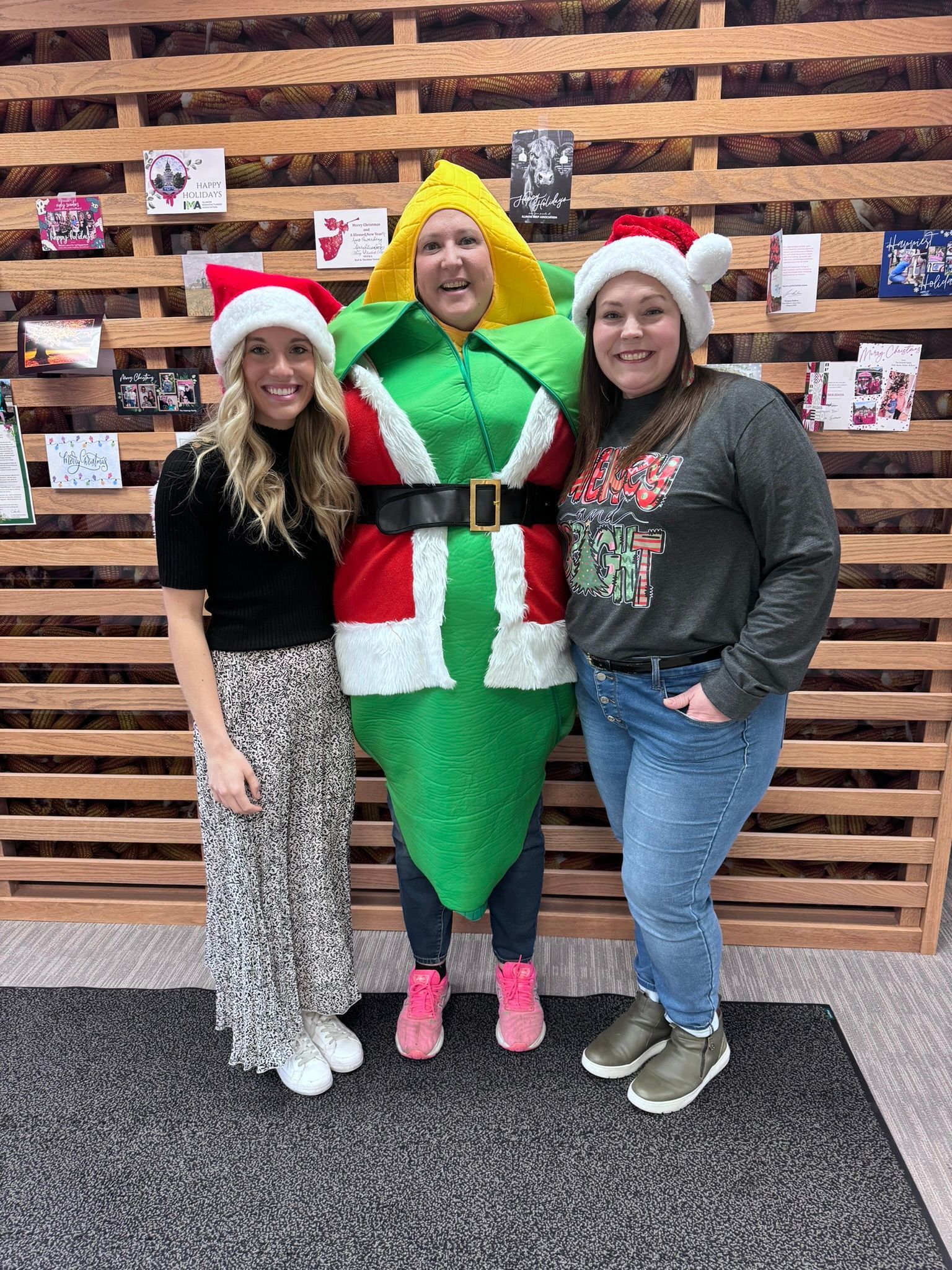
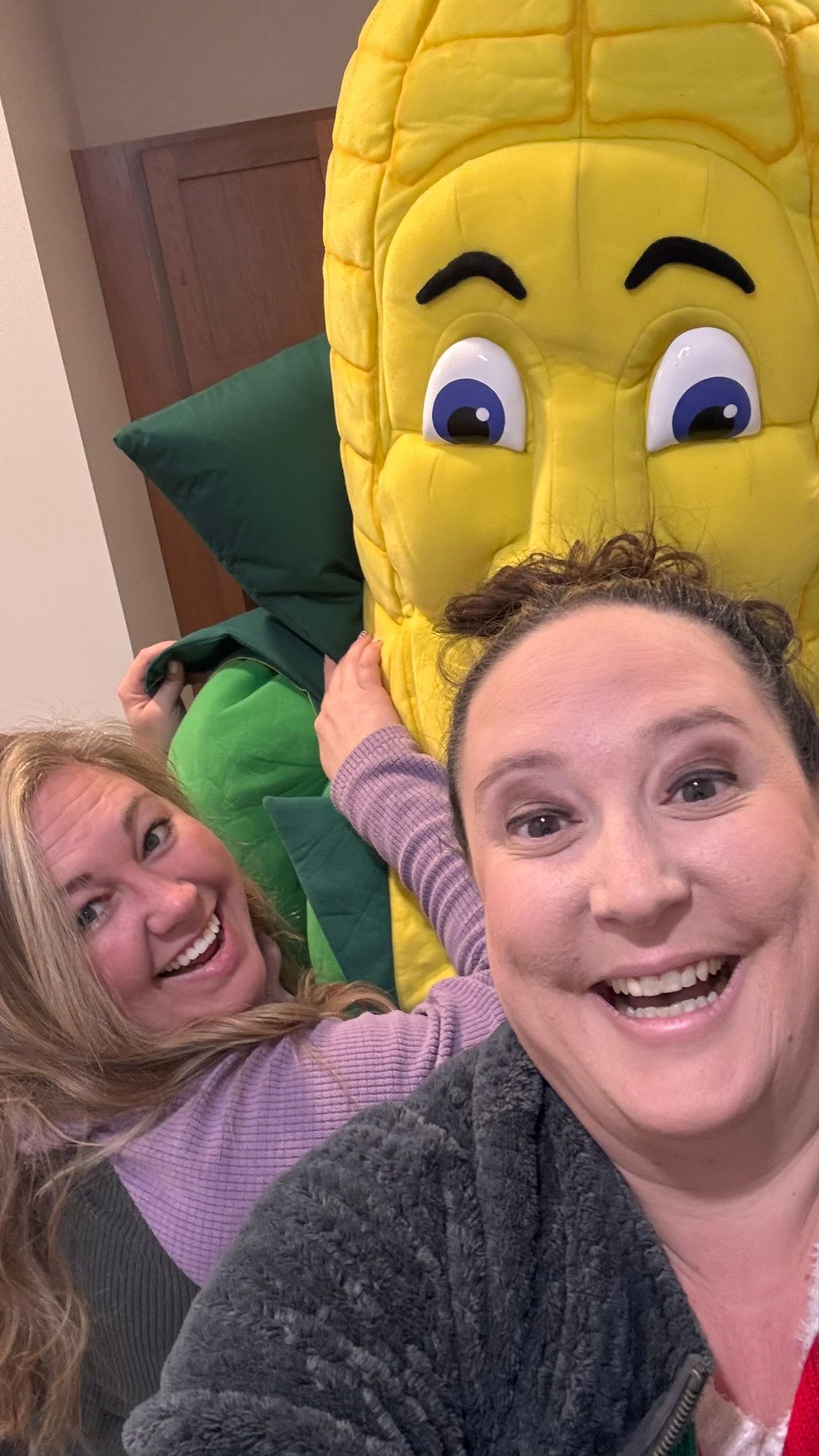
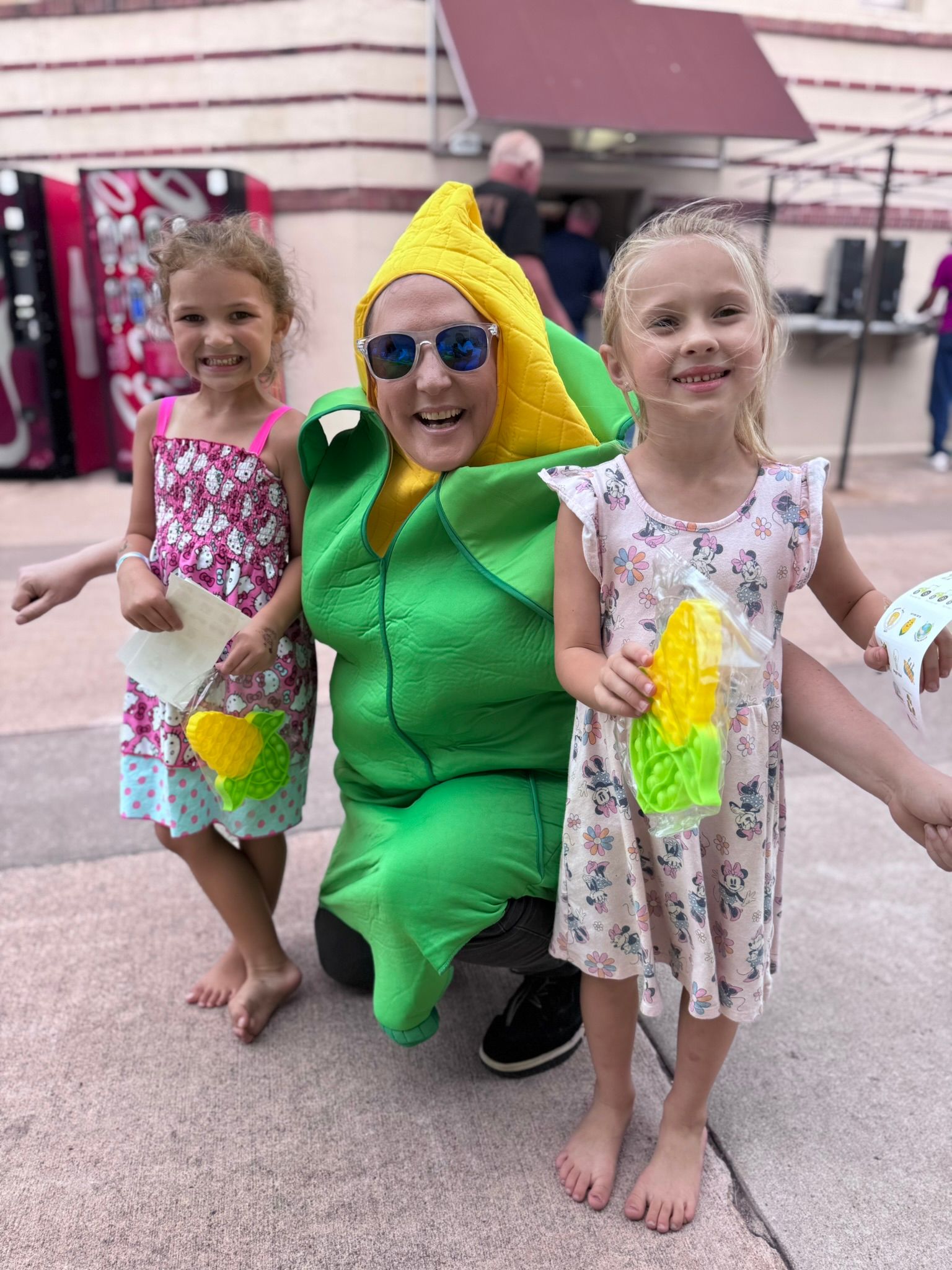
- And finally, I have acquired some very important professional assets: a corn dress and a corn costume. These are mine. I don't care what happens next in my career. If I ever leave IL Corn, those costumes are coming with me. They have become part of my identity, and frankly, I think it's important to have a wardrobe that reflects your professional expertise.
Not everyone can say they've built a career in communications and also own multiple outfits that make them look like a vegetable. (Technically, corn is a grain, but you get my point.)
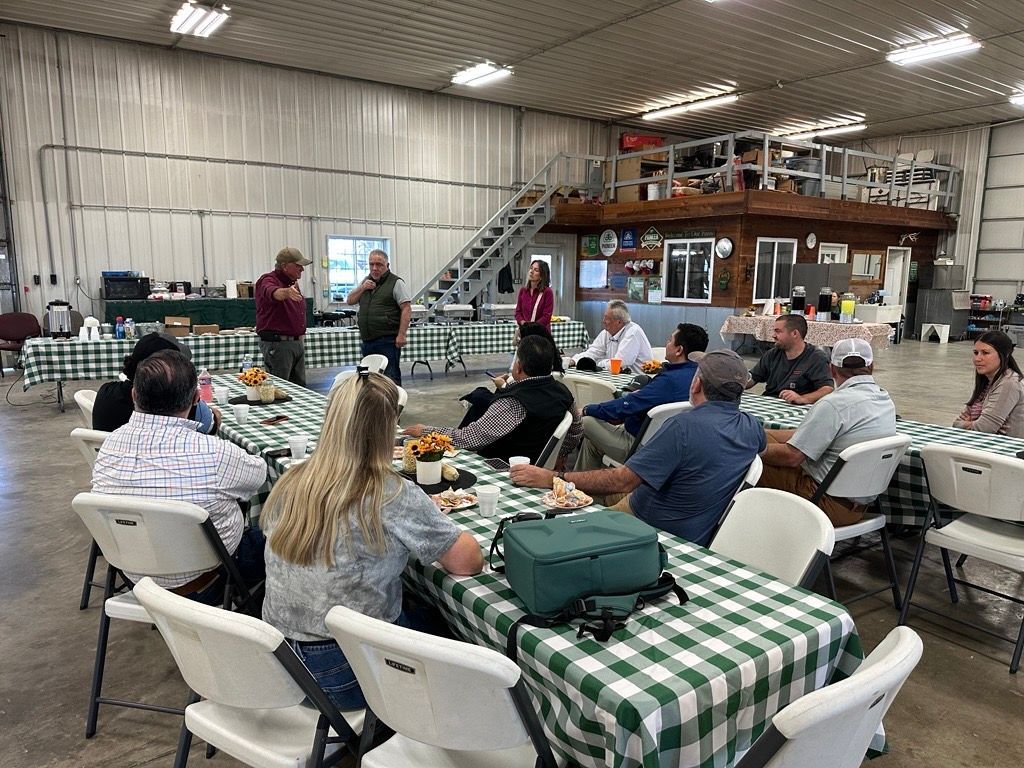
Five years later, I still enjoy my work. I enjoy visiting farms about once a week, talking with farmers, asking questions, and learning something new. I'm a sponge when it comes to information, and agriculture has given me an endless supply of things to be curious about.
I also know that the work we do at IL Corn reaches far beyond what most people see. There's research to support, misconceptions to address, stories to tell, and an entire industry that deserves to be better understood.
I came into this job thinking I was here to tell stories about corn. I've learned that I'm really here to tell stories about people.
The farmers who open their homes and farms to a complete stranger. The researchers who spend years working toward something that might change the future. The families who stand beside one another through difficult moments. The people who keep our transportation systems moving, our businesses operating, and our communities thriving.
And the people who might be struggling quietly while the rest of the world assumes they're doing just fine.
If there's one thing I hope people take away from my five years at IL Corn, it's this:
farmers are people, too. They're business owners, parents, spouses, neighbors, innovators, and members of our communities. They face uncertainty, financial pressure, changing markets, and the same personal challenges the rest of us face, sometimes with an extra helping of stress that most of us will never fully understand.
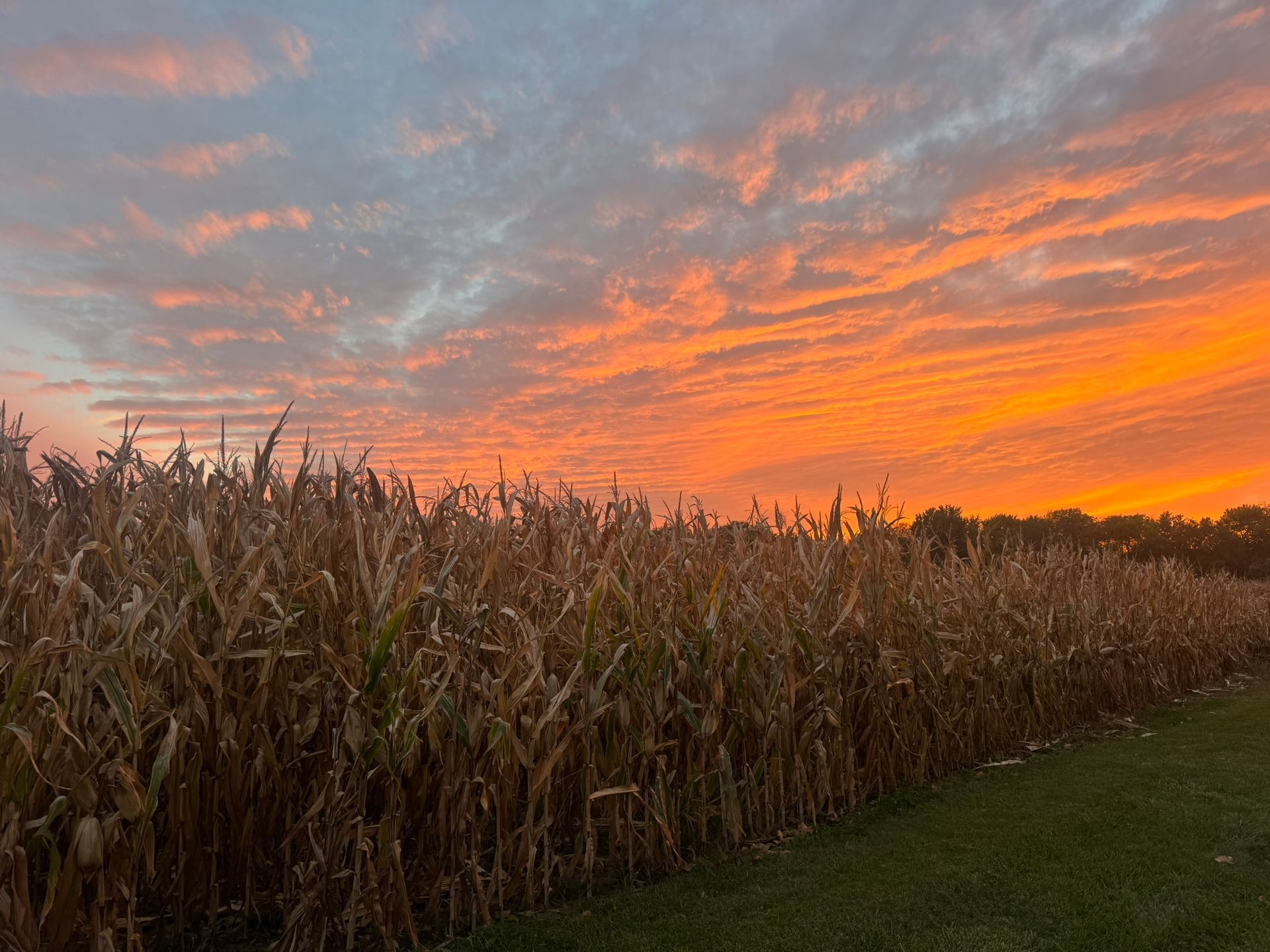
So the next time you drive past a cornfield, remember that there's a lot more happening behind those rows than meets the eye. And if you see a farmer, say hello. Maybe even give them the Midwestern wave.
Just don't ask me for my corn costume. That's staying with me.
Here's to five years of learning, laughing, asking questions, telling stories, and realizing that even when you grow up surrounded by corn, there's still a whole world of things you don't know about it.