

Homegrown Illinois corn is a sustainable crop that supports farm families, local communities, and Illinois’ economy.
Plentiful and powerful, corn is a 10,000+ year-old grain providing solutions to today’s big environmental challenges. From a better plastic option to renewable fuel to mitigating climate change, come explore the role we can all play in creating a future that’s better for our planet and better for us all.
LET'S CLEAR UP ANY CONFUSION ABOUT CORN USED AS FUEL FOR ETHANOL AND HOW TO CHOOSE IT AT THE PUMP.
FILLING UP ON FUEL MADE FROM CORN
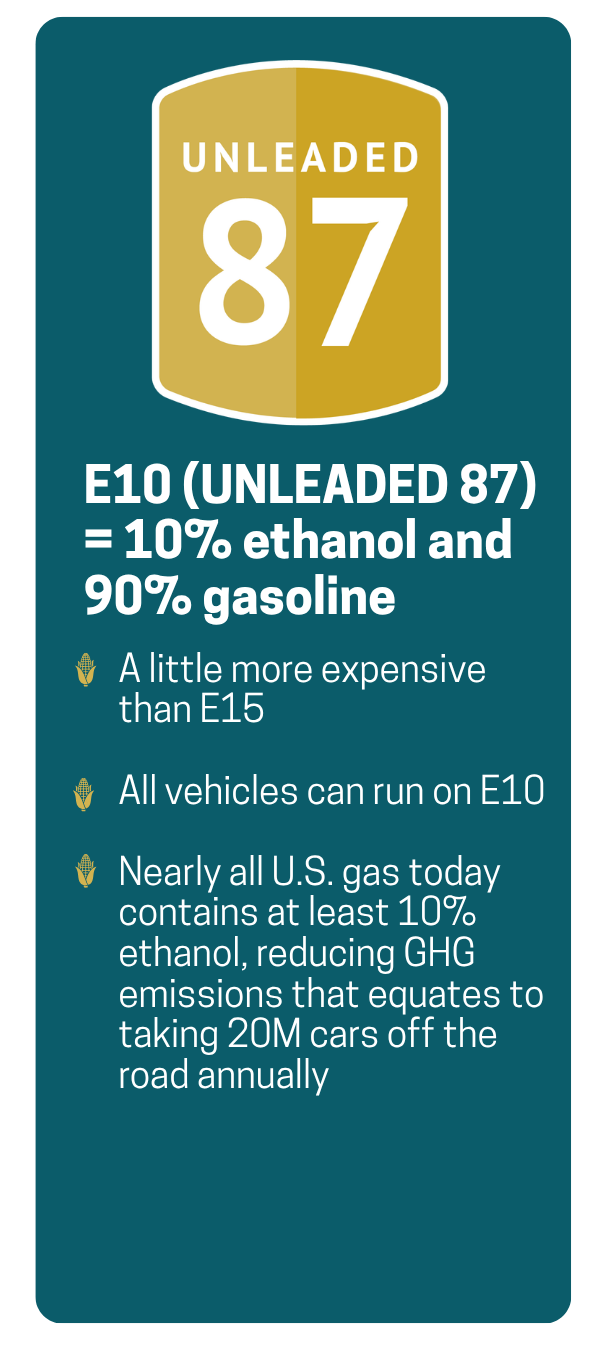
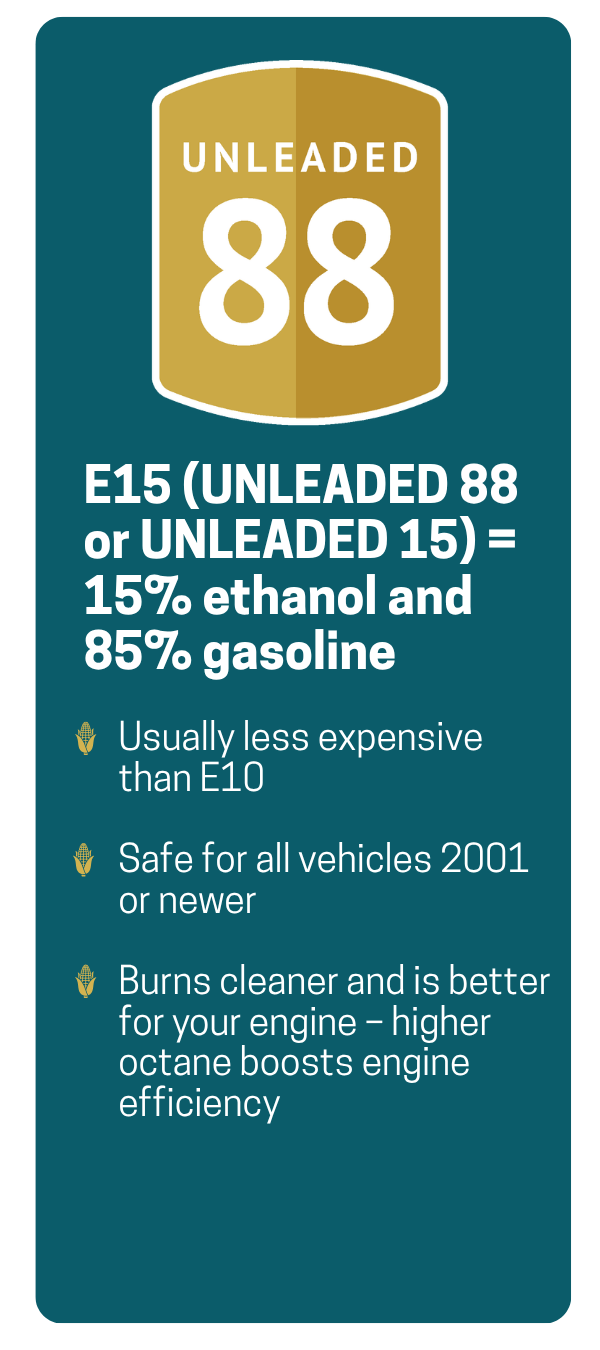
Almost all unleaded or “regular” fuel today is blended with 10% corn-based ethanol. Unleaded 88 (which you might see labeled as Unleaded 15 or E15) is fuel that contains up to 15% ethanol, burns cleaner and is safe for vehicles 2001 or newer.
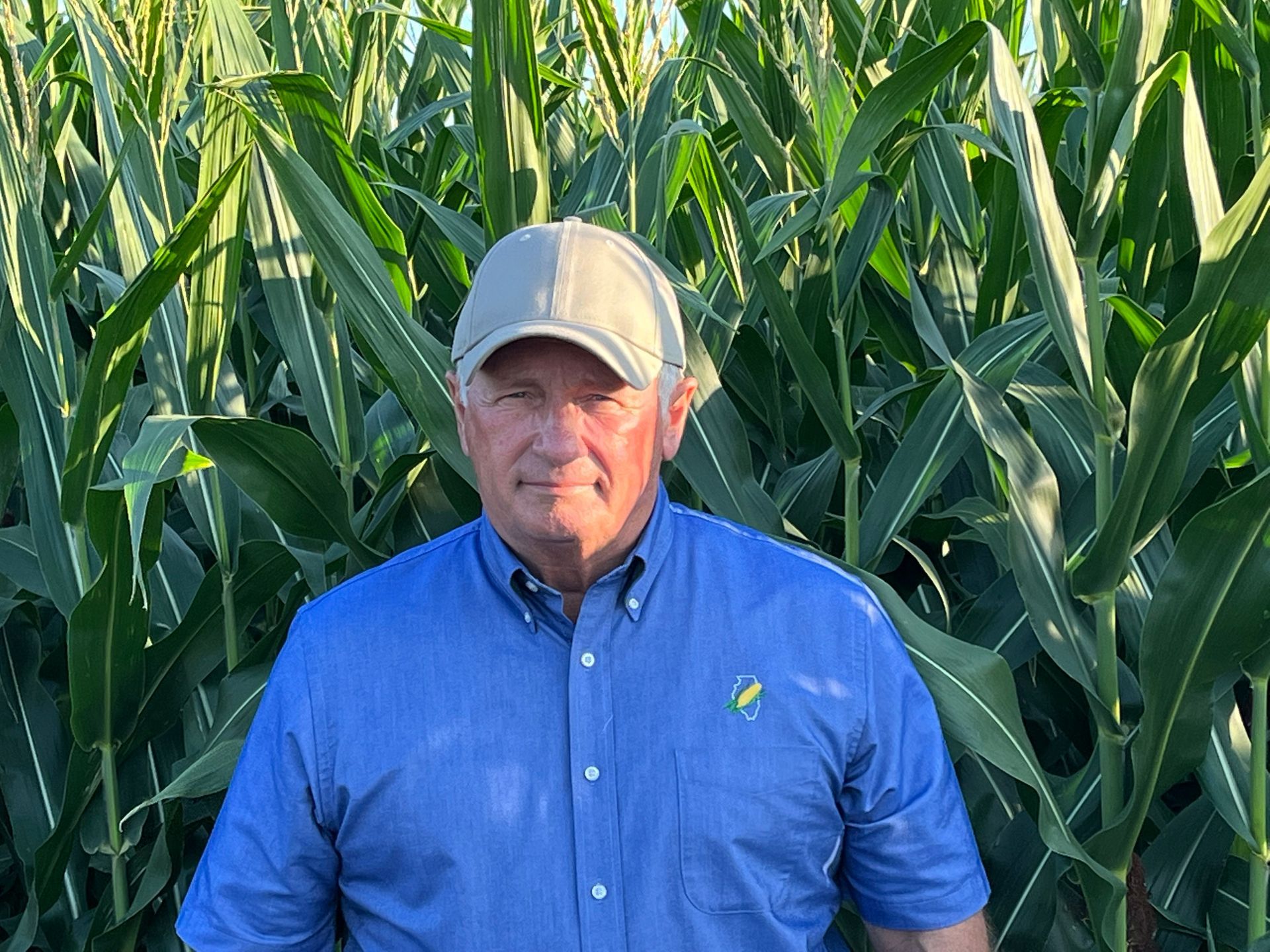
MARTY MARR
JACKSONVILLE, ILLINOIS
“We’re all feeling the pressure of inflation. The good news is, we have an immediate savings option at the pump with UNLEADED 88 or E15. This fuel type contains 15% ethanol, which means it’s also a renewable energy source grown by corn farmers like me.” Learn more about farmers like Marty Marr
FILL UP CONFIDENTLY WITH UNLEADED 88
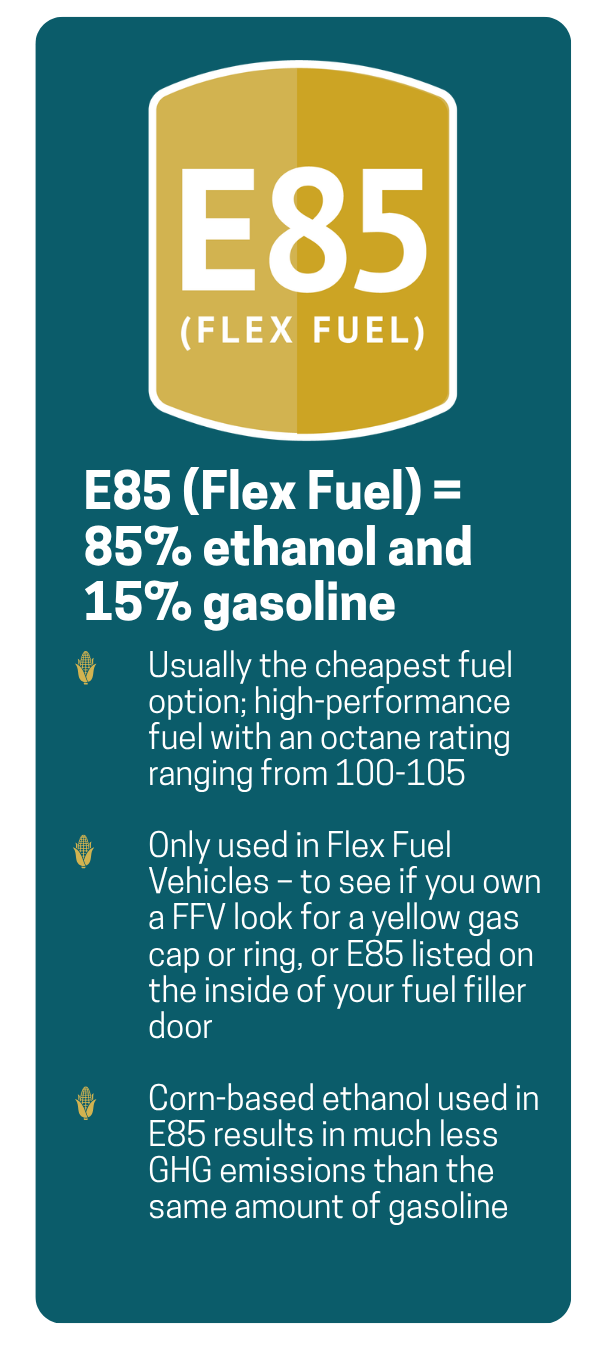
Gas pumps aren’t unlike grocery stores, offering an abundance of choices – some of which you may not really understand. So, we tend to go with what we know and opt for “regular” gas out of habit. Check out the comparison below to see the differences in fuel today.
“In Chicago and even in our rural areas, 40%-70% of our air pollution problems are from mobile transportation. We need to choose a fuel that’s a good clean-air choice.”
- Angela Tin, VP of Environmental Health, American Lung Association, Upper Midwest
Ethanol helps reduce our GHG emissions. And reduced emissions mean fewer health issues, like cases of respiratory illnesses, asthma, heart disease, lung disease, cancer and even fewer premature deaths. Plus, ethanol helps lower gas prices by expanding supplies and reducing the need for imports.
Reference: https://ethanolrfa.org/consumers
THE ECONOMICS BEHIND ILLINOIS CORN
96% of Illinois farms remain family-owned and operated. Their dedication to continuous improvement is in part why Illinois is #1 in the nation for corn economic output.
The state’s annual corn crop provides more than $148 billion in annual economic value to Illinois.
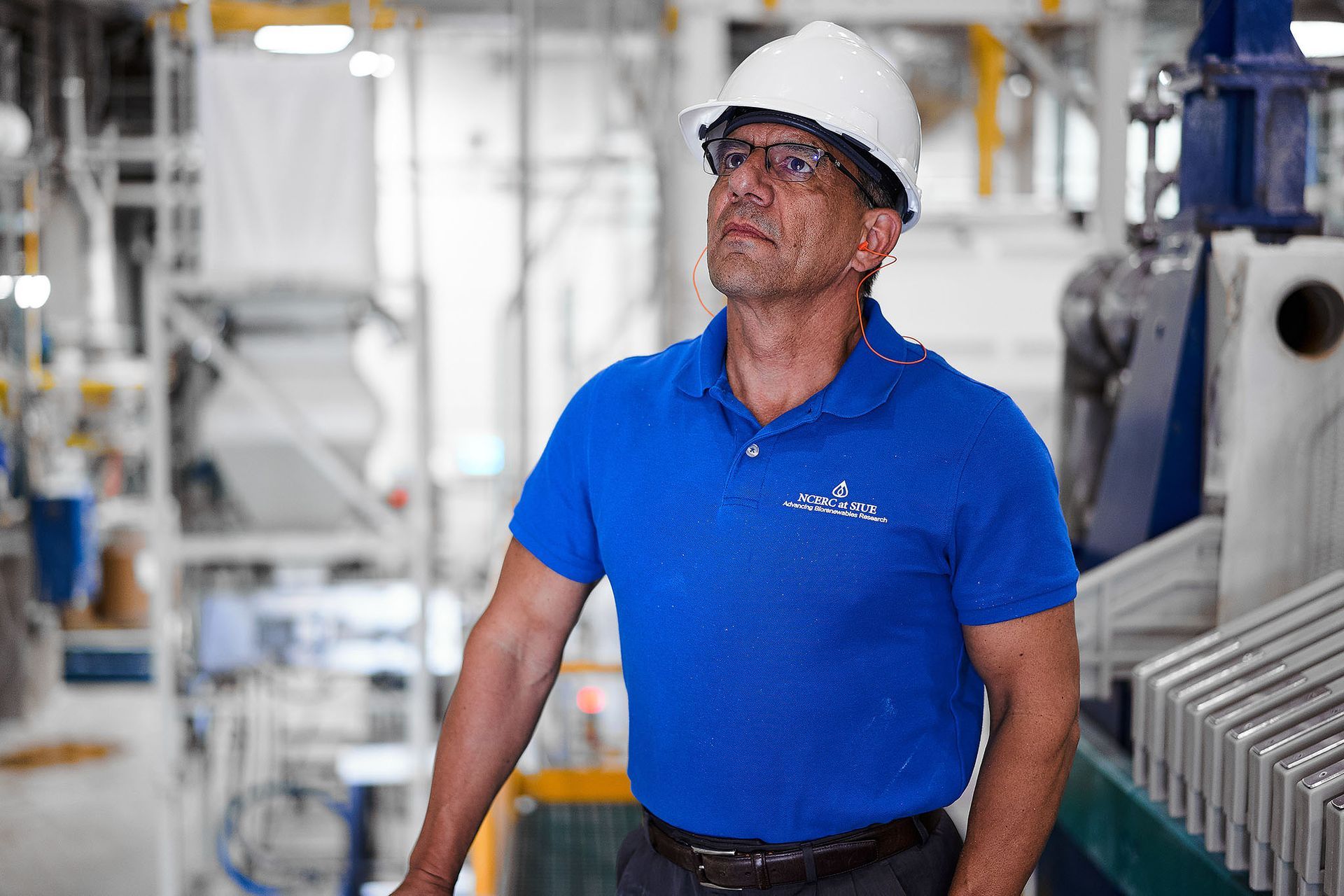
CORN-CONNECTED JOBS
Thousands of Illinois jobs have a connection to corn – from
the farmers themselves to seed companies, transit workers, food companies, and more.
HOW CORN IS USED
Most of Illinois’ corn goes to other countries. In fact, Illinois
is the largest corn-exporting state in the nation.
Corn is also used for ethanol, livestock feed, food and industrial uses like bioplastics.
MOVING CORN NEAR AND FAR
From its robust rail system to its thousands of waterways, Illinois was built for transporting a crop like corn.
CORN CAN BE FOUND IN PRACTICALLY EVERY ILLINOIS HOME AS OUR FAVORITE FOODS, OTHER HOUSEHOLD PRODUCTS, AND NOW BIOPLASTICS.
See how this ancient grain that’s been grown for more than 1,000 years is now used in an innovative way.
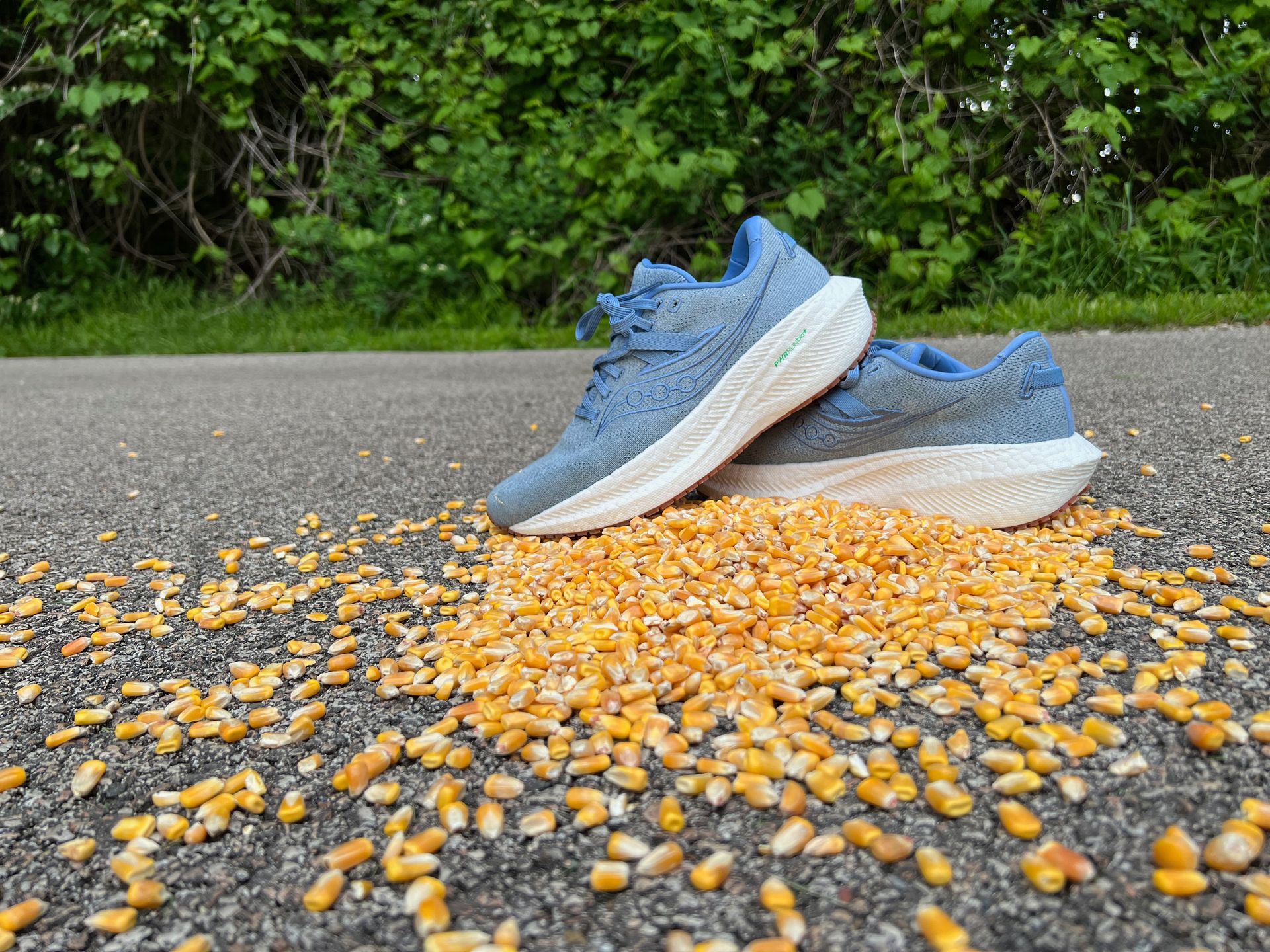
COMPANIES USING CORN-BASED MATERIALS
As brands make changes to use more environmentally
friendly materials, they are considering plant-based sources like corn.
CORN BIOPLASTICS COULD HELP OUR CARBON FOOTPRINTS
According to research, biobased plastics could reduce
industrial greenhouse gas (GHG) emissions by 25%.
NEW YEAR, NEW CROP
Every growing season brings a new crop, making corn a renewable resource.
YOUR EVERYDAY ESSENTIALS COULD BE MADE WITH CORN
As consumer concern about plastic pollution grows, 1 in 3 adults say they have reduced their use of plastic products over the past five years.
An alternative to traditional plastic made from petroleum is corn-based
bioplastic.

ALEXIS HARTMAN
"I’m looking for ways to reduce my own environmental footprint and eliminating single-use plastics is just one way of doing that. Bioplastics made from plants can be an alternative to traditional plastic, and I feel good about plant-based plastics that are made from crops grown right here in Illinois. Do the research and make a choice that works for you." Learn more about farmers like Alexis Hartman
WATERLOO, ILLINOIS
BREATHING EASIER WITH BIOFUELS
Renewable fuel from corn reduces emissions and allows us all to breathe a little easier. Illinois corn and soybean farmer Elliott Uphoff and American Lung Association executive Angela Tin are creating a sustainable solution to our growing energy needs. Learn more about Illinois farmers like Elliott
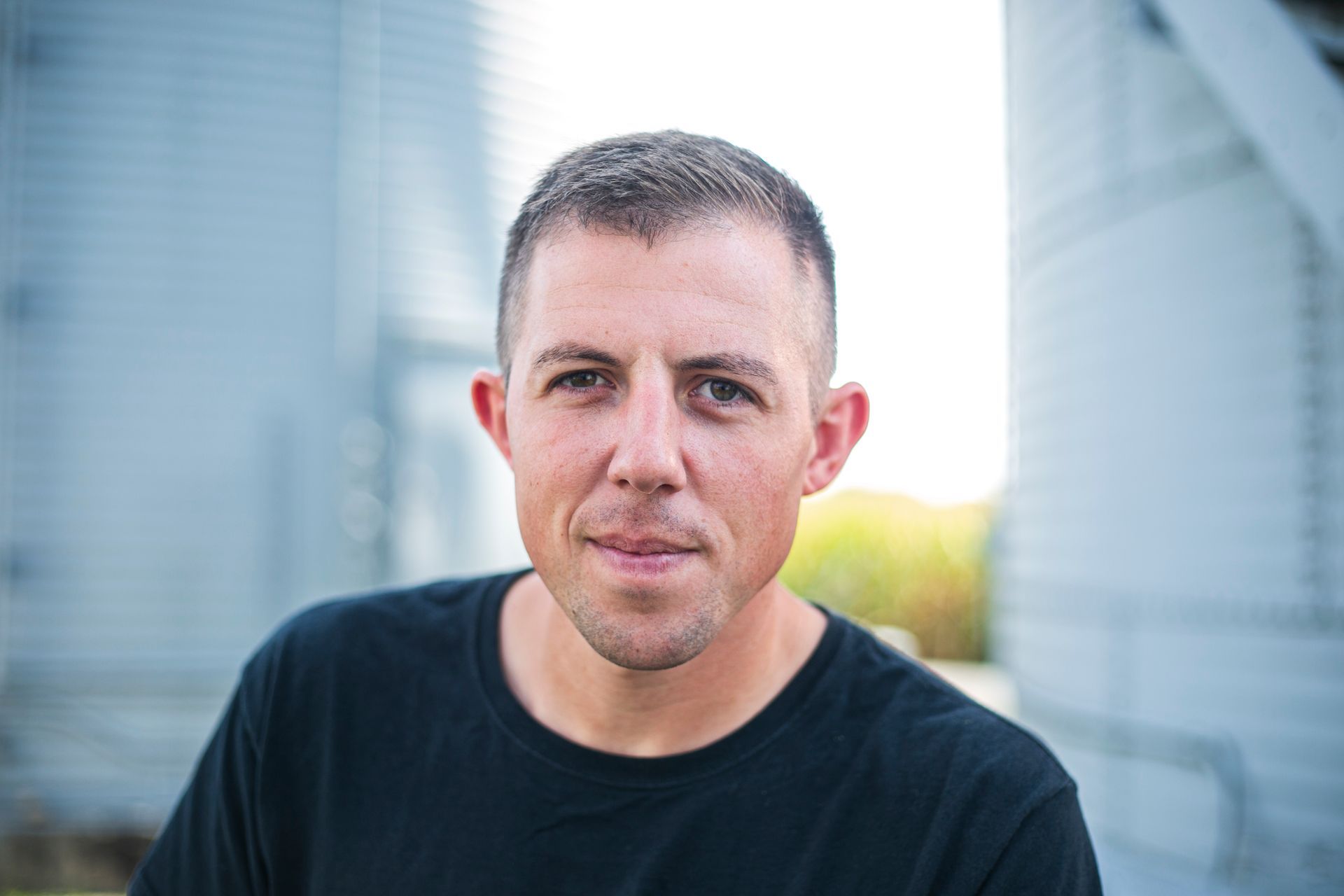
ELLIOTT UPHOFF
“Farmers want clean air just like everybody else. We can grow biofuels that help clean the air and save the environment, right here in Illinois.”
SHELBYVILLE, ILLINOIS
CATALYSTS FOR CLIMATE CHANGE SOLUTIONS
We respect how the choices we make to keep our farms sustainable impact the future of our planet. So it’s not very surprising to find that on farms across the state, those growing corn for food, fuel and other essentials are proudly working, from the ground up, to be part of our climate change solutions.

SMART FARMING
Precision tech like auto-steering and GPS field maps reduce
overall fuel use as well as pesticide and fertilizer applications.
SOIL HEALTH
The soil is a farmer’s No. 1 asset. Adopting practices like
planting cover crops protect
the soil over winter, reducing erosion
and improving soil health allows soil to retain more water,
keeping important nutrients in the field and out of our waterways.
CARBON SEQUESTRATION
Growing corn pulls CO2 from our atmosphere
and less tilling of fields captures carbon in the soil, reducing GHGs.
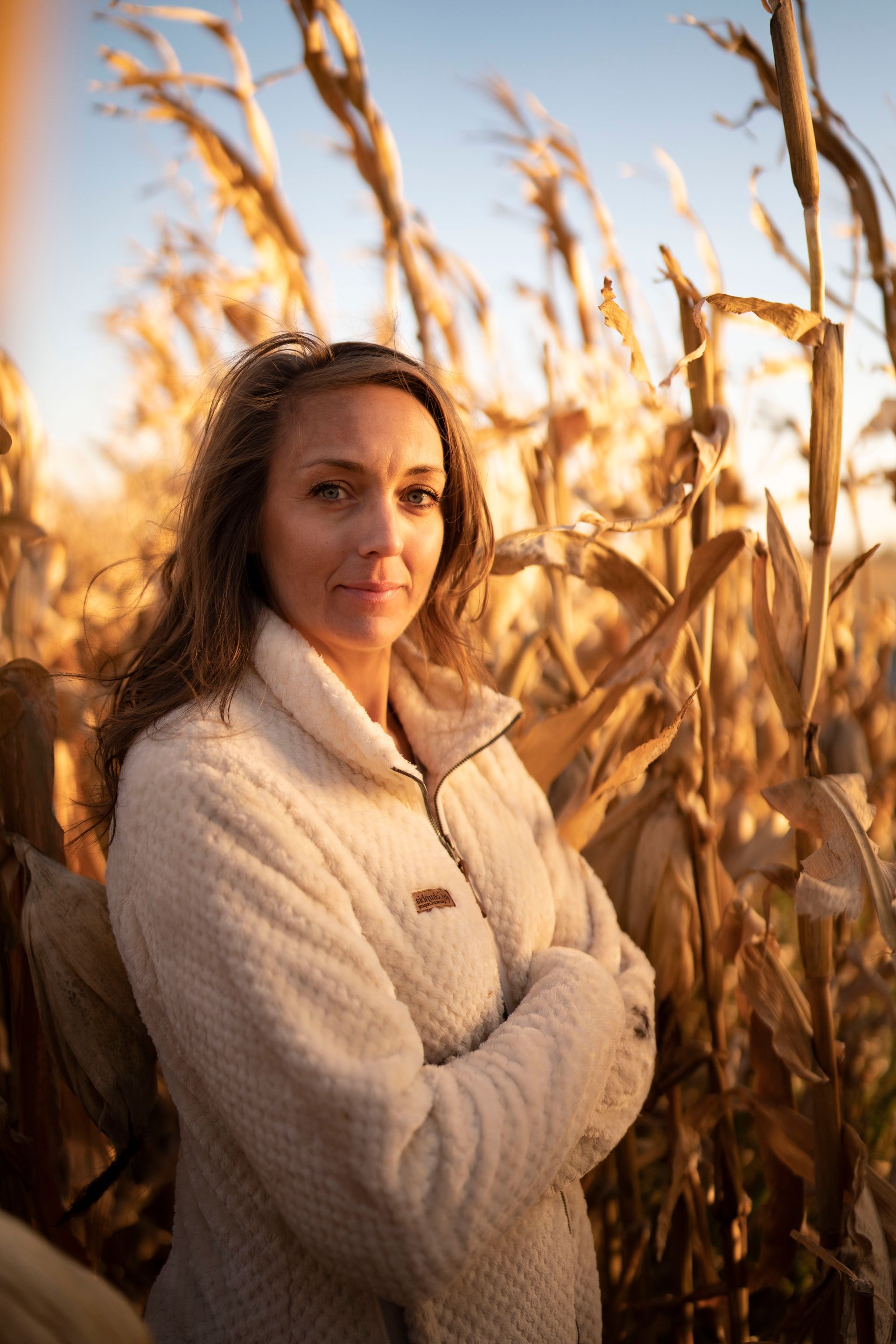
KRISTA SWANSON
“If one of our kids was really into computers, they might be the most valuable person on our farm 20 years from now. Technology is already playing an incredible role on the farm, not only in creating more efficiencies but also in how we protect and nurture the land while reducing our impact on the environment.” Learn more about farmers like Krista Swanson
ONEIDA, ILLINOIS
Mission: Through grassroots advocacy, create a future for Illinois farmers in which they can operate freely, responsibly, and successfully.