
How U.S. Meat Exports to Japan Move Illinois Corn
By John Klemm & Tara Desmond • October 8, 2026
DeWitt County farmer and IL Corn Marketing Board director John Klemm recently went on a trade mission with the U.S. Meat Export Federation (USMEF), an organization IL Corn has supported for many years. He sat down with Brownfield Ag News anchor Jared White to talk about what he learned and how harvest is shaping up back home.
Why IL Corn Invests in Meat Exports
For Klemm, every funding decision at the board table comes back to one question: does it help move the pile of corn? Livestock is one of corn’s largest end uses, so every pound of U.S. beef and pork sold overseas represents Illinois corn moving through the market.
“Each of us (farmers) can only do so much,” Klemm said. “It’s hard for our reach to get beyond Illinois, and even harder to get beyond the U.S. so when IL Corn Marketing Board partners with an organization like USMEF, it really strengthens our ability to reach much farther.”
The mission took the group to processing facilities, the U.S. embassy and USDA representatives, a culinary school, and a sit down with Japanese buyers. At one plant, he saw boxes of product shipped straight from U.S. packing plants.
Adding Value to Cuts Americans Pass Up
One of the biggest surprises was how differently Japanese consumers value the animal. Beef tongue and other variety meats, cuts with little demand in the U.S., are premium products in Japan and sell at premium prices.
“I’m going to choose a T-bone over a variety meat cut every time,” Klemm said. “But they’re not. And that’s okay.” That difference adds value to the whole carcass and, in turn, to the corn that fed it.
A Mature Market with Room to Grow
USMEF has had a presence in Tokyo for nearly 50 years, so Japan is a stable, established market rather than an emerging one. Klemm still sees real opportunity. The mission closed with a trade seminar and tasting event that drew more than 500 buyers, many of them new prospects. The group also heard about an embassy-hosted, backyard-barbecue-style celebration of America’s 250th anniversary that drew thousands of attendees and showcased American products.
Harvest Update from DeWitt County
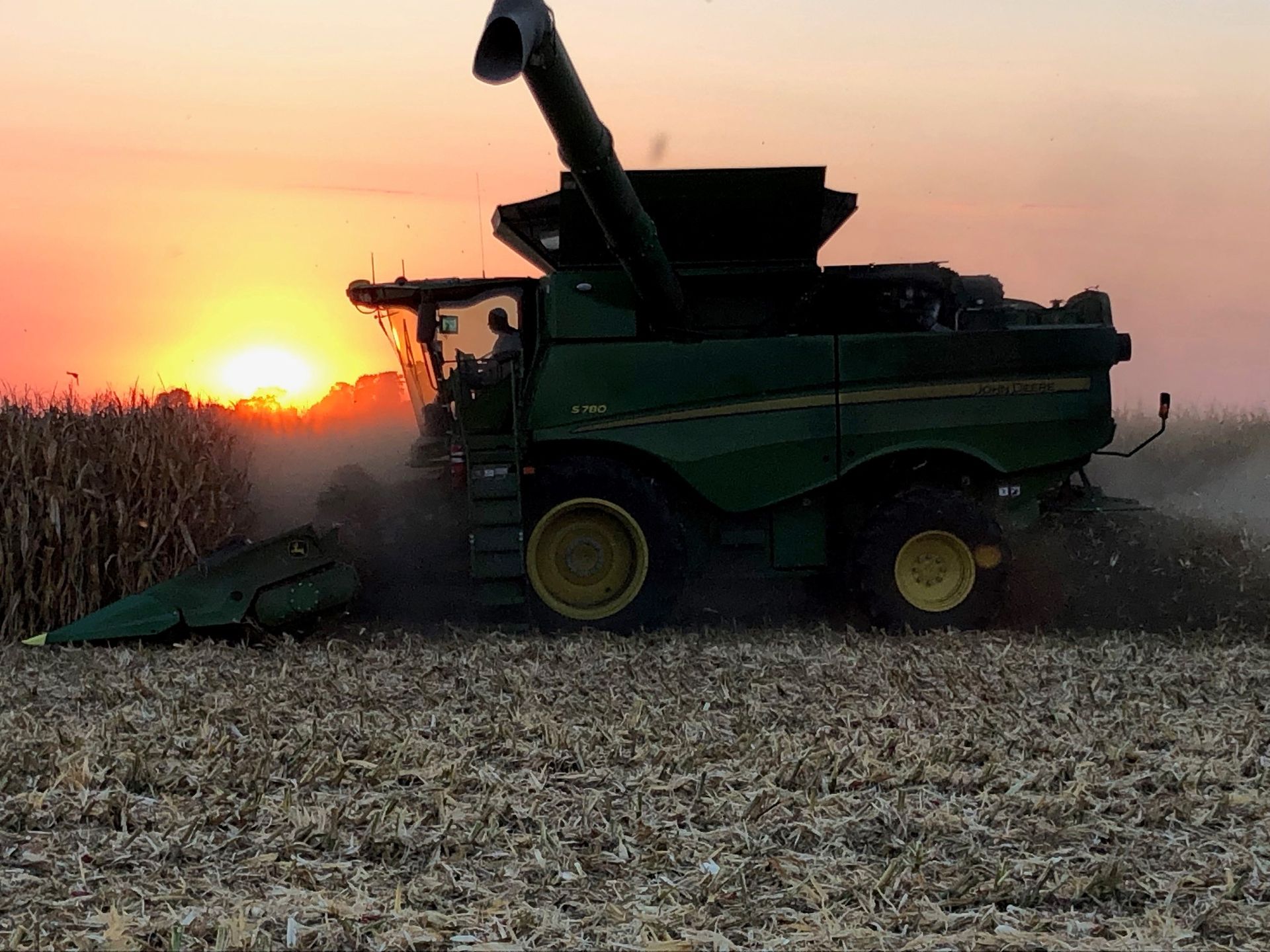
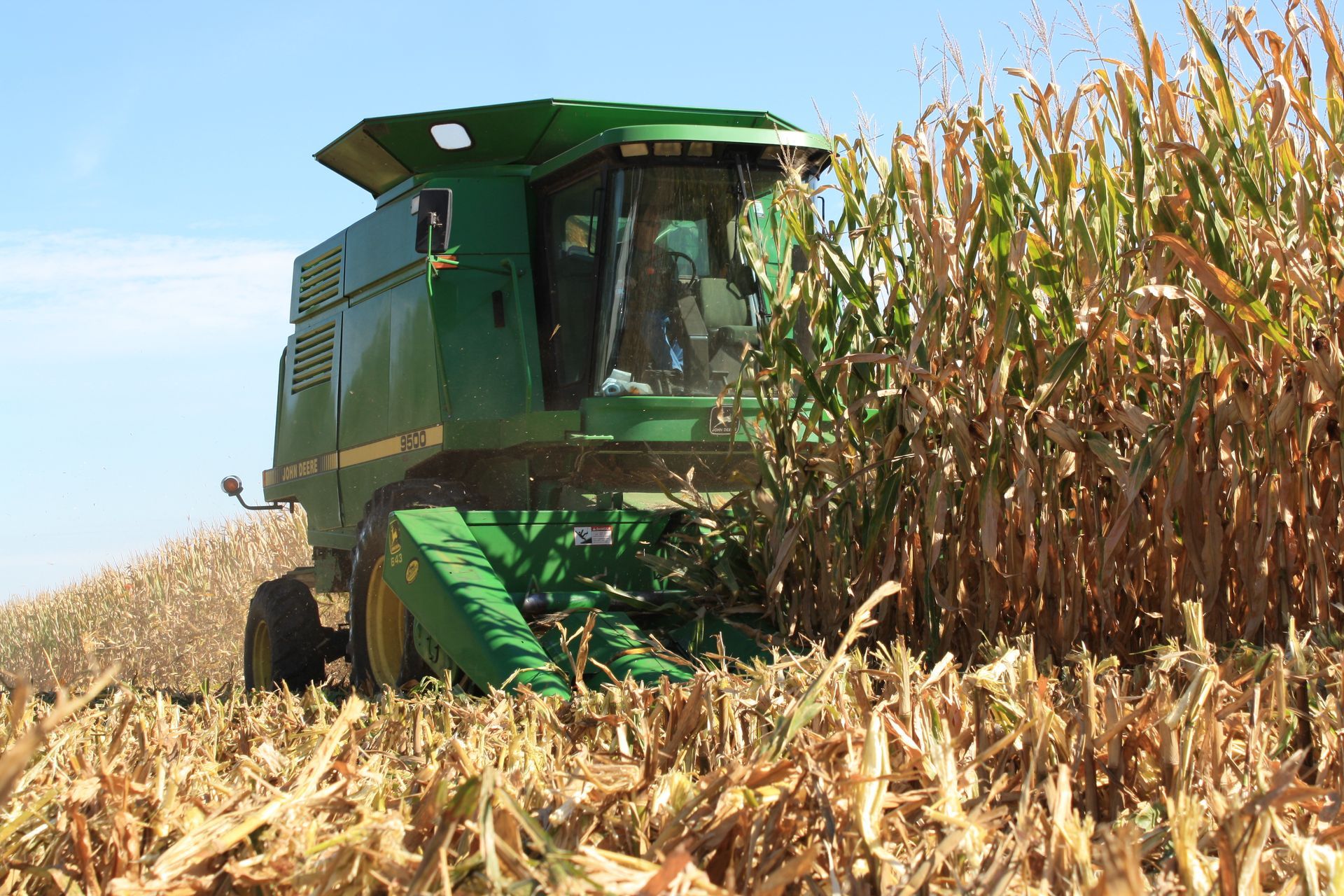
Back home, harvest has been underway for about a week, but corn is wetter than Klemm would like. His 107-day hybrid planted around May 5 is running 21.5 to 22% moisture, well above what he’d normally see by late September. He expects to switch to soybeans soon and let corn dry in the field.
After a season that swung from dry to very wet and back again, Klemm estimates corn yields will land 10 to 15% below his five- to ten-year average, still respectable but short of expectations. Low spots in fields show the most stress. With diesel prices already elevated, extra drying adds to a high-cost year, but Klemm plans to stick with his fertilizer program and cut costs elsewhere.