
IDOA Set to Launch Andydrous Ammonia Grower Training

December 9, 2020
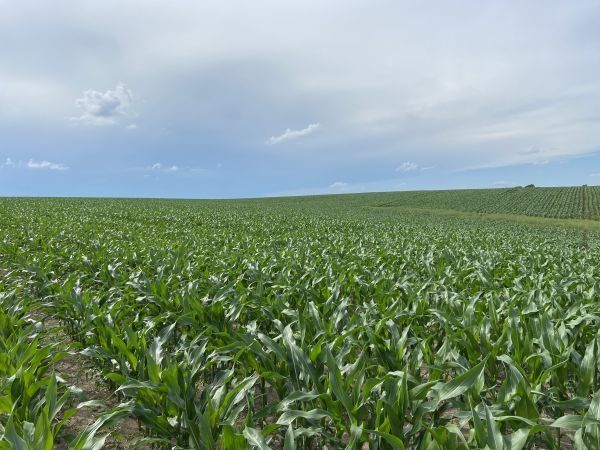
A field of corn plants growing in the sun on a cloudy day.

By: Krista Lisser

The Illinois Department of Agriculture (IDOA) announced a new anhydrous ammonia grower training platform available online January 1, 2021.


Illinois farmers and any of their employees or family members who help transport or apply anhydrous ammonia are required by state regulation (8 IAC 215) to participate in the mandatory training approved by the Illinois Department of Agriculture. Training must be completed by April 1, 2022. Once completed, growers receive a certificate valid for three years to provide upon request to their anhydrous ammonia retailer. In-person training sessions will begin when state mitigations for Covid-19 determine it is safe to gather in a group setting.

“Anhydrous ammonia is an important tool for farmers that if handled improperly can be deadly,” said Jerry Costello II, IDOA Acting Director. “The Department alongside the agriculture industry created a grower training platform that provides a source for new information and continuing education keeping our farmers and citizens safe.”


The Department training module was developed in consultation with Illinois Farm Bureau, Illinois Fertilizer and Chemical Association, Illinois Corn Growers Association and the Illinois Soybean Association.


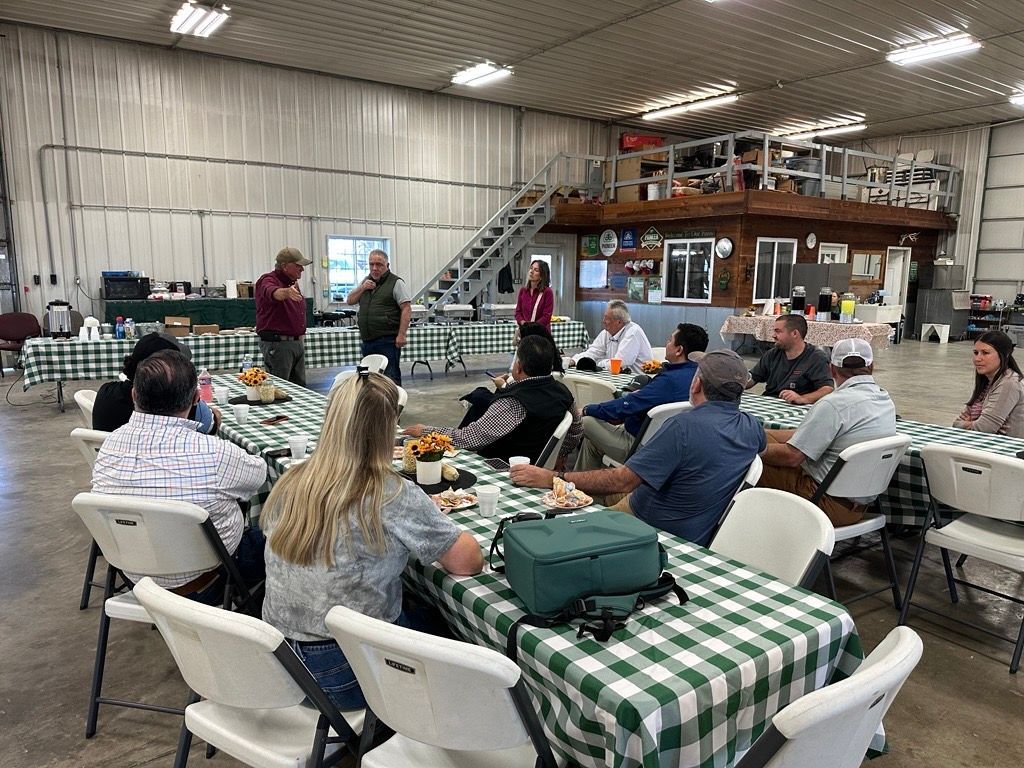
The Department and interested agriculture organizations are soliciting qualified volunteers interested in delivering in-person training to growers.


For those interested in providing in-person training the IDOA requires the following qualifications:

  • Minimum 5 years’ experience in the anhydrous ammonia industry; practical experience with storage, application and equipment operation, inspection, maintenance and use;
  • Comfortable speaking to groups and ability to relate to growers for Q & A interaction;
  • Experience or have technical support on-hand in using computer/projector/microphone for the presentation and have access to suitable meeting rooms or outside venues to conduct training, including venues that can accommodate COVID-19 guidelines for in-person events.
  • Good organization and communication skills and ability to maintain and transmit training rosters to IDOA.
  • Be a Certified Competent Attendant certified by attending an IDOA-sponsored training; attend this training annually to continue training


If interested in becoming a trainer for Illinois growers, please contact Jeff Squibb at the Illinois Department of Agriculture 217 785 8212 (office), jeff.squibb@illinois.gov, John Rebholz at the Illinois Fertilizer and Chemical Association 309 827 2774 (office), john@ifca.com, Travis Deppe at the Illinois Corn Growers Association 309 557 3257 (office), tdeppe@ilcorn.org, Mike Levin at the Illinois Soybean Association 309 808 3606 (office), levinm@ilsoy.org or Lauren Lurkins 309 530 0398 or llurkins@ilfb.org at the Illinois Farm Bureau.


Dr. Yan Zhang, Justin Moore, Rod Weinzierl, Rep. Nikki Budzinski, Dr. Christopher Slaten, and Dr. Pr
By Lyndi Allen May 26, 2026
Congresswoman Nikki Budzinski is requesting federal funding for the National Corn-to-Ethanol Research Center through her Community Project Funding requests.
Shane and Taylor
By Tara Desmond May 21, 2026
Solinftec's Solix robot uses AI to target weeds in real time, cutting chemical use up to 90%. Solar-powered, autonomous, and built for Midwest farms.
Photo taken in McLean County Museum of History
By Tara Desmond May 21, 2026
Illinois Ag Across Time - Episode 2: Tracing 200 years of Illinois farm families, innovation, and the land that fed a nation.
Don Meyer
By Tara Desmond May 21, 2026
Illinois Ag Across Time — Tracing 200 years of Illinois farm families, innovation, and the land that fed a nation.
Hammer striking corn kernels on a wooden surface, with kernels scattering in a rustic barn setting
By Lyndi Allen May 21, 2026
Ethanol is a powerhouse for American farms, fuels American vehicles, and has strengthened America’s economy for decades, but remains one of the most misunderstood fuels on the road today.
Cargo containers lined up at a port beside a canal, under a bright sky
By Lyndi Allen May 21, 2026
For decades, America’s inland waterways operated on a system that couldn’t keep up—aging infrastructure, delayed projects, and a funding model that forced farmers and shippers to wait.
Show More