
Illinois Corn Farmers Fuel Global Success with the U.S. Grains Council
Tara Desmond
May 8, 2025
Celebrating 65 Years of Trade, Market Growth, and Farmer Impact
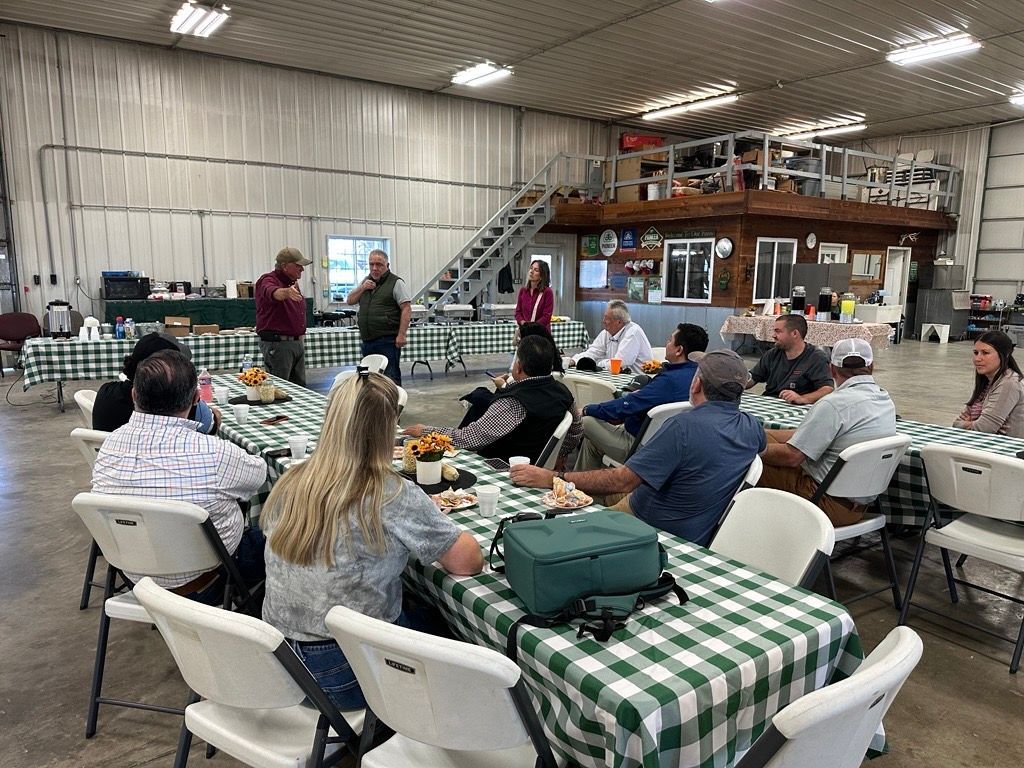
As the U.S. Grains Council (USGC) celebrates its 65th anniversary, it's clear that Illinois corn farmers have played a key role in driving global trade success. Ellen Zimmerman of USGC recently joined us to reflect on the Council’s history, its future opportunities, and why Illinois farmers’ investments truly matter.
A Look Back: 65 Years of Global Impact
- First major success: The USGC flew Iowa hogs to Japan to help rebuild their herd and boost feed demand. Today, Japan remains a top-five corn customer.
- Ethanol in Japan: Illinois corn has been instrumental in advancing ethanol use in Japan from EBT testing to future opportunities like sustainable aviation fuel.
What’s Next: Promising Global Markets
Ellen highlighted several exciting opportunities on the horizon:
- India
- Moving from E10 to E20 ethanol blend.
- Clean cooking ethanol programs that improve safety and affordability.
- Opportunities for corn and DDGS in their livestock market.
- Africa
- First-ever DDGS shipment to Tunisia in 2022.
- Ethanol demand growing in Nigeria.
- Poultry and feed programs opening doors in new markets.
Why Your Investment Matters
- Double the impact: For every checkoff dollar, USGC secures at least one more in federal grant funding.
- High ROI: Market access and foreign development programs return $24 for every $1 spent.
- New funding: The Regional Agricultural Promotion Program (RAPP) has brought $33 million in additional resources to expand global programs.
A 51-Year Partnership with IL Corn
- Ellen's connection to Illinois Corn goes back to 2015 when she shadowed staff to learn the ropes.
- Longtime friendships and collaboration have fueled international success stories from Argentina to Marrakesh.
- Leaders like Jim Raben and Collin Watters have represented Illinois well on the global stage.
Final Thought
"If you're contributing to the checkoff, you’re making a huge impact,” Ellen says. “You’re part of the story.”
By Lyndi Allen
•
September 3, 2026
This week, U.S. Secretary of Agriculture Brooke L. Rollins announced the U.S. Department of Agriculture (USDA) Data Modernization Plan to put Farmers First, reduce unnecessary burdens on producers, and improve the timeliness, accuracy, and usefulness of the data that informs agricultural decisions. USDA data informs crop and livestock estimates, risk-management tools, disaster assistance, and critical business decisions made by farmers, ranchers, agribusinesses, researchers, and policymakers. In February 2026, Secretary Rollins issued a Request for Information seeking feedback on the opportunities, challenges, and emerging areas in USDA data. That feedback helped shape the USDA Data Modernization Plan and its four pillars: Modernize the Data Reporting Experience: USDA will expand use of administrative data, improve mobile access to surveys, explore opportunities to use prefilled information where appropriate, and strengthen coordination across the Department. These changes will reduce duplicative requests and limit the amount of time producers spend reporting information. Enhance Acreage and Yield Estimation: USDA will conduct a pilot to evaluate the use of improved satellite imagery, geospatial tools, crop models, and other emerging technologies combined with essential producer-reported information to enhance acreage and yield estimations. USDA will also assess the use of optional field inputs to enhance and ground truth yield estimates and continue advancing yield research through collaboration with agricultural partners and land-grant universities. Integrate Data and Technology Platforms: USDA will modernize its technology infrastructure, expand secure data-sharing capabilities, and evaluate the responsible use of tools such as artificial intelligence and machine learning. Better integrated systems will improve efficiency, reduce duplication, and allow USDA to produce more timely and useful information. Expand Trust and Transparency with Producers: USDA will protect producer privacy, clearly explain why information is requested and how it is used, and create additional opportunities for producers to provide feedback. USDA will also improve communication surrounding reports, methodologies, response rates, and data limitations. USDA will begin implementing actions under the plan immediately and will continue engaging farmers, ranchers, and agricultural stakeholders throughout the process. The Department will evaluate new approaches carefully, protect privacy and confidentiality, and publish clear methodologies and supporting information to maintain the integrity of USDA’s agricultural statistics. See USDA’s Full Data Modernization Plan