

Illinois Farmers and PepsiCo Partner to Reduce CO2 Emissions by 8,155 Metric Tons

April 22, 2020
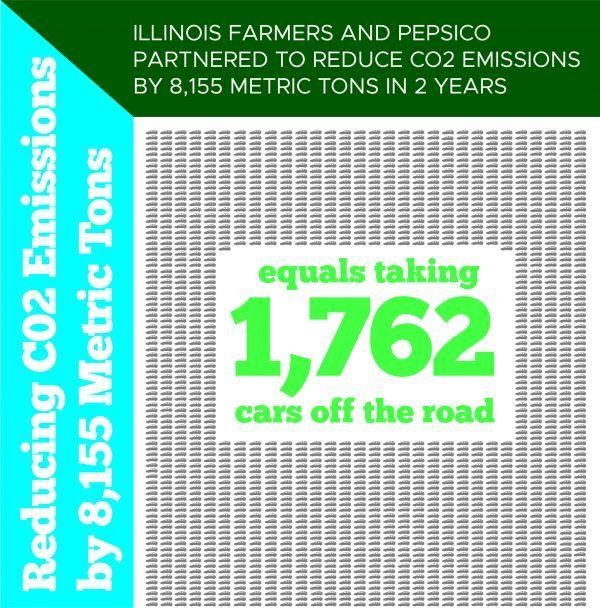
A poster that says illinois farmers and pepsico partnered to reduce co2 emissions by 8,155 metric tons in 2 years

Illinois farmers are partnering with PepsiCo and other large corporations across their supply chain to achieve large reductions in carbon emissions. In the first two years of the project, participating farmers have reduced CO2 emissions by 8,155 metric tons, equivalent to taking 1,762 cars off the road.


The project is part of PepsiCo’s efforts to help build a more sustainable food system.

 As a global food and beverage company, agriculture makes up the largest portion of their footprint. The company’s climate strategy related to agriculture goes hand in hand with their sustainable sourcing goals. Through PepsiCo’s Sustainable Farming Program, they promote and support practices that lead to better yields, improved soil health, lower deforestation and productivity for farmers, which also leads to GHG emission reductions.

In Illinois, Precision Conservation Management (PCM), IL Corn’s premiere conservation program, is working with PepsiCo to drive change at the farm level and achieve these substantial emissions reductions.


“PepsiCo is a leading example of how consumer packaged goods companies can partner with farmers to work towards their sustainability goals. PepsiCo understands that investing in farmers and helping farmers understand the financial and environmental benefits to changing farm management practices is the best way to make positive climate impacts,” said Dr. Laura Gentry, Director of Water Quality Science for IL Corn.


Farmers working with PepsiCo are primarily growing cover crops where cover crops were not grown before. This farm management change impacts the soil health of the farm, reduces the usage of inputs on the farm, lessens soil erosion and nutrient runoff, creates habitat for wildlife, and – most importantly – captures carbon.


Of the 63 farmers in Illinois working with PepsiCo, 38 are growing cover crops on acres that haven’t grown cover crops in previous years.


“PepsiCo’s partnership and funding has made a real difference in Illinois farmers’ willingness to implement new practices, and these financial incentives allow farmers to offset some of the risk while making changes to their farm management practices,” said Travis Deppe, Director of PCM. “Farming is a small family business. Farmers struggle to take on unnecessary risks without some reasonable promise of return on investment. PepsiCo is making serious investments in their sustainability goals by coming alongside farmers and rewarding the efforts of good stewards.”

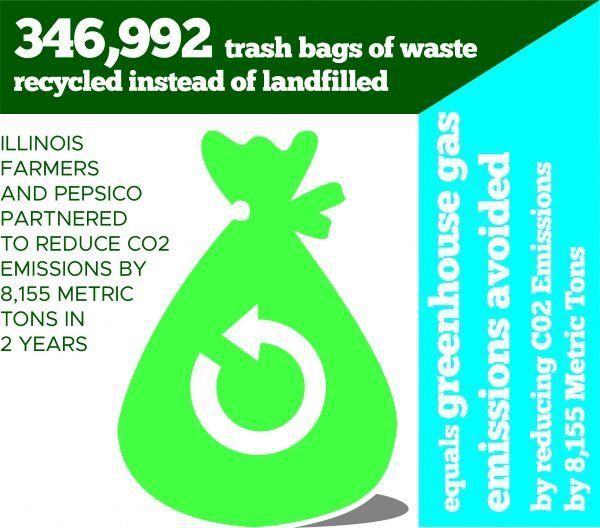
A green bag with a recycling symbol on it
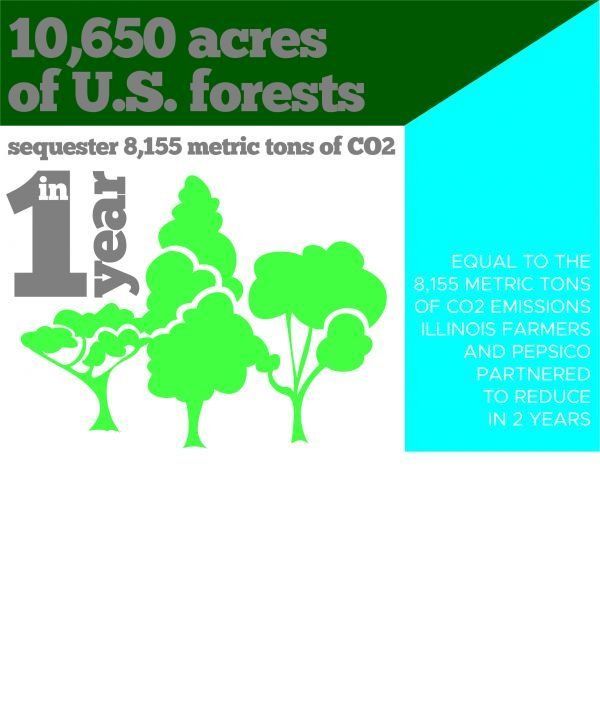
A poster that says 10,650 acres of u.s. forests in 1 year
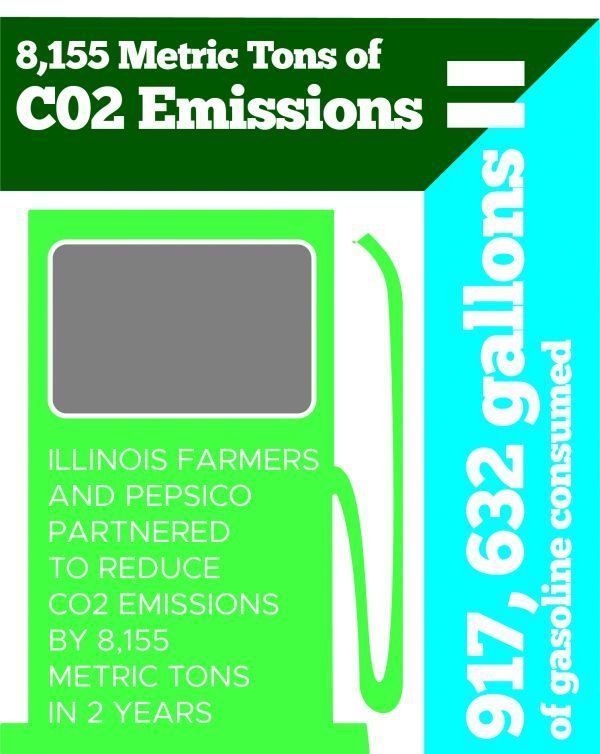
A green sign that says 8,155 metric tons of co2 emissions
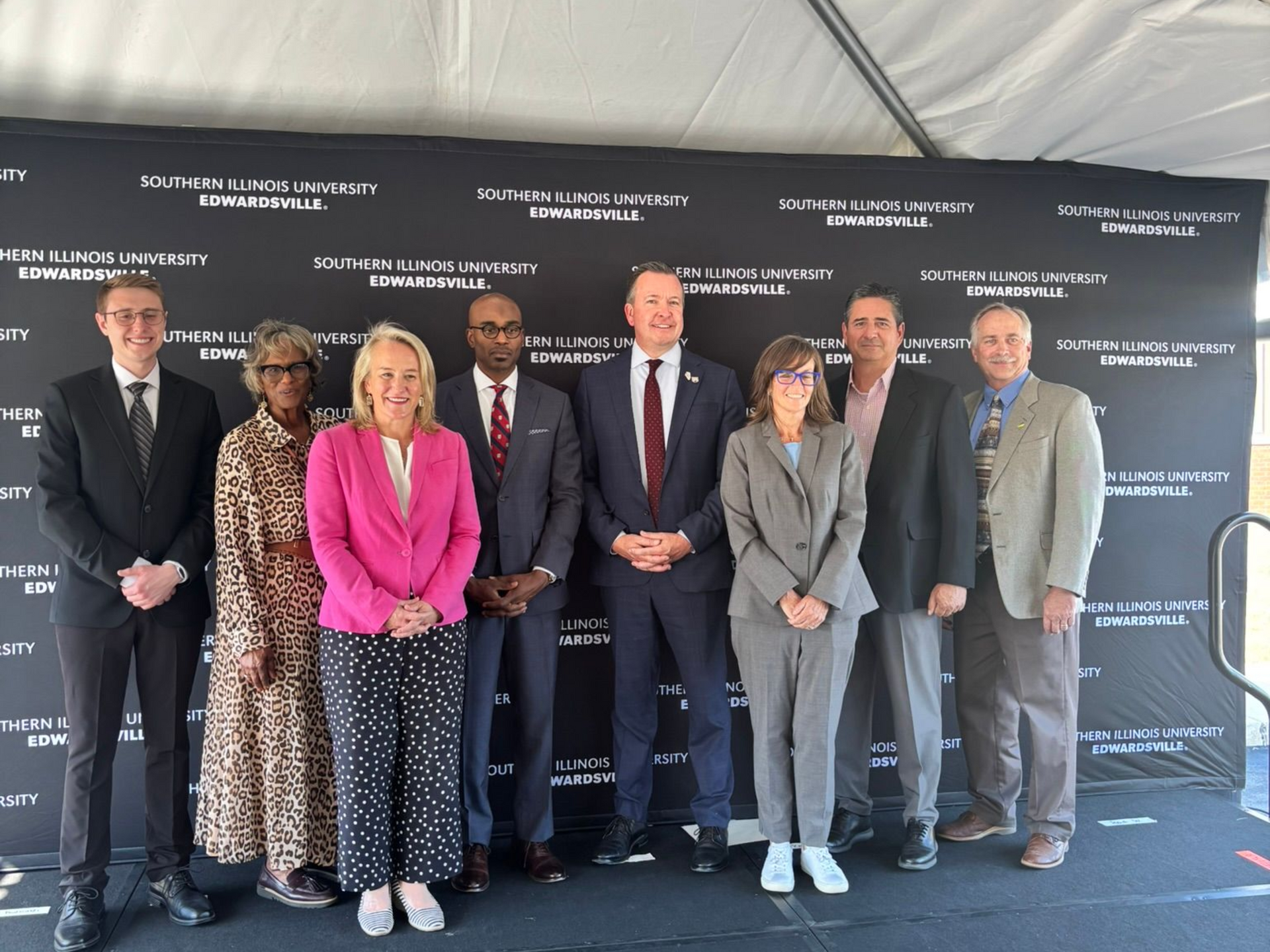
Dr. Yan Zhang, Justin Moore, Rod Weinzierl, Rep. Nikki Budzinski, Dr. Christopher Slaten, and Dr. Pr
By Lyndi Allen May 26, 2026
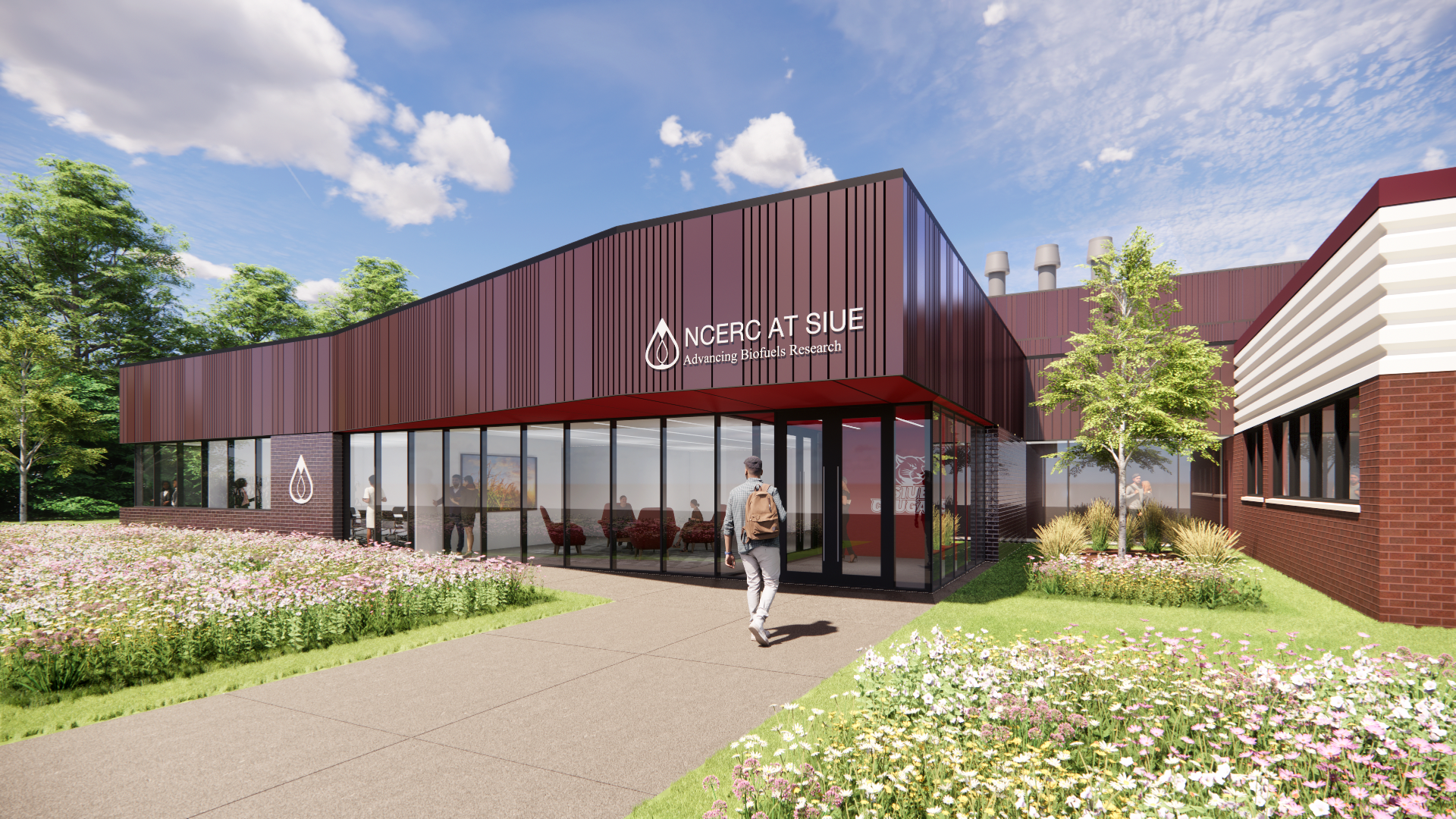
Congresswoman Nikki Budzinski is requesting federal funding for the National Corn-to-Ethanol Research Center through her Community Project Funding requests.
Shane and Taylor
By Tara Desmond May 21, 2026
Solinftec's Solix robot uses AI to target weeds in real time, cutting chemical use up to 90%. Solar-powered, autonomous, and built for Midwest farms.
Photo taken in McLean County Museum of History
By Tara Desmond May 21, 2026
Illinois Ag Across Time - Episode 2: Tracing 200 years of Illinois farm families, innovation, and the land that fed a nation.
Don Meyer
By Tara Desmond May 21, 2026
Illinois Ag Across Time — Tracing 200 years of Illinois farm families, innovation, and the land that fed a nation.
Hammer striking corn kernels on a wooden surface, with kernels scattering in a rustic barn setting
By Lyndi Allen May 21, 2026
Ethanol is a powerhouse for American farms, fuels American vehicles, and has strengthened America’s economy for decades, but remains one of the most misunderstood fuels on the road today.
Cargo containers lined up at a port beside a canal, under a bright sky
By Lyndi Allen May 21, 2026
For decades, America’s inland waterways operated on a system that couldn’t keep up—aging infrastructure, delayed projects, and a funding model that forced farmers and shippers to wait.
Show More