Illinois Farmers Win NCGA Photo Contests

February 10, 2022
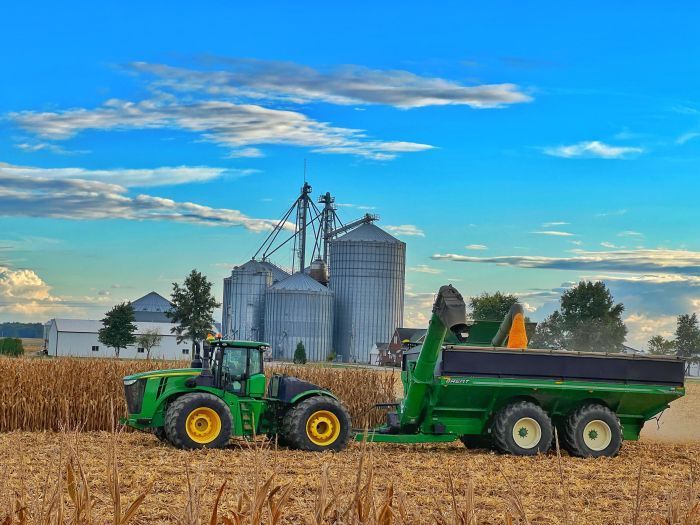
A green tractor is pulling a trailer in a field.

The grand prize winner of the National Corn Growers Association(NCGA) 2021 photo contest is Todd Wachtel from Altamont, IL. NCGA does this contest every spring and gives out 26 prizes with different categories.


IL Corn caught up with Todd to get to know a little bit about him. A 5th generation farmer from Altamont, IL, Todd, his father and uncle grow corn and soy. “I was lucky enough to get to farm for 20 years with my grandfather as well,” says Todd. Growing up he loved the farming lifestyle and has been happy to provide the same opportunity to his son. While still loving the lifestyle, he currently enjoys seeing how quickly technology is changing all aspects of farming.

When we asked why he entered the NCGA photo contest Todd said, “Every farmer loves driving the tractor and combine, but may also admit that after several long days it’s nice to have a distraction. My favorite distraction over the last several years has been farm photography. I used to carry a DSLR camera with me in the cab until I decided that that these newer generation cell phones have amazing cameras and I really don’t need the big, clunky camera with me. With so many people becoming farther removed from the farm, I’ve enjoyed using social media to share farming photos to keep people up to date with what’s going on. I’ve entered the contest the last 3 years and won a couple of first place prizes. Winning the Grand Prize was very exciting this year.”

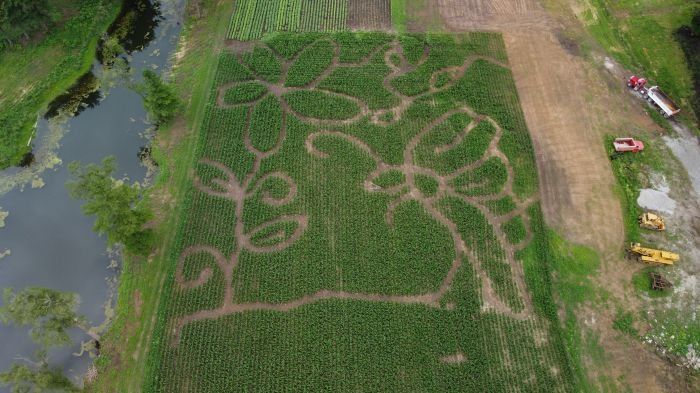
An aerial view of a corn maze in a field.

Todd mentioned seeing one of his previous photo entries on a main stage at a NCGA conference and it feeling surreal. He entered several photos this year and was surprised that the drone selfie was selected as a winner out of all of them. His personal favorite of the ones he sent in is this one:

Illinois had 3 other winners including:

  • Macullum Steen, Naperville, IL
  • 3rd place in the Farm Family Lifestyle Category
  • Dave Peters, Manteno, IL
  • 1st place in the Bird’s Eye View Category
  • Kate Danner, Aledo, IL
  • 3rd place in the Bird’s Eye View Category

Kate Danner is also a part of the Illinois Corn Growers Association Board. To create her photo, she made the image in her corn field via field prescriptions. The image was set to a zero population, so as she planted, the rows shut off to make the image. That image turned into a corn maze.

She set out to create this a-maze-ing thing because this was her first year expanding into flower production and it was a creative way to tell the story behind the farm and flowers (Kate grows flowers, corn and soy). Throughout the maze, she had different facts of corn farming like 96% of farms are managed by families and there are over 6,000 end uses of corn like animal feed, fuel, and exports. 

Lou Lamoreux Farm
By Tara Desmond September 3, 2026
Livestock farmer Lou Lamoreux talks about his farming operation.
captain Cornelius at shake it up cocktail lounge
By Tara Desmond September 3, 2026
4.29M bushels of U.S. corn fueled beverage alcohol production in July 2026 alone — up 54% from July 2025. Corn's in your Labor Day toast!
aerial view of short corn
By Tara Desmond September 3, 2026
Illinois farmer Steve Fourez tests short stature corn against conventional hybrids, exploring yield potential and late-season management benefits.
USDA building
By Lyndi Allen September 3, 2026
This week, U.S. Secretary of Agriculture Brooke L. Rollins announced the U.S. Department of Agriculture (USDA) Data Modernization Plan to put Farmers First, reduce unnecessary burdens on producers, and improve the timeliness, accuracy, and usefulness of the data that informs agricultural decisions. USDA data informs crop and livestock estimates, risk-management tools, disaster assistance, and critical business decisions made by farmers, ranchers, agribusinesses, researchers, and policymakers. In February 2026, Secretary Rollins issued a Request for Information seeking feedback on the opportunities, challenges, and emerging areas in USDA data. That feedback helped shape the USDA Data Modernization Plan and its four pillars: Modernize the Data Reporting Experience: USDA will expand use of administrative data, improve mobile access to surveys, explore opportunities to use prefilled information where appropriate, and strengthen coordination across the Department. These changes will reduce duplicative requests and limit the amount of time producers spend reporting information. Enhance Acreage and Yield Estimation: USDA will conduct a pilot to evaluate the use of improved satellite imagery, geospatial tools, crop models, and other emerging technologies combined with essential producer-reported information to enhance acreage and yield estimations. USDA will also assess the use of optional field inputs to enhance and ground truth yield estimates and continue advancing yield research through collaboration with agricultural partners and land-grant universities. Integrate Data and Technology Platforms: USDA will modernize its technology infrastructure, expand secure data-sharing capabilities, and evaluate the responsible use of tools such as artificial intelligence and machine learning. Better integrated systems will improve efficiency, reduce duplication, and allow USDA to produce more timely and useful information. Expand Trust and Transparency with Producers: USDA will protect producer privacy, clearly explain why information is requested and how it is used, and create additional opportunities for producers to provide feedback. USDA will also improve communication surrounding reports, methodologies, response rates, and data limitations. USDA will begin implementing actions under the plan immediately and will continue engaging farmers, ranchers, and agricultural stakeholders throughout the process. The Department will evaluate new approaches carefully, protect privacy and confidentiality, and publish clear methodologies and supporting information to maintain the integrity of USDA’s agricultural statistics. See USDA’s Full Data Modernization Plan
Cornfield beside a dirt path under a blue sky with wispy clouds
By Lyndi Allen September 2, 2026
EPA has granted 1.76 billion RIN exemptions to small refiners, raising concerns among farmers and biofuel producers about the potential impact on demand for renewable fuel.
Weekly News
By Lyndi Allen August 28, 2026
News from IL Corn for week ending 8/28/26
Show More