Inaugural conference will discuss latest in scientific research, production, and logistics
The Illinois Manufacturers’ Association (IMA), in partnership with Intersect Illinois and the IL Corn Growers Association, today launched the inaugural Sustainable Aviation Fuel Conference (SAF) to showcase the opportunity renewable fuel offers to lower emissions and transform manufacturing, transportation and agriculture sectors across the Midwest.
Also sponsored by the University of Illinois Chicago, University of Illinois Urbana-Champaign, ADM and Marquis Sustainable Aviation Fuel, the two-day conference offers participants valuable industry insights, featuring speakers and presentations to address all aspects of SAF. Participants will learn from industry experts, federal and state agencies and public officials about the use of SAF and the new ecosystem being created for the industry.
Governor JB Pritzker has been invited to deliver a keynote address and U.S. Sen. Tammy Duckworth will discuss Illinois’ bright future in the industry during a pre-recorded fireside chat moderated by John Atkinson, Chair of Intersect Illinois. Other speakers will cover topics ranging from the latest research to advance the science and deployment of SAF in Illinois to logistics of SAF transportation, testing, storage and fueling; carbon scoring and international export opportunities. A full schedule of events is here.
“This inaugural event is bringing together key stakeholders in the industry to explore the unique opportunities this new initiative offers Illinois and the Midwest,” said Mark Denzler, President & CEO of the Illinois Manufacturers’ Association. “Sustainable aviation fuel could grow into the largest new market for U.S. and Illinois manufacturers have the opportunity to be at the forefront, creating jobs and taking the lead in efforts to reduce global carbon emissions.”
“Illinois has the infrastructure, talent and resources needed for investors, producers, buyers and other stakeholders to make and distribute sustainable aviation fuel,” said Dan Seals, CEO of Intersect Illinois. “By bringing industry leaders together we are helping build Illinois’ dynamic sustainable aviation fuel ecosystem and positioning the state to lead the industry, which in turn will attract additional jobs and investment.”
In 2023, Illinois passed a key incentive to support SAF, creating a $1.50 per gallon SAF purchase tax credit to support the supply and use of SAF within the state. Illinois will give airlines operating in the state the ability to claim credit for fuel purchased if the fuel achieves a reduction of at least 50% lifecycle greenhouse gas emissions when compared to petroleum jet fuel.
“As a leader in biomanufacturing and aviation, Illinois is well-suited to lead the charge on sustainable aviation fuel adoption and manufacturing,” said Governor JB Pritzker. “The shift to SAF will no doubt play an important role in Illinois’ long-term climate goals, all while promoting innovation and creating jobs for our state.”
“One of the most important things we can do to make American aviation more sustainable is increase the supply of American-grown, American-made sustainable aviation fuel,” said Senator Duckworth. “At the federal level, I’m committed to pushing for policies that expand the use of sustainable aviation fuels, grows the market for them, reduces our nation’s carbon footprint, transitions to a greener economy and supports our famers in Illinois and across the Midwest.”
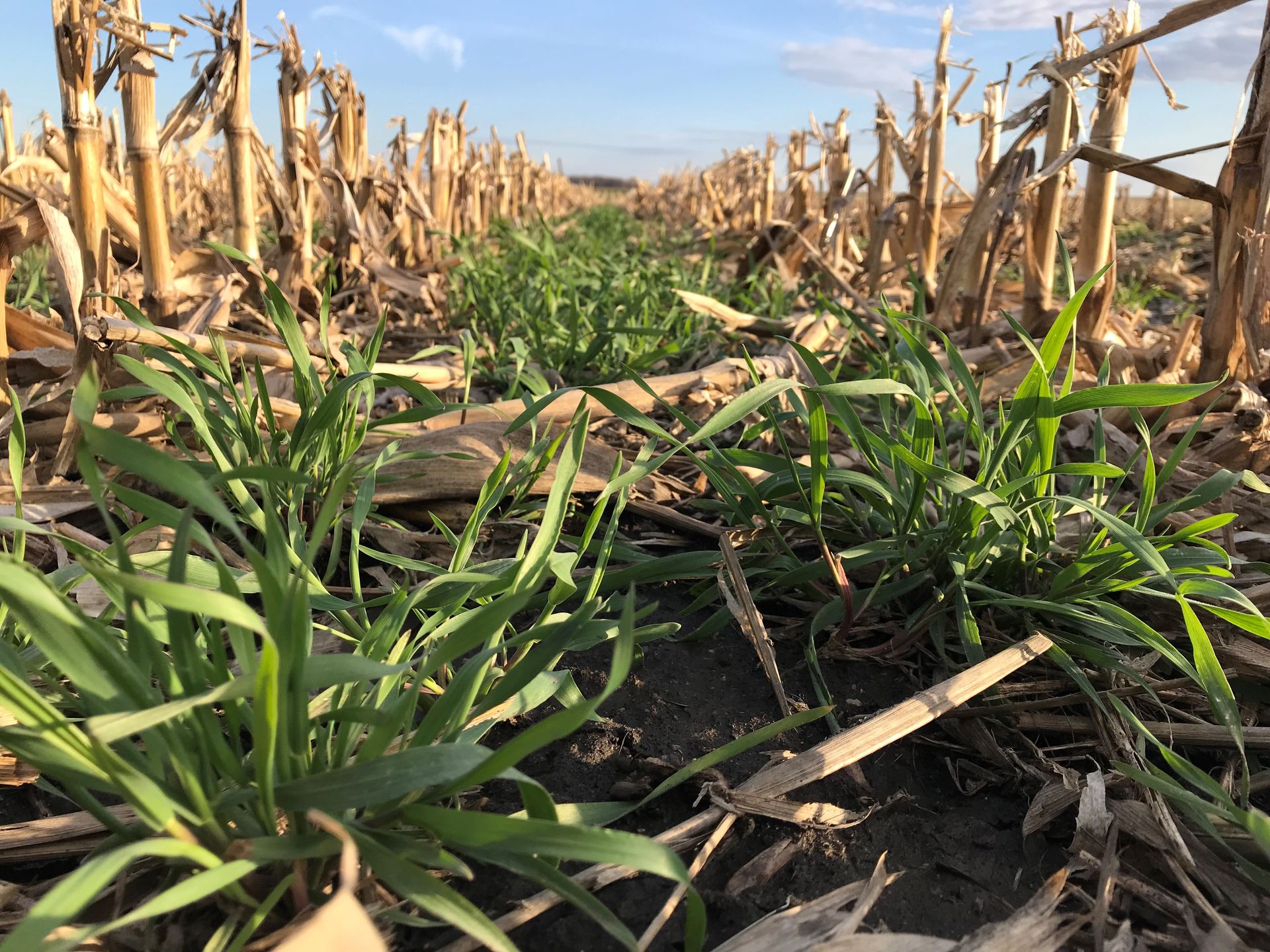
The renewable fuel industry presents immense opportunities for Illinois corn growers, who are well-positioned to help meet demands as the transportation sector seeks to cut carbon emissions.
“U.S. corn production is growing at four times the rate of demand. Increasing investment in sustainable aviation fuel will drive up the demand for corn-based ethanol, presenting a unique opportunity for farmers across the state to help reduce gashouse emissions in the aviation industry,” said Chris Gould, Director, IL Corn Growers Association. “From feedstock such as corn grain, Illinois corn growers are ready to meet the needs of the industry.”