

Japan Allows U.S. Ethanol Access to 100 Percent of Biofuel Market

March 31, 2023
A group of people standing in front of an american flag

Today, Japan’s Ministry of Economy, Trade and Industry (METI) released its final proposed rule for partial amendment of the Act on Sophisticated Methods of Energy Supply Structures that allows the country to further contribute to its climate targets through consumption of lower-carbon ethanol and, for the first time, will allow U.S. ethanol to successfully access 100% of the Japanese biofuel market. The proposed rule would remain in place through 2028.


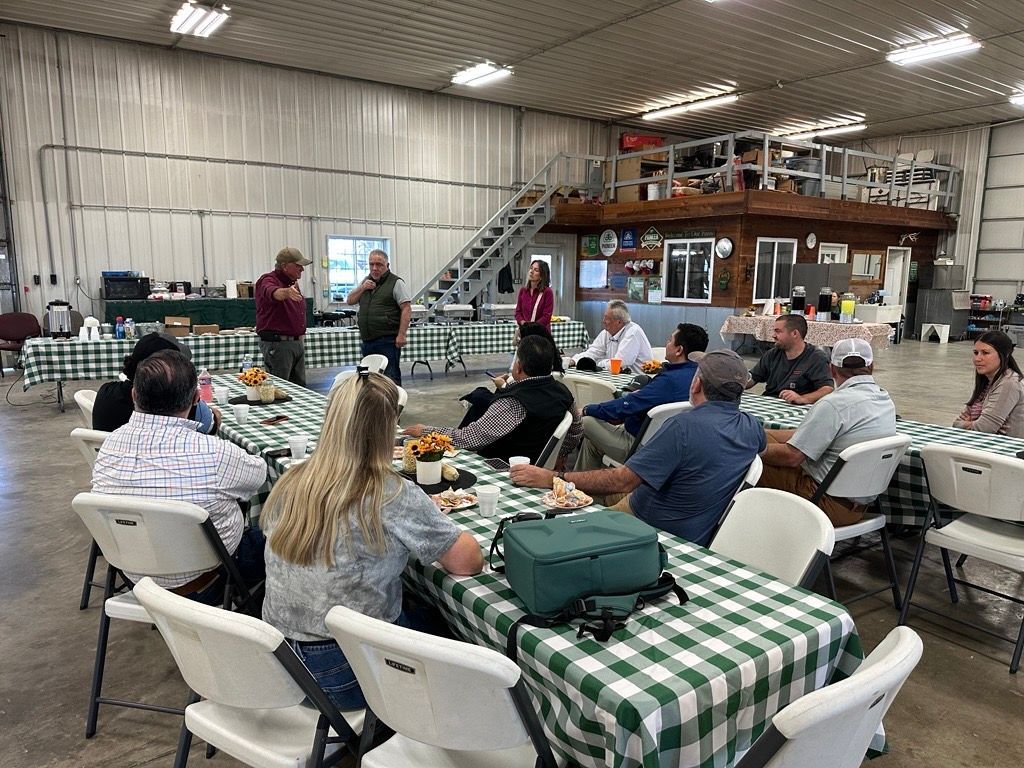
This action follows a September visit from technical experts and a February visit from IL Corn farmer leaders and Senator Tammy Duckworth, both to Japan. The group worked with Japanese Ambassador Rahm Emanuel, formerly a member of the Illinois Congressional Delegation and later Mayor of Chicago, to meet with Japanese officials and to answer questions about U.S. corn-based ethanol.

As a result, Japanese regulators revised the U.S. corn ethanol carbon intensity score that allows U.S. ethanol to fully access the entire bioethanol market - up from 66% access in 2021 based on continued improvement in reduction of carbon emission by the U.S. ethanol industry.


“IL Corn is pleased to see action following a mission to Japan, though it is important to note that this change is the result of years of engagement and information sharing with the Japanese government. Thank you to Ambassador Emanuel for working with his team to help the Japanese government obtain the technical information they needed to properly evaluate how U.S. ethanol could help the Japanese meet their climate change goals. Sen. Tammy Duckworth also helped considerably, sharing her perspective on energy security and diversifying fuel sources. These and other partners gave us the momentum needed to enact positive change for U.S. corn farmers,” said Rodney Weinzierl, Executive Director of IL Corn.


In a combined statement, U.S. Grains Council President and CEO Ryan LeGrand, Growth Energy CEO Emily Skor and Renewable Fuels Association President and CEO Geoff Cooper said:


“The U.S. ethanol community applauds the Japanese government for joining other countries in recognizing the role ethanol can play in the global effort to address climate change at the same time it takes steps to decarbonize its transportation sector. Countries around the world are recognizing that biofuels like ethanol are a simple, inexpensive and effective solution they can deploy today to help them lower their carbon emissions and meet their climate goals. We will continue to work closely with Japan and other nations to find more ways for us to collaboratively decrease carbon emissions. The U.S. ethanol industry will engage with Japan on additional ethanol consumption efforts both within the on-road and sustainable aviation sectors as the country implements its new regulation.”

Dr. Yan Zhang, Justin Moore, Rod Weinzierl, Rep. Nikki Budzinski, Dr. Christopher Slaten, and Dr. Pr
By Lyndi Allen May 26, 2026
Congresswoman Nikki Budzinski is requesting federal funding for the National Corn-to-Ethanol Research Center through her Community Project Funding requests.
Shane and Taylor
By Tara Desmond May 21, 2026
Solinftec's Solix robot uses AI to target weeds in real time, cutting chemical use up to 90%. Solar-powered, autonomous, and built for Midwest farms.
Photo taken in McLean County Museum of History
By Tara Desmond May 21, 2026
Illinois Ag Across Time - Episode 2: Tracing 200 years of Illinois farm families, innovation, and the land that fed a nation.
Don Meyer
By Tara Desmond May 21, 2026
Illinois Ag Across Time — Tracing 200 years of Illinois farm families, innovation, and the land that fed a nation.
Hammer striking corn kernels on a wooden surface, with kernels scattering in a rustic barn setting
By Lyndi Allen May 21, 2026
Ethanol is a powerhouse for American farms, fuels American vehicles, and has strengthened America’s economy for decades, but remains one of the most misunderstood fuels on the road today.
Cargo containers lined up at a port beside a canal, under a bright sky
By Lyndi Allen May 21, 2026
For decades, America’s inland waterways operated on a system that couldn’t keep up—aging infrastructure, delayed projects, and a funding model that forced farmers and shippers to wait.
Show More