PCM Recognized for National Collaboration of the Year Award

November 12, 2020
Congratulations precision conservation management innovation project 2020 collaboration of the year

Precision Conservation Management (PCM), a premiere conservation program of the Illinois Corn Growers Association and the Illinois Soybean Association, received the Collaboration of the Year Award from Field to Market: The Alliance for Sustainable Agriculture today. The award recognizes the outstanding collaboration and cross-sector partnership PCM utilizes to serve farmers in Illinois.


The exceptional partners that share in this collaboration recognition are PepsiCo, Bunge, The Nature Conservancy, and Environmental Defense Fund.

“PCM began working for Illinois farmers in 2016 when IL Corn was awarded a Regional Conservation Partnership Program grant. Since that time, we have built a program that first and foremost serves farmers and helps them understand the financial impacts of their conservation management decisions. Because our program offers a unique viewpoint to encourage farmer adoption of conservation practices, these outstanding partners have joined us, giving PCM the opportunity to serve farmers in bigger and better ways and to connect farmers and their practices to the food chain and the end consumer,” said Travis Deppe, PCM Director.


Representing an impactful collaboration that spans four of Field to Market’s membership sectors, the PCM project enrolled in Field to Market’s Continuous Improvement Accelerator highlights the power of diverse stakeholders to unite behind supporting farmers in driving powerful environmental and economic outcomes. Bolstered by a trusted network of one-on-one advisers and the powerful sustainability engine of the Fieldprint Platform, PCM provides more than 300 farmers across 325,000 acres with financial and technical assistance that incentivizes uptake and mitigates the risk of implementing conservation practices.


“The farmers we work with are really the most important partners in this entire project. They share their farms and their data with us in exchange for the opportunity to uncover how they can be better – financially and environmentally. The data highlights areas where conservation practices and economically sound practices meet and shows farmers how sustainability and profitability are not mutually exclusive,” Deppe said.


PCM is fortunate to have over 30 contributing partners in this impactful work including: Natural Resource Conservation Service, Soil and Water Conservation Districts, Heartland Science & Technology, Farm Business Farm Management, Illinois Sustainable Ag Partnership, American Farmland Trust, Walton Family Foundation, and many more.

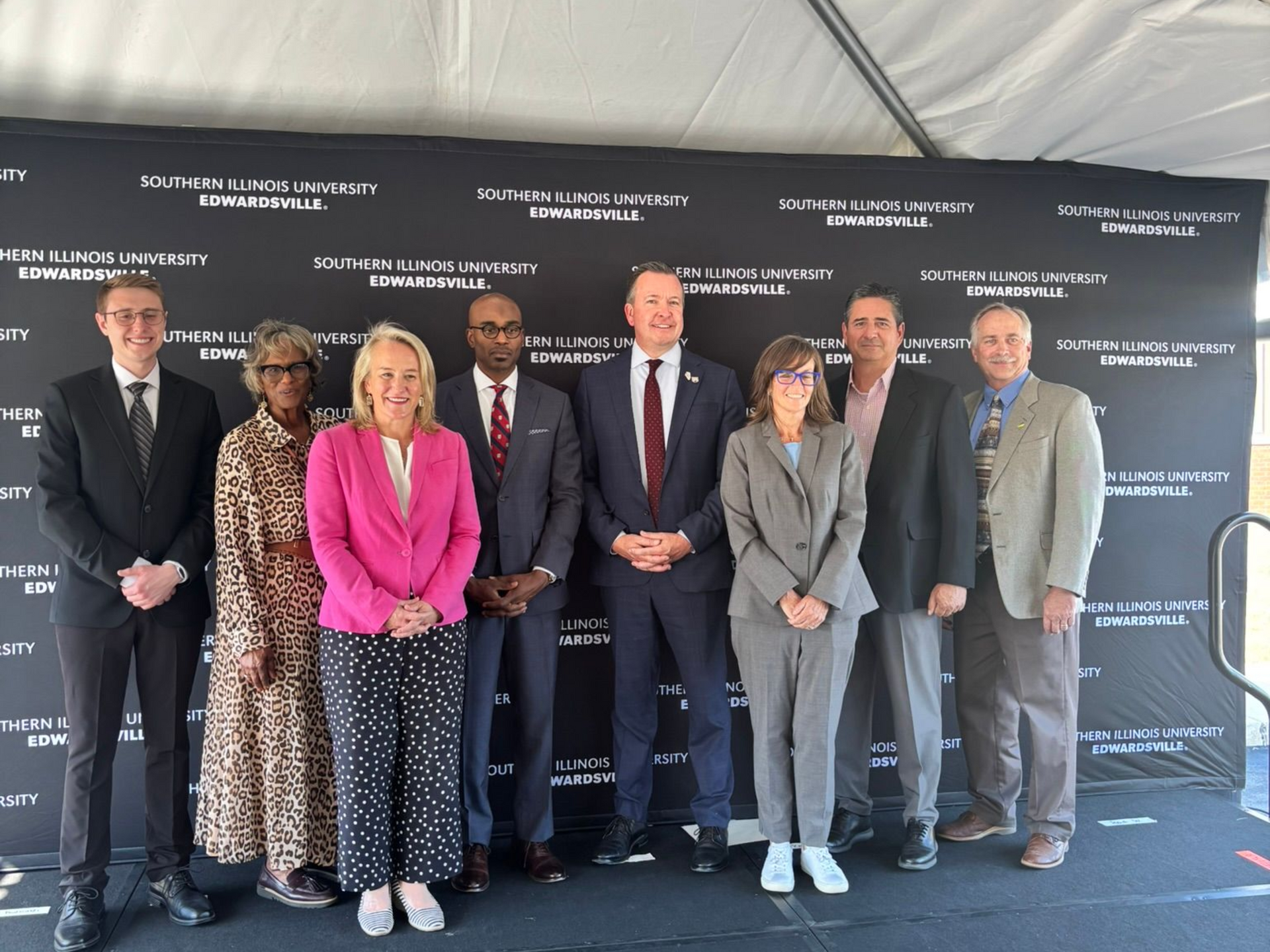
Dr. Yan Zhang, Justin Moore, Rod Weinzierl, Rep. Nikki Budzinski, Dr. Christopher Slaten, and Dr. Pr
By Lyndi Allen May 26, 2026
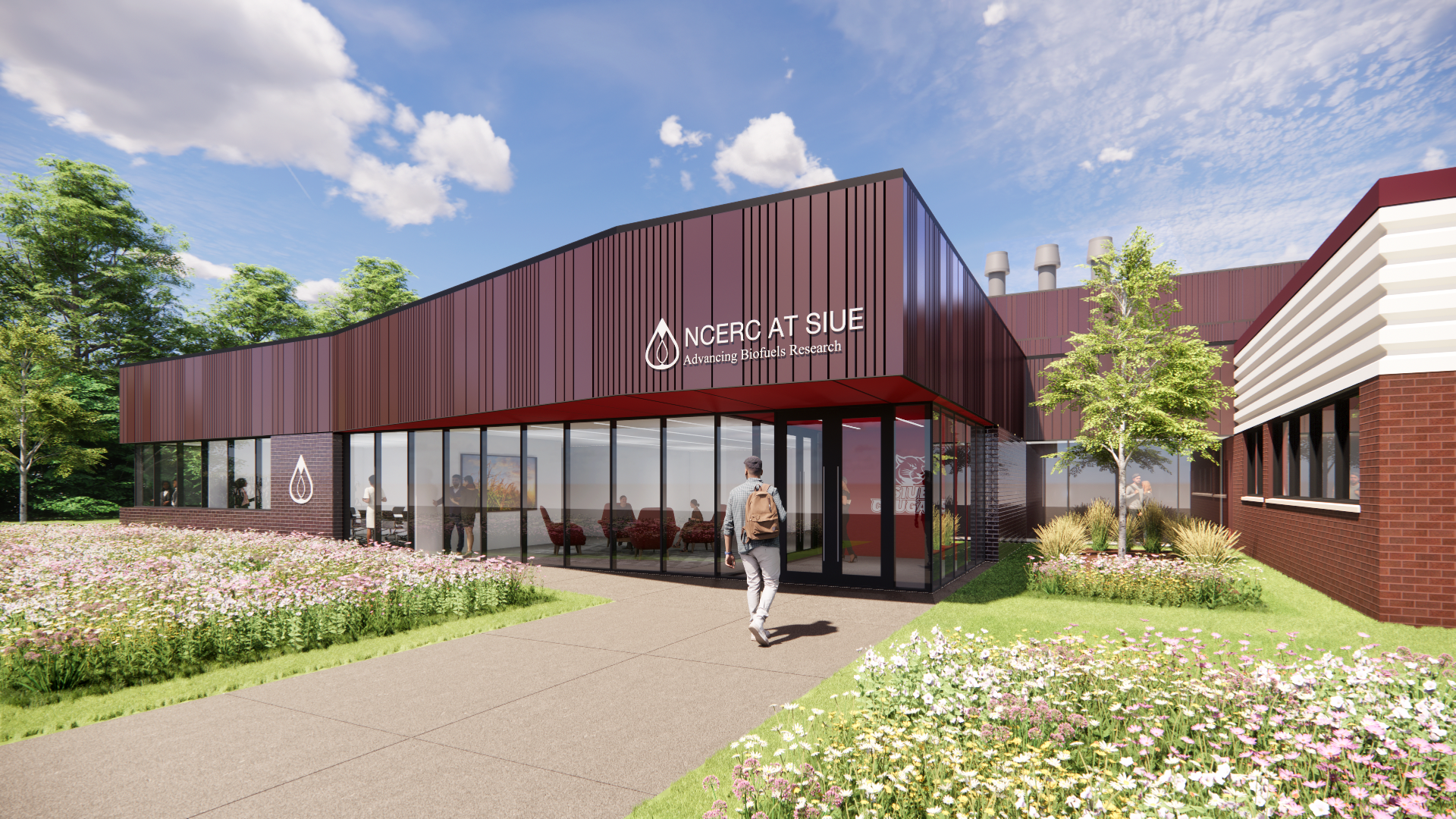
Congresswoman Nikki Budzinski is requesting federal funding for the National Corn-to-Ethanol Research Center through her Community Project Funding requests.
Shane and Taylor
By Tara Desmond May 21, 2026
Solinftec's Solix robot uses AI to target weeds in real time, cutting chemical use up to 90%. Solar-powered, autonomous, and built for Midwest farms.
Photo taken in McLean County Museum of History
By Tara Desmond May 21, 2026
Illinois Ag Across Time - Episode 2: Tracing 200 years of Illinois farm families, innovation, and the land that fed a nation.
Don Meyer
By Tara Desmond May 21, 2026
Illinois Ag Across Time — Tracing 200 years of Illinois farm families, innovation, and the land that fed a nation.
Hammer striking corn kernels on a wooden surface, with kernels scattering in a rustic barn setting
By Lyndi Allen May 21, 2026
Ethanol is a powerhouse for American farms, fuels American vehicles, and has strengthened America’s economy for decades, but remains one of the most misunderstood fuels on the road today.
Cargo containers lined up at a port beside a canal, under a bright sky
By Lyndi Allen May 21, 2026
For decades, America’s inland waterways operated on a system that couldn’t keep up—aging infrastructure, delayed projects, and a funding model that forced farmers and shippers to wait.
Show More