


Power Take-Off (PTO) Safety: Protecting Yourself from Hidden Farm Hazards

Tara Desmond
September 18, 2025

Power Take-Off (PTO) shafts are essential components on many farm machines, transferring engine power to implements like mowers, augers, and manure spreaders. However, these shafts pose significant safety risks, especially when safety guards are missing or damaged.  In some cases, these injuries can result in fatalities.


Essential PTO Safety Tips

To minimize the risk of PTO-related accidents, consider the following safety measures:

  • Inspect PTO Guards Regularly: Ensure that all PTO shaft guards are in place and undamaged. A missing or broken guard increases the risk of entanglement.
  • Engage PTOs Safely: Always ensure the equipment is in park with parking brake and the engine is turned off before engaging or disengaging the PTO.
  • Avoid Stepping Over PTO Shafts: Never step over a rotating PTO shaft. Instead, walk around the machinery to prevent clothing or limbs from getting caught.
  • Turn Off Equipment When Servicing: Always shut off the engine before making repairs or adjustments to PTO-driven equipment.


The Importance of Safety Shields

Despite the availability of safety technology, PTO shields are often missing or damaged. In Illinois, approximately 4,500 farm-related injuries occur each year, a number significantly higher than federal estimates. This discrepancy highlights the importance of proper safety measures, including the use of PTO shields.


Stay Vigilant

Remember, routine tasks can become dangerous if safety precautions are overlooked. By staying informed and proactive, you can protect yourself and others from PTO-related injuries.


For more detailed information on PTO safety, refer to the National Education Center for Agricultural Safety's guidelines.


Illinois officials at NCERC news conference
By Lindsay Croke • October 9, 2026
A $15 million investment in NCERC at SIUE will expand the facility and provide opportunities for new bioproducts using corn to scale to commercialization.

National Corn to Ethanol Research Center proposed expansion
By Lindsay Croke • October 9, 2026
Fully funding an expansion of NCERC at SIUE will allow the testing and trials required for new corn products to scale in Illinois.

U.S. Meat being showcased in Tokyo
By John Klemm & Tara Desmond • October 8, 2026
DeWitt County farmer John Klemm shares how exporting beef helps corn and an early look at a slow, wet start to his 2026 harvest.
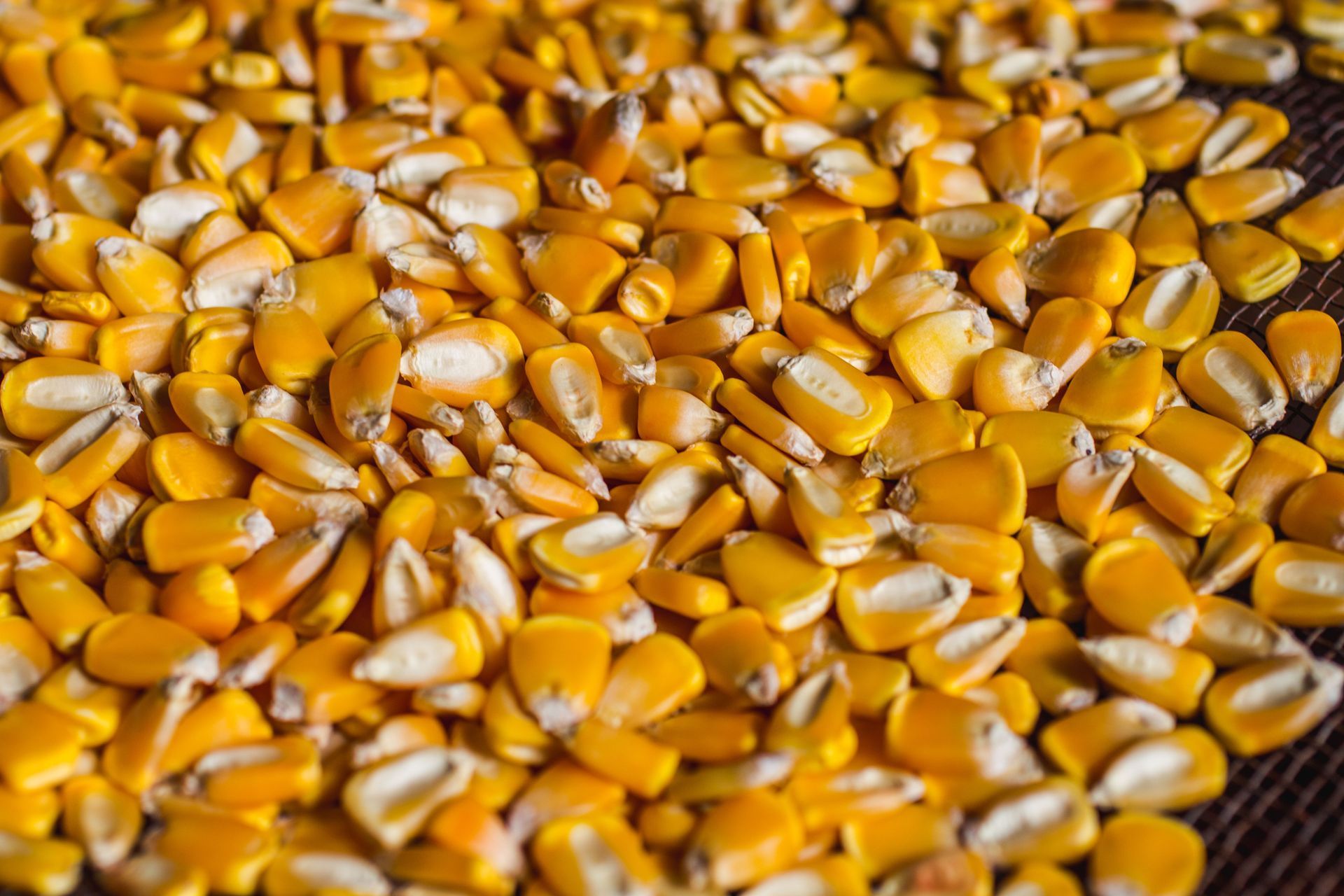
Corn kernels
By Lindsay Croke • October 8, 2026
Illinois corn farmers are grateful for Governor Pritzker’s effort to lower diesel prices for farmers this fall.
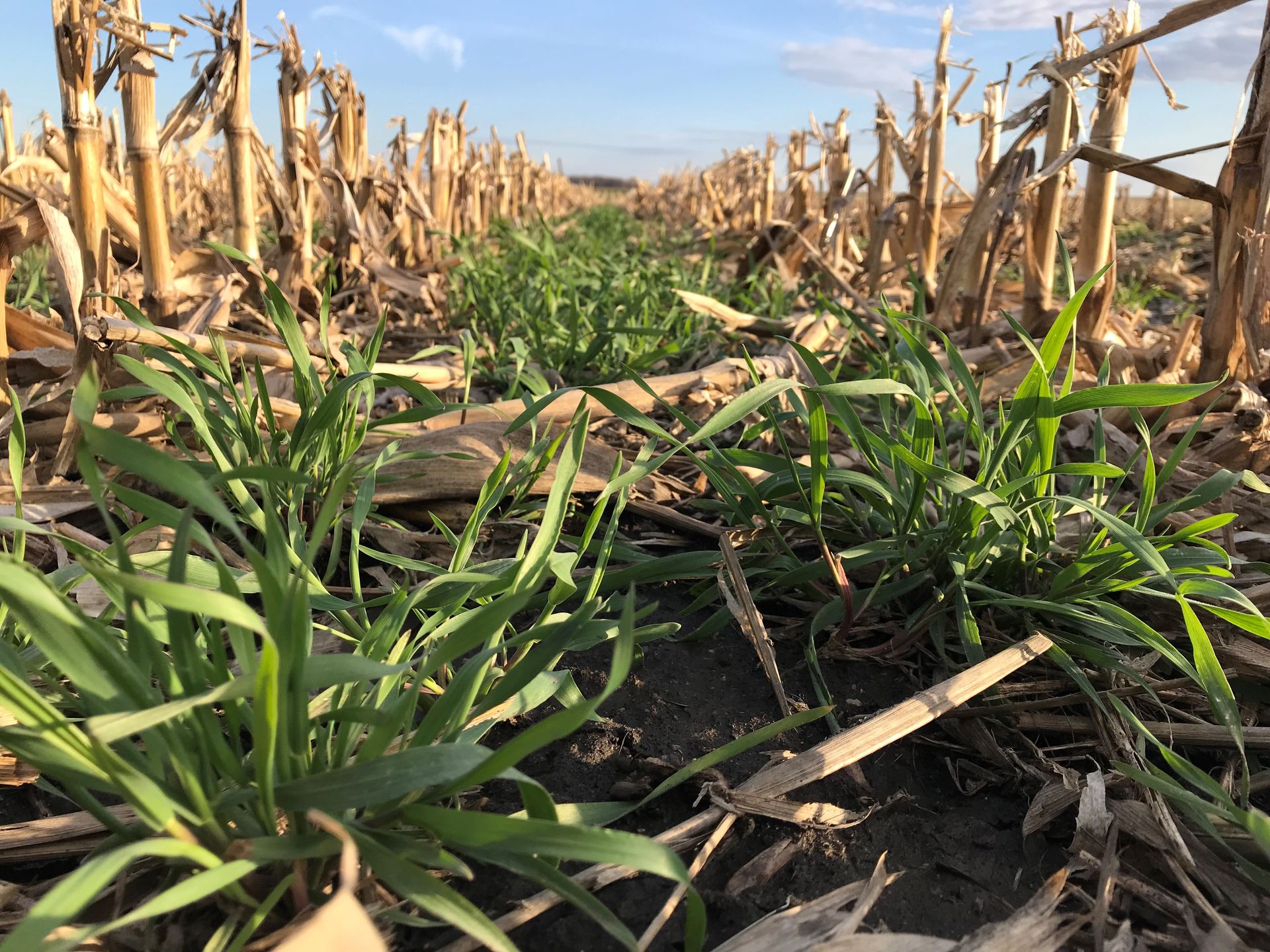
cover crops in the field
By Summary from PCM / Farmdoc Webinar • October 8, 2026
Precision Conservation data shows growing cover crops costs Illinois corn farmers $27.30 an acre to deliver carbon benefits. See how conservation payments compare.
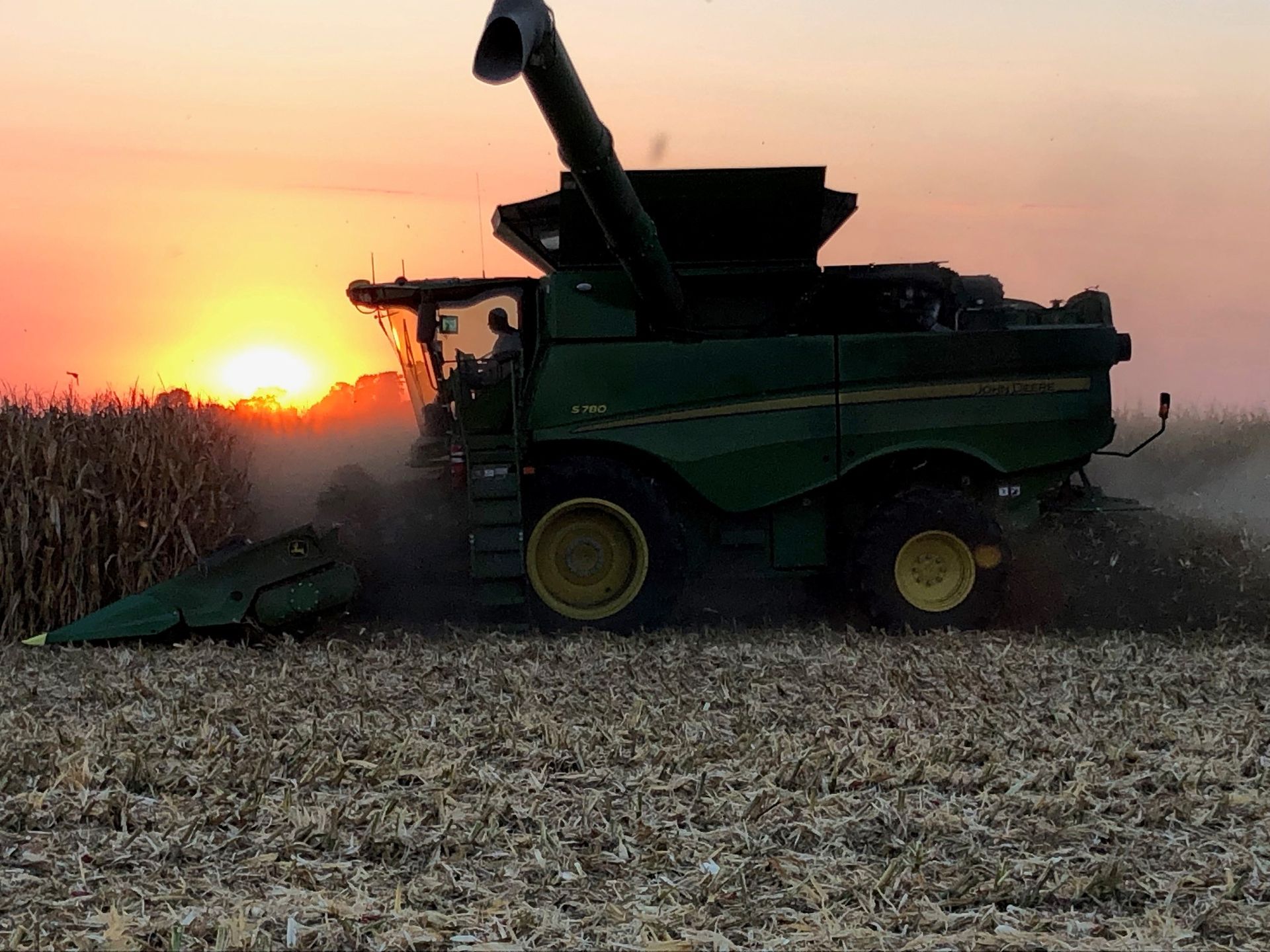
Green combine harvester in a field at sunset, with the sun low on the horizon.
By Lyndi Allen • October 8, 2026
Recent federal and state actions provide potential relief for Illinois farmers facing high costs during harvest, including diesel fuel and grain storage.
Show More