Teacher Resource Program Fosters Passion for Ag in Youth

October 15, 2020
The logo for illinois agriculture in the classroom

School is in full swing across the state and even though things may look a little different this year, agriculture education continues to place the importance on the basics of teaching youth about where their food comes from. 


Ag in the Classroom exposes as many Illinois students as possible to farming practices and agriculture. Illinois Corn Marketing Board helps fund Ag in the Classroom with checkoff dollars. These invested dollars pay dividends in the form of consumer education and developing the next generation of agriculture leaders and informed consumers. 

Each county has a trained Ag in the Classroom Coordinator who helps facilitate lesson plans, field trips and other talking points. They work directly with roughly 40,000 teachers who then spread the message along with the county coordinators to 600,000 students. 


Their main audience are those in grades K-6 because it is easier for teachers to take ten minutes out of reading time or science to incorporate ag compared to junior high and high school where the teacher would have to take the whole class period out. One of the most popular lessons aimed at younger students is using biodegradable corn-based packing peanuts to construct art projects. The lesson showcases corn’s versatility and ability to be used as a renewable source. 


Illinois Farm Bureau Education Director, Kevin Daugherty, who oversees Illinois’ Ag in the Classroom program said, “The ability to adapt and give kids local examples of agriculture they can apply to their lives is my favorite part.” 


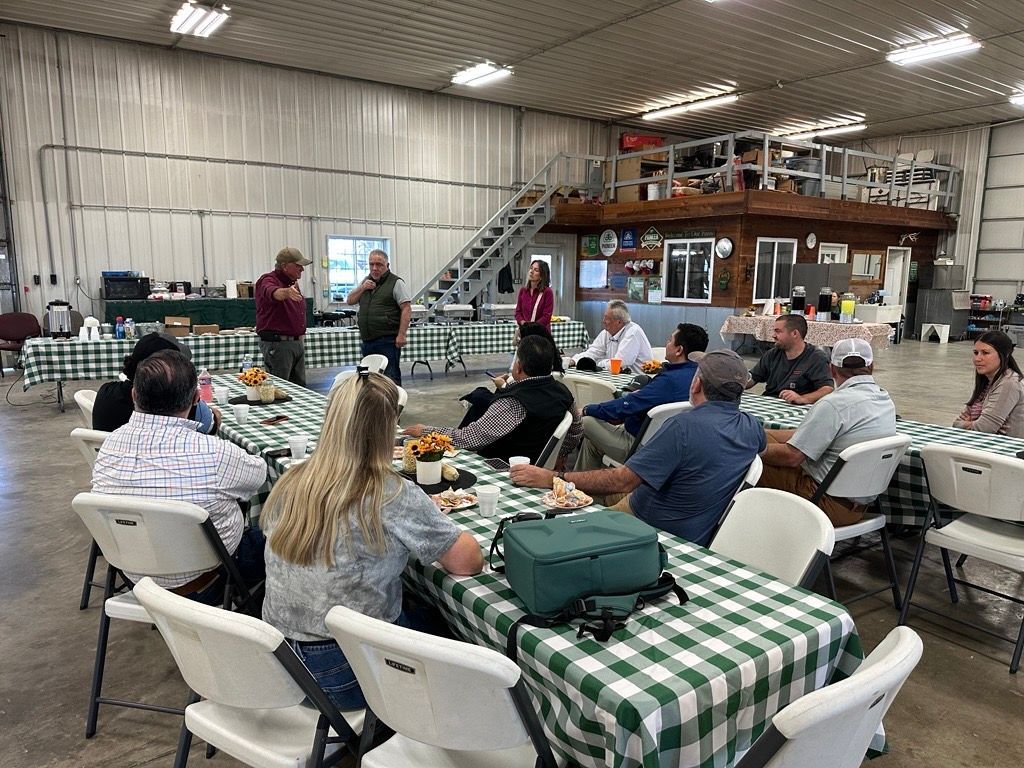
In addition to working with students, teachers typically attend Summer Ag Institute, a popular event in which they receive hands on training and educational demonstrations from their local county Ag in the Classroom coordinator. The training often includes field trips to local farms or ag businesses which help showcase firsthand the importance of incorporating agriculture in their lessons.


“Our goal with summer ag institute is to really immerse them in a local look of ag. Every county is different in terms of what they teach and because we have county level folks, they are able to customize the look of their local areas and make the content really applicable,” said Daugherty. 


Using Illinois corn checkoff funding, Ag in the Classroom continues to bring the importance of corn and other agriculture products to life for students across the state.

Lou Lamoreux Farm
By Tara Desmond September 3, 2026
Livestock farmer Lou Lamoreux talks about his farming operation.
captain Cornelius at shake it up cocktail lounge
By Tara Desmond September 3, 2026
4.29M bushels of U.S. corn fueled beverage alcohol production in July 2026 alone — up 54% from July 2025. Corn's in your Labor Day toast!
aerial view of short corn
By Tara Desmond September 3, 2026
Illinois farmer Steve Fourez tests short stature corn against conventional hybrids, exploring yield potential and late-season management benefits.
USDA building
By Lyndi Allen September 3, 2026
This week, U.S. Secretary of Agriculture Brooke L. Rollins announced the U.S. Department of Agriculture (USDA) Data Modernization Plan to put Farmers First, reduce unnecessary burdens on producers, and improve the timeliness, accuracy, and usefulness of the data that informs agricultural decisions. USDA data informs crop and livestock estimates, risk-management tools, disaster assistance, and critical business decisions made by farmers, ranchers, agribusinesses, researchers, and policymakers. In February 2026, Secretary Rollins issued a Request for Information seeking feedback on the opportunities, challenges, and emerging areas in USDA data. That feedback helped shape the USDA Data Modernization Plan and its four pillars: Modernize the Data Reporting Experience: USDA will expand use of administrative data, improve mobile access to surveys, explore opportunities to use prefilled information where appropriate, and strengthen coordination across the Department. These changes will reduce duplicative requests and limit the amount of time producers spend reporting information. Enhance Acreage and Yield Estimation: USDA will conduct a pilot to evaluate the use of improved satellite imagery, geospatial tools, crop models, and other emerging technologies combined with essential producer-reported information to enhance acreage and yield estimations. USDA will also assess the use of optional field inputs to enhance and ground truth yield estimates and continue advancing yield research through collaboration with agricultural partners and land-grant universities. Integrate Data and Technology Platforms: USDA will modernize its technology infrastructure, expand secure data-sharing capabilities, and evaluate the responsible use of tools such as artificial intelligence and machine learning. Better integrated systems will improve efficiency, reduce duplication, and allow USDA to produce more timely and useful information. Expand Trust and Transparency with Producers: USDA will protect producer privacy, clearly explain why information is requested and how it is used, and create additional opportunities for producers to provide feedback. USDA will also improve communication surrounding reports, methodologies, response rates, and data limitations. USDA will begin implementing actions under the plan immediately and will continue engaging farmers, ranchers, and agricultural stakeholders throughout the process. The Department will evaluate new approaches carefully, protect privacy and confidentiality, and publish clear methodologies and supporting information to maintain the integrity of USDA’s agricultural statistics. See USDA’s Full Data Modernization Plan
Cornfield beside a dirt path under a blue sky with wispy clouds
By Lyndi Allen September 2, 2026
EPA has granted 1.76 billion RIN exemptions to small refiners, raising concerns among farmers and biofuel producers about the potential impact on demand for renewable fuel.
Weekly News
By Lyndi Allen August 28, 2026
News from IL Corn for week ending 8/28/26
Show More