

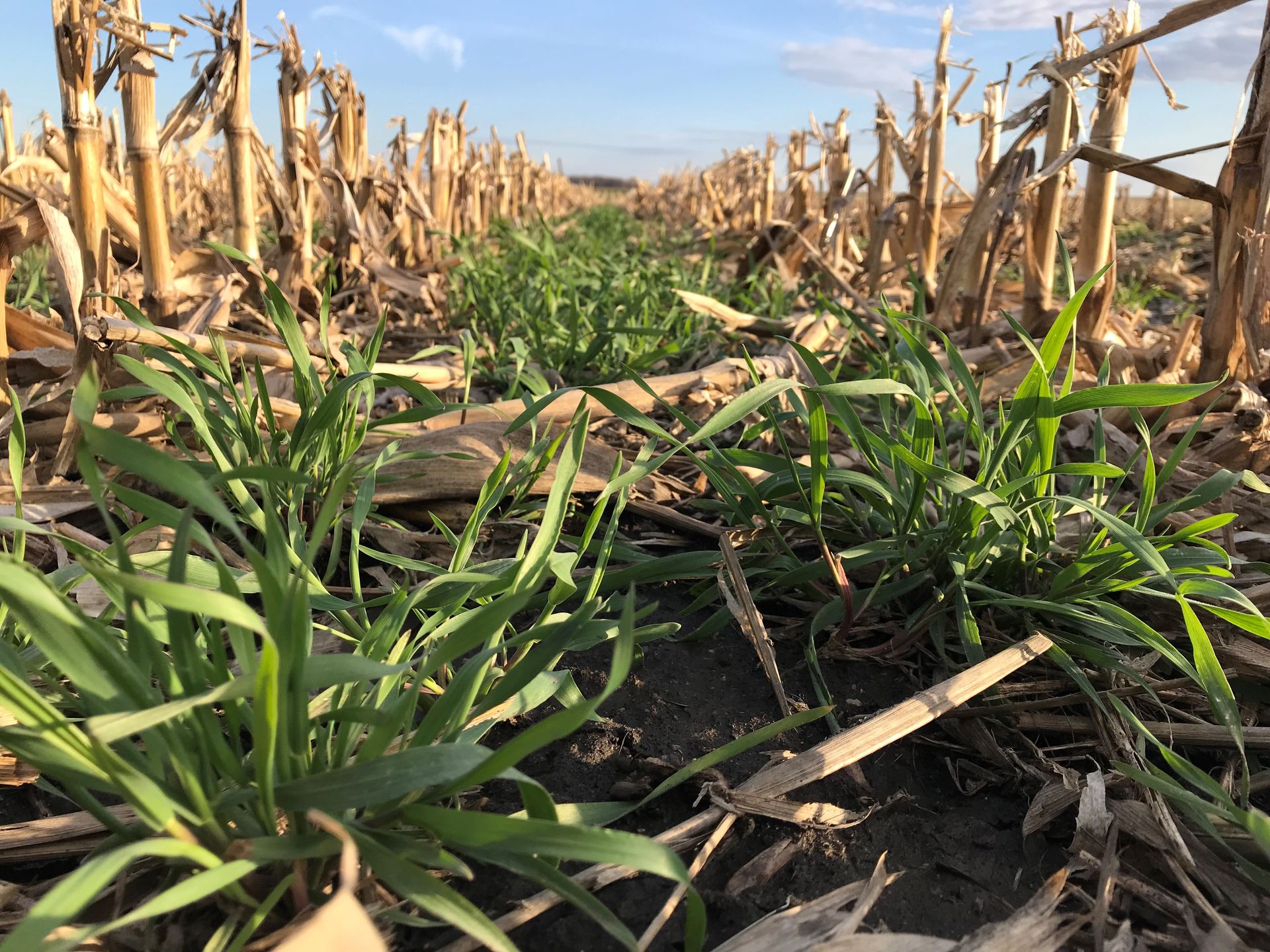
Precision Conservation data shows growing cover crops costs Illinois corn farmers $27.30 an acre to deliver carbon benefits. See how conservation payments compare.
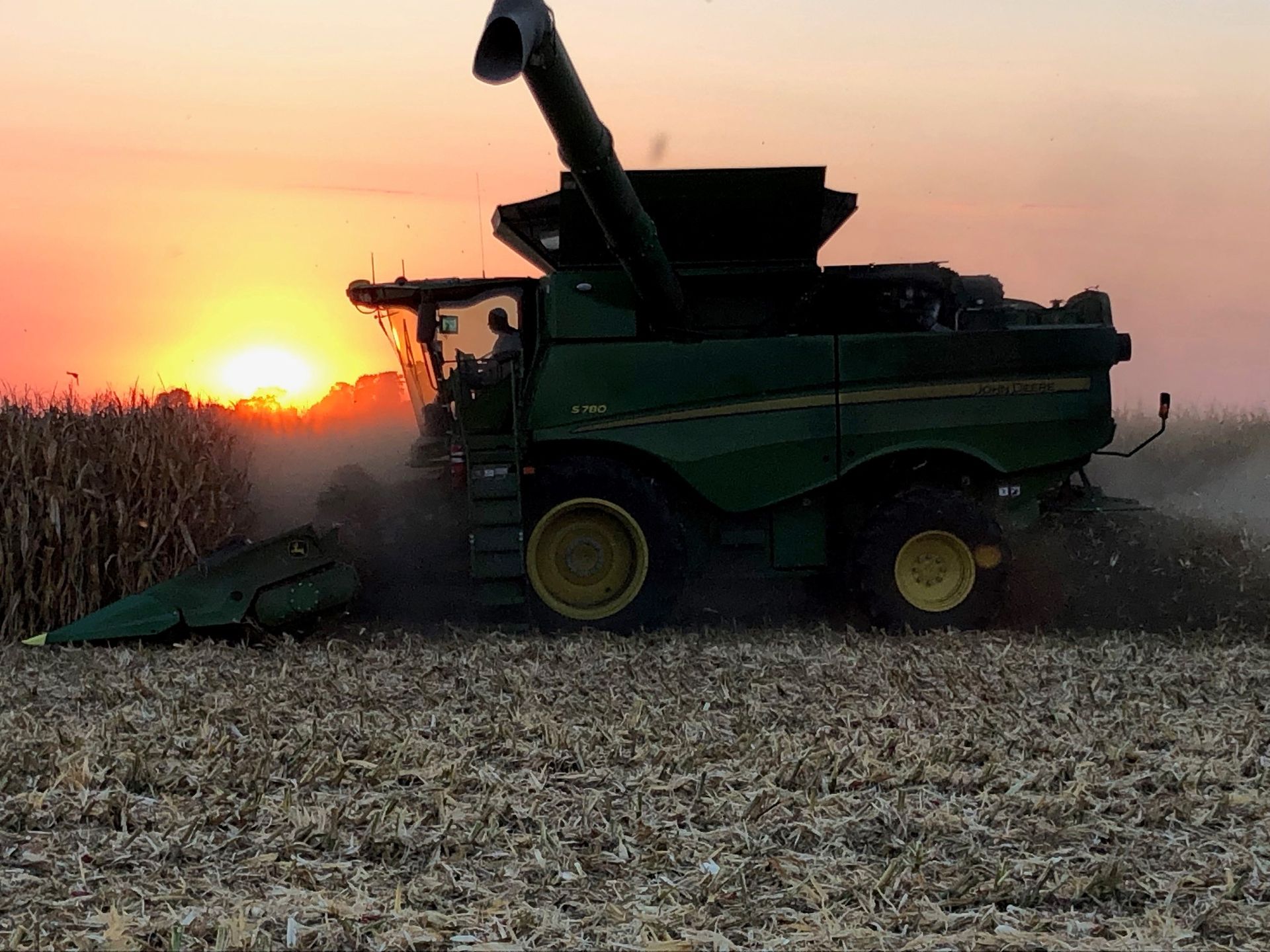
Recent federal and state actions provide potential relief for Illinois farmers facing high costs during harvest, including diesel fuel and grain storage.

Farm Babe shares how she got Burger King to drop an anti-cattle ad and why farmers' voices matter.

Carle Health nurses explain the free Vial of Life, a fridge-stored medical info kit that helps first responders act fast in a farm or home emergency.
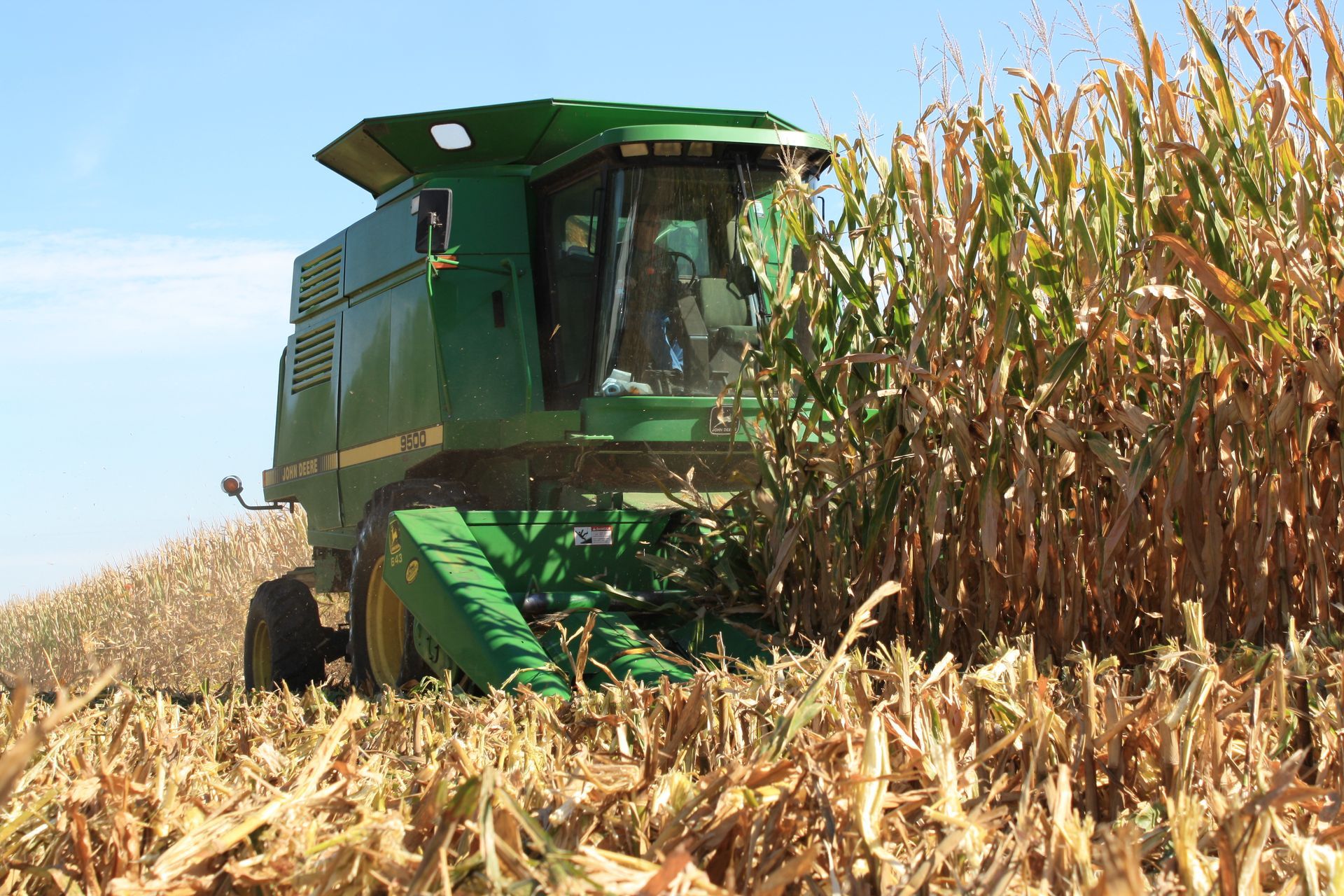
As Illinois farmers enter the harvest season, ICGA is asking state and federal policymakers to find ways to lower the cost of diesel fuel for farmers.

Staunton FFA member Madelyn Davin turned luffa gourds into a business and shares her take on solar panels and farmland.
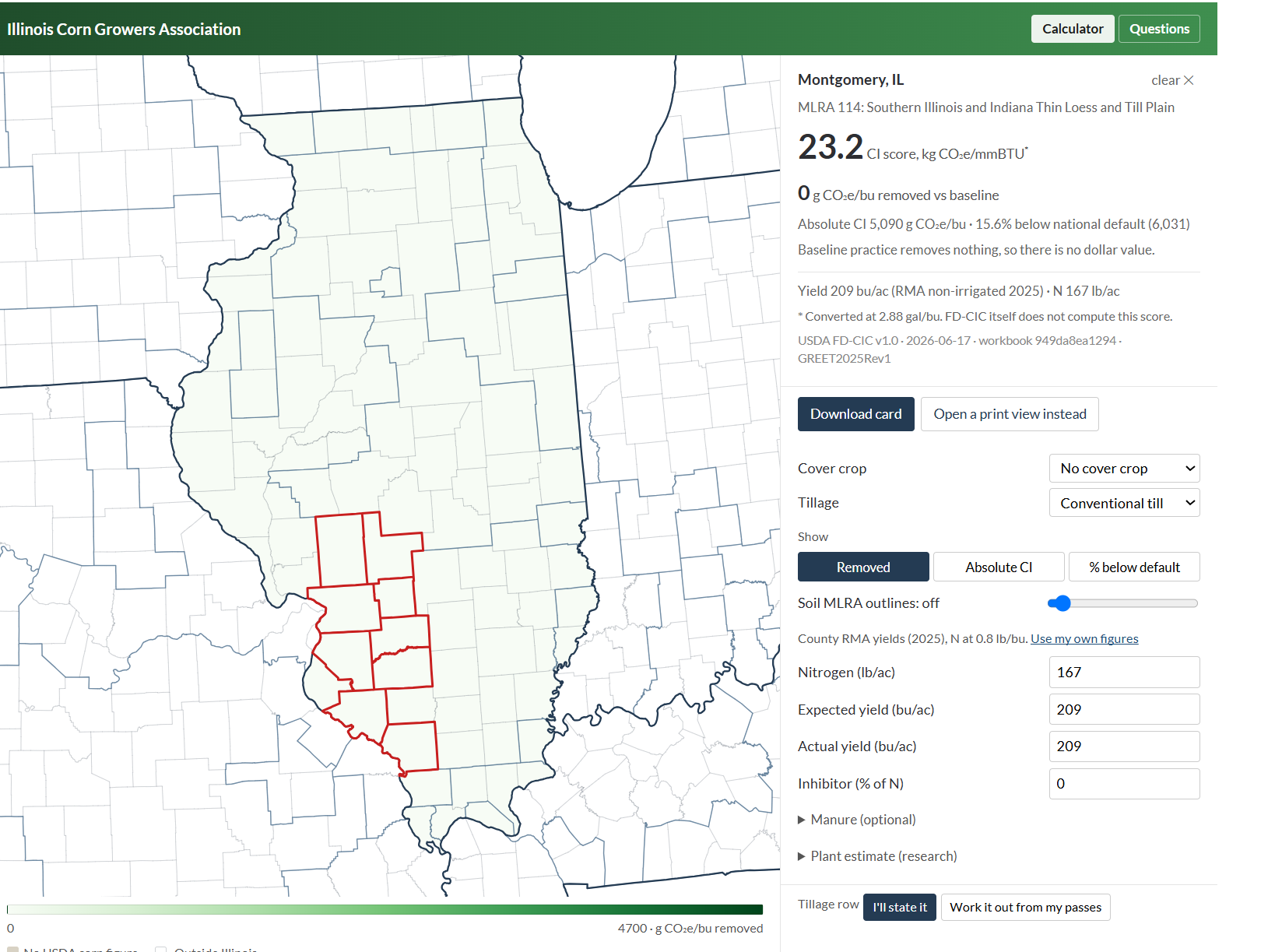
See how location and practices could change your farm's CI score with IL Corn's new interactive map, built on the USDA FD-CIC Feedstock Calculator.

A new report from the National Library of the Rockies (NLR), Evaluation of Ethanol Use in Maritime Shipping, finds that ethanol could be a viable marine fuel.
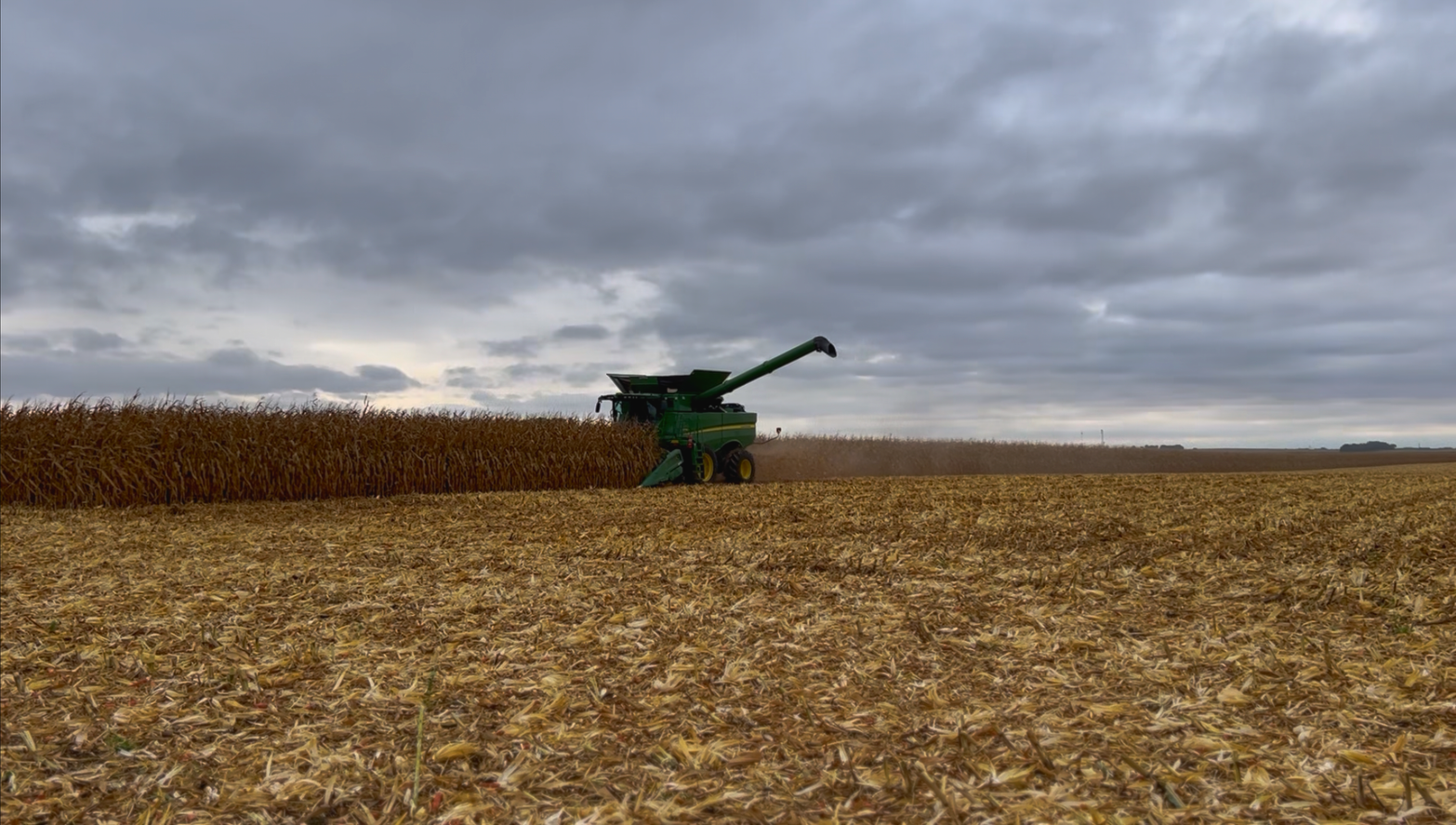
Illinois farmers saw their earnings improve in 2025, but the latest data shows that farm profitability remains well below recent averages.
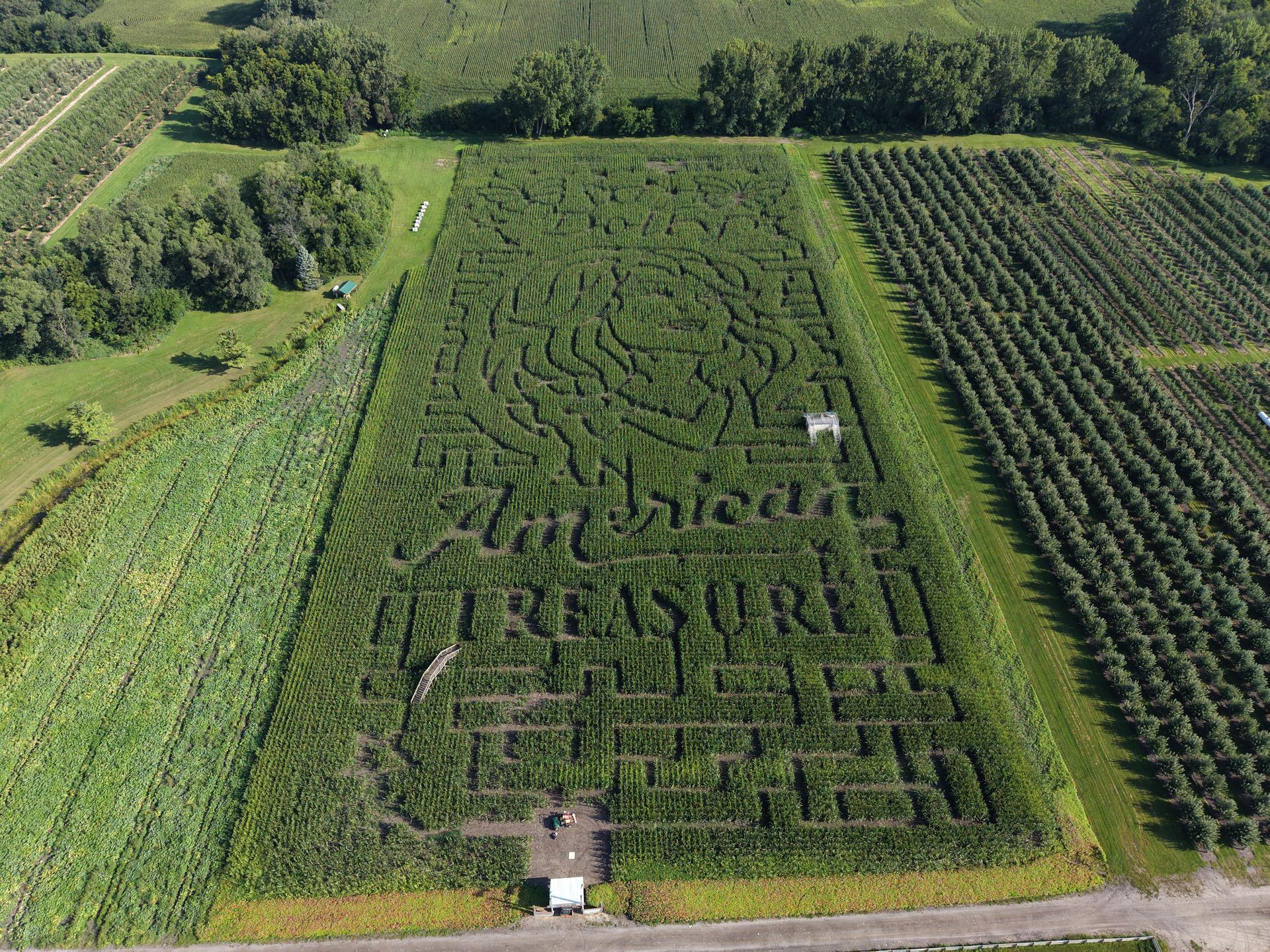
A Woodstock, IL farm's Dolly Parton corn maze is one of 18 nationwide honoring the icon and benefiting her Imagination Library literacy program.