
What the 2026 Election Could Mean for Illinois Agriculture


By Lyndi Allen • October 29, 2026

The November 2026 election could signal significant changes in the future policy decisions governing the Farm Bill, agricultural trade, conservation programs, infrastructure, and state regulations.


Key Races in November

Illinois voters will decide several important races this November,  with some incumbents seeking reelection and other seats guaranteed to bring new representation to Washington. The results could reshape Illinois’ congressional delegation and influence agricultural policy at the state and federal levels.


Key races include:

  • U.S. Senate: An open seat as Sen. Dick Durbin retires; running to take his place includes Democratic Lt. Gov. Juliana Stratton, Republican Don Tracy, and American Center Party candidate Whitfield Harrington Jr.
  • U.S. House: Five open seats (districts: 2,4, 7,8, and 9), alongside contested races across Illinois’ 17 congressional districts
  • Illinois Governor: Gov. JB Pritzker is seeking a third term against Republican Darren Bailey and Independent Collin Corbett
  • Illinois General Assembly: All 118 Illinois House seats and 39 of 59 Senate seats are up for election


A Changing Illinois Congressional Delegation

Illinois will have five open U.S. House seats, creating a chance to establish relationships with new lawmakers.


Key departures include:

  • Rep. Robin Kelly (2nd District): Her district spans Chicago’s South Side, the south suburbs, and rural communities in east-central Illinois, giving her successor an opportunity to represent both urban and agricultural communities and serve as a voice for Illinois farmers.
  • Rep. Danny Davis (7th District): His departure creates an opening to preserve agricultural representation on the House Ways and Means Committee, which influences tax policy affecting farm businesses and agricultural investments.
  • Reps. Jesús García (4th District), Jan Schakowsky (9th District) and Raja Krishnamoorthi (8th District): Their departures create a need to build relationships with new lawmakers and demonstrate how agricultural trade, transportation infrastructure, energy policy and other federal decisions affect Illinois’ economy and rural communities.


Committee assignments will help determine how the new representatives can influence these priorities. Agriculture, Ways and Means, Transportation and Infrastructure, Energy and Commerce, and Appropriations all address areas that can affect Illinois farmers, from farm programs and taxes to infrastructure, energy, and federal funding.


The U.S. Senate Race

Sen. Dick Durbin’s retirement creates a transition for Illinois agriculture. Durbin served on the Senate Agriculture Committee, where lawmakers shape federal farm policy, including farm programs, crop insurance, and conservation. His successor will have the chance to develop expertise on these issues and become a strong voice for Illinois farmers.


Other committees are important in addition to agriculture, including Finance, Environment and Public Works, and Appropriations. Illinois needs a strong voice at the table to advocate for Illinois farmers.


State Legislative Races

The governor and General Assembly both influence the policies affecting Illinois farmers. New and returning lawmakers offer opportunities for farmers to build relationships and explain how these decisions affect their operations and rural communities.


Areas Affecting Farmers:

  • Energy policy: Ethanol, renewable energy, and fuel markets
  • Transportation and waterways: Investments in roads, bridges, locks and dams
  • Agricultural regulations: State rules affecting farm operations, land use, and agricultural practices
  • Economic development: State investments and incentives that support agricultural businesses, biofuels, and rural economies


The governor’s influence also depends on the General Assembly, which must pass legislation and approve the state budget. The relationship between executive and legislative branches will help determine which priorities advance.


Voting November 3rd

As Election Day approaches, Illinois farmers can review the candidates on their ballots and learn where they stand on issues affecting agriculture. Understanding the responsibilities of each office and the policies elected officials can influence is an important first step toward making informed decisions.


Not sure who will be on your ballot? Check today!


Not a member?

Become one today!

SHARE THIS

Latest Posts

group at pork power event
By Tara Desmond • November 18, 2026
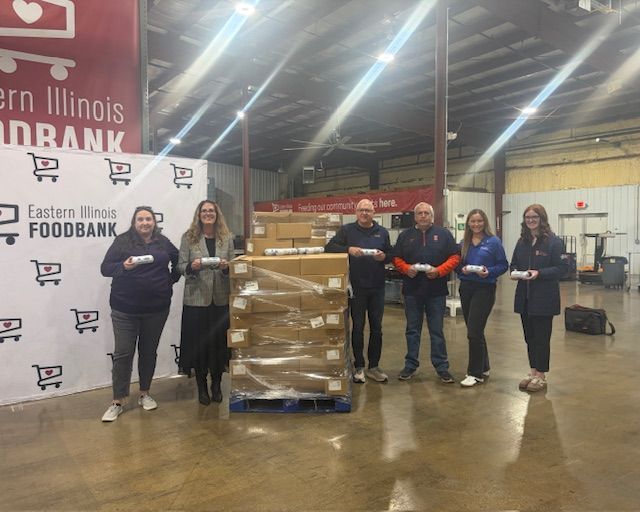
IL Corn joins Pork Power partners to deliver pork to Eastern Illinois Foodbank, part of 101,000+ pounds donated to Illinois food banks this year.
IL Corn and Agriculture Organization Partners
By Lyndi Allen • November 18, 2026
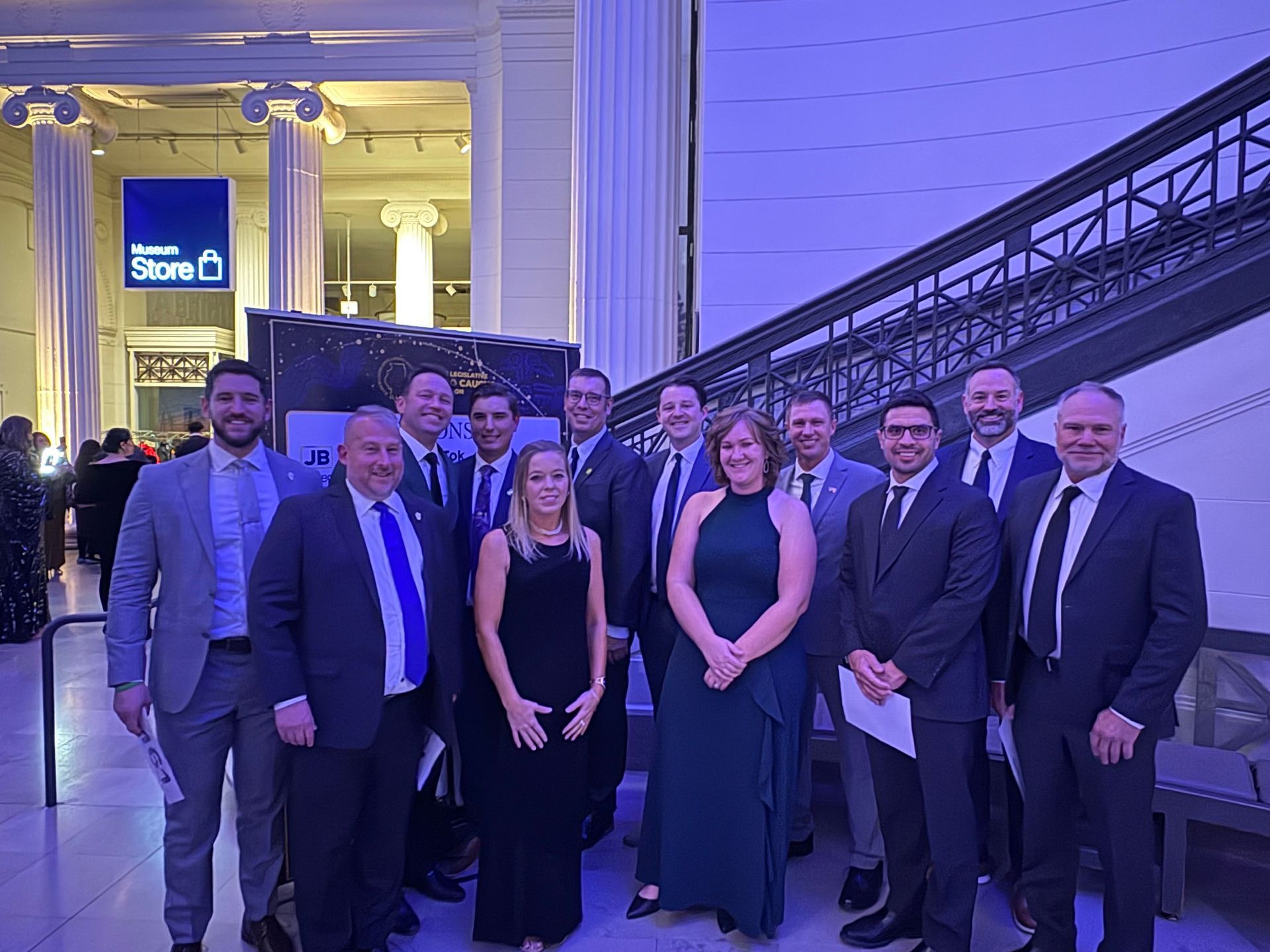
IL Corn joined agricultural partners at the Latino Caucus Gala to celebrate Latino contributions to Illinois agriculture and build relationships with state and federal leaders.
John Klemm and Dale Haudrich Receive Award
By Lindsay Croke • November 17, 2026
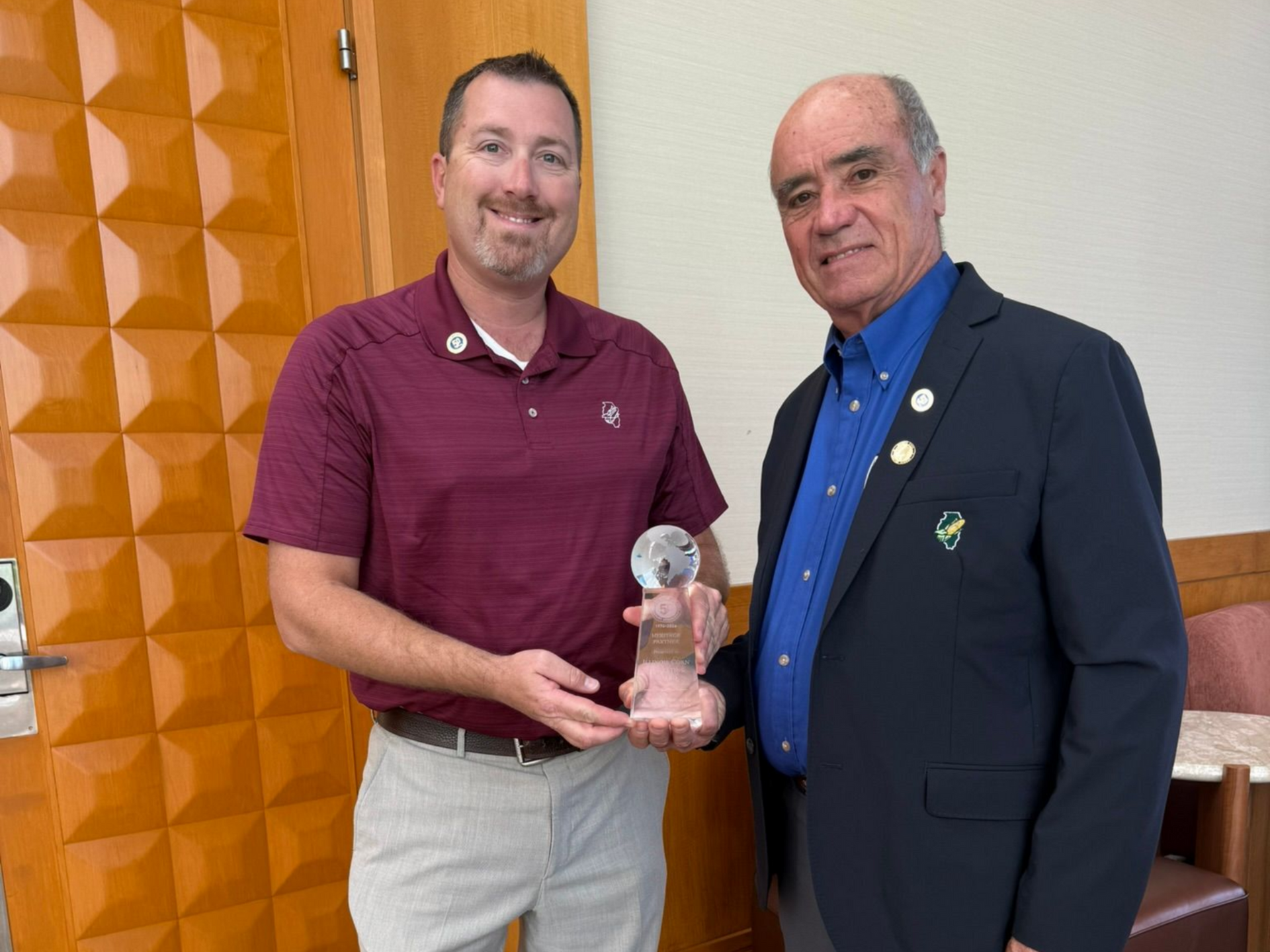
In 2025, beef and pork exports accounted for 70.31 million bushels of Illinois corn usage, demonstrating the value of a system that promotes U.S. red meat around the world. By creating demand for beef and pork exports, often by marketing underutilized cuts and maximizing value of the entire animal, the U.S. Meat Export Federation (USMEF) helps strengthen markets for livestock and corn farmers alike. This year, USMEF celebrates its 50th anniversary. As a longtime partner of the Illinois Corn checkoff, the organization continues to play a critical role in expanding global opportunities for U.S. agriculture. During the USMEF Strategic Planning Conference and 50th Anniversary Celebration, Illinois corn farmer leaders had the opportunity to reflect on five decades of export growth while exploring what the next 50 years could hold for the industry. Five Decades of Export Growth Since USMEF was founded in 1976, the U.S. pork and beef industries have experienced dramatic growth in production, efficiency, and export demand. The share of pork production exported has risen from just 3.3% in 1976 to 26.0% in 2025, while beef exports have increased from 0.5% to 10.3% of total production. At the same time, production levels and animal weights have climbed, creating greater demand for corn. Perhaps most impressive is the value of exports. Since 2010, the export value of U.S. beef and variety meats has increased 129%, while the export value of U.S. pork and variety meats has climbed 76%.
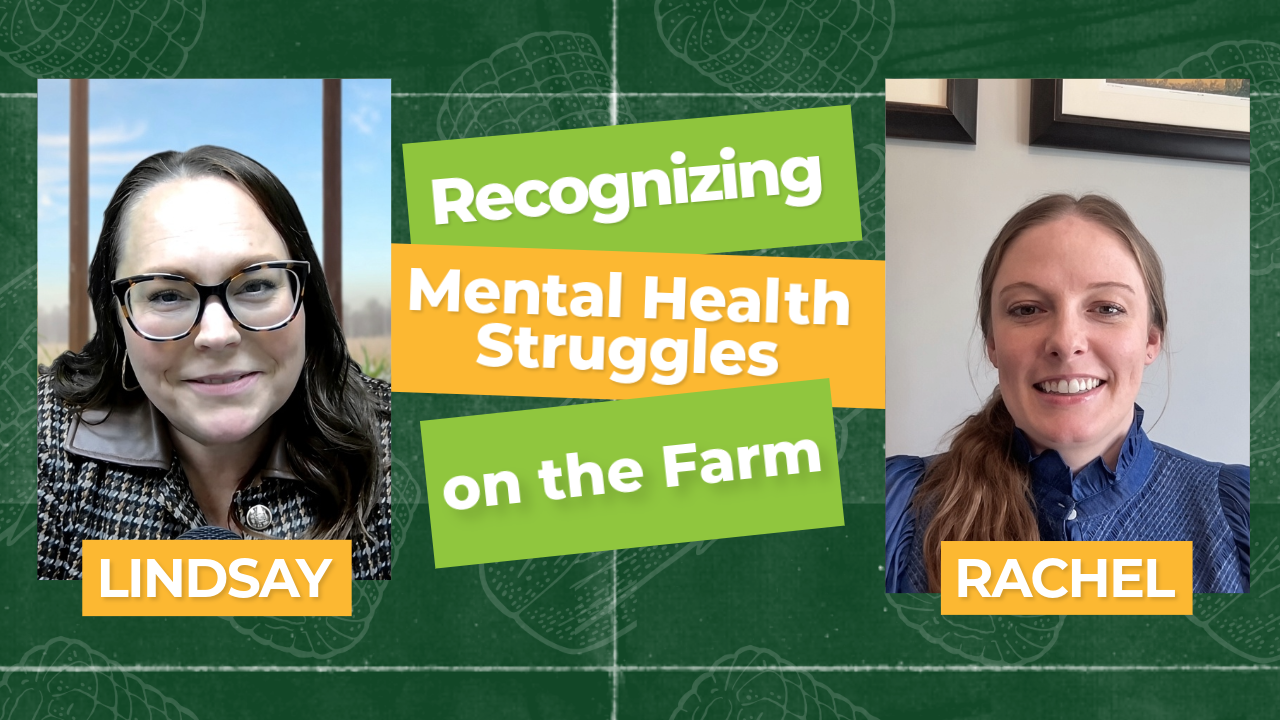
Lindsay and Rachel thumbnail
By Tara Desmond • November 16, 2026
Would you know if a farmer you care about was quietly struggling? Farm SOS counselor Rachel Brown shares the warning signs.
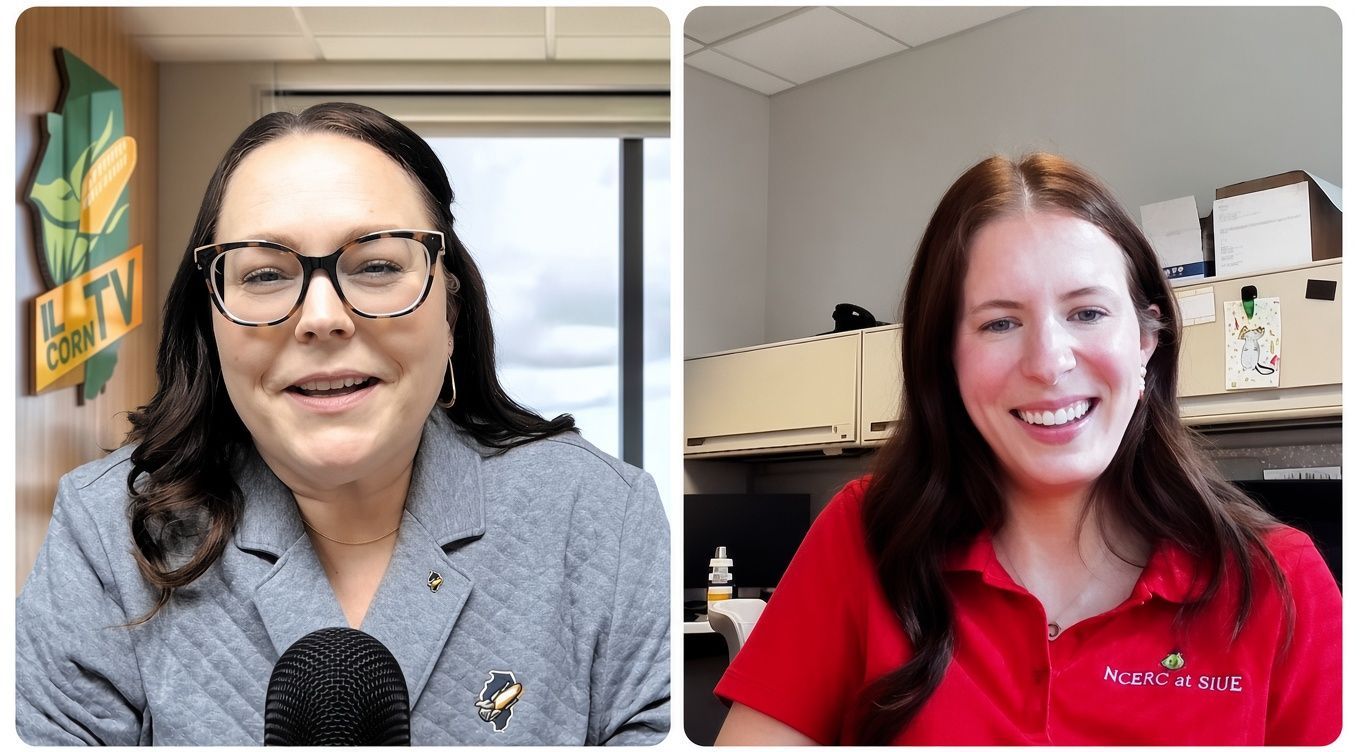
thumbnail of Lindsay and Brooke
By Tara Desmond • November 12, 2026
NCERC research fellow Brooke Wagner shares how IL Corn-funded research at SIUE is creating new uses for Illinois corn. Watch on IL Corn TV.
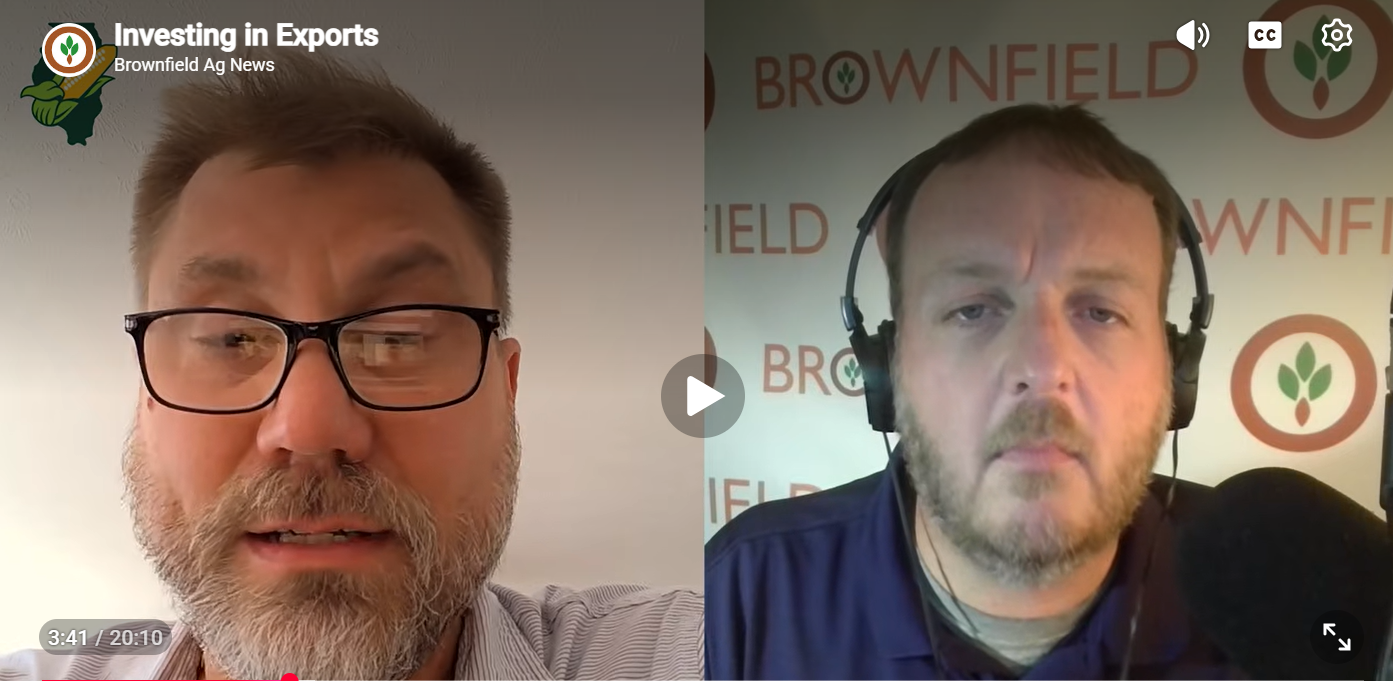
thumbnail of Collin and Jared on Brownfield Ag
By Tara Desmond & Brownfield Ag • November 12, 2026
IL Corn’s Collin Watters tells Brownfield how trade team visits, ethanol demand and USMCA help move Illinois corn to markets worldwide.
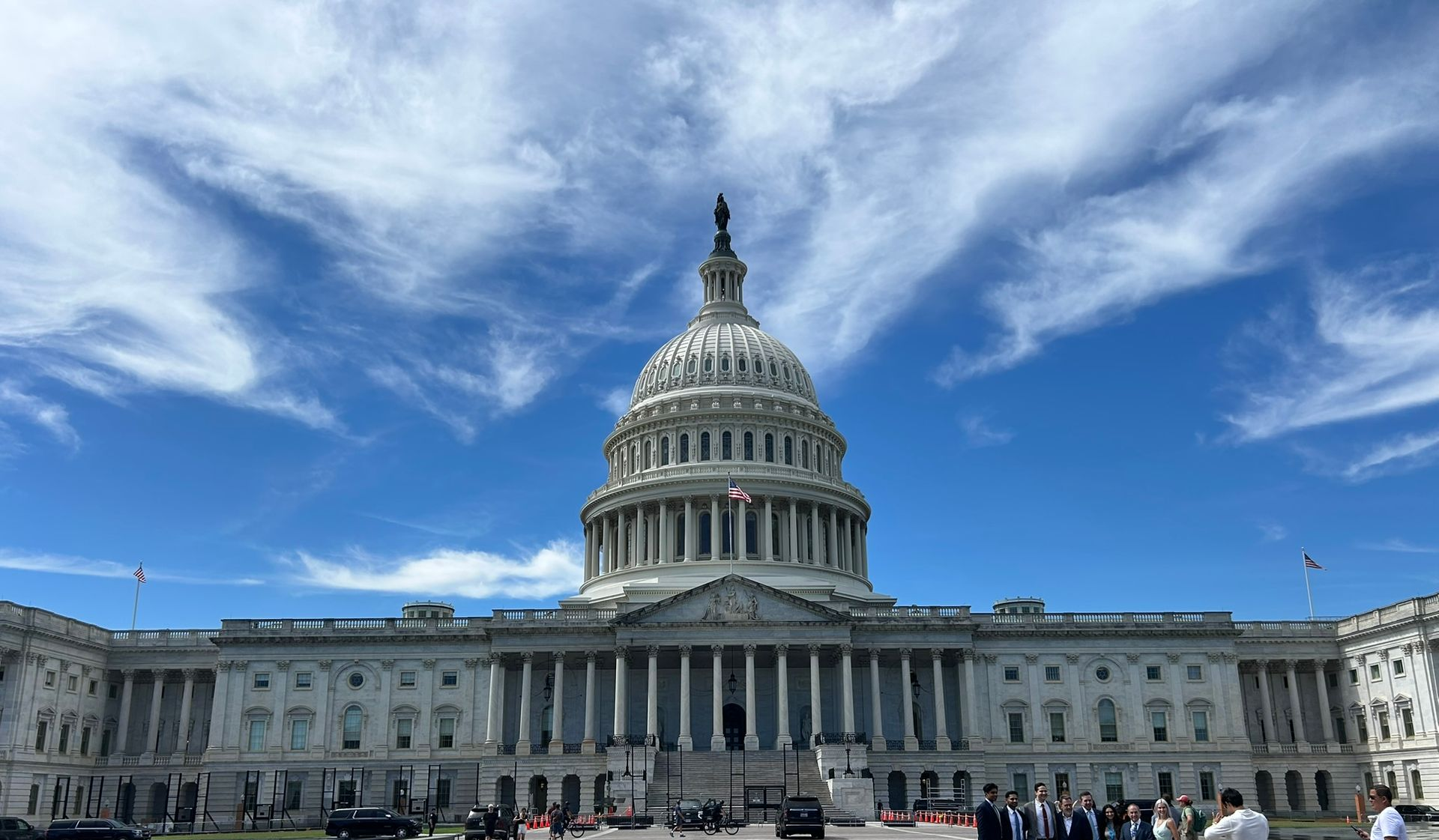
U.S. Capitol building under a blue sky with dramatic clouds in Washington, D.C.
By Lyndi Allen • November 12, 2026
Congress returns to Washington, D.C. this week, with several unfinished legislative priorities that remain important to Illinois corn farmers and the future of agriculture.
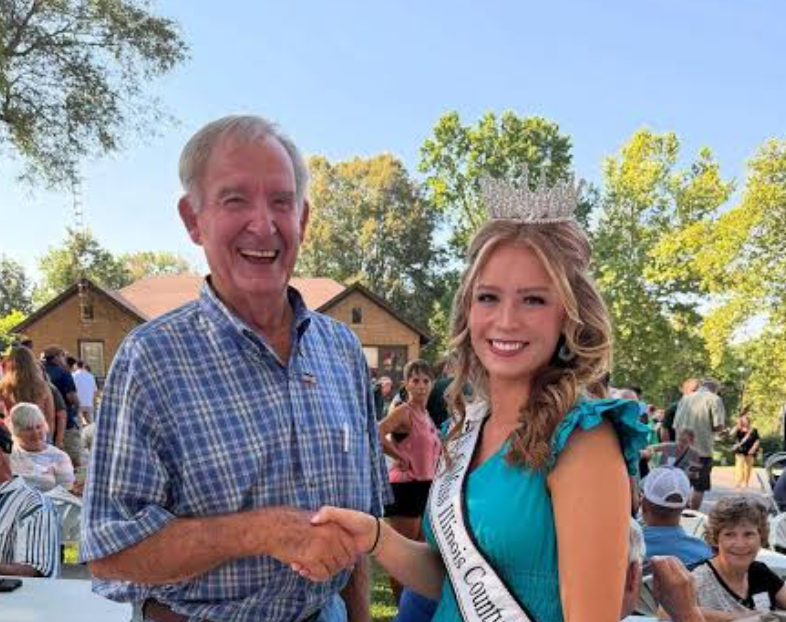
Joe Hampton with Queen Johnna Fulcher
By Tara Desmond • November 11, 2026
Farmer, family man and founding IL Corn board member, Joe Hampton helped give farmers a seat at the table. His influence is still felt decades later.

Illinois Leopold Conservation Award: seeking nominees, deadline February 15, 2027, over a grassy field path
By Sand County Foundation • November 10, 2026
Applications are now being accepted for the 2027 Illinois Leopold Conservation Award.
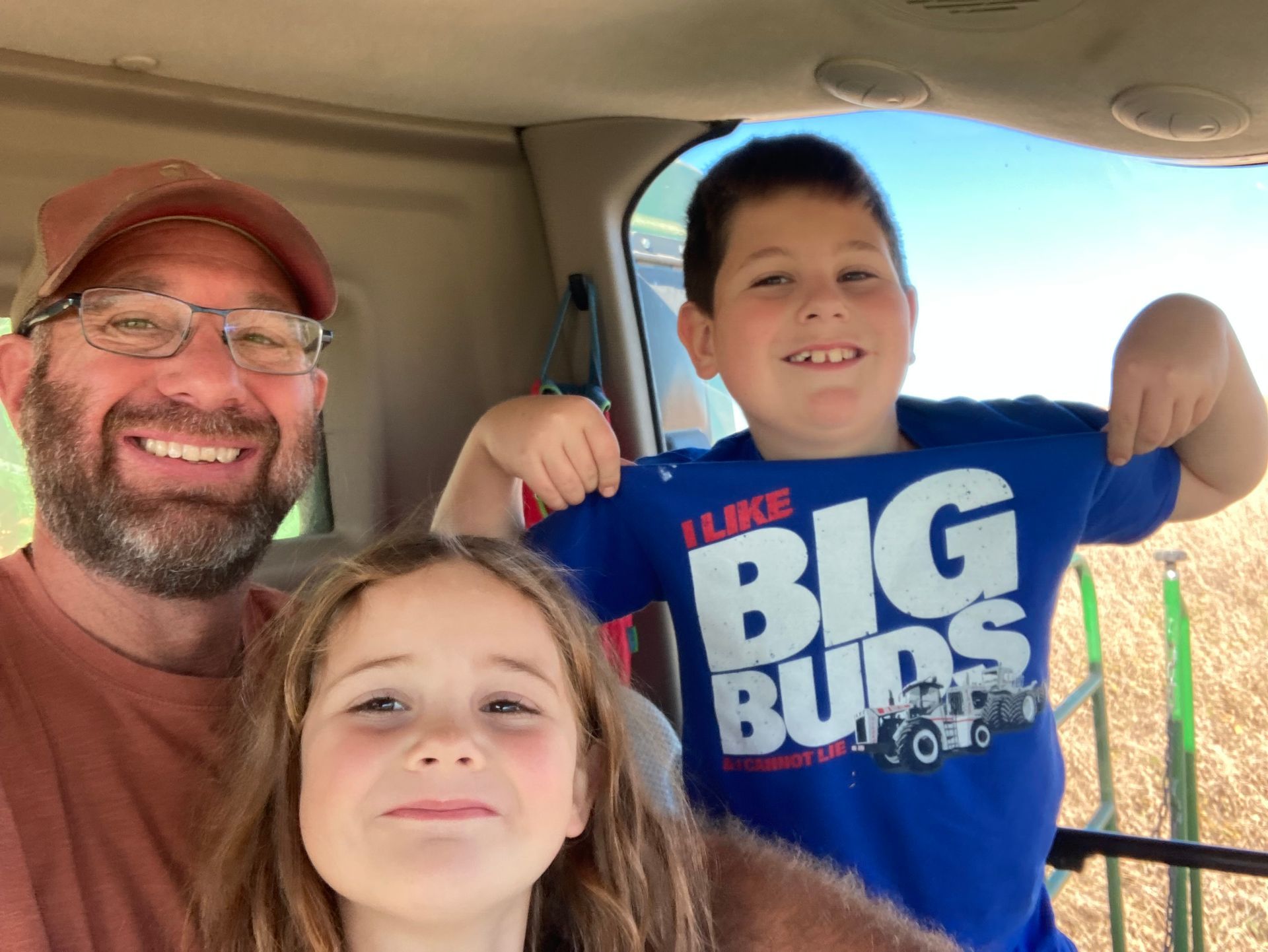
Doug with his kids farming
By Tara Desmond • November 10, 2026
Jacksonville farmer and ICGA member Doug Coop served 20 years in the Army. Here's how service shaped his life, his family and his farm.
Show More