A Government Shutdown Could Impact Farmers

September 18, 2023

The days are ticking as Congress approaches the reality of a government shutdown.


Although political debates in Washington D.C. may feel far from the midwest, the agriculture industry would be impacted if negotiations aren’t agreed upon before funding expires September 30,


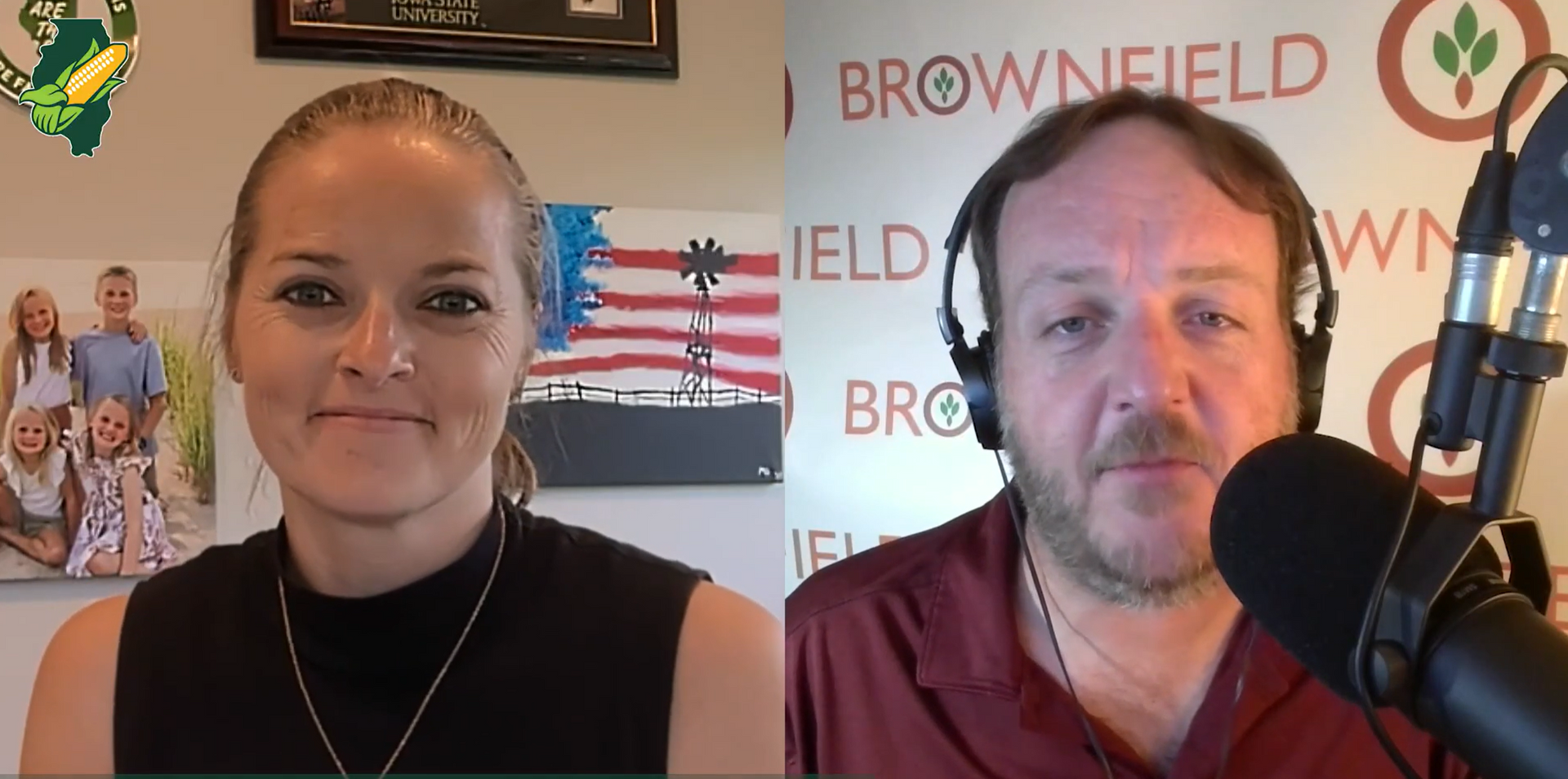
“You hear this debate in Congress on how Americans will feel whether or not there'll be a government shutdown,” said IL Corn Director of Public Policy Brad Stotler. “In the agriculture community, we will feel some of that.”

If funding is not agreed upon before the deadline, Congress, the Department of Agriculture, and the Environmental Protection Agency will have less employees working, and processes will be paused.


The Department of Agriculture Farm Service Agency, the National Resources Conservation Service, and Rural Development offices will close. The FSA will not hold sign-ups, acre reporting, processing, or payments. Farm loan applications would not be processed during this time.

Data from the Agriculture Marketing Service and the National Agriculture Statistics Service will be delayed and canceled. This would include monthly WASDE reports.

“If you're, quote, non-essential as an employee, then you won't be able to work,” Stotler said. Additionally, the Environmental Protection Agency will be unable to move forward on notice or rules, which will be likely to negatively impact rulemaking timelines.


How will this affect the farm bill?

If the government is not funded, all “non-essential” legislative staff will not work. Staff deemed essential will only be allowed to complete assignments related to the appropriations process and government funding.


Stotler said not only will staff be unable to put effort into the farm bill, but floor time for the bill could be an issue.He said House Committee on Agriculture Chairman Glenn Thompson has indicated the committee will move forward with a markup on the bill when leadership opens floor time. However, as Congress hurdles appropriations bills, floor fights, and a potential impeachment, discussions could be pushed back.


“It’ll be hard to get floor time into the fall,” said Stotler. “How does that impact the farm bill? I don’t think you’re going to see the farm bill if these other things don’t get resolved.”


In a recent interview during the Farm Progress Show, IL Corn Executive Director Rod Weinzierl said if Congress approves a continuing resolution, he expects a farm bill extension to be attached. However, if funding cannot be finalized, Weinzierl said the division could make it harder for a farm bill to be passed this year.


If the farm bill expires, numerous pieces of the legislation will not be impacted. Programs such as crop insurance and the Supplemental Nutrition Assistance Program are permanent law and will not be changed if a bill is not passed. However, commodity programs, such as ARC and PLC are set to expire. Weinzierl said later in the year is when farmers could see greater impacts.


Weinzierl, who has been with IL Corn for six farm bill debates, remains optimistic in spite of the chaos. “Maybe everybody starts talking to each other and getting along a bit better than what they’ve been doing,” said Weinzierl. “So, talk to them (congressmen), encourage them…Try and get conversations going.to get that farm bill passed.”

Baby with Corn Plastic Food Containers
By Pearl McDade June 12, 2026
Explore how corn is converted into PLA bioplastic for cups, food packaging, and 3D printing as demand grows for sustainable materials.
PCMthumbnail
By Tara Desmond June 11, 2026
PCM's 2026 Data Book, featured in this week's Prairie Farmer, shares 11 years of field data proving conservation and profitability go hand in hand.
By Tara Desmond June 11, 2026
How much do you know about the farmers who came before you and the decisions that still shape Illinois agriculture today? That's what University of Illinois student Lyndon Shi set out to explore during his internship with IL Corn . What began as an archival research project became a deeper look at the history of farmer leadership, innovation and advocacy in Illinois. While digging through university archives, Lyndon uncovered an undigitized manuscript from agricultural economist Harold Guither explaining the case for checkoffs. When he mentioned the discovery to IL Corn Director Rod Weinzierl, he got an unexpected response: "Oh yeah, I know him. We worked with him." It was a reminder that agricultural history isn't as distant as it may seem. Lyndon's research connected two eras of the IL Corn Growers Association: the original organization founded in the 1890s and the modern ICGA established in the 1970s. He learned how University of Illinois agriculture dean Eugene Davenport helped organize corn growers and sent professors across the state on "Corn Gospel Trains" to share the latest farming research. One story stood out in particular: the adoption of hybrid corn. Farmers who once judged corn by the appearance of the ear had to shift their focus to yield. Lyndon sees a similar transition today, as farmers increasingly balance yield with profitability amid rising input costs. "Illinois corn farmers are very good at organizing, and they are genuinely very grassroots," Lyndon said. "They've had a much more active role in shaping policy rather than just being on the receiving end." This Summer and Fall, Lyndon will travel to Taiwan on a federal scholarship to study food security. He'll do so with a new appreciation for Illinois agriculture's global connections, including Taiwan's longstanding role as an important trading partner. Watch the full conversation on IL Corn TV to hear Lyndon's research firsthand and discover how Illinois corn's history continues to influence the future.
Matt at USAPEEC Strategic Conference
By Tara Desmond June 11, 2026
IL Corn director Matt Raben was elected to USAPEEC's executive committee at the organization's 37th Annual Meeting this week.
Green world map with black curved arrows linking North America to Europe and Asia
By Lyndi Allen June 11, 2026
As one of the nation’s top agriculture exporters, Illinois ships corn to buyers across the globe—but where is it all going
Brian
By Tara Desmond June 11, 2026
Funk's Farm manager Brian Bangert explains the farm's 200-year history, the origins of Funk's G Hybrid, and how corn powers their cattle operation today.
Show More