
PCM's 2026 Data Book Makes the Business Case for Conservation
By Tara Desmond • June 11, 2026
Illinois farmers picking up this week's issue of Prairie Farmer will find something worth a second look: the 2026 Precision Conservation Management (PCM) Data Book, a full publication packed with 11 years of real field data showing what conservation practices actually do for a farm's bottom line.
The data book titled The Business Case for Conservation is a program of IL Corn and represents one of the most comprehensive on-farm datasets in the Midwest. PCM has tracked pass-by-pass field records across hundreds of thousands of Illinois acres since 2015, and this year's data summary distills those findings into clear, actionable takeaways for farmers navigating tight margins.
What the Data Shows
The headline finding is one PCM has been building toward for a decade: yield and profitability are not the same thing. The most profitable fields in PCM's dataset are not the highest-yielding but they're the most efficient. Here's what the numbers say across the three core practice areas:
Tillage
- Across 11 years of data, less tillage consistently means lower costs and stronger returns. One pass of light tillage was the most profitable class for corn and soybean fields. In this current low-price / high-cost climate, no-till has become more profitable than ever for corn production on highly productive soils.
- Heavier tillage systems (two or more tillage passes) carry higher power costs and usually do not produce enough extra bushels to pay for the higher fuel and equipment costs.
- In a survey this past winter, 52% of PCM farmers who don't already use reduced tillage say they are likely to reduce or eliminate tillage passes.
- Farmers using no-till, strip-till, or one light pass are also eligible for conservation payments through PCM partners, making these practices even more attractive.
Nitrogen
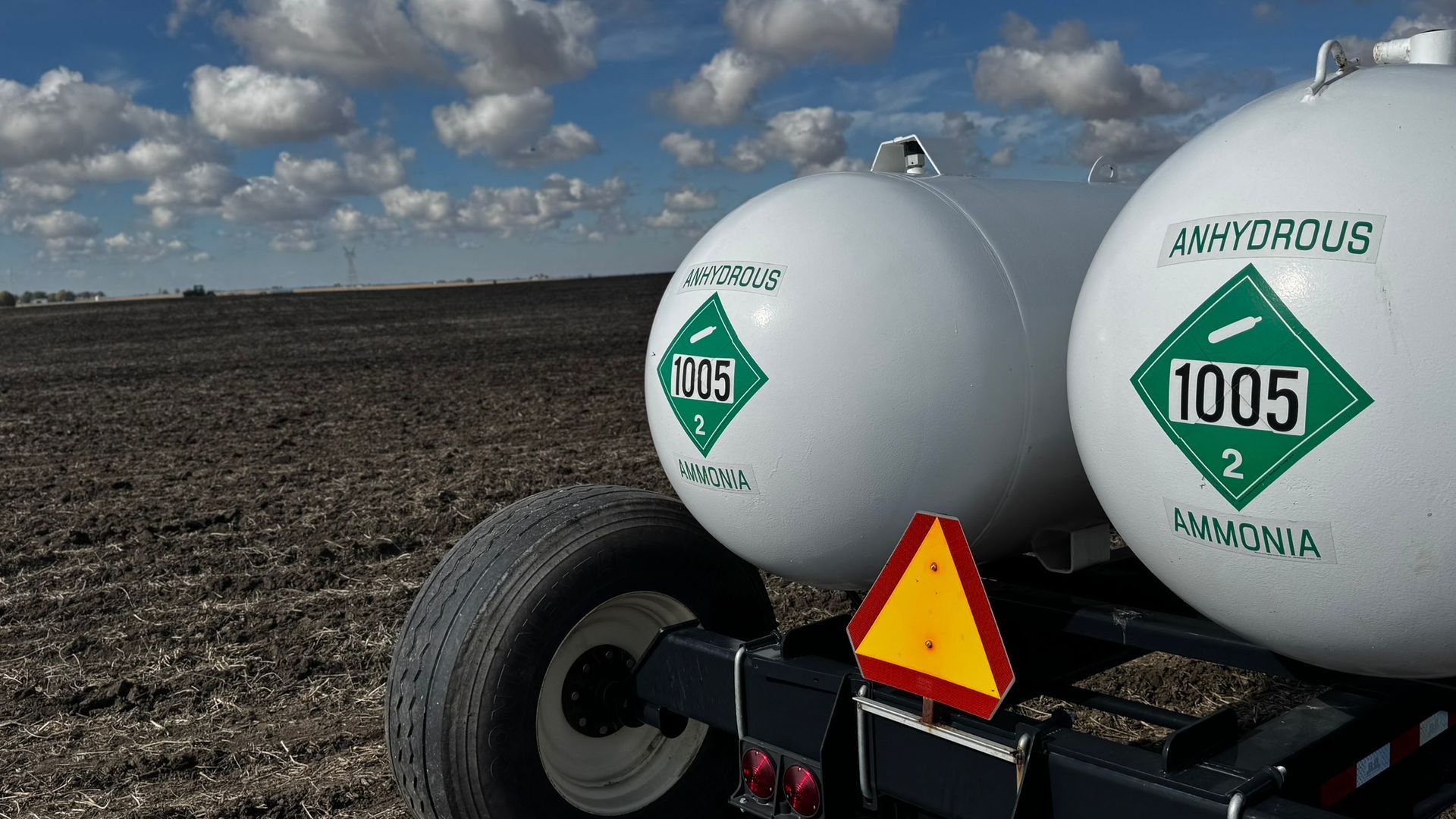
- Despite near-record high nitrogen fertilizer prices in 2025, 68% of high-productivity corn acres in PCM's dataset received more than 200 lbs N/acre, yet the most profitable rate range was less than 150 lbs N/acre.
- Corn fields applying less than 150 lbs N/acre in 2025 netted $65/acre more than those applying 200+ lbs.
- In every single year of PCM's 11-year dataset, the most profitable nitrogen rate has been below 200 lbs N/acre total.
- In low-profitability years especially, leaner nitrogen rates are one of the strongest tools available to protect margins.
- In a recent survey, 79% of PCM farmers who don't already use MRTN rates say they are likely to adopt them.
Cover Crops
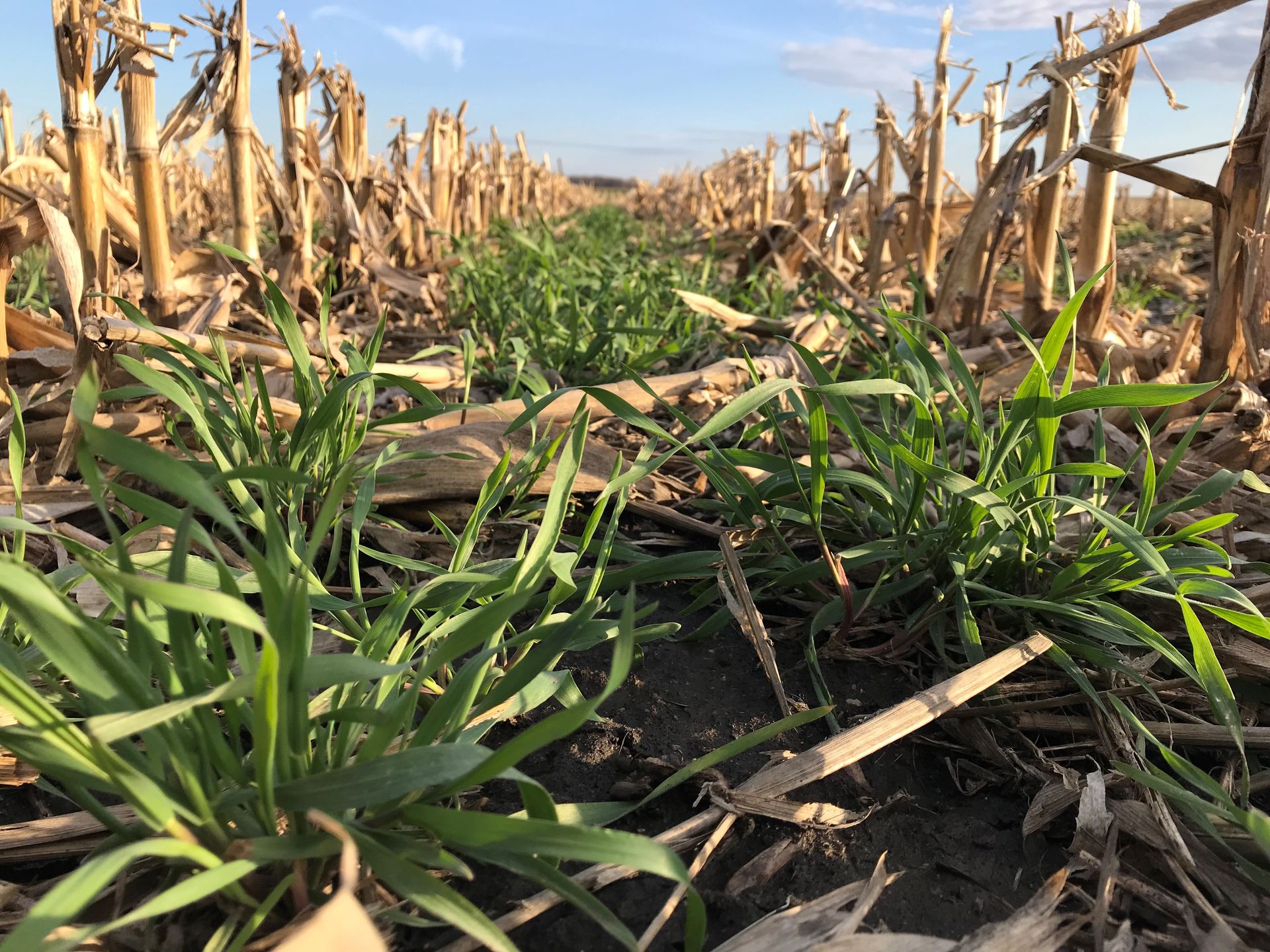
- Cover crops do carry a modest yield drag on average, but when farmers take advantage of available incentive payments, profitability can often be maintained while soil health and water quality improve.
- Overwintering species like cereal rye are the most popular choice ahead of soybeans; winter terminal species like oats and radish performed slightly better ahead of corn.
- 63% of PCM farmers who don't already use cover crops across their whole operation say they are likely to try or expand cover crop use.
PCM is fully funded through program partnerships, meaning there is no cost to enroll. Farmers who sign up also receive a $750 sign-up bonus (over two years) and an annual field-by-field profitability and environmental analysis each February. Farmers interested in enrolling can get started at precisionconservation.org/farmers.
Latest Posts