
A Summer of Advocacy and Impact: Pearl McDade's IL Corn Internship


By Pearl McDade July 31, 2026

After 10 weeks with IL Corn, Pearl McDade leaves with new insights into advocacy, education, and leadership in agriculture. 

Every summer, IL Corn is proud to host an intern to assist with policy and communications efforts while inspiring the next generation to pursue a career in agriculture. This year, the internship program did just that. Pearl McDade, who spent the past 10 weeks interning with IL Corn, is leaving with a deeper appreciation of the work of agricultural leaders in the field, office, and capitol hill. 


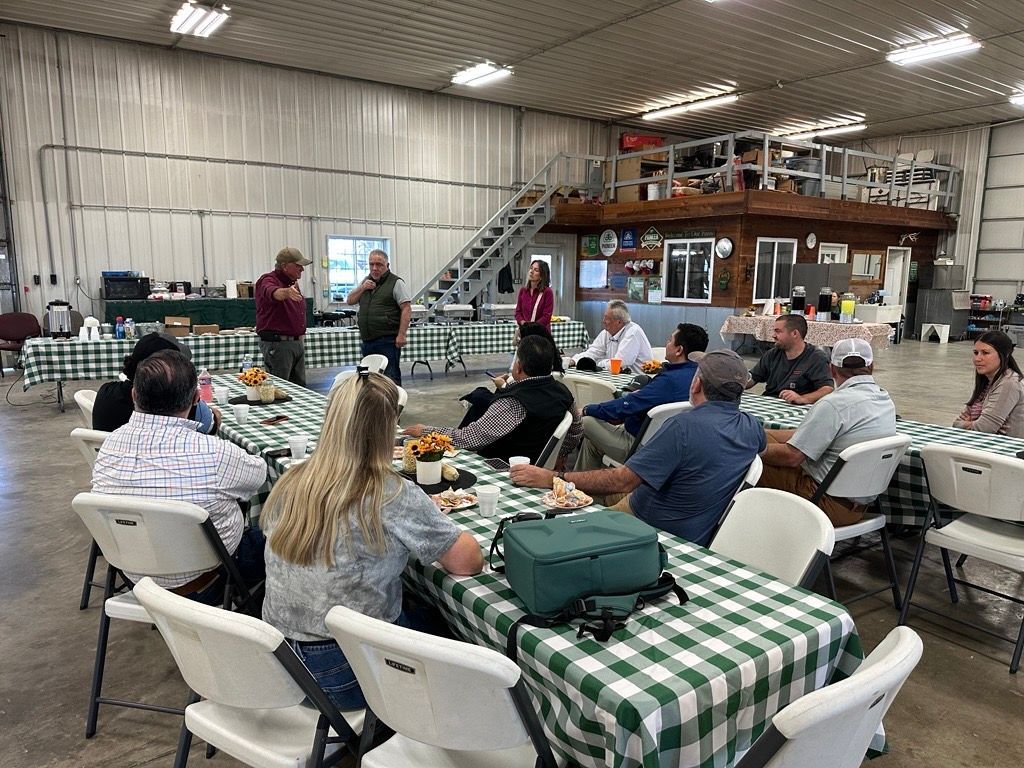
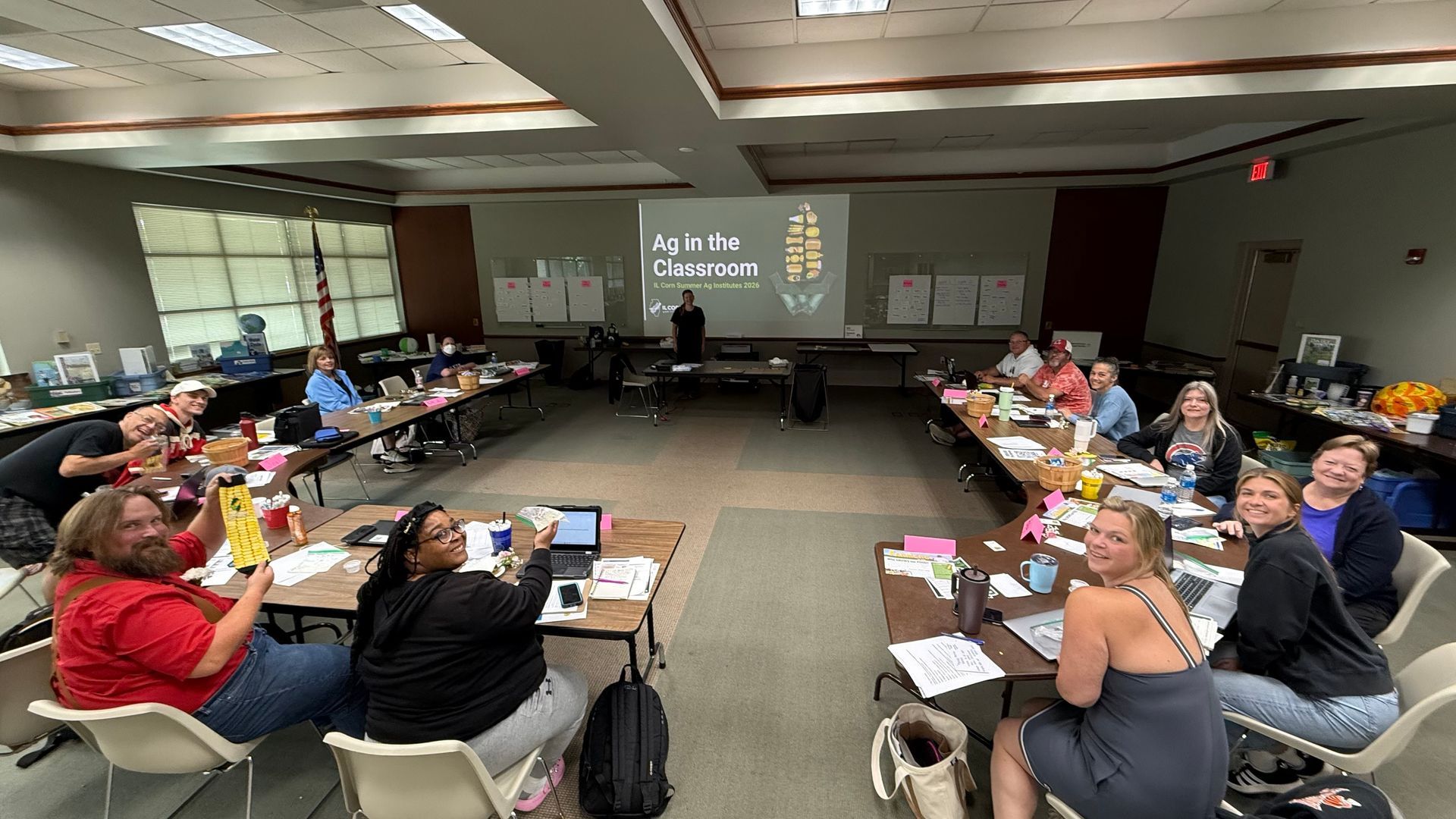
McDade started her summer preparing a presentation for Illinois Agriculture in the Classroom's Summer Ag Institutes (SAIs). These take place across the state and invite teachers to learn more about how to implement agriculture into their curriculum. They help bridge the gap between the farm and the classroom, with McDade covering topics such as types of corn grown in Illinois, the many uses of corn, conservation practices, and ethanol.

Pearl head shot


She shared her presentation at eight SAIs, reaching over 70 educators. She was also invited to speak to the Tazewell County Retired Teachers Association, where she spoke to over 100 past educators about the impact corn is making around the state. 

Summer ag in the classroom institutes

McDade also left an impact on IL Corn's agricultural education programs by redesigning a portion of the IL Corn website. This overhaul included the creation and redesign of a variety of resources, including lesson plans and promotional banners. By making it easier than ever to view the lessons, programming, and resources that IL Corn offers, even more educators across the state can connect with corn.


Another rewarding aspect of McDade's summer was connecting with farmers, interviewing past IL Corn interns, and researching corn’s many uses for IL Corn's ag news. She enjoyed this opportunity to strengthen her research and writing skills while learning more about agriculture and IL Corn’s history and impact.

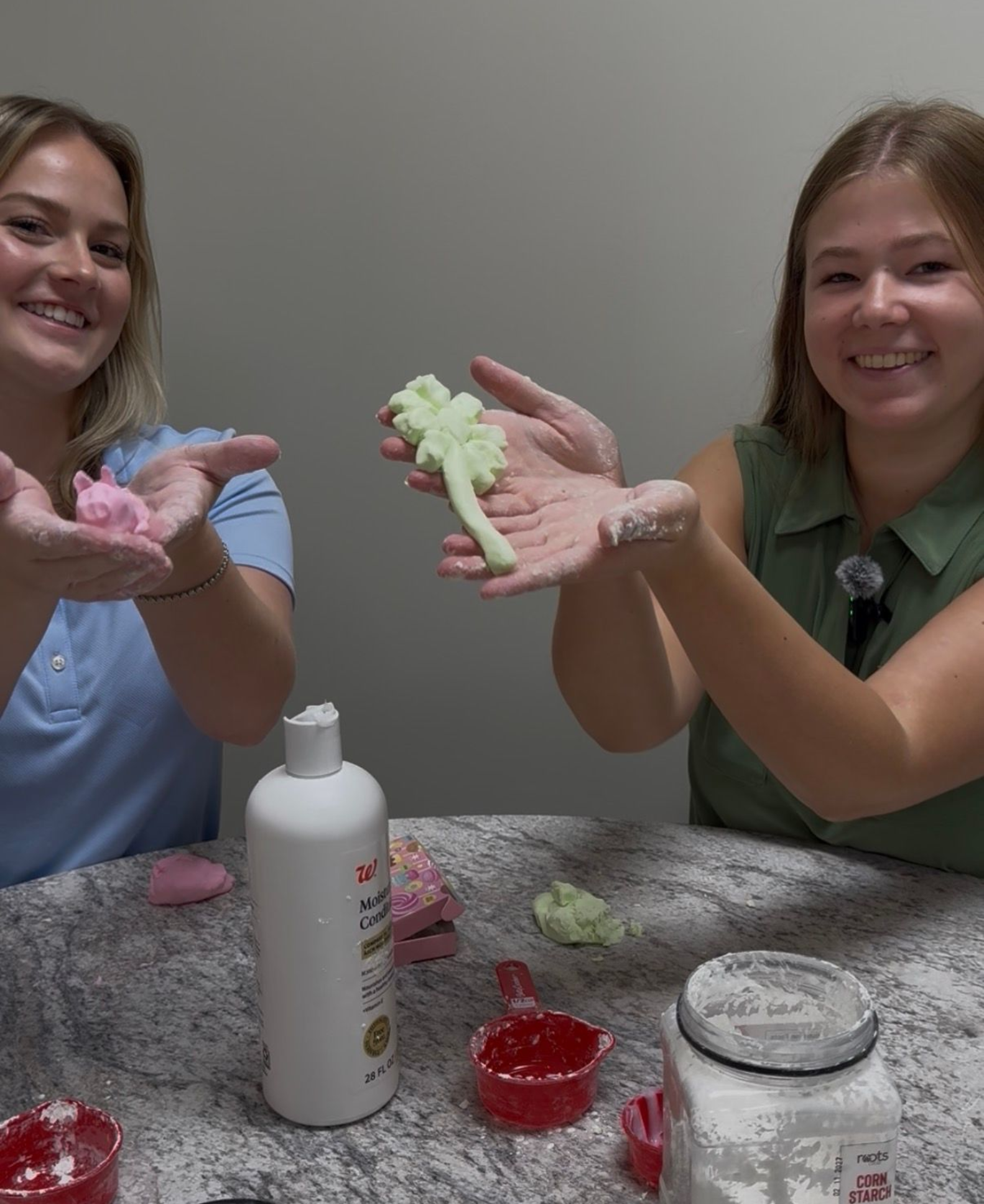
pearl and lyndi making corn lab stuff

The highlight of McDade's summer came towards the end of her internship, when she accompanied IL Corn board members and the Illinois FFA section presidents on a trip to Washington, D.C. While there, she attended the National Corn Growers Association’s (NCGA’s) corn congress, speaker events, and congressional office visits. 


"From sitting in on NCGA's communication and education action team to watching our farmer leaders discuss ethanol, trade, input costs, and more with elected officials, I was fascinated by just how many issues are encompassed by agriculture. Getting a closer look at how the IL Corn Growers Association advocates for its members was fascinating and inspiring," McDade said. 

pearl in DC

McDade also got the opportunity to learn more about the IL Corn Marketing Board and the IL Corn Growers Association by attending their board meetings. These were great opportunities to learn more about how agricultural leaders make decisions for their communities. 


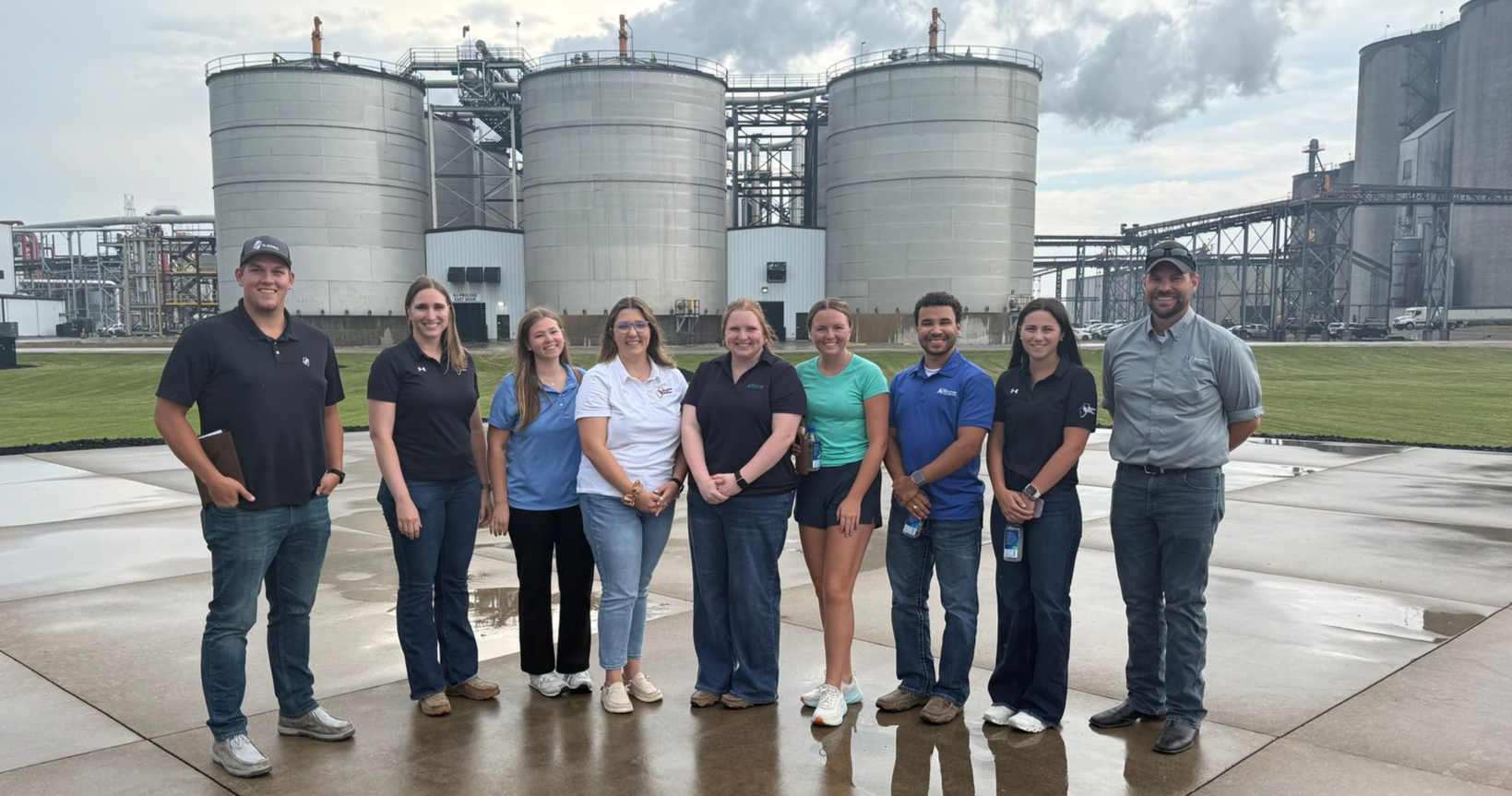
She was also fortunate enough to attend and interact with a variety of programs across the state, including a tour of the Marseilles lock and dam and Marquis ethanol plant, events with the Illinois Farm Families coalition, and Congresswoman Nikki Budzinski's agricultural workforce development summit. 

Group of eight people posing on a wet concrete pad in front of large industrial tanks and a refinery.

"I couldn't have asked for a more engaging and hands-on way to spend my summer. I'm grateful for the leadership of IL Corn's staff and boards for showing me all that the ag world has to offer," McDade said.


Not a member?

Become one today!

SHARE THIS

Latest Posts

unshucked thumbnail with Tara and corn blowing out her ears
By Tara Desmond September 9, 2026
Meet Pervis Ellis: 104-Degree Harvest, No-Till, and White Corn for Mexico
Ron Miller on his farm
By Tara Desmond September 9, 2026
From Illinois fields to African villages, Ron Miller shares the farming lessons, friendships and one life-changing story he’ll never forget.
Evan Blind at NCERC
By Tara Desmond September 8, 2026
Step inside NCERC to see how Illinois corn growers are helping drive research into ethanol, new technologies and the next big opportunities for corn.
Lou Lamoreux Farm
By Tara Desmond September 3, 2026
Livestock farmer Lou Lamoreux talks about his farming operation.
captain Cornelius at shake it up cocktail lounge
By Tara Desmond September 3, 2026
4.29M bushels of U.S. corn fueled beverage alcohol production in July 2026 alone — up 54% from July 2025. Corn's in your Labor Day toast!
aerial view of short corn
By Tara Desmond September 3, 2026
Illinois farmer Steve Fourez tests short stature corn against conventional hybrids, exploring yield potential and late-season management benefits.
USDA building
By Lyndi Allen September 3, 2026
This week, U.S. Secretary of Agriculture Brooke L. Rollins announced the U.S. Department of Agriculture (USDA) Data Modernization Plan to put Farmers First, reduce unnecessary burdens on producers, and improve the timeliness, accuracy, and usefulness of the data that informs agricultural decisions. USDA data informs crop and livestock estimates, risk-management tools, disaster assistance, and critical business decisions made by farmers, ranchers, agribusinesses, researchers, and policymakers. In February 2026, Secretary Rollins issued a Request for Information seeking feedback on the opportunities, challenges, and emerging areas in USDA data. That feedback helped shape the USDA Data Modernization Plan and its four pillars: Modernize the Data Reporting Experience: USDA will expand use of administrative data, improve mobile access to surveys, explore opportunities to use prefilled information where appropriate, and strengthen coordination across the Department. These changes will reduce duplicative requests and limit the amount of time producers spend reporting information. Enhance Acreage and Yield Estimation: USDA will conduct a pilot to evaluate the use of improved satellite imagery, geospatial tools, crop models, and other emerging technologies combined with essential producer-reported information to enhance acreage and yield estimations. USDA will also assess the use of optional field inputs to enhance and ground truth yield estimates and continue advancing yield research through collaboration with agricultural partners and land-grant universities. Integrate Data and Technology Platforms: USDA will modernize its technology infrastructure, expand secure data-sharing capabilities, and evaluate the responsible use of tools such as artificial intelligence and machine learning. Better integrated systems will improve efficiency, reduce duplication, and allow USDA to produce more timely and useful information. Expand Trust and Transparency with Producers: USDA will protect producer privacy, clearly explain why information is requested and how it is used, and create additional opportunities for producers to provide feedback. USDA will also improve communication surrounding reports, methodologies, response rates, and data limitations. USDA will begin implementing actions under the plan immediately and will continue engaging farmers, ranchers, and agricultural stakeholders throughout the process. The Department will evaluate new approaches carefully, protect privacy and confidentiality, and publish clear methodologies and supporting information to maintain the integrity of USDA’s agricultural statistics. See USDA’s Full Data Modernization Plan
Cornfield beside a dirt path under a blue sky with wispy clouds
By Lyndi Allen September 2, 2026
EPA has granted 1.76 billion RIN exemptions to small refiners, raising concerns among farmers and biofuel producers about the potential impact on demand for renewable fuel.
Weekly News
By Lyndi Allen August 28, 2026
News from IL Corn for week ending 8/28/26
Tall green corn plants under a partly cloudy blue sky
By Lyndi Allen August 27, 2026
New tariffs on Canadian goods took effect August 22, a critical market for U.S. agriculture. For Illinois farmers, the concern is what these tariffs could mean for demand.
Show More