


EPA Grants Biofuel Exemptions


By Lyndi Allen • September 2, 2026

The U.S. Environmental Protection Agency (EPA) has granted 1.76 billion Renewable Identification Number (RIN) exemptions to small refiners for the 2025 compliance year, raising concerns among farmers and biofuel producers about the potential impact on demand for renewable fuel.


RINs are compliance credits and the “currency” of the RFS program. A RIN is generated when renewable fuel is produced, which can be bought and sold separately from the fuel. Learn more about RINs.


The EPA issued 29 full and partial Small Refinery Exemptions (SREs), allowing refineries to avoid some or all of their obligations under the Renewable Fuel Standard (RFS). In total, 1.76 billion RINS are being exempted.


Learn more about how the RFS requirements work


The EPA will propose reallocating 100% of the difference between the projected and actual 2025 exempted volumes into the Renewable Volume Obligations (RVOs) for 2026 and 2027. EPA says it plans to propose the reallocation before the end of October.


“We look forward to the EPA fully reallocating those volumes from the announced exemptions. This is another win for the biofuel industry,” said Maroa, Illinois farmer and IL Corn Growers Association President, Mark Bunselmeyer. “Illinois corn farmers need certainty and strong domestic markets for their crop, and ethanol is an important part of that equation.”


IL Corn will continue to closely follow EPA’s reallocation process and push for policies that protect and expand opportunities for ethanol.


Learn more about the RFS and SREs


Not a member?

Become one today!

SHARE THIS

Latest Posts

Illinois officials at NCERC news conference
By Lindsay Croke • October 9, 2026
A $15 million investment in NCERC at SIUE will expand the facility and provide opportunities for new bioproducts using corn to scale to commercialization.

National Corn to Ethanol Research Center proposed expansion
By Lindsay Croke • October 9, 2026
Fully funding an expansion of NCERC at SIUE will allow the testing and trials required for new corn products to scale in Illinois.

U.S. Meat being showcased in Tokyo
By John Klemm & Tara Desmond • October 8, 2026
DeWitt County farmer John Klemm shares how exporting beef helps corn and an early look at a slow, wet start to his 2026 harvest.
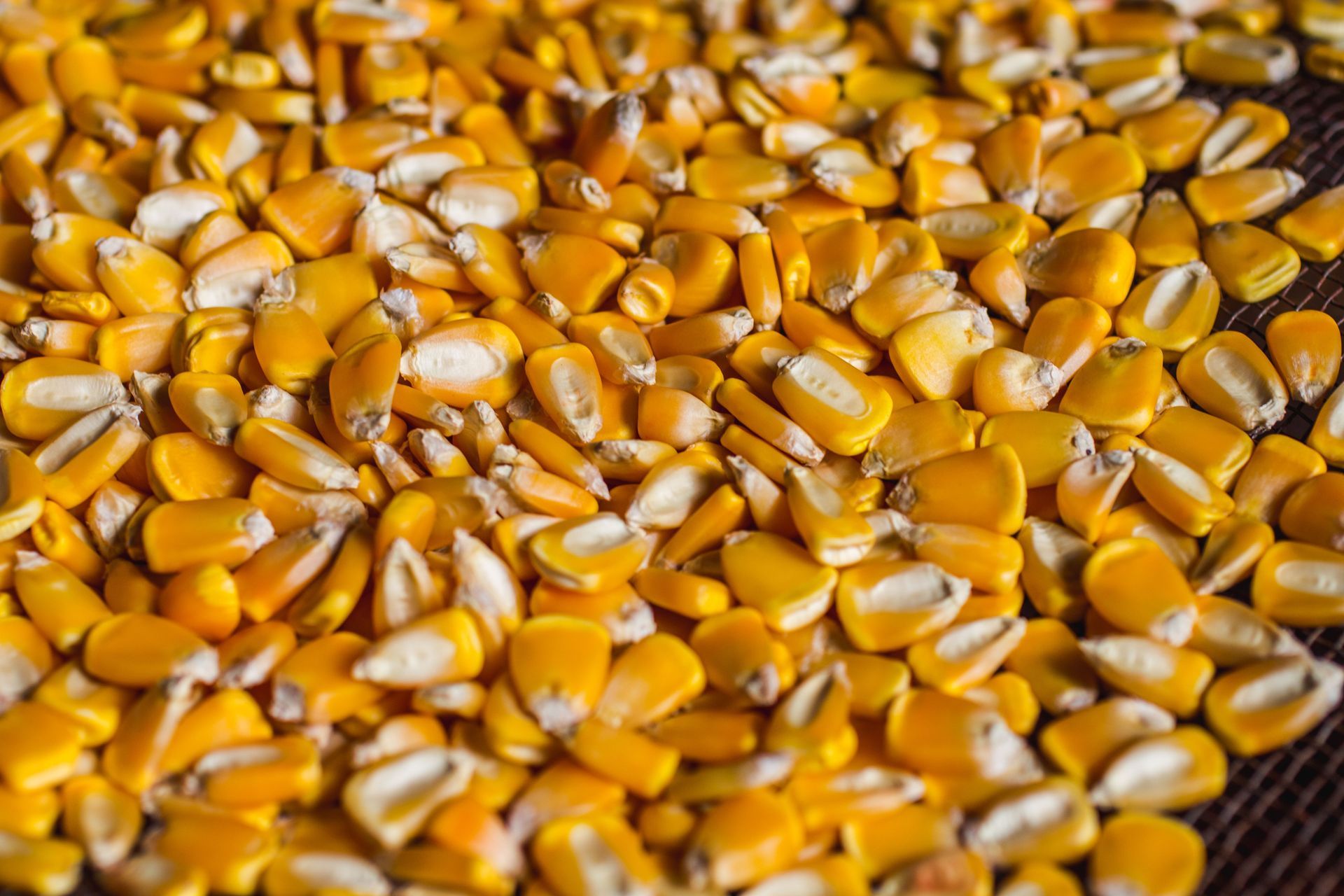
Corn kernels
By Lindsay Croke • October 8, 2026
Illinois corn farmers are grateful for Governor Pritzker’s effort to lower diesel prices for farmers this fall.
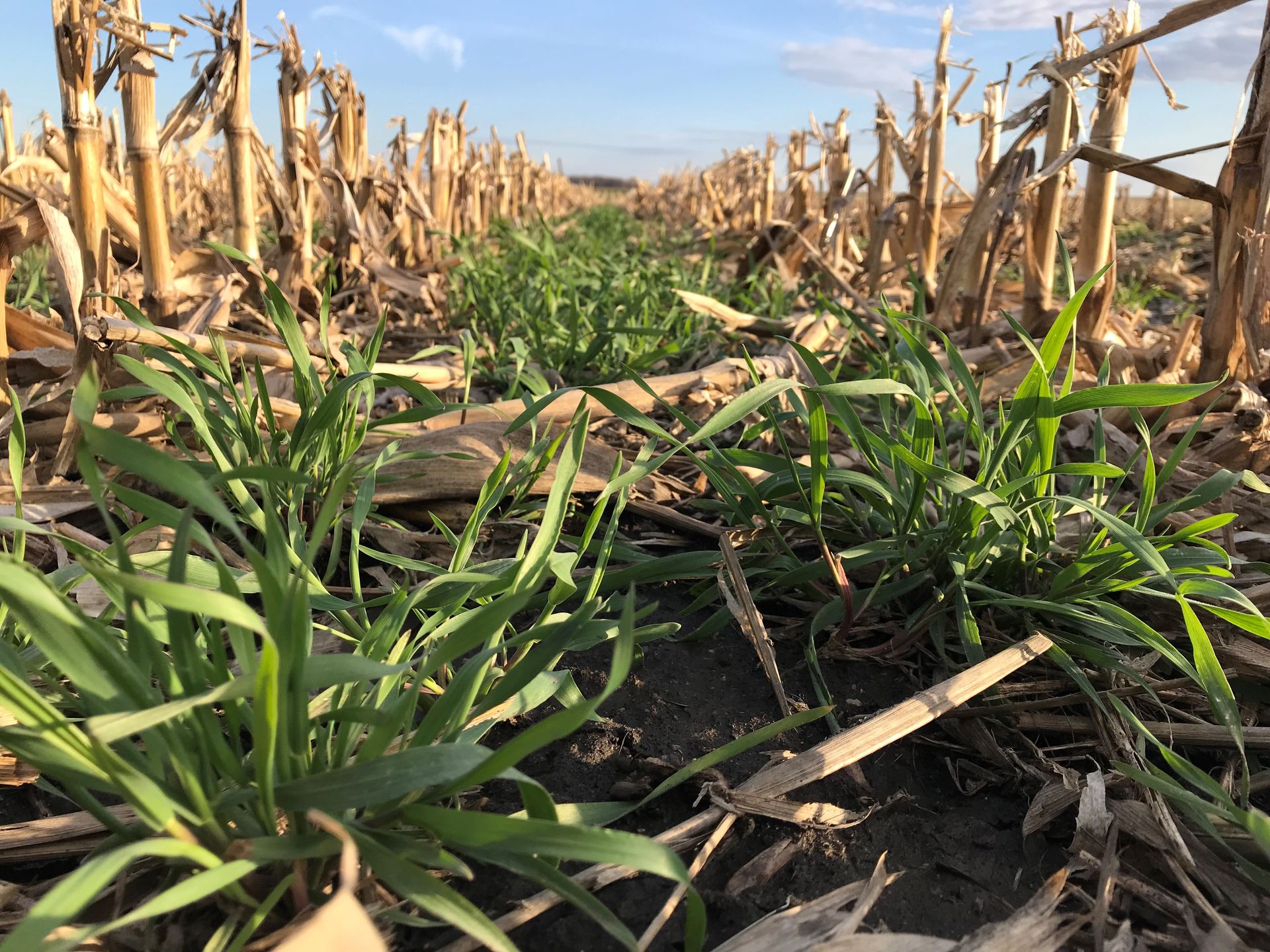
cover crops in the field
By Summary from PCM / Farmdoc Webinar • October 8, 2026
Precision Conservation data shows growing cover crops costs Illinois corn farmers $27.30 an acre to deliver carbon benefits. See how conservation payments compare.
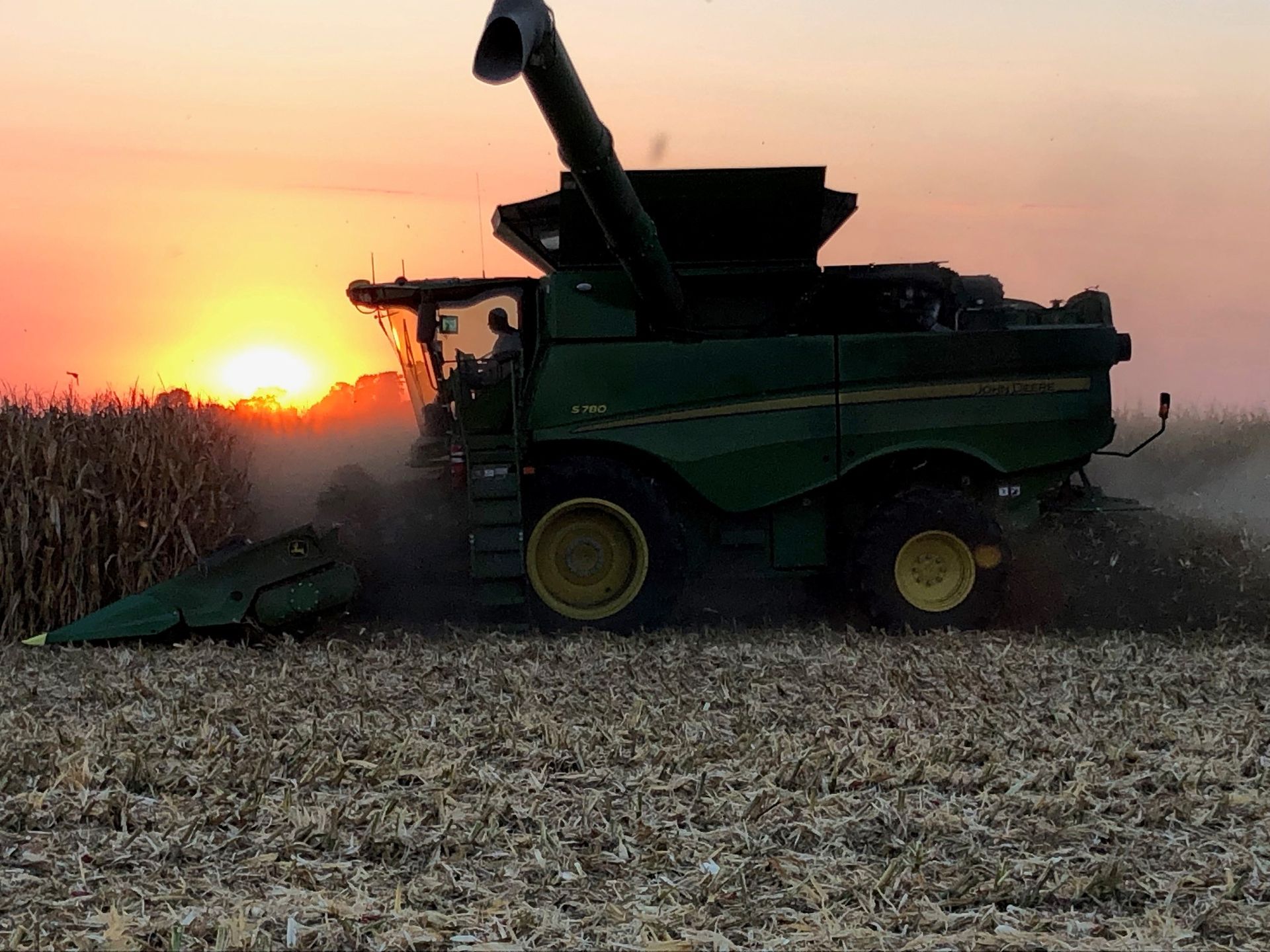
Green combine harvester in a field at sunset, with the sun low on the horizon.
By Lyndi Allen • October 8, 2026
Recent federal and state actions provide potential relief for Illinois farmers facing high costs during harvest, including diesel fuel and grain storage.
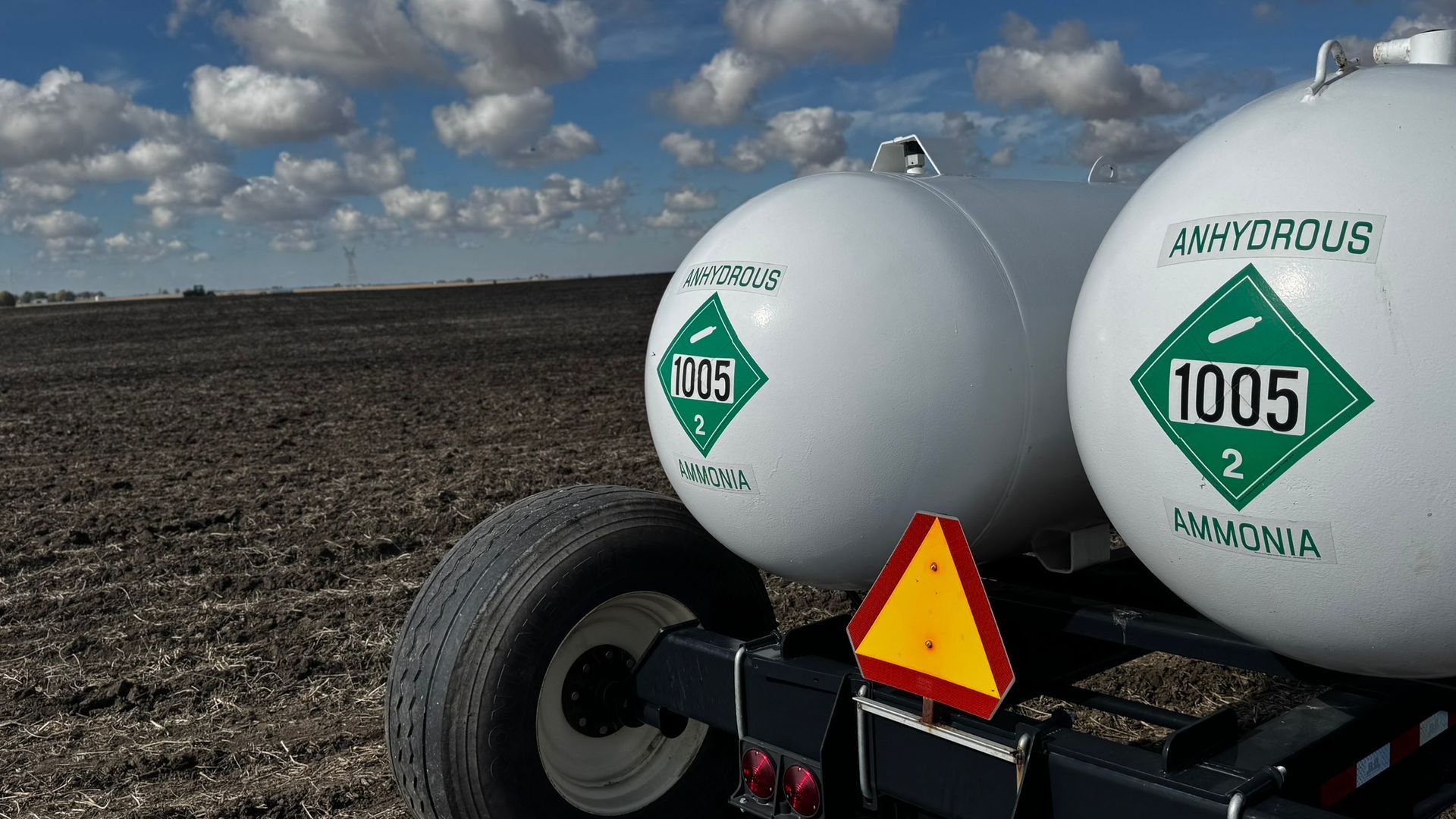
anhydrous tanks
By Tara Desmond • October 8, 2026
Wait for 50°F soil, watch the forecast, and give your N a chaperone. Seven fall nitrogen tips to keep your money in the field, not the creek.

Michelle and Shane
By Tara Desmond • October 5, 2026
Farm Babe shares how she got Burger King to drop an anti-cattle ad and why farmers' voices matter.

Shane, Gregg and Danna
By Tara Desmond • October 5, 2026
Carle Health nurses explain the free Vial of Life, a fridge-stored medical info kit that helps first responders act fast in a farm or home emergency.
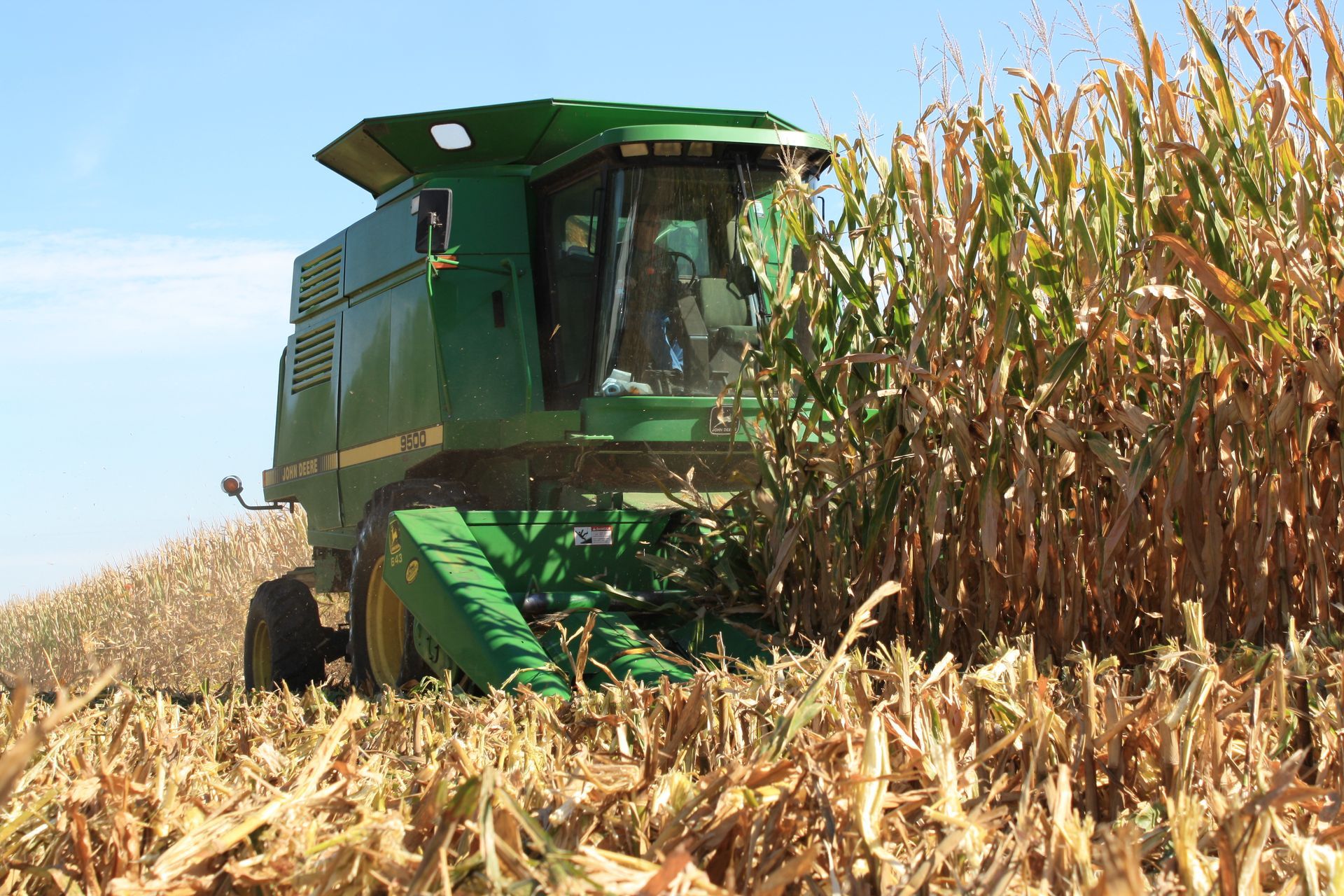
Green combine harvester cutting corn in a dry field under a clear blue sky
By Lyndi Allen • October 1, 2026
As Illinois farmers enter the harvest season, ICGA is asking state and federal policymakers to find ways to lower the cost of diesel fuel for farmers.
Show More