
Illinois' Inland Waterways: A Crucial Economic Engine

March 12, 2024
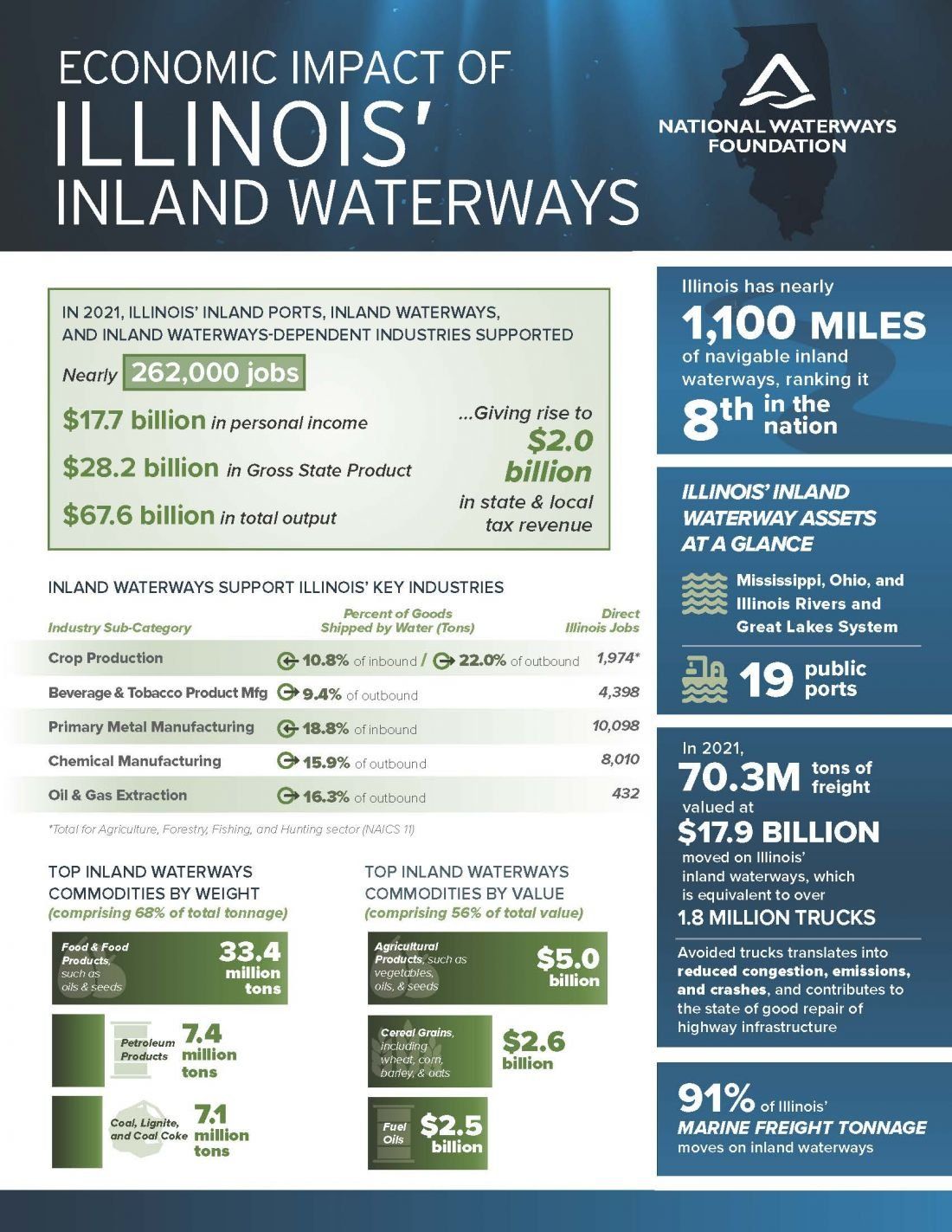
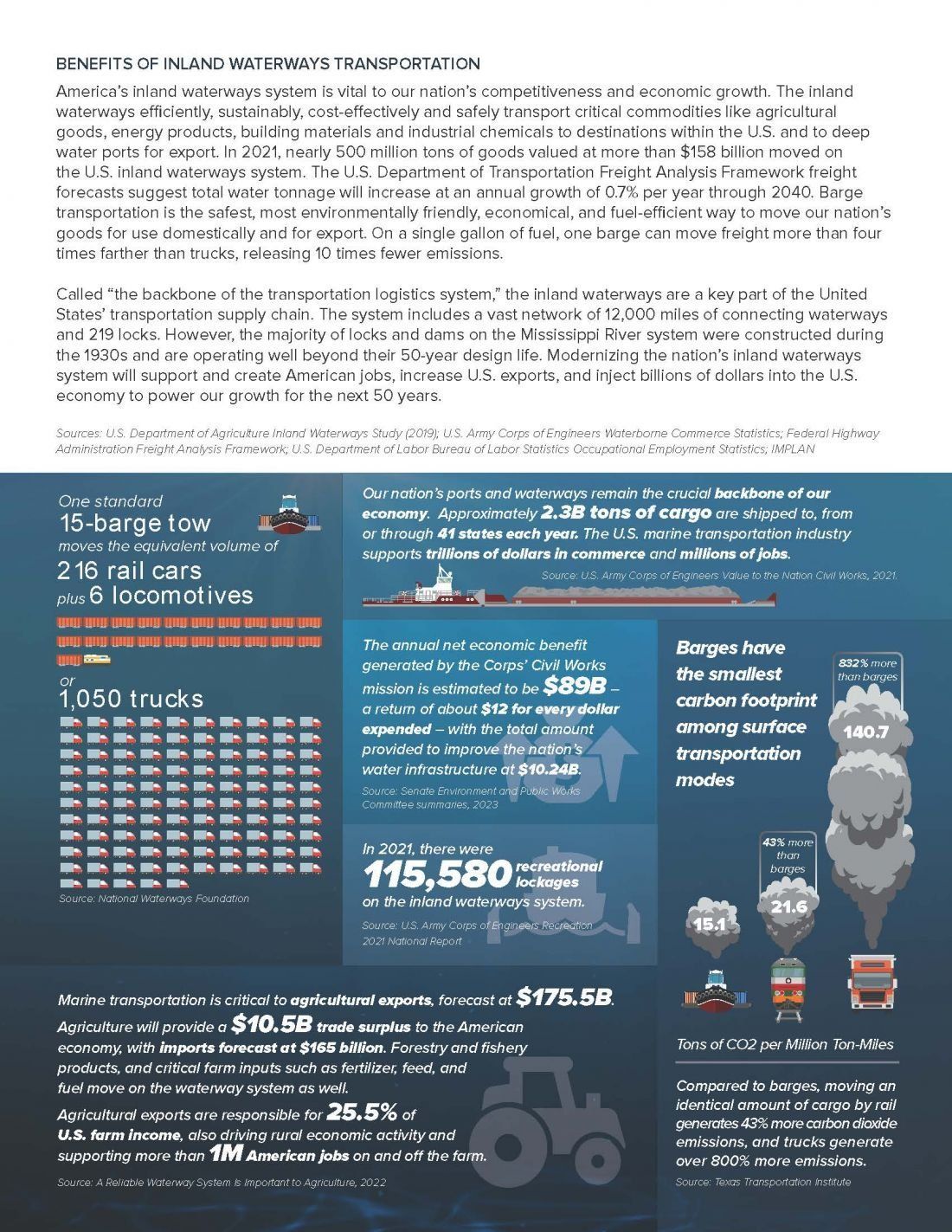
A poster showing the economic impact of illinois ' inland waterways
A page of a book with a lot of text on it.

Illinois proudly hosts 1,100 miles of navigable inland waterways, facilitating the movement of over 70 million tons of freight valued at $17.9 billion annually. The pivotal commodities transported and industries supported play a vital role in our nation's infrastructure. Dive into the comprehensive economic analysis of Illinois' inland waterways in the updated state waterways profile crafted by Cambridge Systematics. Proudly sponsored by Waterways Council, Inc. and the National Waterways Foundation. Click for pdf version.

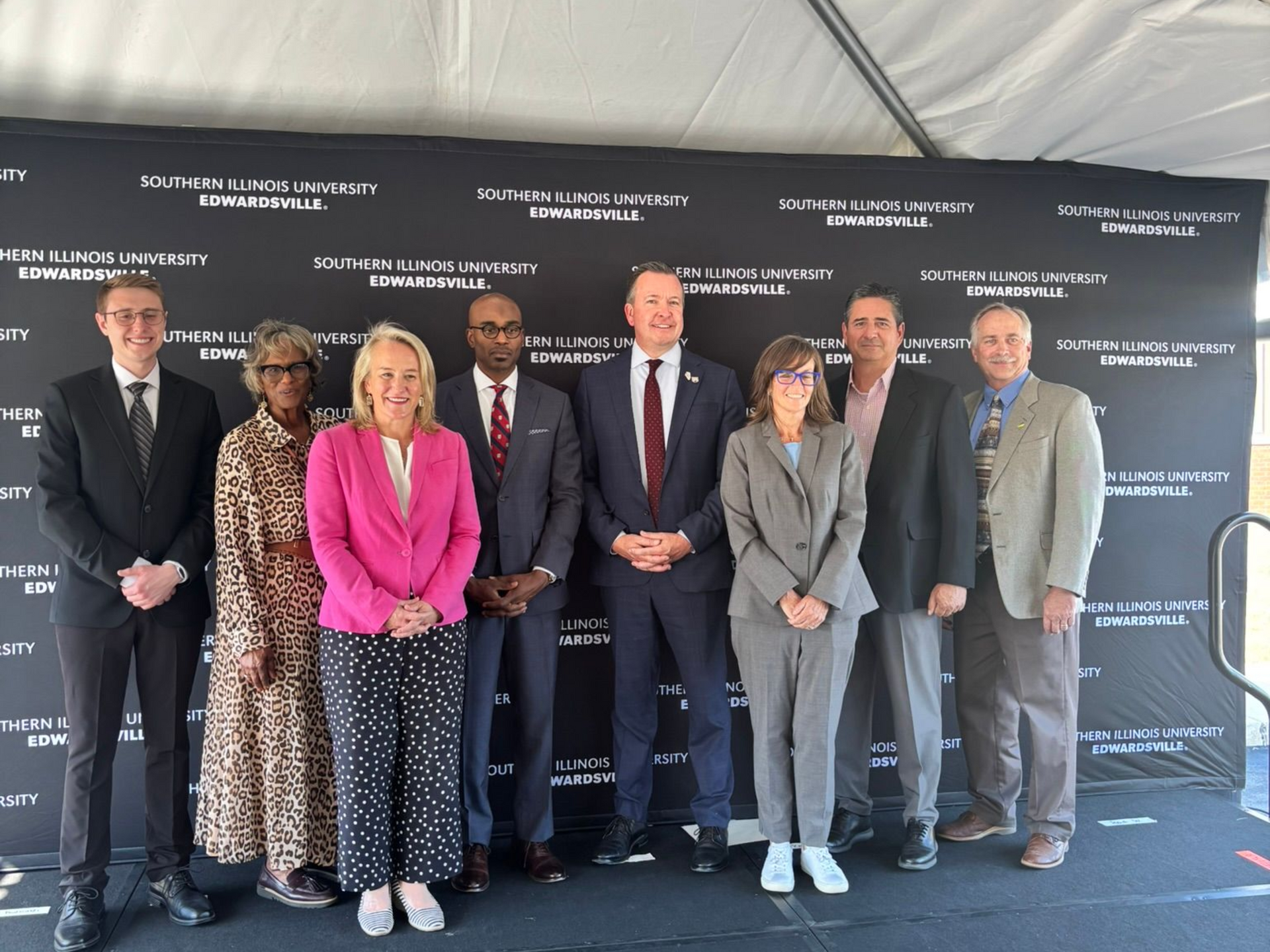
Dr. Yan Zhang, Justin Moore, Rod Weinzierl, Rep. Nikki Budzinski, Dr. Christopher Slaten, and Dr. Pr
By Lyndi Allen May 26, 2026
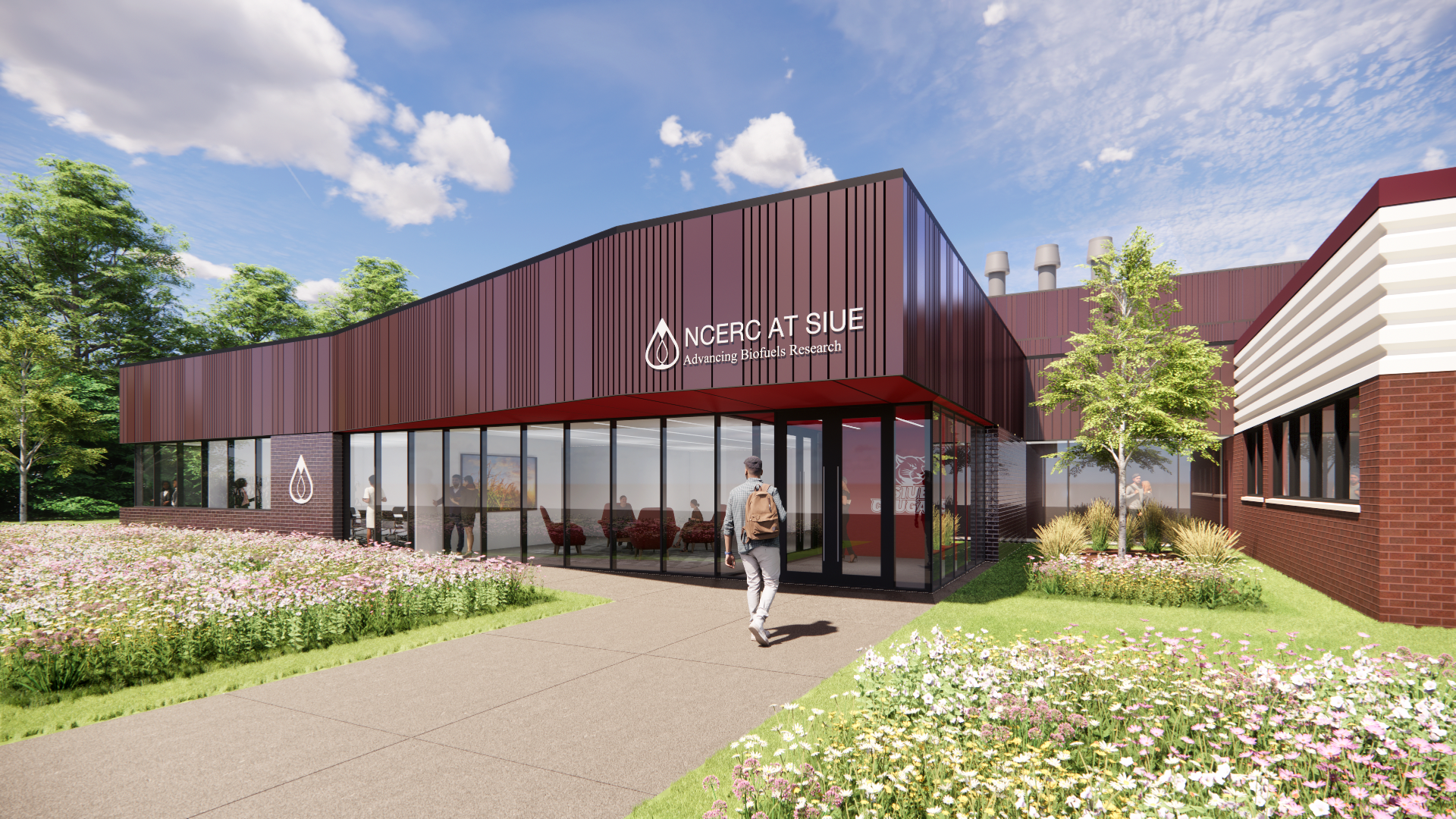
Congresswoman Nikki Budzinski is requesting federal funding for the National Corn-to-Ethanol Research Center through her Community Project Funding requests.
Shane and Taylor
By Tara Desmond May 21, 2026
Solinftec's Solix robot uses AI to target weeds in real time, cutting chemical use up to 90%. Solar-powered, autonomous, and built for Midwest farms.
Photo taken in McLean County Museum of History
By Tara Desmond May 21, 2026
Illinois Ag Across Time - Episode 2: Tracing 200 years of Illinois farm families, innovation, and the land that fed a nation.
Don Meyer
By Tara Desmond May 21, 2026
Illinois Ag Across Time — Tracing 200 years of Illinois farm families, innovation, and the land that fed a nation.
Hammer striking corn kernels on a wooden surface, with kernels scattering in a rustic barn setting
By Lyndi Allen May 21, 2026
Ethanol is a powerhouse for American farms, fuels American vehicles, and has strengthened America’s economy for decades, but remains one of the most misunderstood fuels on the road today.
Cargo containers lined up at a port beside a canal, under a bright sky
By Lyndi Allen May 21, 2026
For decades, America’s inland waterways operated on a system that couldn’t keep up—aging infrastructure, delayed projects, and a funding model that forced farmers and shippers to wait.
Show More