
Importance of U.S. Grains and Bioproducts Council


By Lyndi Allen February 19, 2026

For Illinois farmers, the work of the U.S. Grains and Bioproducts Council (USGBC) is essential to maintaining and expanding global demand for corn and corn co-products. Illinois consistently produces more corn than domestic markets can use, making foreign exports a critical market for farm profitability and agricultural economic stability.


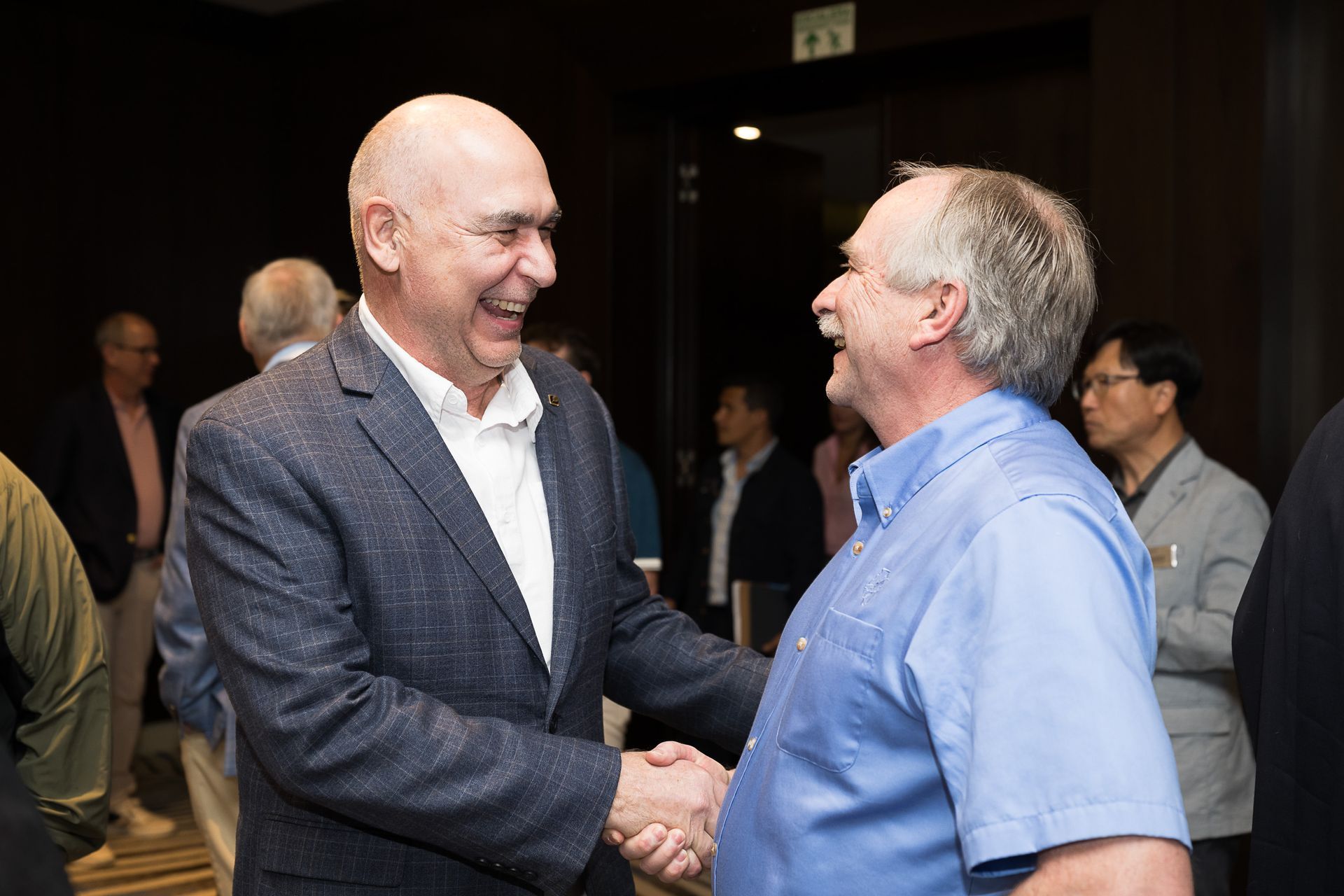
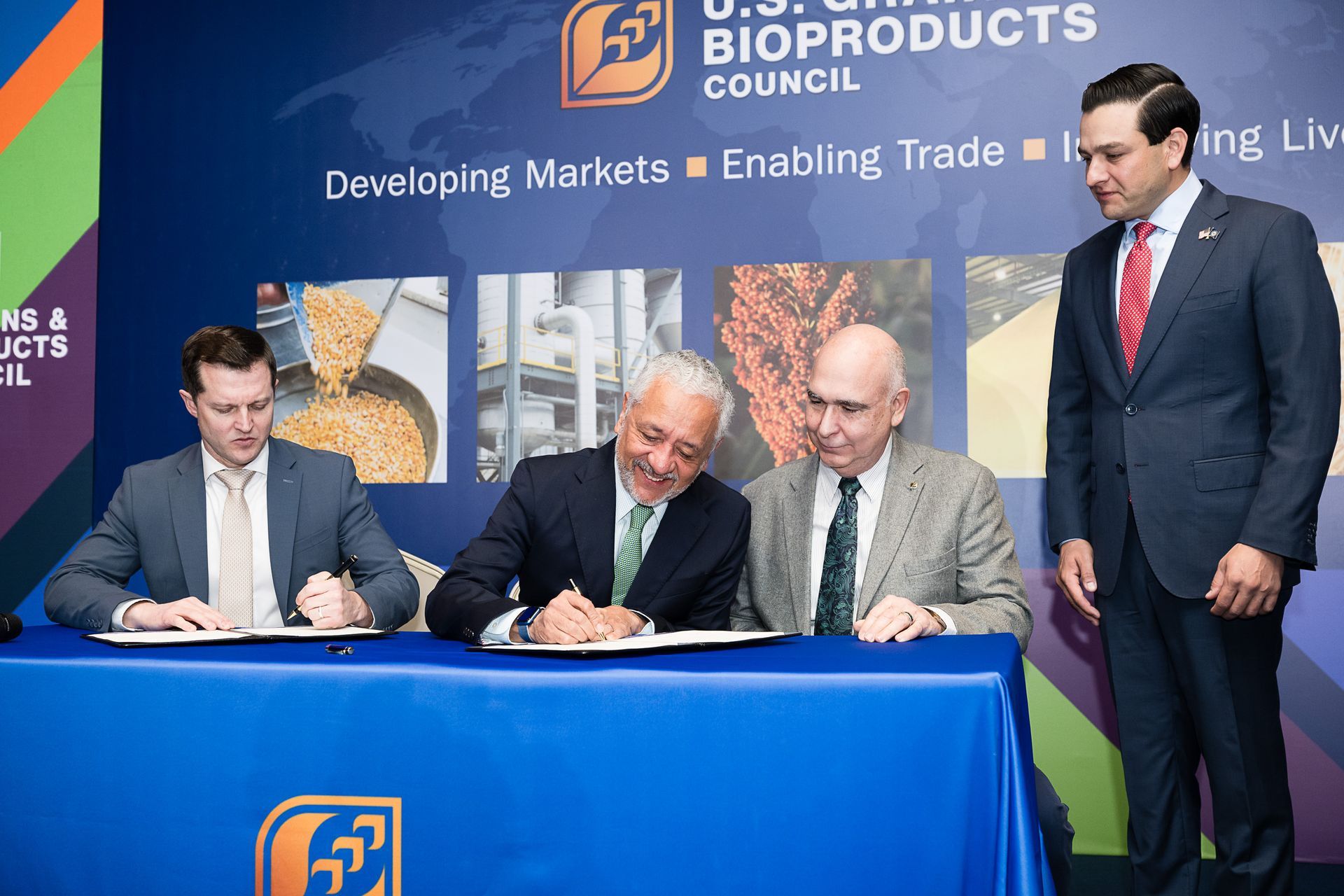
Last week, the USGBC held its international Marketing Conference and Annual Membership Meeting in Panama City, bringing together farmers, industry leaders, and global partners to discuss emerging market opportunities and develop export strategies for the year ahead. The meetings provided updates on key trade regions, including Latin America and Asia, and allowed the Council members to speak directly with international USGBC employees to discuss their regions' marketplace.


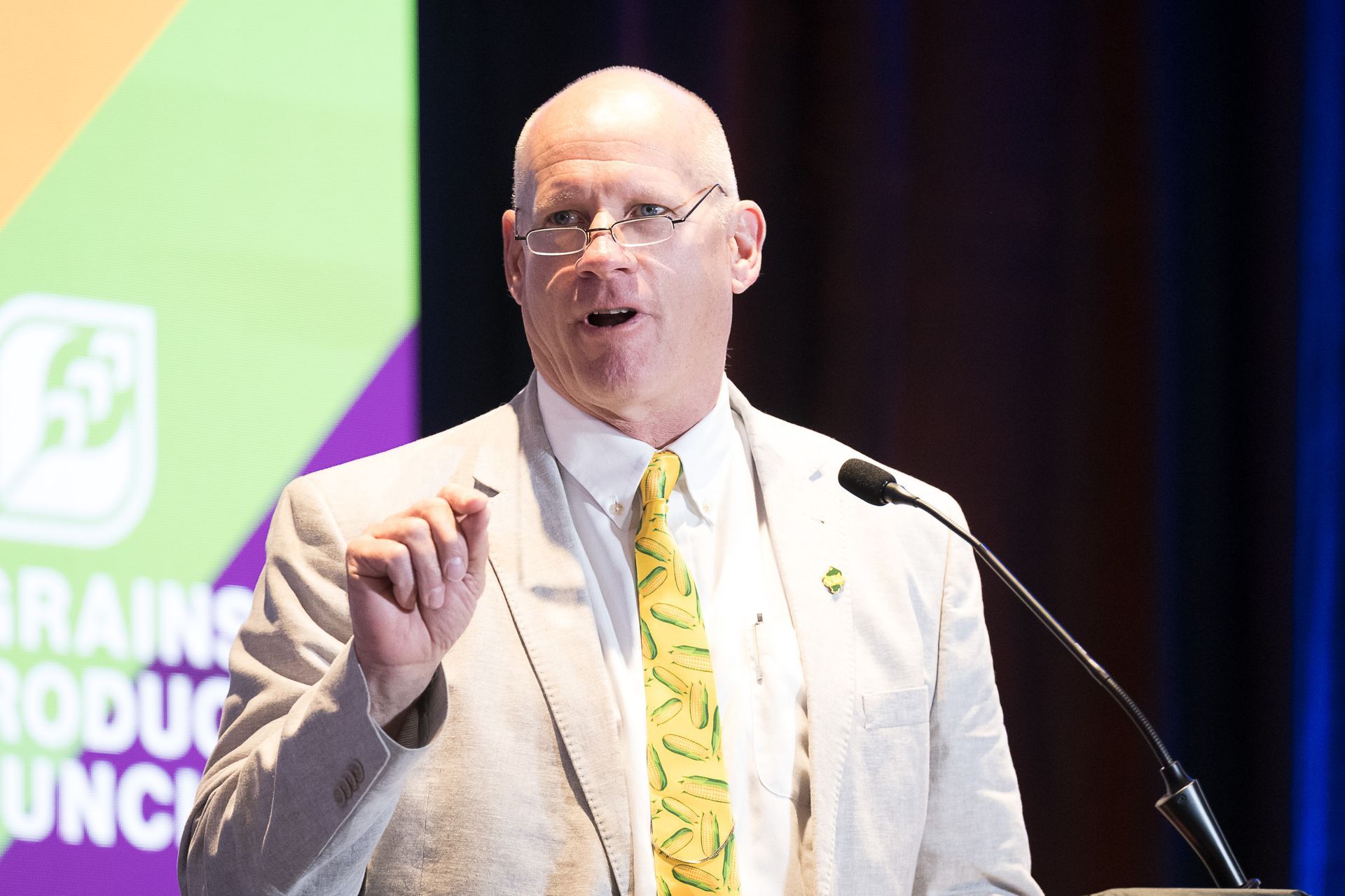
“The U.S. Grains and Bioproducts Council is the promotion arm for U.S. farmers around the world—no one else is going to tell our story or advocate for our products the way we can,” said Mark Wilson, Chairman of USGBC and an Illinois corn farmer from Toulon. “With offices and partnerships across nine countries, we’re meeting directly with governments to show them the value of U.S. grains and bioproducts. We’re providing high-quality feed that helps livestock producers succeed, supporting cleaner air through renewable fuels, and ultimately improving lives. As U.S. farmers, we produce more than we can use at home, so these global relationships are essential—not just for our markets, but for helping families and communities around the world build better futures.”


By developing and strengthening relationships with international buyers, providing support, and advocating for science-based trade policies, the USGBC helps ensure Illinois remains competitive worldwide. Their efforts develop markets for feed grains, ethanol, and other coproducts to create reliable markets for Illinois corn farmers.


The USGBC develops export markets for U.S. barley, corn, and sorghum and related products, including distillers dried grains with soluble (DDGS) and ethanol. The Council has nine international offices, with representation in 30 countries and programming in more than 70 countries worldwide.


The USGBC’s mission is to:

  • Develop markets
  • Enable trade
  • Improve lives


IL Corn is proud to be a partner of the USGBC, as their mission and efforts are improving the lives of Illinois corn farmers through reliable, growing international trade. 


Not a member?

Become one today!

SHARE THIS

Latest Posts

corninillinois
By Tara Desmond July 9, 2026
Top read stories in June
By Tara Desmond July 9, 2026
When Shane Gray sat down with Monica Ognio for this episode of IL Corn TV , they quickly discovered they had more in common than corn and onions. Monica farms with her family in Lima, Peru, where they've grown onions for export for more than 40 years. Their operation also raises sweet potatoes, pecans, pomegranates, strawberries and grapes for pisco on land transformed from desert through reservoirs, wells and drip irrigation. "You can have on one side the whole desert, and then you turn to the other side," she says. A Shared Passion for Teaching and Farming Like Shane, Monica has balanced farming with a career in education, teaching at an international school. Their shared experiences led to a conversation about women in agriculture, global markets and what it takes to produce a high-quality crop. Monica joined the Global Farmer Network after a chance conversation during a farm visit and now connects with farmers worldwide to share ideas on food security, weather challenges and everyday farming solutions. "Having a firsthand connection with somebody... that's a privilege," she says. Farming Challenges Know No Borders With 2026 recognized as the International Year of the Woman Farmer, Monica reflected on becoming a second-generation farmer and encouraged others to build strong teams and rely on trusted experts. "It doesn't matter your age, it doesn't matter the gender," she says. "If you really look at agriculture as an opportunity, there are lots of things that you can do." Many of the challenges she faces mirror those in Illinois, including unpredictable weather, rising input costs, pest pressure and meeting strict export standards where even a small blemish can keep an onion out of the international market. Watch or listen to the full conversation on IL Corn TV to hear more about farming Peru's desert coastline, exporting to a changing global market and the lessons Monica has learned along the way.
Matt
By Tara Desmond July 9, 2026
Meet the Illinois farm families behind our Father's Day photo contest winners
Close-up of an orange corn cob on a dried stalk in a field, with a blurred brown background
By Lyndi Allen July 9, 2026
Illinois is a prosperous agricultural state at the heart of high yields, bustling manufacturing, and a vast transportation system. These qualities have made Illinois a top agricultural state.
drone image don meyer farm tornado amboy il 2023
By Pearl McDade July 8, 2026
Don Meyer's 2023 tornado recovery offers lessons in resilience and optimism after disaster.
ICTV
By Tara Desmond July 2, 2026
E15, E20, E30: What the Research Really Shows
Schultz/Miller Family
By Penny Lauritzen - Illinois Agri-Women July 2, 2026
Illinois Agri-Women names three Legacy Farm Families for GoAg3, honoring generations of women in agriculture at an August 21 celebration.
Matt Boucher
By Tara Desmond July 2, 2026
Meet Matt Boucher of Boucher Family Farms in Dwight, IL — a 4th-gen farmer using cover crops, custom application & more. Read his story.
U.S. Capitol with “FARM BILL” text overlayed on the left
By Lyndi Allen July 2, 2026
Chairman John Boozman of the U.S. Senate Committee on Agriculture, Nutrition, and Forestry released a Farm Bill discussion draft on June 23, 2026.
Cover crops
By Lyndi Allen July 2, 2026
USDA's Regenerative Feedstock Rule provides important certainty for farmers as they begin making crop and input decisions. IL Corn has identified what it could mean for corn farmers.
Show More