


Kenny Hartman, Jr.: A Lifetime of Leadership and a Legacy for Future Farmers

Tara Desmond
December 11, 2025

When you talk about sustained commitment to Illinois corn farmers, few have a résumé as deep as Kenneth Hartman, Jr. Recently completing his term as President of the National Corn Growers Association (NCGA), Kenny joined IL Corn’s Lindsay Croke on IL Corn TV to reflect on decades of leadership — from local roots to national impact.


A Career Built Through Grassroots Involvement

Kenny’s journey began in the 1990s on the IL Corn Marketing Board, ultimately serving as vice chairman and chairman. Later, after a phone call from then-ICGA President Steve Ruh, he returned to serve on the IL Corn Growers Association board.


From there, his leadership expanded: vice president and president of ICGA, committee roles on national action teams, chairing
Commodity Classic planning, and eventually ascending the NCGA officer rotation, culminating in his term as president.


What Has Been Accomplished

Kenny is quick to redirect credit to the organizations and farmers behind every win. But the list of policy achievements during his years of service is long:

  • Creation and protection of the ethanol market
  • Shaping Farm Bill tools like ARC/PLC and modern risk-management programs
  • Strengthening crop insurance to protect farmers in volatile markets
  • Expanding global export opportunities, doubling MAP and FMD funding
  • Leading the U.S.–Mexico biotechnology dispute, helping secure continued access for U.S. corn
  • Influencing tax policy, including the estate tax threshold critical for farm succession

“These are the tools that allow farmers to stay profitable today,” Kenny said. “We would not have the markets we have without IL Corn and National Corn Growers.”

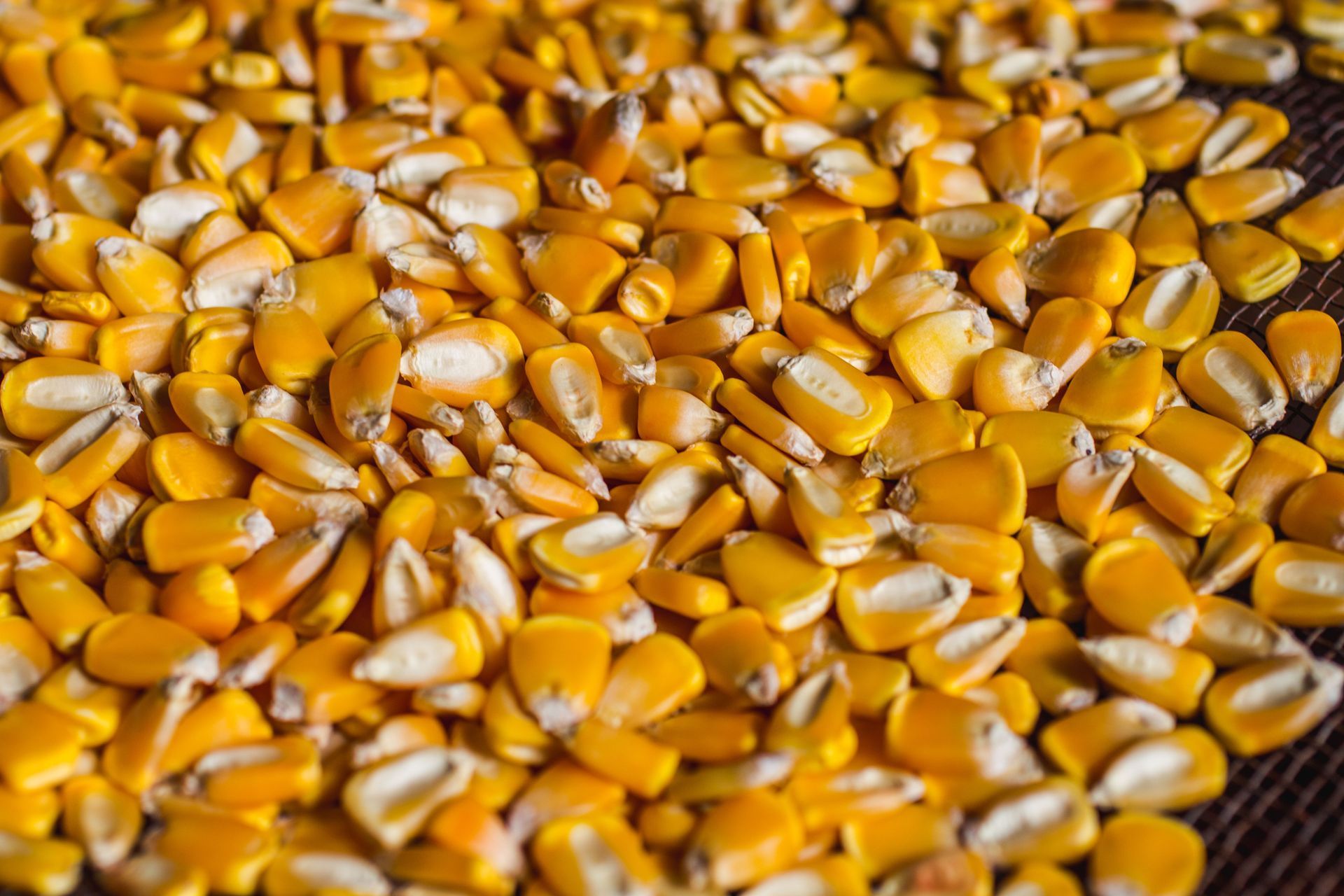
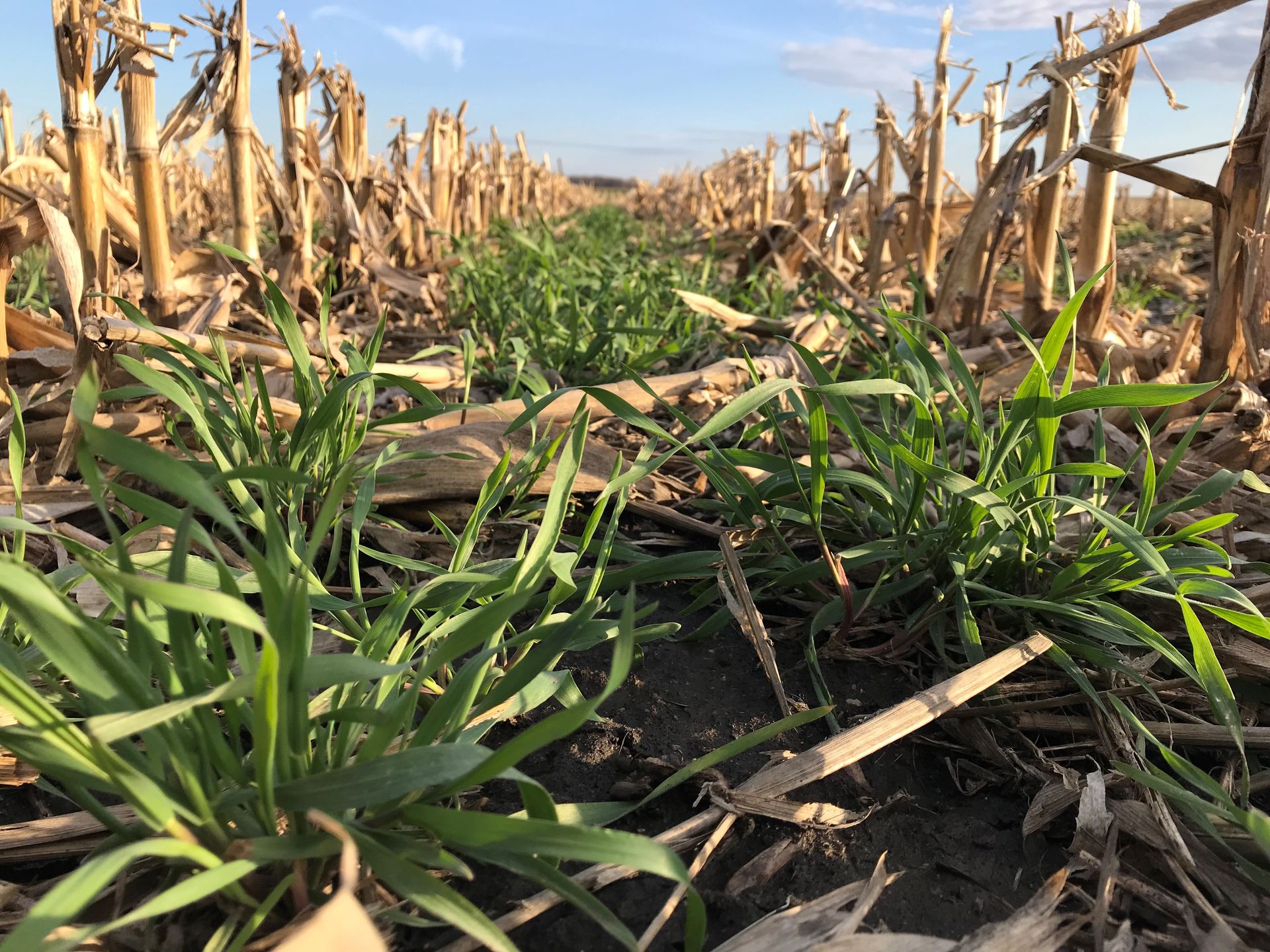
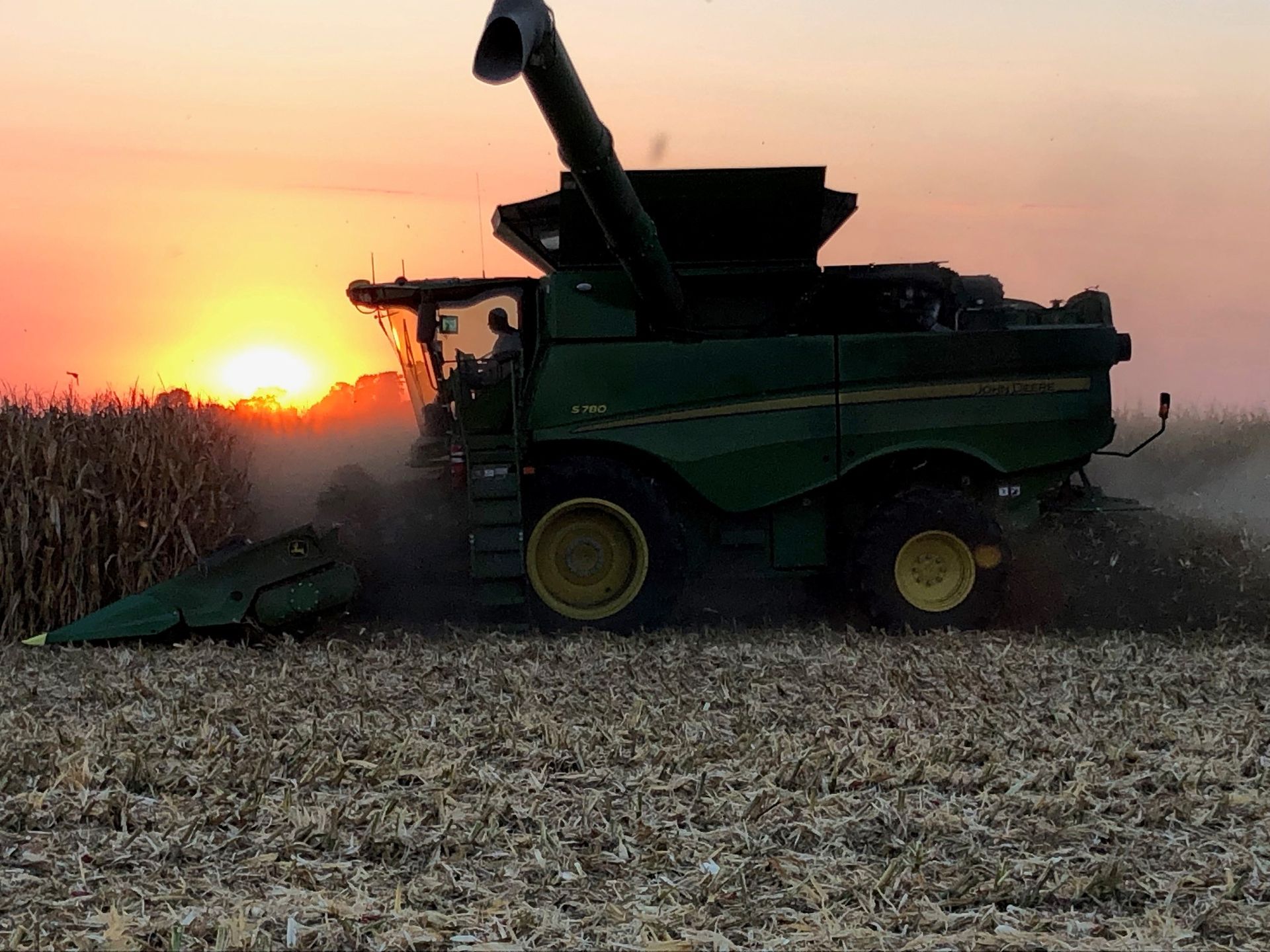
Kenny Hartman collage

Why Kenny Keeps Showing Up

Kenny describes corn growers’ grassroots structure as the reason he has stayed involved for so long.


“You hear people say you can’t make a difference. But we do make a difference,” he shared. “When we come together — state and national — we accomplish things.”


A Message for Young Farmers

Kenny’s advice to the next generation is simple: get involved now.


“What we’re doing today matters even more for the farmers who come after us,” he said.


Whether securing E15, advancing higher blends and sustainable aviation fuel, negotiating market access, or defending tools like atrazine, today’s policy work directly shapes tomorrow’s farming landscape.


A Legacy of Service

Kenny closed by thanking IL Corn and NCGA staff for helping farmers succeed in leadership roles:
“You all make us look good. I hope to stick around — I’ve enjoyed every moment.”


His service is a reminder that strong leaders don’t just represent farmers; they build the future for them.

Lou Lamoreux Farm
By Tara Desmond September 3, 2026
Livestock farmer Lou Lamoreux talks about his farming operation.
captain Cornelius at shake it up cocktail lounge
By Tara Desmond September 3, 2026
4.29M bushels of U.S. corn fueled beverage alcohol production in July 2026 alone — up 54% from July 2025. Corn's in your Labor Day toast!
aerial view of short corn
By Tara Desmond September 3, 2026
Illinois farmer Steve Fourez tests short stature corn against conventional hybrids, exploring yield potential and late-season management benefits.
USDA building
By Lyndi Allen September 3, 2026
This week, U.S. Secretary of Agriculture Brooke L. Rollins announced the U.S. Department of Agriculture (USDA) Data Modernization Plan to put Farmers First, reduce unnecessary burdens on producers, and improve the timeliness, accuracy, and usefulness of the data that informs agricultural decisions. USDA data informs crop and livestock estimates, risk-management tools, disaster assistance, and critical business decisions made by farmers, ranchers, agribusinesses, researchers, and policymakers. In February 2026, Secretary Rollins issued a Request for Information seeking feedback on the opportunities, challenges, and emerging areas in USDA data. That feedback helped shape the USDA Data Modernization Plan and its four pillars: Modernize the Data Reporting Experience: USDA will expand use of administrative data, improve mobile access to surveys, explore opportunities to use prefilled information where appropriate, and strengthen coordination across the Department. These changes will reduce duplicative requests and limit the amount of time producers spend reporting information. Enhance Acreage and Yield Estimation: USDA will conduct a pilot to evaluate the use of improved satellite imagery, geospatial tools, crop models, and other emerging technologies combined with essential producer-reported information to enhance acreage and yield estimations. USDA will also assess the use of optional field inputs to enhance and ground truth yield estimates and continue advancing yield research through collaboration with agricultural partners and land-grant universities. Integrate Data and Technology Platforms: USDA will modernize its technology infrastructure, expand secure data-sharing capabilities, and evaluate the responsible use of tools such as artificial intelligence and machine learning. Better integrated systems will improve efficiency, reduce duplication, and allow USDA to produce more timely and useful information. Expand Trust and Transparency with Producers: USDA will protect producer privacy, clearly explain why information is requested and how it is used, and create additional opportunities for producers to provide feedback. USDA will also improve communication surrounding reports, methodologies, response rates, and data limitations. USDA will begin implementing actions under the plan immediately and will continue engaging farmers, ranchers, and agricultural stakeholders throughout the process. The Department will evaluate new approaches carefully, protect privacy and confidentiality, and publish clear methodologies and supporting information to maintain the integrity of USDA’s agricultural statistics. See USDA’s Full Data Modernization Plan
Cornfield beside a dirt path under a blue sky with wispy clouds
By Lyndi Allen September 2, 2026
EPA has granted 1.76 billion RIN exemptions to small refiners, raising concerns among farmers and biofuel producers about the potential impact on demand for renewable fuel.
Weekly News
By Lyndi Allen August 28, 2026
News from IL Corn for week ending 8/28/26
Show More