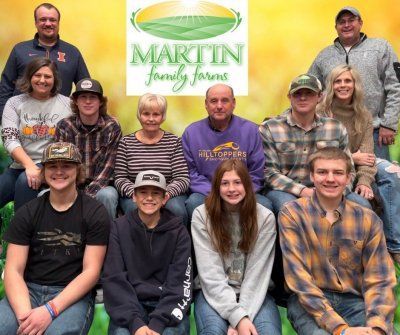
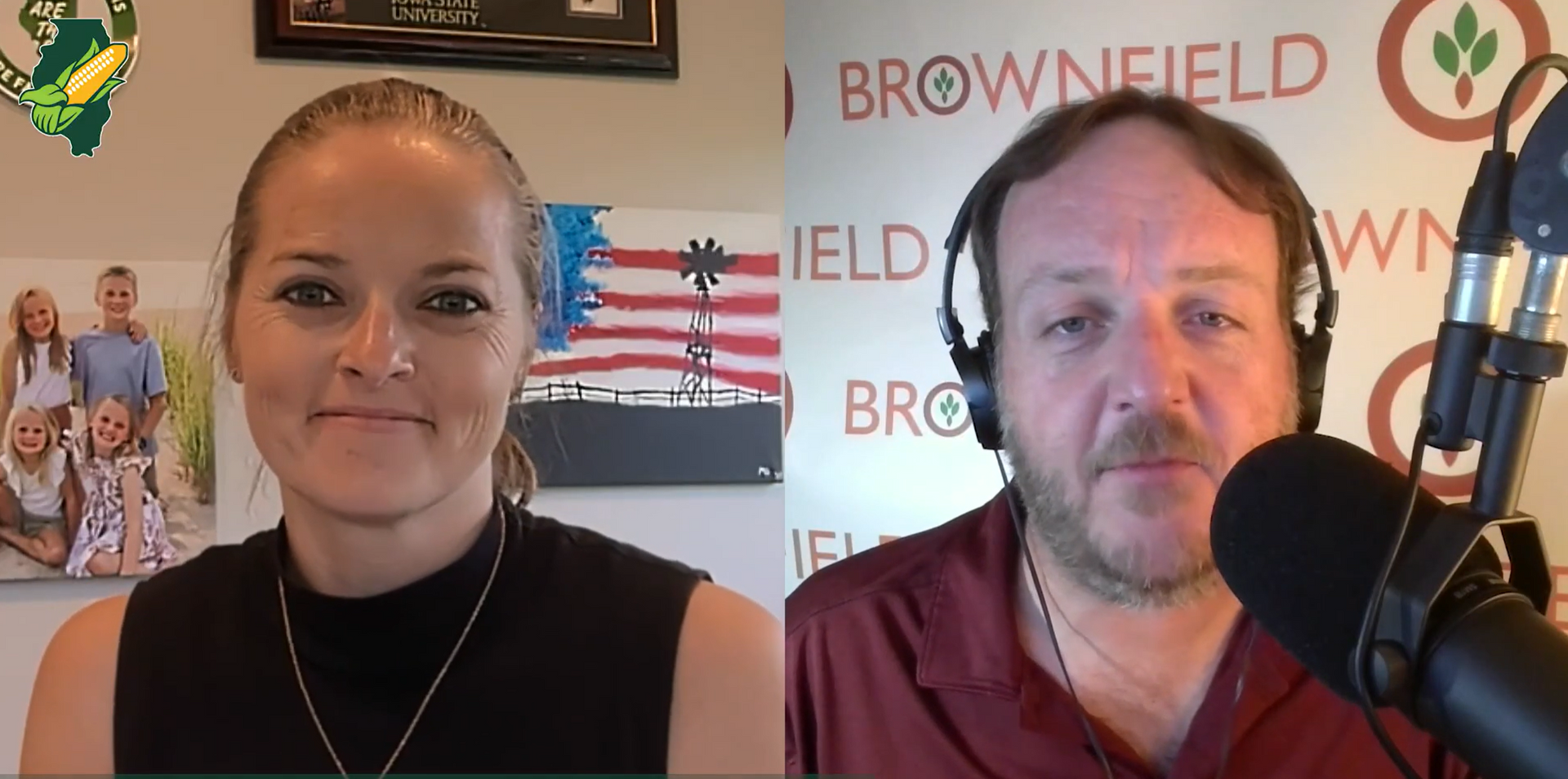
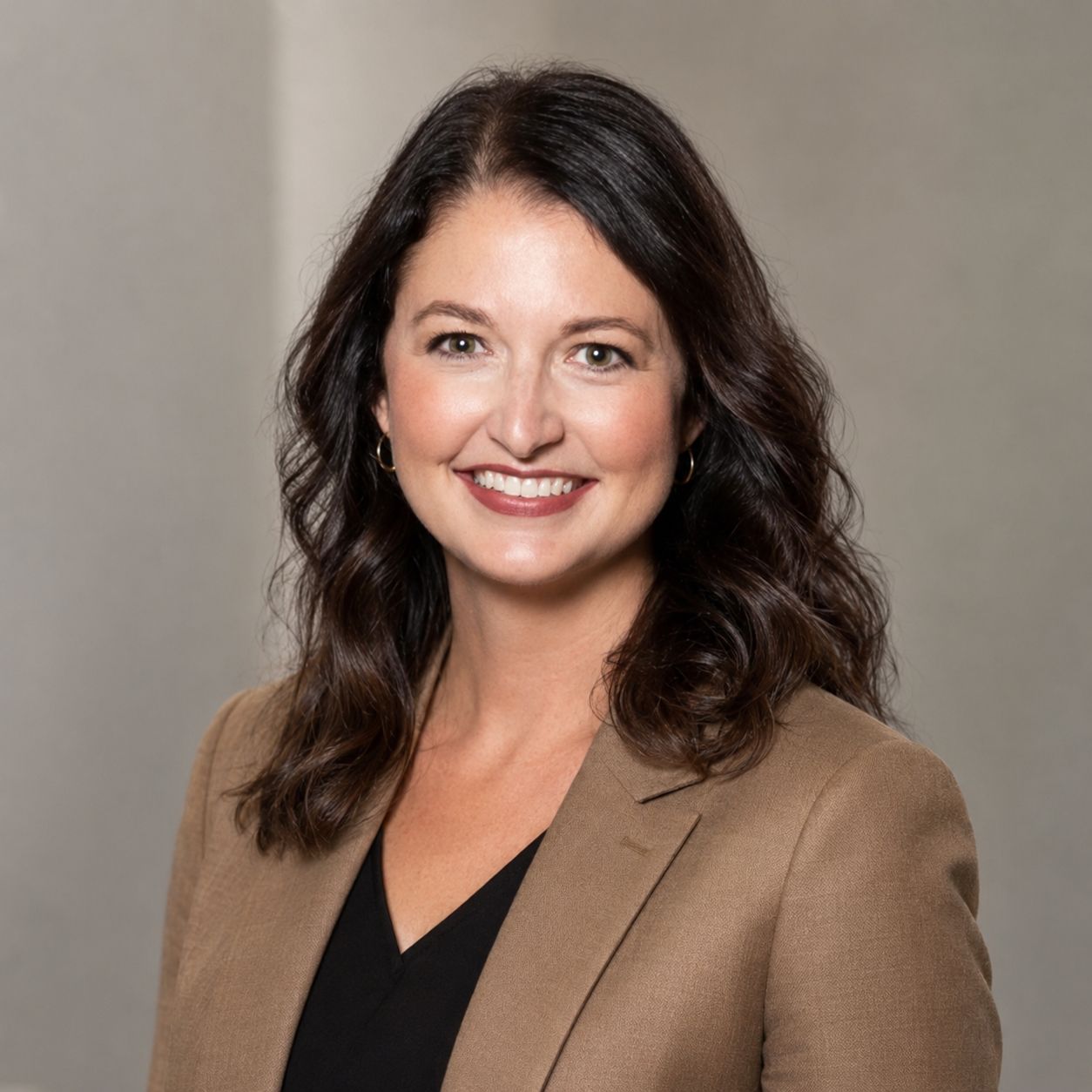
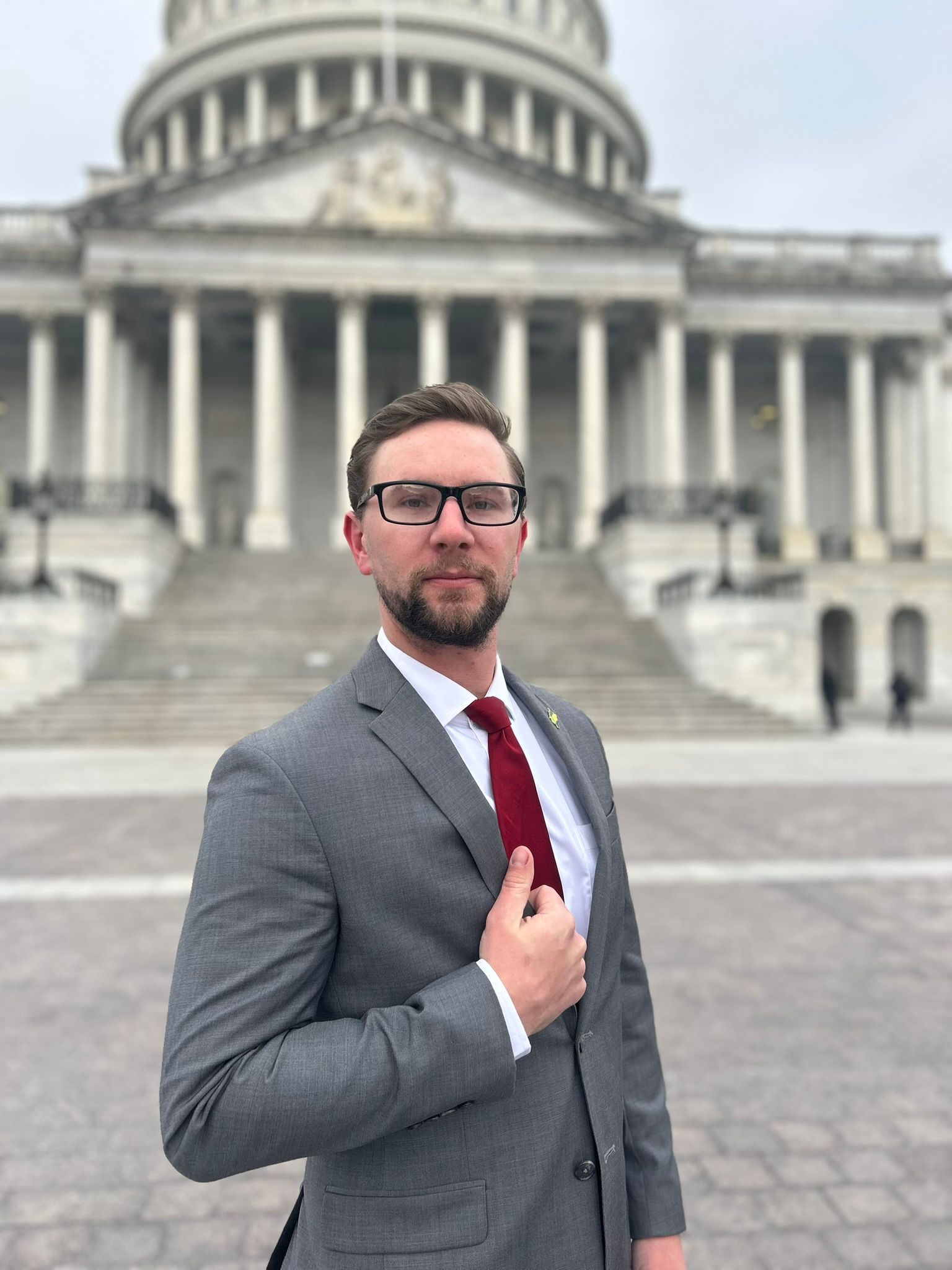
Three finalists have been selected for the 2024 Illinois Leopold Conservation Award®.
The award honors farmers and forestland owners who go above and beyond in their management of soil health, water quality and wildlife habitat on working land.
Named in honor of renowned conservationist Aldo Leopold, this award recognizes landowners who inspire others with their dedication to environmental improvement. In his influential 1949 book, A Sand County Almanac, Leopold called for “a land ethic,” an ethical relationship between people and the land they own and manage.
Sand County Foundation and national sponsor American Farmland Trust present the Leopold Conservation Award to private landowners in 28 states. In Illinois the award is presented with IL Corn and Illinois Soybean Association.
Illinois farmland and forestland owners were encouraged to apply, or be nominated, for the award. An independent panel of Illinois agricultural and conservation leaders reviewed the applications.
The award recipient will be revealed this summer at the Illinois State Fair. The recipient receives $10,000, and their conservation success story will be featured in a video and in other outreach.
Earlier this year, owners of Illinois farmland and forests were encouraged to apply (or be nominated) for the award. Applications were reviewed by an independent panel of agricultural and conservation leaders.
Last year the inaugural recipient of the Illinois Leopold Conservation Award was Frey Family Farms of Dahlgren in Hamilton County.
The Illinois Leopold Conservation Award is made possible through the generous support of American Farmland Trust, IL Corn, Illinois Soybean Association, Sand County Foundation, Coleman Family Fund, Farm Credit Illinois, USDA Natural Resources Conservation Service of Illinois, Association of Illinois Soil & Water Conservation Districts, Compeer Financial, Illinois Department of Agriculture, Illinois Sustainable Ag Partnership, and McDonald’s.
“IL Corn is proud to be part of this important farmer recognition opportunity. We already know that many of our farmer members are implementing some conservation practices, but these applications represent the cream of the crop,” said Jon Rosenstiel, IL Corn Chairman. “These families have a passion for conservation, a willingness to share with and teach others, and a desire to leave their family farm better for the next generation..”
“Conservation and sustainable farming practices are at the forefront of our industry’s future, and we’re excited to recognize those who are leading the charge,” said Ron Kindred, Illinois Soybean Association (ISA) Chairman. “This year’s finalists are exemplary stewards of the land. Their dedication to soil health, water quality, and wildlife habitat sets a powerful example for others, and ISA looks forward to recognizing their achievements and sharing their stories.”
“Leopold Conservation Award recipients are examples of how Aldo Leopold’s land ethic is alive and well today. Their dedication to conservation shows how individuals can improve the health of the land while producing food and fiber,” said Kevin McAleese, Sand County Foundation President and CEO.
“As the national sponsor for Sand County Foundation’s Leopold Conservation Award, American Farmland Trust celebrates the hard work and dedication of farmers, ranchers and forestland owners,” said John Piotti, AFT President and CEO. “At AFT we believe that conservation in agriculture requires a focus on the land, the practices and the people and this award recognizes the integral role of all three.”
For more information on the award, visit www.leopoldconservationaward.org.
LEOPOLD CONSERVATION AWARD recognizes landowner achievement in voluntary conservation. Sand County Foundation presents the award in California, Colorado, Illinois, Iowa, Kansas, Kentucky, Maryland, Minnesota, Mississippi, Montana, Nebraska, New Mexico, New York, North Carolina, North Dakota, Oklahoma, Pennsylvania, South Carolina, South Dakota, Texas, Utah, Wisconsin, and in New England (Connecticut, Maine, Massachusetts, New Hampshire, Rhode Island, and Vermont). www.leopoldconservationaward.org
AMERICAN FARMLAND TRUST is the only national organization that takes a holistic approach to agriculture, focusing on the land itself, the agricultural practices used on that land, and the farmers and ranchers who do the work. AFT launched the conservation agriculture movement and continues to raise public awareness through its No Farms, No Food message. Since its founding in 1980, AFT has helped permanently protect over 6.8 million acres of agricultural lands, advanced environmentally sound farming practices on millions of additional acres, and supported thousands of farm families. www.farmland.org
IL CORN is made up of two farmer-led organizations that serve corn farmers in Illinois: IL Corn Growers Association (ICGA) and IL Corn Marketing Board (ICMB). ICGA represents the interests of Illinois corn farmers in Washington, DC and Springfield, IL, while ICMB is focused on growing demand, creating new markets, and fostering understanding of corn farmers and the corn industry. Through these two organizations, IL Corn seeks to position corn farmers to create and capture profit opportunities, preserve their independence, and prosper for generations. www.ilcorn.org
ILLINOIS SOYBEAN ASSOCIATION (ISA) checkoff and membership programs represent more than 43,000 soybean farmers in Illinois. The checkoff funds market development, soybean production and government relations efforts, while the membership program, Illinois Soybean Growers ((ISG) and the Illinois Soybean Growers PAC actively advocates for positive and impactful legislation for farmers at the local, state and national levels. ISA upholds the interests of Illinois soybean farmers through promotion, advocacy, research and education with the vision of becoming a trusted partner of Illinois soybean farmers to ensure their profitability now and for future generations. For more information, visit the website www.ilsoy.org and www.ilsoygrowers.com.
SAND COUNTY FOUNDATION inspires and empowers a growing number of private landowners to ethically manage natural resources in their care, so future generations have clean and abundant water, healthy soil to support agriculture and forestry, plentiful habitat for wildlife and opportunities for outdoor recreation. www.sandcountyfoundation.org