


A Close-Up Look at Marquis’ Growing Impact


By Pearl McDade • August 13, 2026

In one of her final weeks as an IL Corn intern, Pearl McDade got a firsthand look at the impact Marquis has on Illinois corn farmers and global energy infrastructure. 

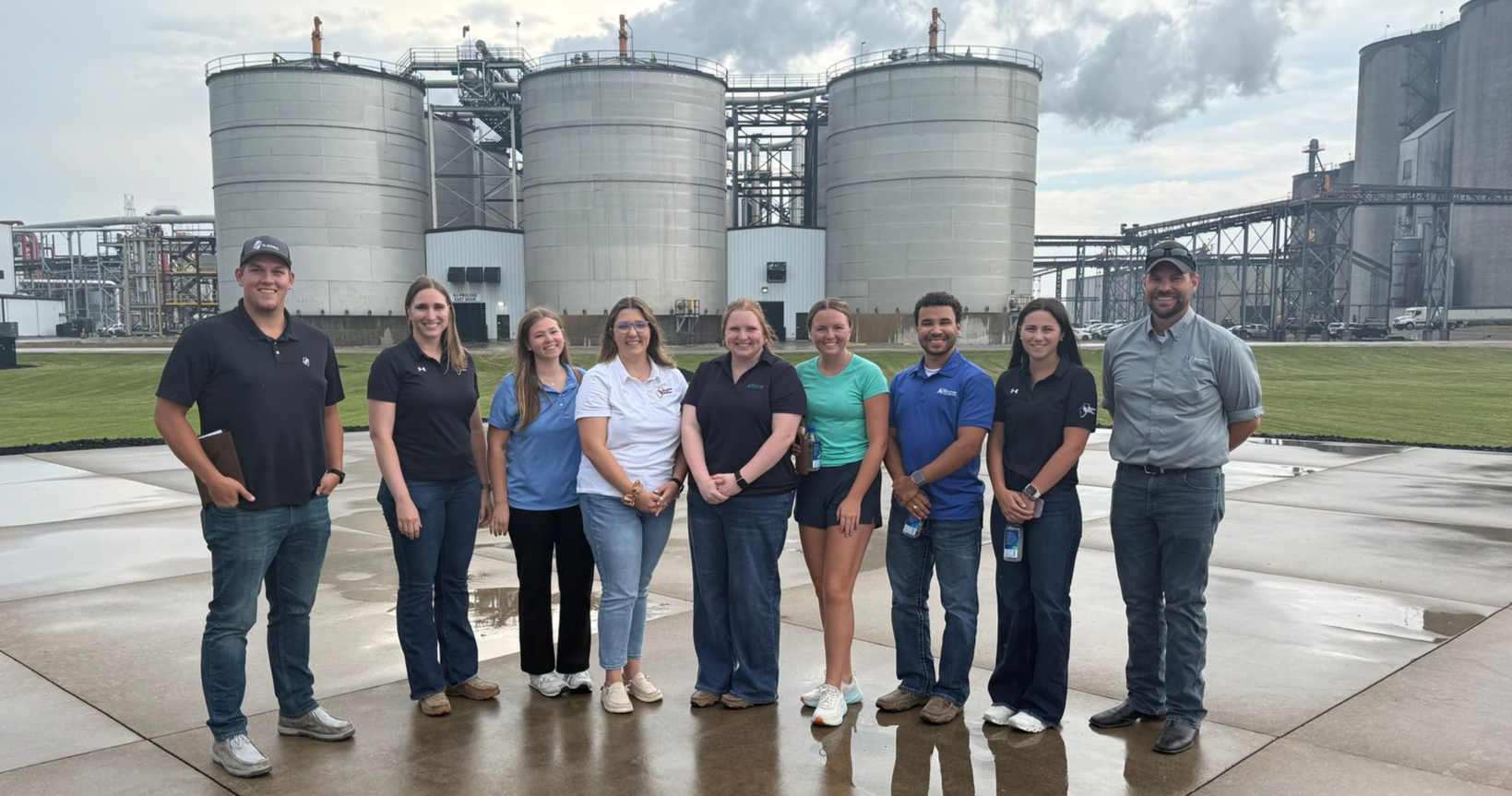
IL Corn, Illinois Farm Bureau, and Illinois Ag in the Classroom staff and interns at Marquis Energy Hennepin, Illinois

Roughly 1/3rd of Illinois corn is used for ethanol production, with 14 ethanol plants located right here in the state. Marquis, located in Hennepin, Illinois, is the largest – grinding 360,000 bushels of corn each day. 


Marquis began in 2005 and quickly grew to be the largest dry-grind ethanol facility in the world. Today, they're producing roughly 400 million gallons of ethanol fuel per year. They estimate that their placement in northern Illinois brings roughly $20-40 thousand dollars of income to the average farmer in the region. 


Marquis also produces close to a million tons of animal feed, including Dried Distillers Grains with Solubles (DDGS) and a unique high-protein blend called Marquis ProCap Gold. 


Beyond the groundbreaking size of their operation, Marquis is exploring a number of cutting-edge technologies to improve and expand their production, including carbon capture and sustainable aviation fuel (SAF). 


McDade got a closer look at their brand-new carbon capture infrastructure, which they hope will be cleared for operation later this year. This development puts them on track to be the first carbon-neutral industrial complex in the world. 


"After spending the summer learning more about ethanol infrastructure, it was inspiring to see a facility that's committed to advancing fuel solutions that work for our farmers, economy, and environment," McDade said. 


Not only will this development offset the emissions of 2.5 billion miles driven annually, it also opens up new markets for Marquis and, by extension, Illinois corn farmers. By providing some of the lowest carbon intensity (CI) scored ethanol on the market, Marquis will position themselves to sell in low carbon fuel markets in California, Canada, and overseas in the European Union and Japan.

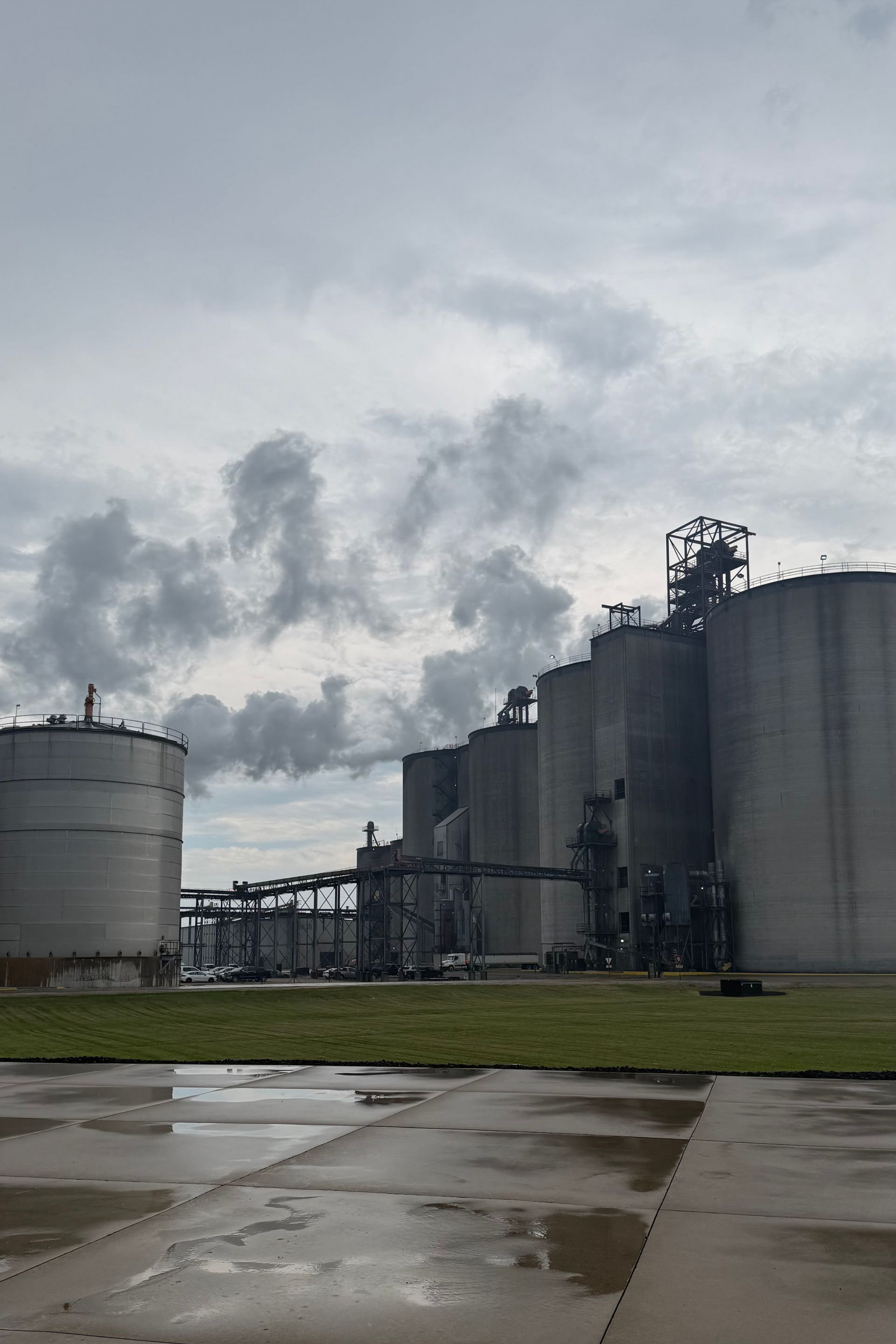
View of Marquis Energy Hennepin Illinois ethanol plant


None of these developments would be possible without the strong foundation Marquis rests on. Sitting on the Illinois River, a Class I railroad, and several major interstates, Marquis accesses markets near and far. 


"Seeing how the company is positioned to take advantage of Illinois' river, rail, and roadways gave me a unique insight into the industries and people that make Marquis's mission possible. From an on-site gas station and auto shop to their industrial bottling facility, it was fascinating to see how Marquis combines industries across Illinois to boost the local economy and Illinois agriculture as a whole," McDade said. 

Illinois river marquis energy shipping view from tour  bus Hennepin, Illinois


Marquis' operations support over 180,000 jobs, a majority of which are in rural communities. They also contribute to local agricultural initiatives, including donations to four local FFA Chapters and grain safety training programs alongside local fire departments. 


"I learned so much from seeing Marquis' operations up close. Their innovation and passion for every level of their operation was so evident. It reinforced my appreciation for the incredible agricultural innovation happening across Illinois and the leaders driving it forward," McDade said.


Not a member?

Become one today!

SHARE THIS

Latest Posts

Illinois officials at NCERC news conference
By Lindsay Croke • October 9, 2026
A $15 million investment in NCERC at SIUE will expand the facility and provide opportunities for new bioproducts using corn to scale to commercialization.
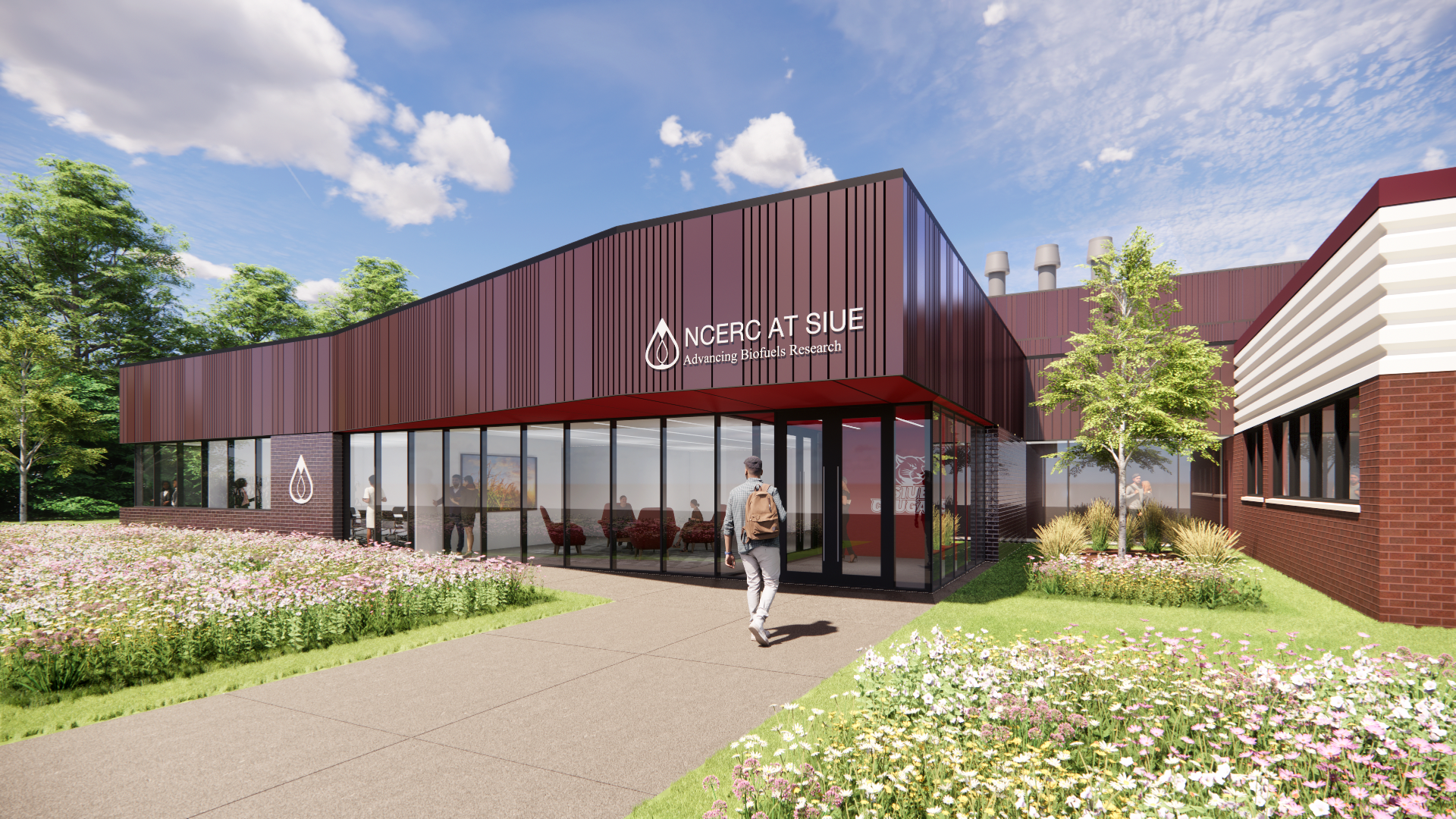
National Corn to Ethanol Research Center proposed expansion
By Lindsay Croke • October 9, 2026
Fully funding an expansion of NCERC at SIUE will allow the testing and trials required for new corn products to scale in Illinois.

U.S. Meat being showcased in Tokyo
By John Klemm & Tara Desmond • October 8, 2026
DeWitt County farmer John Klemm shares how exporting beef helps corn and an early look at a slow, wet start to his 2026 harvest.
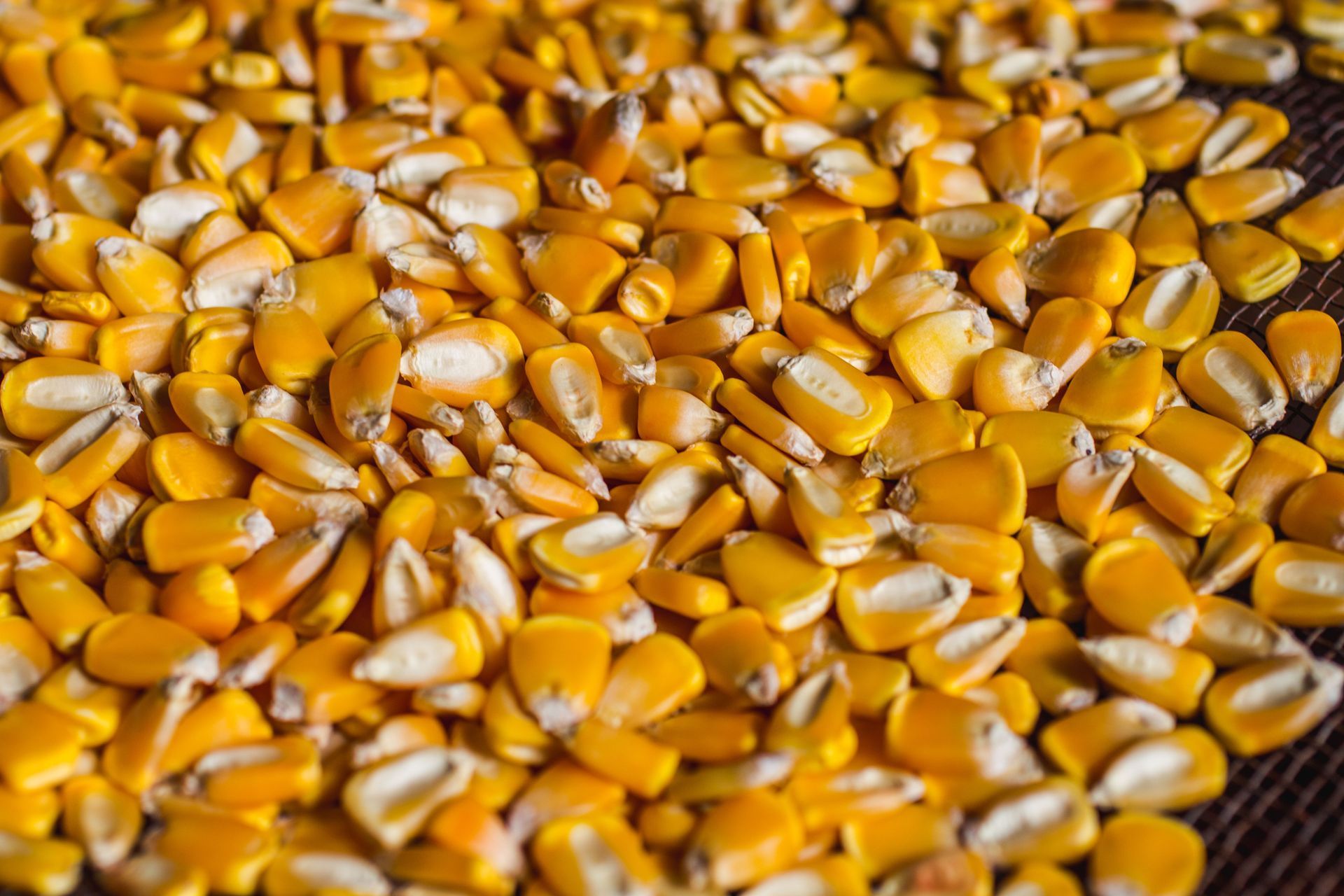
Corn kernels
By Lindsay Croke • October 8, 2026
Illinois corn farmers are grateful for Governor Pritzker’s effort to lower diesel prices for farmers this fall.
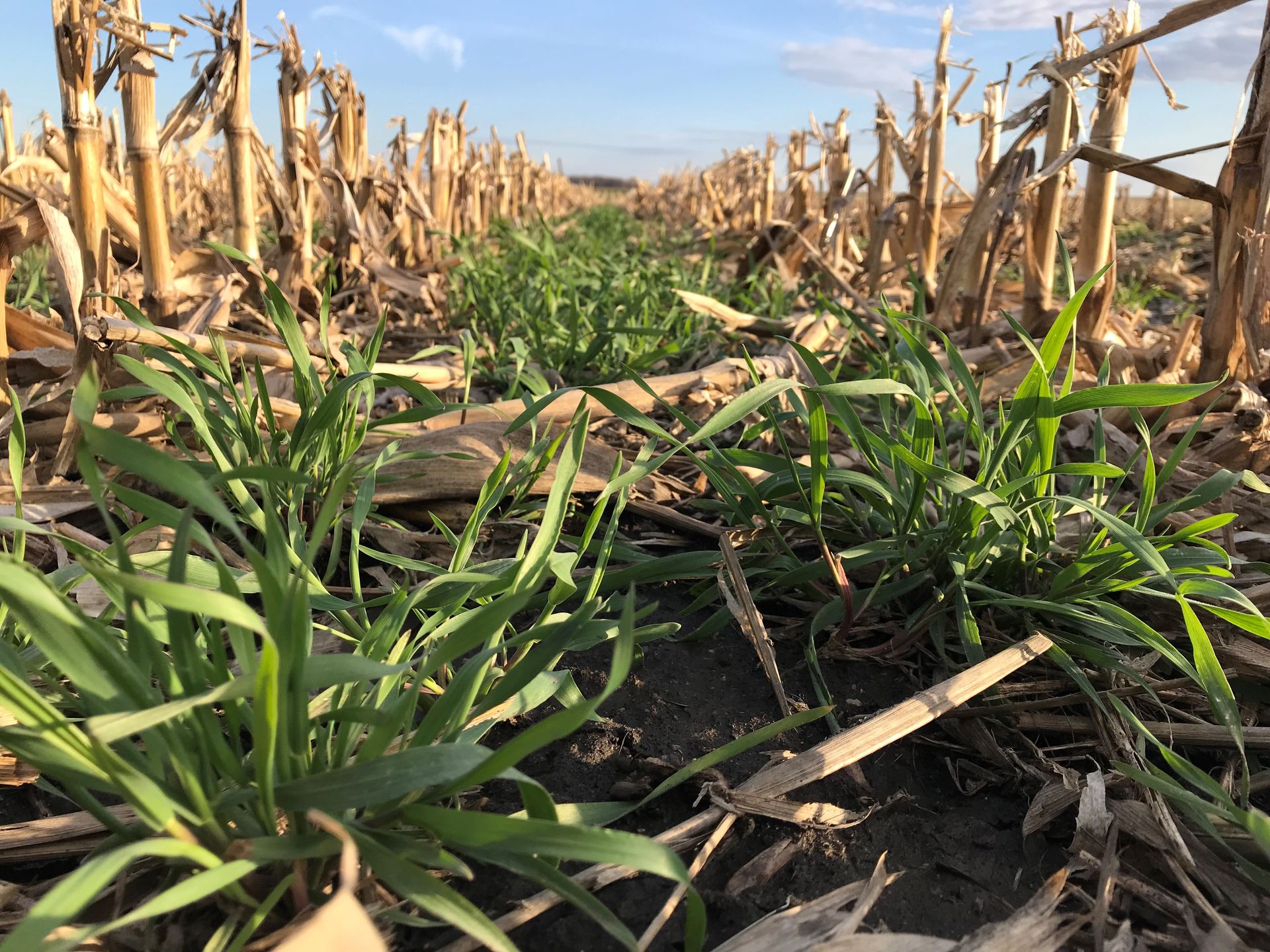
cover crops in the field
By Summary from PCM / Farmdoc Webinar • October 8, 2026
Precision Conservation data shows growing cover crops costs Illinois corn farmers $27.30 an acre to deliver carbon benefits. See how conservation payments compare.
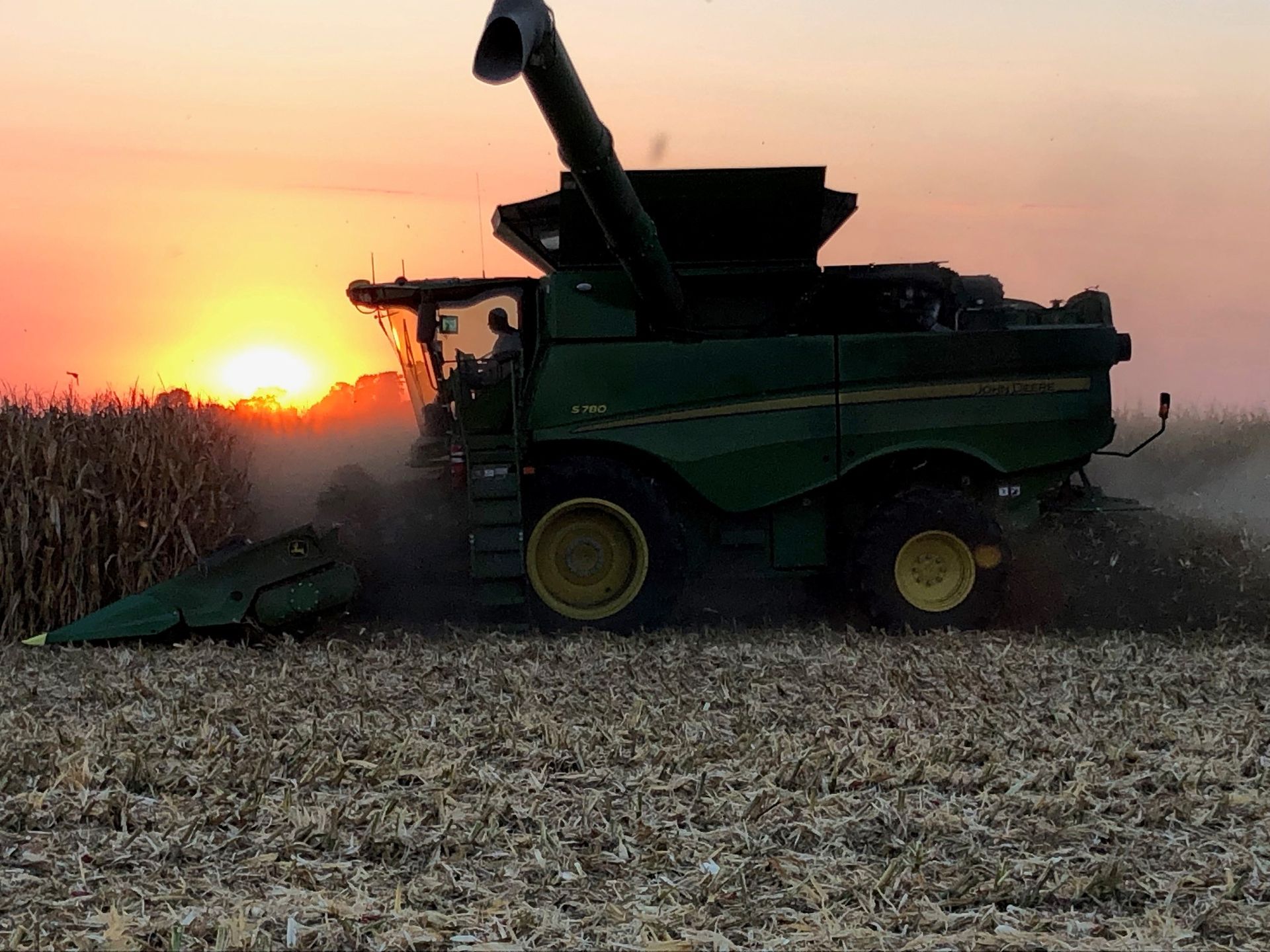
Green combine harvester in a field at sunset, with the sun low on the horizon.
By Lyndi Allen • October 8, 2026
Recent federal and state actions provide potential relief for Illinois farmers facing high costs during harvest, including diesel fuel and grain storage.
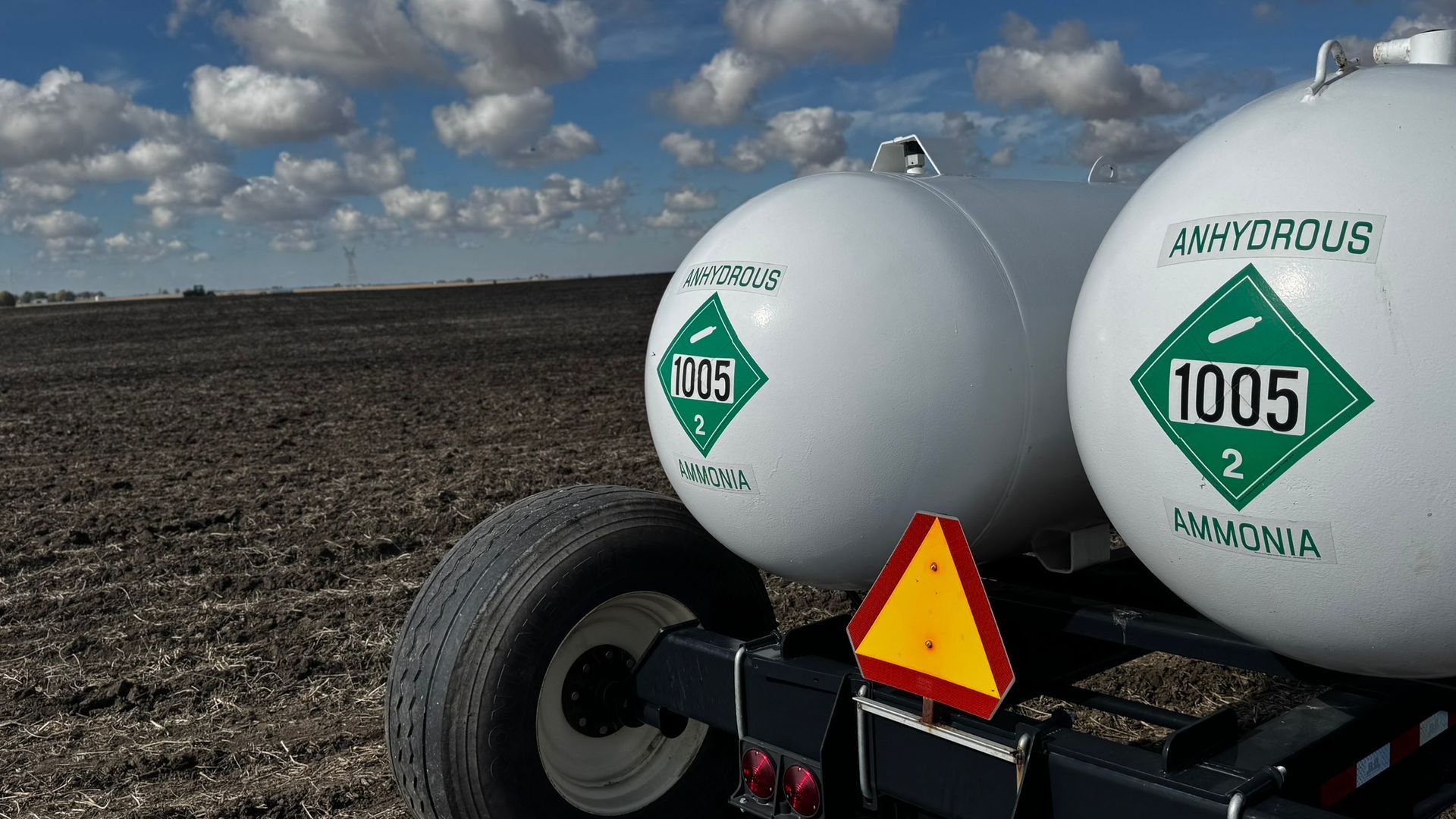
anhydrous tanks
By Tara Desmond • October 8, 2026
Wait for 50°F soil, watch the forecast, and give your N a chaperone. Seven fall nitrogen tips to keep your money in the field, not the creek.

Michelle and Shane
By Tara Desmond • October 5, 2026
Farm Babe shares how she got Burger King to drop an anti-cattle ad and why farmers' voices matter.

Shane, Gregg and Danna
By Tara Desmond • October 5, 2026
Carle Health nurses explain the free Vial of Life, a fridge-stored medical info kit that helps first responders act fast in a farm or home emergency.
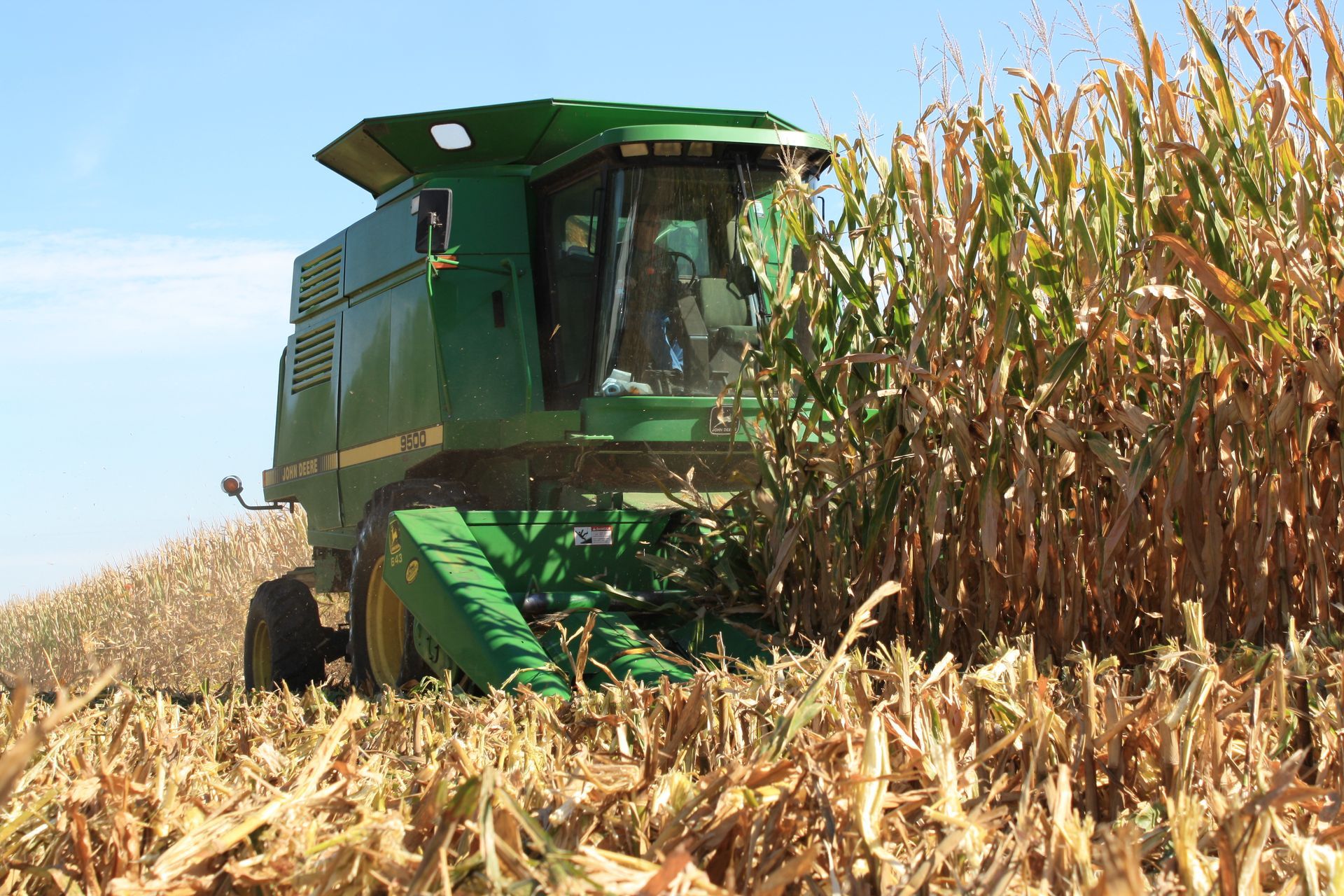
Green combine harvester cutting corn in a dry field under a clear blue sky
By Lyndi Allen • October 1, 2026
As Illinois farmers enter the harvest season, ICGA is asking state and federal policymakers to find ways to lower the cost of diesel fuel for farmers.
Show More