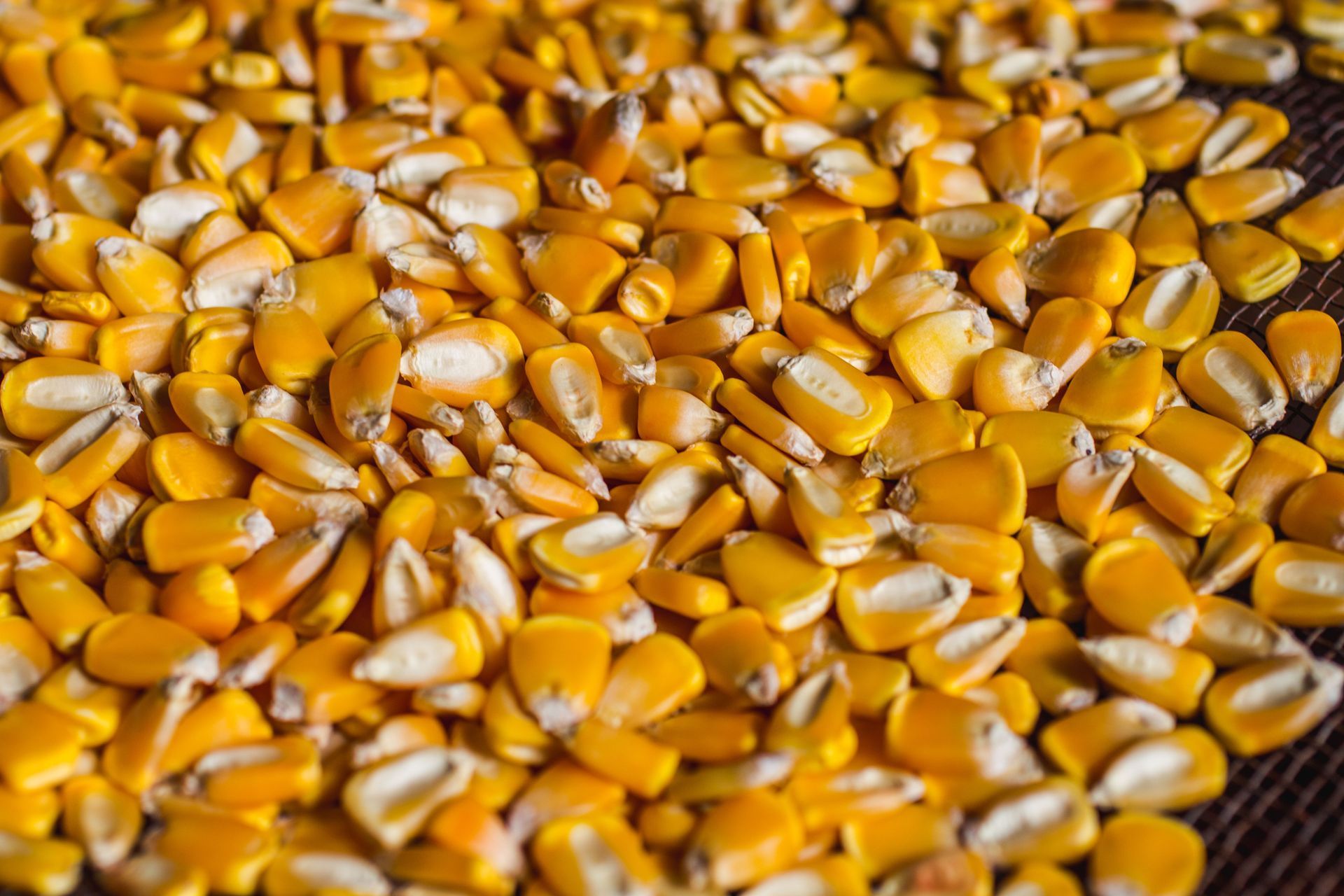
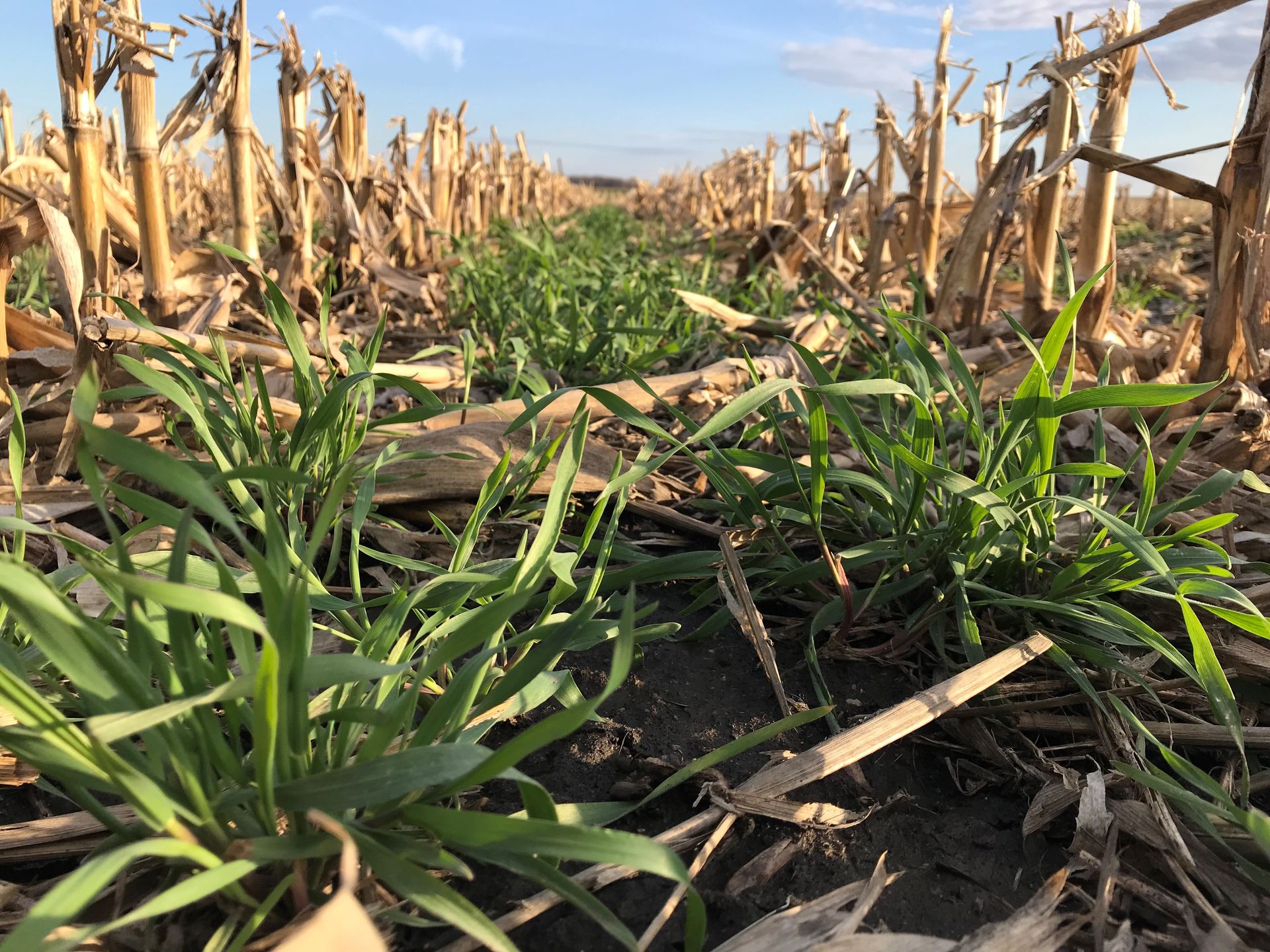
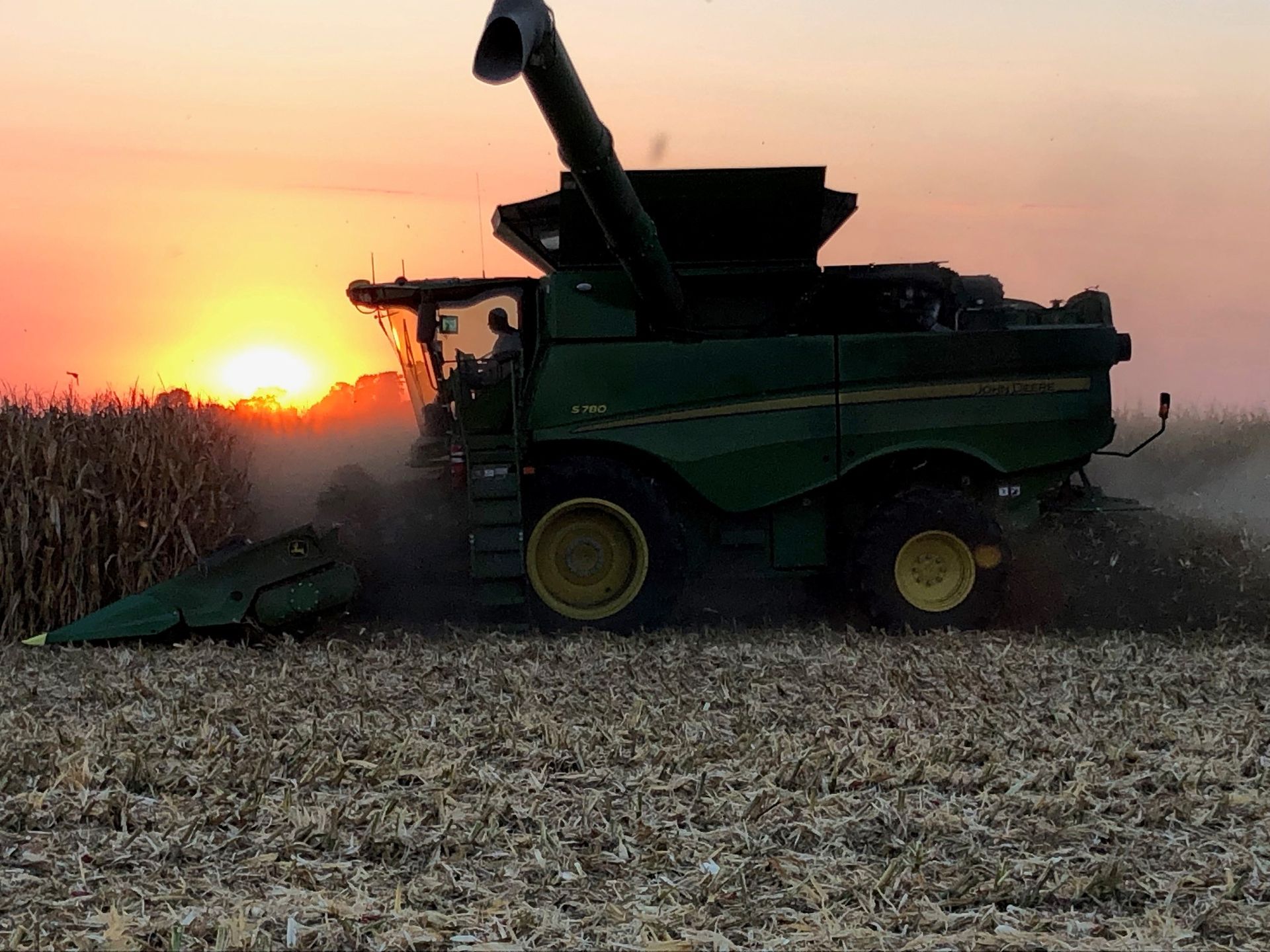
The search is on for AgTech, Chemical, or Material Start-ups and Growth Companies worldwide whose innovative technologies and business models create new uses for corn and long-term sustainable demand for corn production.
San Diego, February 29th, 2024 –Radicle Growth, a company-building platform investing in early-stage agriculture and food technologies, is delighted to announce, "The Radicle Corn Value Chain Challenge sponsored by US Corn Farmers." The Challenge sets out to invest a minimum of US $1.5M in start-up and growth companies from around the world whose innovative technologies and business models create new uses for corn and long-term sustainable demand for corn production. These companies are expected to be developing new uses of corn that result in replacements for fossil fuel-derived materials with plant-derived materials such as sustainable aviation fuels (SAF), drop-in chemicals and plastics, compostable materials, and as yet unidentified products and product categories that could be new areas for corn-derived products to be used.
"Illinois farm family profitability is a concern that is top of mind for IL Corn. Through the Radicle Corn Value Chain Challenge, we have the opportunity to explore new uses for our corn and develop the market demand that will ensure long-term profitability for all U.S. corn farmers and will contribute to the economic growth of our country,” said Jon Rosenstiel, IL Corn Marketing Board Chairman and farmer from Pearl City.
Corn is grown on nearly 100 million acres in the United States. Approximately 48% of corn production is used for animal feed, 30% is used for biofuels, and 22% is for exports and other uses. Corn production is typically responsible for more than $80B of annual value in the United States. Corn farmers across the Midwest produce the bulk of that corn, assuring the vitality of rural communities and driving this economy, and agricultural and downstream market trends are impacting that growth engine. In addition to new demand from new uses, more sustainable corn production systems overall will enhance the demand for any new bio-product in a highly competitive marketplace. With the continuing revolution in AI, biotechnology, and new business models throughout the corn value chain, we anticipate identifying companies able to modify the corn crop, biological and thermochemical processing of the corn crop, high-value health applications, sustainable fuels, and sustainable bioproducts.
“Driving new demand for U.S. corn is a top priority for NCGA and its state partners,” said Harold Wolle, National Corn Growers Association president. “We’re proud to partner with supporting states on this innovative challenge as another way NCGA is working to find new uses for corn and provide sustainable product solutions for consumers.”
Kirk Haney, Managing Partner of Radicle Growth, said: "Feeding and providing plant-based materials for our growing population is paramount. We recognize that to transform our agriculture system and advance solutions in the food and industrial value chains sustainably, we need to find new technologies working to create new uses for corn. We are excited about the opportunity to benefit US corn farmers by finding and funding the best entrepreneurs worldwide who solve these issues."
A minimum of US $1.5 million investment will be made in The Radicle Corn Value Chain Challenge to one or more winners to accelerate their growth. Apply now.
Investment decisions will be made during a "Pitch Day" in the Fall of 2024. A judging panel of industry experts will hear from 4 finalists who will be chosen from the global applicant pool. In addition to the funding, the winners will also get access to advice from both corn industry experts and Radicle senior executives to help accelerate their company's business and technical efforts.
About the IL Corn Marketing Board
The IL Corn Marketing Board was established in 1982 to manage the voluntary checkoff investment that corn farmers in the state agreed to implement that year. The farmers that serve on the board are elected by their peers to serve unpaid three-year terms. These ICMB farmer leaders strategically invest Illinois corn checkoff dollars to grow demand, create new markets, and foster understanding of corn farmers and the corn industry, which is Illinois’ highest valued agricultural commodity. Find out more about ICMB at www.ilcorn.org and the family farmers who contribute to the checkoff at www.watchusgrow.org.
Media Contact:
Lindsay Croke
lcroke@ilcorn.org
About NCGA:
Founded in 1957, the National Corn Growers Association represents nearly 40,000 dues-paying corn farmers nationwide and the interests of more than 300,000 growers who contribute through corn checkoff programs in their states. NCGA and its 50 affiliated state organizations work together to create and increase opportunities for corn growers.
Media Contact:
Bryan Goodman
goodman@ncga.com
About Radicle Growth:
Radicle Growth selects innovative, early-stage companies for investment, ensuring that disruptive AgTech & Food Tech companies reach their full potential. In addition to providing seed-stage capital, Radicle Growth provides a fertile environment for visionaries in the ag and food space to flourish. Their proprietary platform is one of a kind in the ag and food industry, filling a huge void in the market by identifying the most innovative technologies and accelerating them with a range of value-creation initiatives. To connect and learn more about Radicle Growth follow us on LinkedIn, Twitter and Instagram.
To stay informed on Radicle Challenges, visit: https://radicle.vc/the-radicle-challenge/.
Media & Investor Relations Contact:
Damaris Mozo
dmozo@radicle.vc