What Are the Alma Mater Plots? A New Long-Term Research Site Worth Watching


By Tara Desmond August 20, 2026

A couple miles south of the University of Illinois Urbana-Champaign (UIUC) quad, researchers are building what will be the next Morrow Plots and they want Illinois farmers and other agriculture stakeholders to help decide what gets studied there.


The Basics

The Alma Mater Plots is a large-scale field experiment compromised of sixty-four 1.2-acre research plots on the UIUC South Farms, each with its own individually monitored drainage tile. That setup makes it the largest experiment of its kind anywhere. For comparison, the entire Morrow Plots (the famous 150-year-old research site on campus) would fit inside just one of these 64 subplots.


The site is led by Dr. Andrew Margenot, who also directs the Morrow Plots, along with other crop sciences faculty.

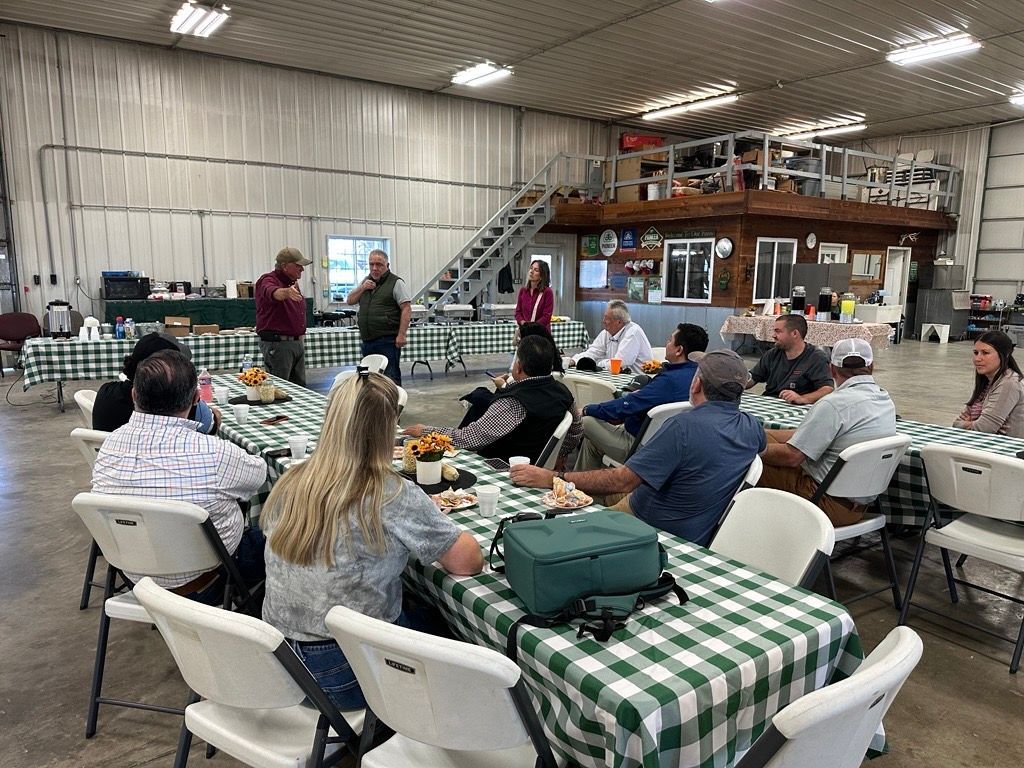
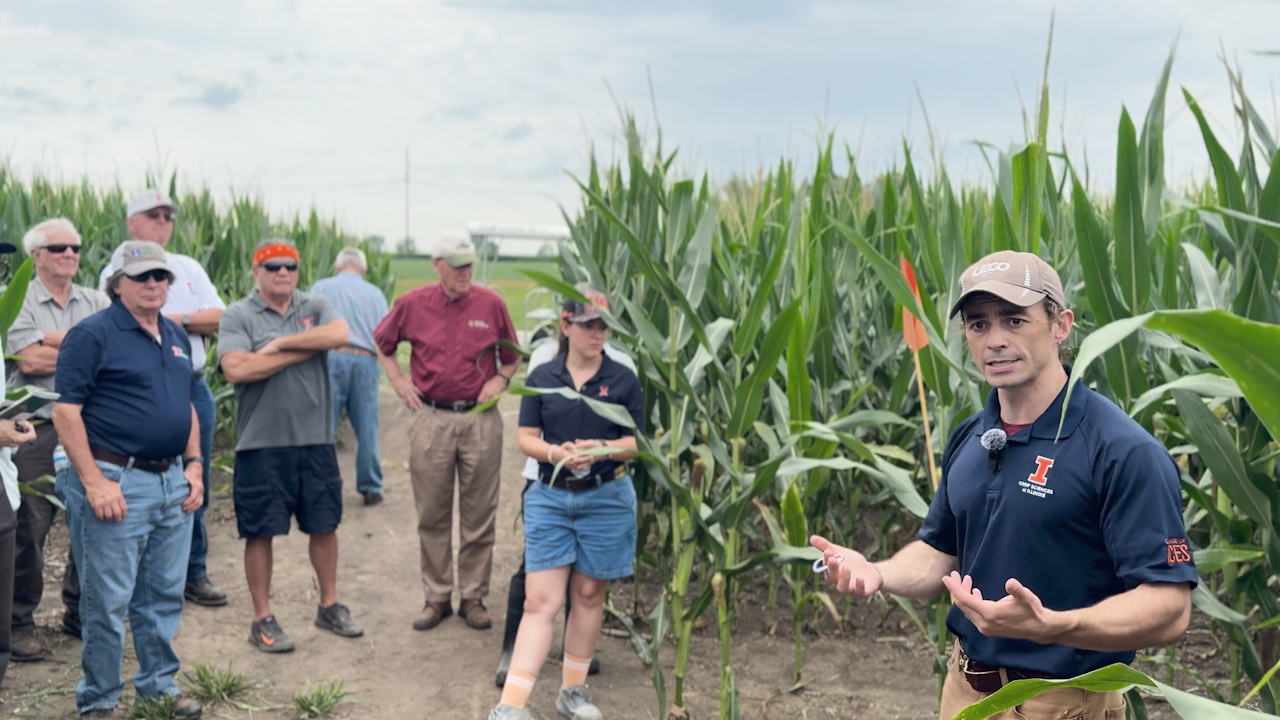
Dr. Andrew Margenot talking to farmers and crop experts outside of Alma Mater Plots

Why It Exists

The Morrow Plots, established in 1876, are the world's second-oldest continuous crop research site (behind one in England established in 1843 for continuous wheat), and the world’s oldest crop rotation experiment (and corn for that matter). They've already answered the big questions of their era that proves synthetic fertilizer and improved genetics could push corn yields well past the 25-35 bu/acre farmers got with no inputs back in the 1800s through the 1920s.


But researchers say the Morrow Plots have done what they set out to do. The Alma Mater Plots are meant to pick up where they left off, tackling questions relevant to today's farming: water quality, carbon intensity (CI), nitrogen use efficiency, soil health, and – above all – profitability.


The Tile Drainage Angle

This is the part that sets the site apart. Every third tile line is individually monitored, with buffer tiles on either side to isolate what each treatment is doing to the monitored tile. This lets researchers understand management impacts on tile flow and nutrient discharge, providing insights to water and nutrient loss outcomes in real time.


What's Growing There Now

For the first three years (through 2026), the plots are running a Foundation for Food and Agriculture Research (FFAR) study testing a newly agreed-upon national protocol for evaluating enhanced-efficiency fertilizer products (Lyons et al., 2025). This yield and nitrogen use efficiency data is intended to help farmers sort real label claims from marketing. Additionally, the results of how nitrogen rates correspond to tile nitrate-N losses, and the effect of split application and inhibitors, will help inform the Illinois Nutrient Loss Reduction Strategy (NLRS) list of proposed conservation practices. 


After that, the site moves into its long-term phase and that's where farmer input comes in.

"What will the next 150 years bring? We're at that halfway mark, from 1876 to 2178," Margenot said. "What needs to happen in the design of this long-term study? This is the Morrow Plots for the 21st century and into the 22nd century."


Farmers Are Shaping the Research

Rather than deciding the long-term treatments in an office on campus, the research team has spent the past year running focus groups across the state (more than a dozen so far, with over 140 farmers and dozens of industry stakeholders weighing in) to figure out what should actually be tested for the next 150 years.


Themes coming out of those conversations so far:

  • Conservation practices - cover crops, reduced herbicide and fertilizer inputs
  • Water quality and nitrate loss from tile-drained ground
  • Soil health trade-offs across different rotations and inputs
  • Profitability - not just yield, but what pencils out for net ROI


A Few Interesting Finds from Morrow Plots

Researchers are pulling insights from soil samples archived since 1904 at the Morrow Plots:

  • Illinois soils have lost about half their original organic matter since prairie was first broken and roughly half of what remains today is still "legacy" organic matter from the original prairie with some of it dated to around 2,500 years old.
  • Phosphorus applied in the plots' earliest years (much of it from rock phosphate and steamed (bison) bone meal is still detectable in the soil more than 120 years later. This is the first documented case of "legacy phosphorus" persisting that long anywhere in the world, with implications for fertility but also water quality.

Bottom Line for Illinois Farmers

The long-term study design is still being written, and farmer feedback through focus groups is actively shaping it through the end of 2026. If members want a voice in what gets tested on one of the most ambitious ag research sites in the country, now's the time. Contact U of I Crop Sciences or the Alma Mater Plots project team for more information, including having a focus group in your county.


Source: Field notes from the Aug. 11 Alma Mater Plots tour and focus group, and additional reporting from the ACES News article.

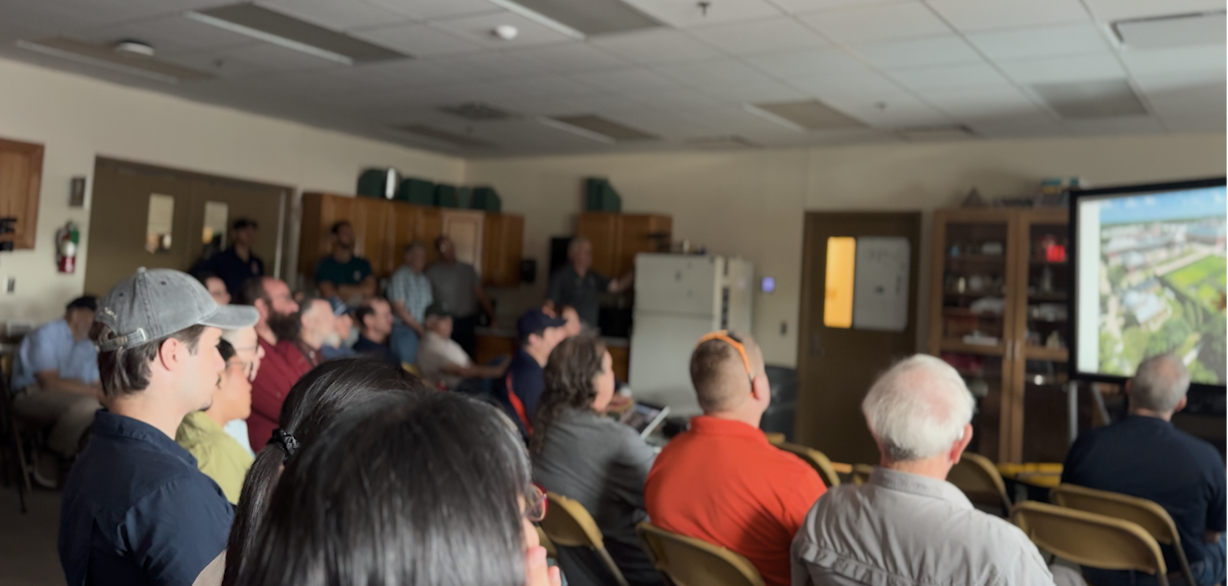
farmer and expert group at Alma Mater Plot day by U of I research plots

Not a member?

Become one today!

SHARE THIS

Latest Posts

Argonne
By Tara Desmond August 20, 2026
USA Panama Sustainable Maritime Fuel Trade Mission visits Illinois
IL Corn TV Thumbnail of Host and Guest
By Tara Desmond August 20, 2026
Illinois farmer Jay Whalen shares his journey to cover crops, soil health and conservation and how the practices are improving his farm’s ROI.
Don Guninnip; Mark Bunselmeyer; Bryan Severs, Katie Brown, Philip Nelson, Dr. Buzz Iliff, Evan Hulti
By Lyndi Allen August 20, 2026
Illinois corn farmers connected with lawmakers at the Illinois State Fair to share their experiences and discuss the issues impacting Illinois farms
By Tara Desmond August 19, 2026
The IL Corn Marketing Board (ICMB) has elected a new slate of officers who will help lead the organization’s efforts to invest Illinois corn checkoff dollars in programs that grow demand, create new markets and strengthen understanding of Illinois corn farmers and the industry. Elected by their fellow farmer directors, the new ICMB officers are Matt Raben as Chair, Terry Smith as Vice Chair, Dan Meyer as Treasurer, and John Klemm as Secretary. 
Agronomy Angle
By Matt Montgomery from Becks August 19, 2026
Foliar disease is creeping upward in Illinois corn. Learn what hail-loss research reveals about when a late-season fungicide pass still pays off.
Kevin and John thumbnail
By Tara Desmond August 13, 2026
Growing Good Consumers: Inside Illinois' Ag in the Classroom Program
John Klemm, IFB's Steve Koellerm, ASA's Jim Martin, and Chad Dillenberger
By Lyndi Allen August 13, 2026
IL Corn farmer leaders joined the 2026 Illinois Ag Legislative Roundtable, hearing from gubernatorial candidates Darren Bailey and Gov. JB Pritzker, as well as U.S. Senate candidate Don Tracy.
IL Corn, Illinois Farm Bureau, and Illinois Ag in the Classroom staff and interns at Marquis Energy
By Pearl McDade August 13, 2026
Interns tour Marquis, exploring ethanol, carbon capture, and innovation that supports Illinois farmers and jobs.
Johnna in the RFD Studio
By Tara Desmond August 13, 2026
Intern Johnna Fulcher learns from RFD Radio veteran DeLoss Jahnke about farm broadcasting, agriculture, storytelling and life behind the mic.
U.S. Capitol building under a bright blue sky, with cars in front on a sunny day
By Lyndi Allen August 6, 2026
The Senate Committee on Agriculture, Nutrition, and Forestry adjourned without advancing a Farm Bill, leaving farmers and the agriculture industry with uncertainty, as the current extension is set to expire on September 30.
Show More