

What’s Really Driving Your Fertilizer Bill? StoneX’s Josh Linville Explains


By Tara Desmond • October 15, 2026

What’s Really Driving Your Fertilizer Bill?

With tight margins and higher diesel prices, fertilizer costs are a top concern for Illinois farmers. On the latest episode of IL Corn TV, Collin Watters, IL Corn’s Director of Exports and Logistics, sat down with Josh Linville, Vice President of Fertilizer at StoneX, to talk about what’s behind those prices and what could bring them down.


It’s a global market

Linville’s biggest message: look past the back window. “Our grain markets are driven by global markets. Our fertilizer markets are driven by global markets,” he said.


For nitrogen and phosphate, that means the Strait of Hormuz. Ongoing disruptions in that narrow waterway have kept prices high all year. Farmers who watched the situation closely bought earlier. Those who didn’t watched prices keep climbing.


Even the suspension of duties on Moroccan phosphate this summer hasn’t brought relief. Linville says prices have actually risen since the June announcement, because U.S. phosphate was already among the cheapest in the world. For potash, the key is keeping a good trade relationship with Canada.


Fewer players, less leverage

Consolidation has left many farmers with only one or two local retail options. At the manufacturing level, Linville notes that a handful of companies control most of the nitrogen market. This year, when anhydrous and UAN fill programs were announced, competitors had nearly matching prices within 30 minutes.


That concentration also makes it risky for buyers to speak up. “You lose the relationship in an industry that has very few relationship opportunities,” he said.


The long-term fix

Price transparency helps, and CME fertilizer futures already offer daily settlements. But Linville says the real solution is building more U.S. nitrogen production. The U.S. has the natural gas and the demand. What’s held it back is the high cost of new plants, a lack of incentive for current players to expand, and regulatory red tape.


For phosphate, he recommends long-term supply partnerships with countries like Morocco, Norway and Saudi Arabia. For potash, it’s staying on good terms with Canada.


Watch the full conversation on IL Corn TV


Not a member?

Become one today!

SHARE THIS

Latest Posts

holding a cover crop
By IDOA & Tara Desmond • October 15, 2026
Pre-enrollment opens Nov. 30 for IDOA’s Fall Covers for Spring Savings program, worth up to $5/acre off 2027 crop insurance premiums.

thumbnail of Megan and Jared
By Tara Desmond, Megan Dwyer and Brownfield Ag • October 15, 2026
Illinois Corn and U of I built lease addenda to help farmers and landowners build cover crops, soil health and nutrient goals into rental agreements.

headshot of Jenny Webb IFCA president
By Tara Desmond • October 15, 2026
Jenny Webb has spent her career in Illinois agriculture. Now she’s about three months into a new job as president of the Illinois Fertilizer & Chemical Association (IFCA), the group that represents the ag retailers, applicators and suppliers who get fertilizer and crop protection products to your farm when you need them. Webb came to IFCA from Illinois Farm Bureau. She’s new to the fertilizer and chemical side of the business, but not to farmers or to the policy and regulatory issues that affect them. IL Corn sat down with her to talk about what she’s learned so far, the issues facing Illinois ag retailers, and why the work happening behind the scenes deserves more credit than it gets.

Andrew Jolly
By Lyndi Allen • October 15, 2026
A sixth-generation farmer from Chenoa, IL, Andrew Jolly is carrying on his family’s farming legacy while learning how to make his voice heard in agricultural policy as a 2026 GROW participant.
Cornfield at sunset with orange and pink sky over a grassy path
By Lyndi Allen • October 15, 2026
ICGA thanks the U.S. EPA for proposing to reallocate 100% of the difference between projected and actual small refinery exemptions for 2025 under the Renewable Fuel Standard.
Illinois officials at NCERC news conference
By Lindsay Croke • October 9, 2026
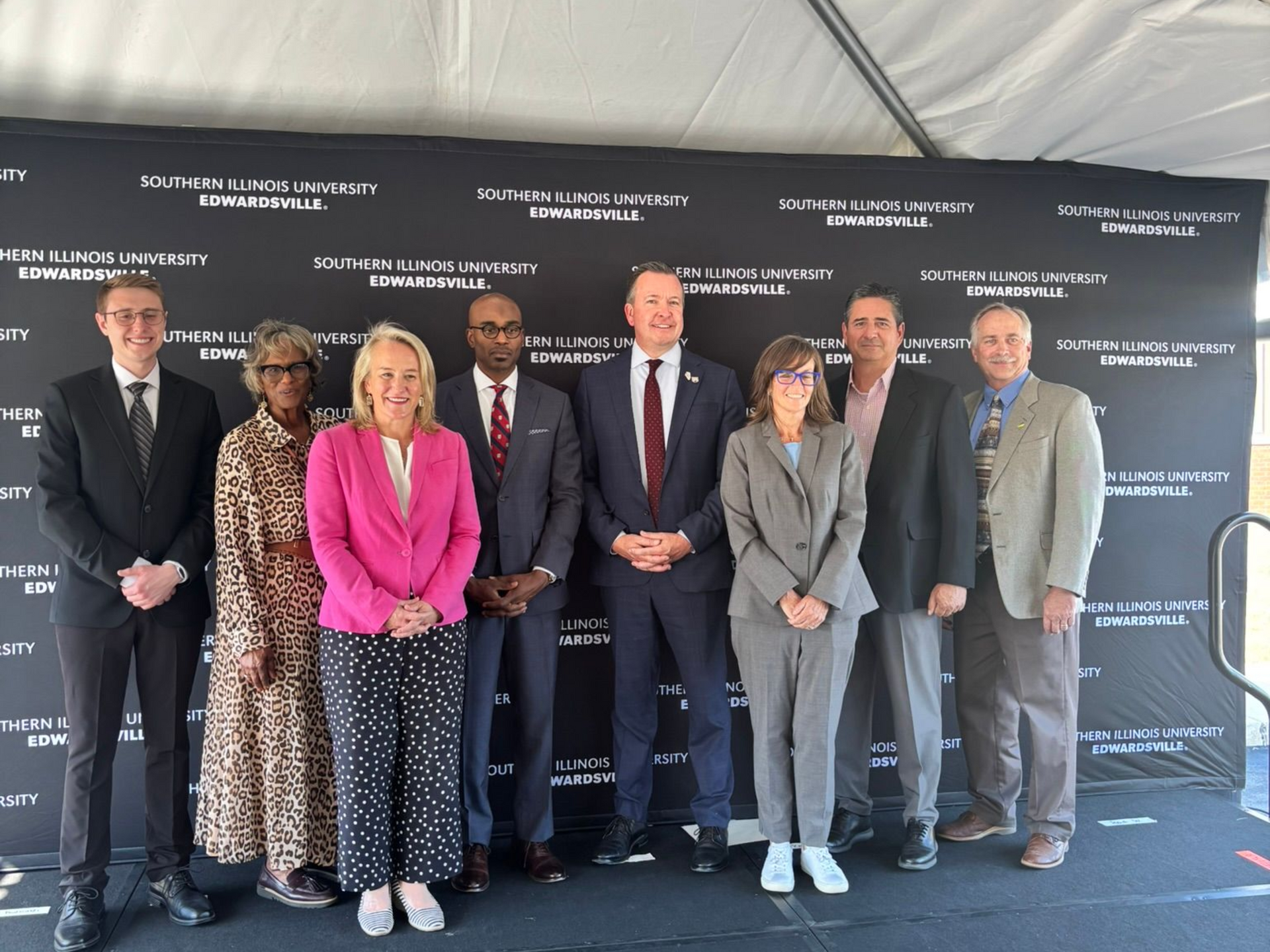
A $15 million investment in NCERC at SIUE will expand the facility and provide opportunities for new bioproducts using corn to scale to commercialization.
National Corn to Ethanol Research Center proposed expansion
By Lindsay Croke • October 9, 2026
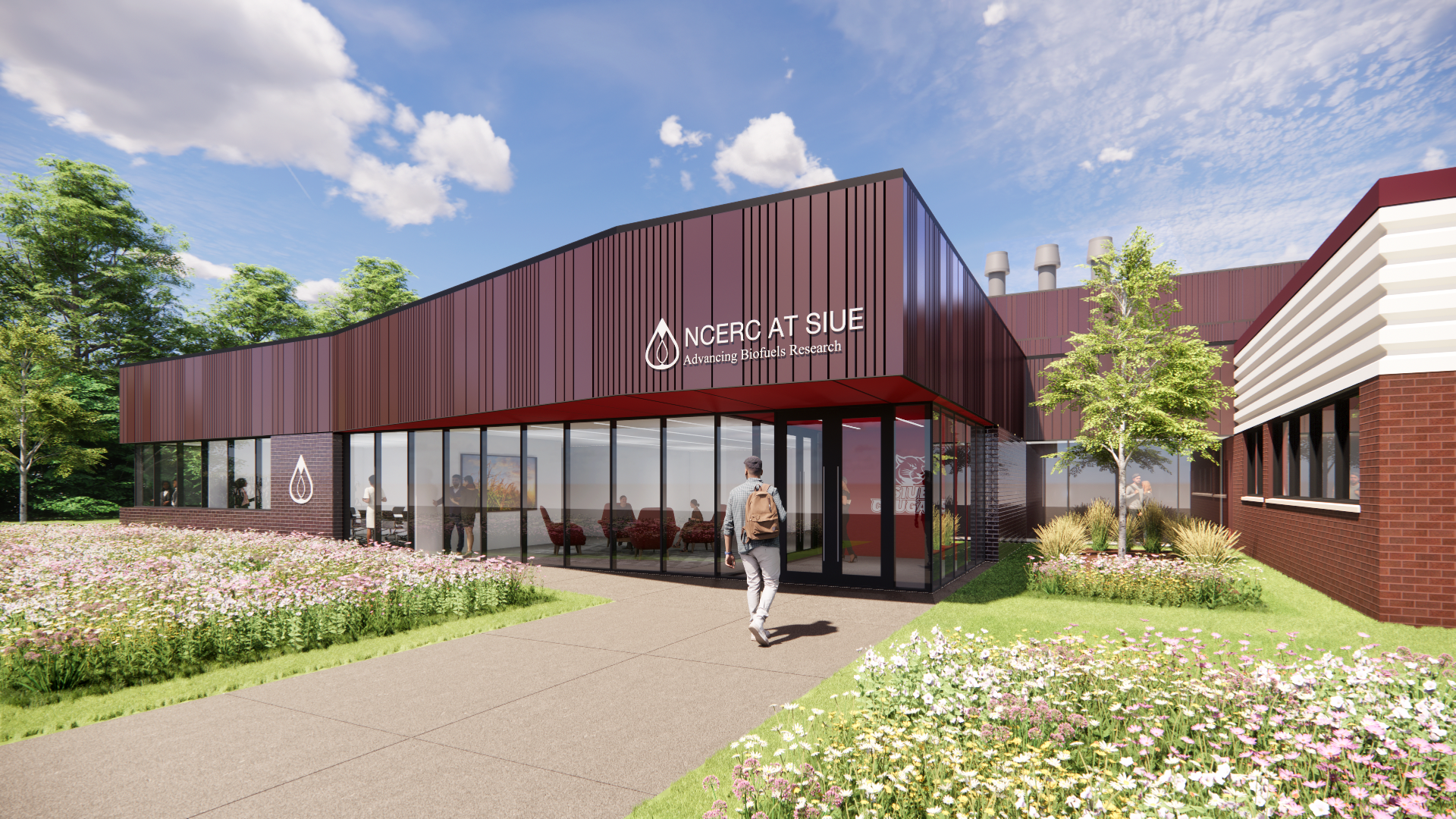
Fully funding an expansion of NCERC at SIUE will allow the testing and trials required for new corn products to scale in Illinois.

U.S. Meat being showcased in Tokyo
By John Klemm & Tara Desmond • October 8, 2026
DeWitt County farmer John Klemm shares how exporting beef helps corn and an early look at a slow, wet start to his 2026 harvest.
Corn kernels
By Lindsay Croke • October 8, 2026
Illinois corn farmers are grateful for Governor Pritzker’s effort to lower diesel prices for farmers this fall.
cover crops in the field
By Summary from PCM / Farmdoc Webinar • October 8, 2026
Precision Conservation data shows growing cover crops costs Illinois corn farmers $27.30 an acre to deliver carbon benefits. See how conservation payments compare.
Show More