
Dr. Schnitkey on Costs, Prices & Tillage Profitability
The farm financial environment remains one of the toughest in decades, according to University of Illinois ag economist Dr. Gary Schnitkey. In a recent IL Corn TV episode, Dr. Schnitkey joined IL Corn’s Director of Water Quality Research, Dr. Laura Gentry, to discuss why 2025 and 2026 are expected to look much like the financially strained years of 2023 and 2024.
The challenge begins with flat commodity prices. With corn expected to remain near $4 and soybeans around $10 for the foreseeable future, there is currently no clear market shift that would drive prices upward. Unlike previous low-price periods such as 2016–17, today’s farmers face significantly higher production costs driven by COVID-era supply disruptions, inflation, labor shortages, global conflict, and sharp jumps in machinery pricing.
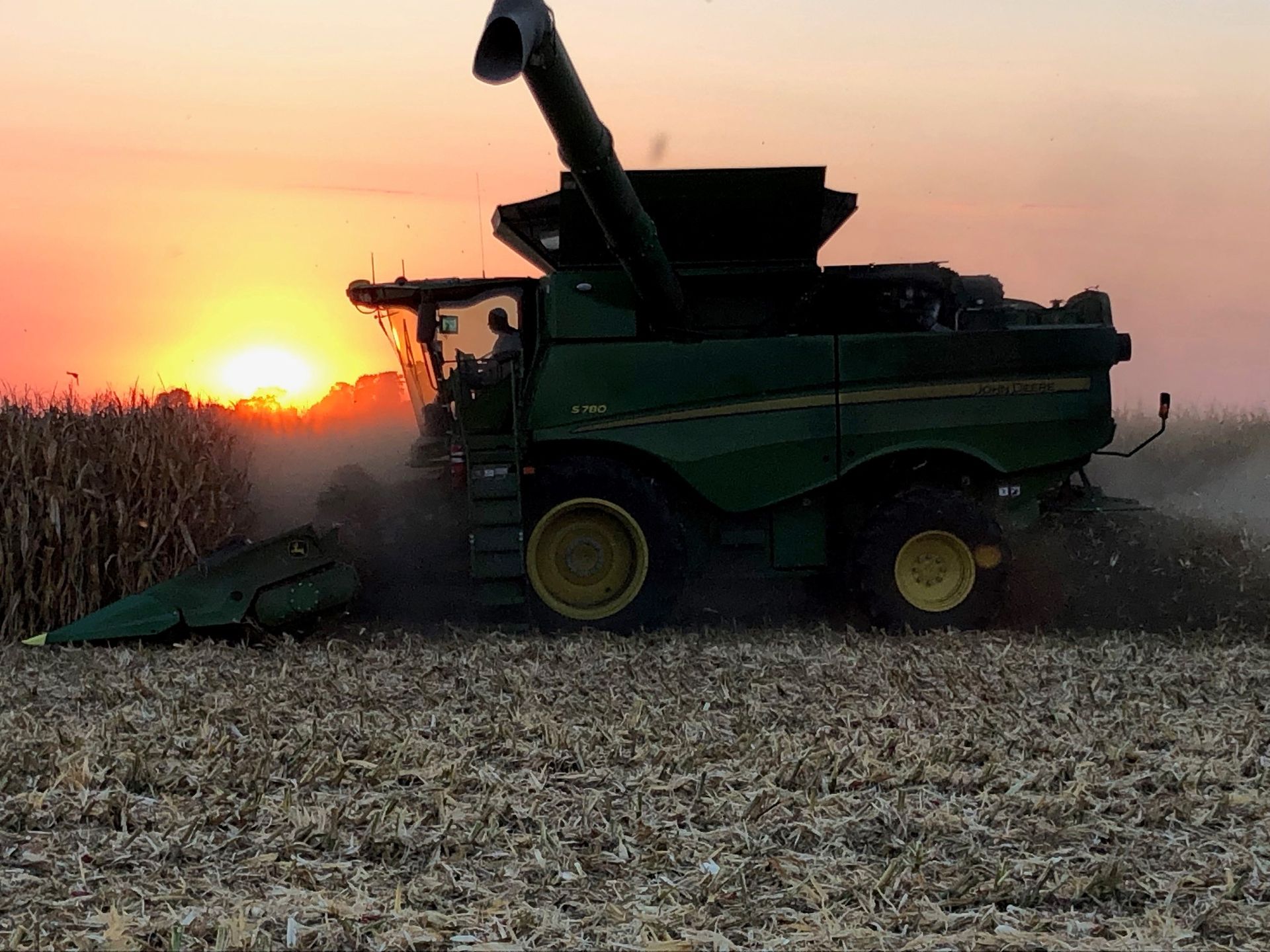
Dr. Schnitkey highlights that tractor and combine prices rose roughly 20 percent between 2021 and 2023—an extraordinary increase compared to the long-term trend. Paired with high seed, fertilizer, and pesticide costs, farmers are working to manage expenses wherever possible. Strategies such as stretching machinery replacement cycles, reducing the total number of tractors, or reevaluating tillage equipment can help but each choice comes with trade-offs in repair costs, efficiency, and labor needs.
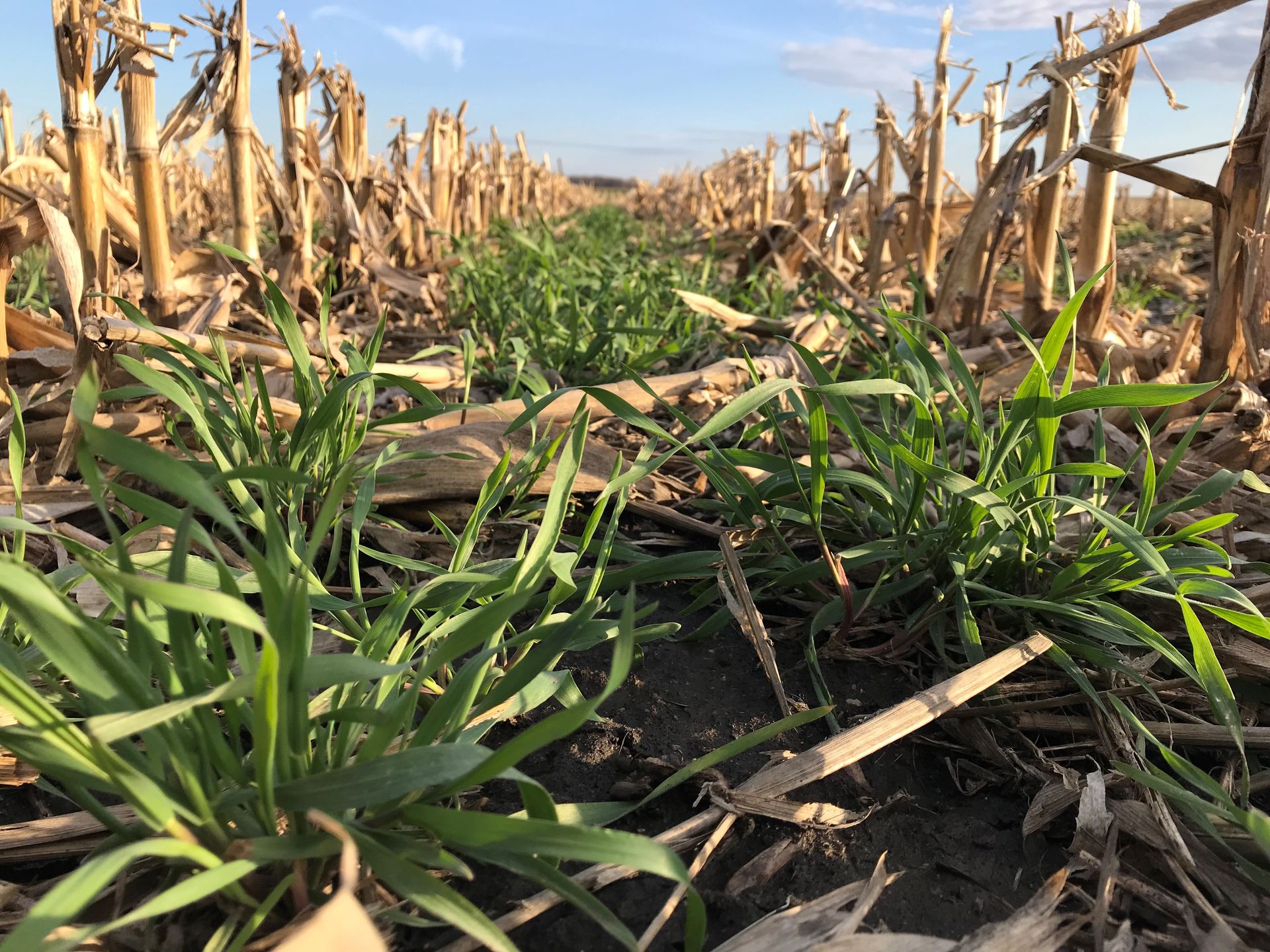
That is where Precision Conservation Management (PCM), IL Corn’s flagship conservation and financial analysis program, is providing concrete insights. After ten years of data, PCM is showing that no-till and strip-till corn acres are appearing in the top 25% of most profitable fields more often than ever before. Even without incentive payments, these systems reduce passes, lower fuel and labor costs, and help farmers remain competitive in low-margin years. With incentive payments of $5–$25 per acre available for reduced tillage and cover crops, the economic case becomes even stronger.
As farmers prepare for 2025 and 2026, the message from both experts is clear: reassessing equipment decisions, reducing unnecessary tillage, and using data-driven tools like PCM can help maintain profitability in a difficult economic climate.