

Emergency Preparedness for Grain Bin Accidents: What Every Farmer Should Know


By Tara Desmond & John Lee February 26, 2026

A Conversation with John Lee – Grain & Feed Association of Illinois’ Safety-Health-Environmental ​Services Director


Grain bin accidents don’t happen because someone plans to take a risk. They happen because someone has done the same task a thousand times and assumes this time will be no different.


But when it comes to grain entrapment, it only takes once.


Grain bin safety expert John Lee says preparation before something goes wrong is the single most important step farmers can take.


“If you’re not in the bin, you can’t get caught. But if you do have to enter, preparation matters more than anything else.”

The Reality of Rescue: It Takes Time

One of the biggest misconceptions farmers have is how quickly help can arrive and how quickly they can be freed.


According to training data shared by the Illinois Fire Service Institute, the average grain bin rescue takes three and a half hours. And that estimate begins once emergency crews arrive on scene.


Now consider the real-world variables:


  • What if you were alone for hours before anyone realized you were missing?
  • What if specialized equipment must be brought in from another county?


In many parts of rural Illinois, a technical rescue team may have to respond from another area adding to the travel time. Once they arrive, they still must assess the situation, shut down equipment, stabilize the grain, and move large volumes before attempting extraction.


Even if you hear sirens and think rescue is moments away, the process is methodical and slow because it has to be.


Cold Grain, Crushing Pressure

Properly conditioned corn should be 40°F or colder. That means if someone is engulfed, that grain is pulling heat from their body the entire time and depending on the circumstances there is a risk for hypothermia.


Then there’s compression syndrome. When grain surrounds the body, the pressure can restrict blood flow and cause toxins to build up in the lower extremities. Even if a person survives the entrapment and feels “fine” afterward, complications can develop hours later.


There have been documented cases of victims dying days after rescue due to complications from compression.


The message is simple:
If someone is engulfed (even partially) they must seek medical evaluation.


A Real-Life Illinois Case

Several years ago near Springfield, a farmer was loading trucks alone. Soybean pods had accumulated and plugged the sump opening in the bin.


Instead of shutting everything down and working from above, he entered the bin with a rod to break the obstruction (a common shortcut).


When the grain began flowing, it pulled him down.


He was buried beneath the surface, conscious but trapped. His foot was caught in the auger below. No one knew he was inside.


Hours later, when he didn’t show up for coffee (a daily habit) someone went looking for him. Emergency crews were called.


Rescuers cut holes in the bin and removed grain, but his foot remained trapped in the auger. After five hours on scene, with his vital signs declining, a trauma surgeon was brought to the site. A field amputation was performed.


He survived the rescue but died weeks later from complications related to the incident.


Every step of that scenario was preventable:

  • He was alone. There was no observer.
  • Equipment was running.
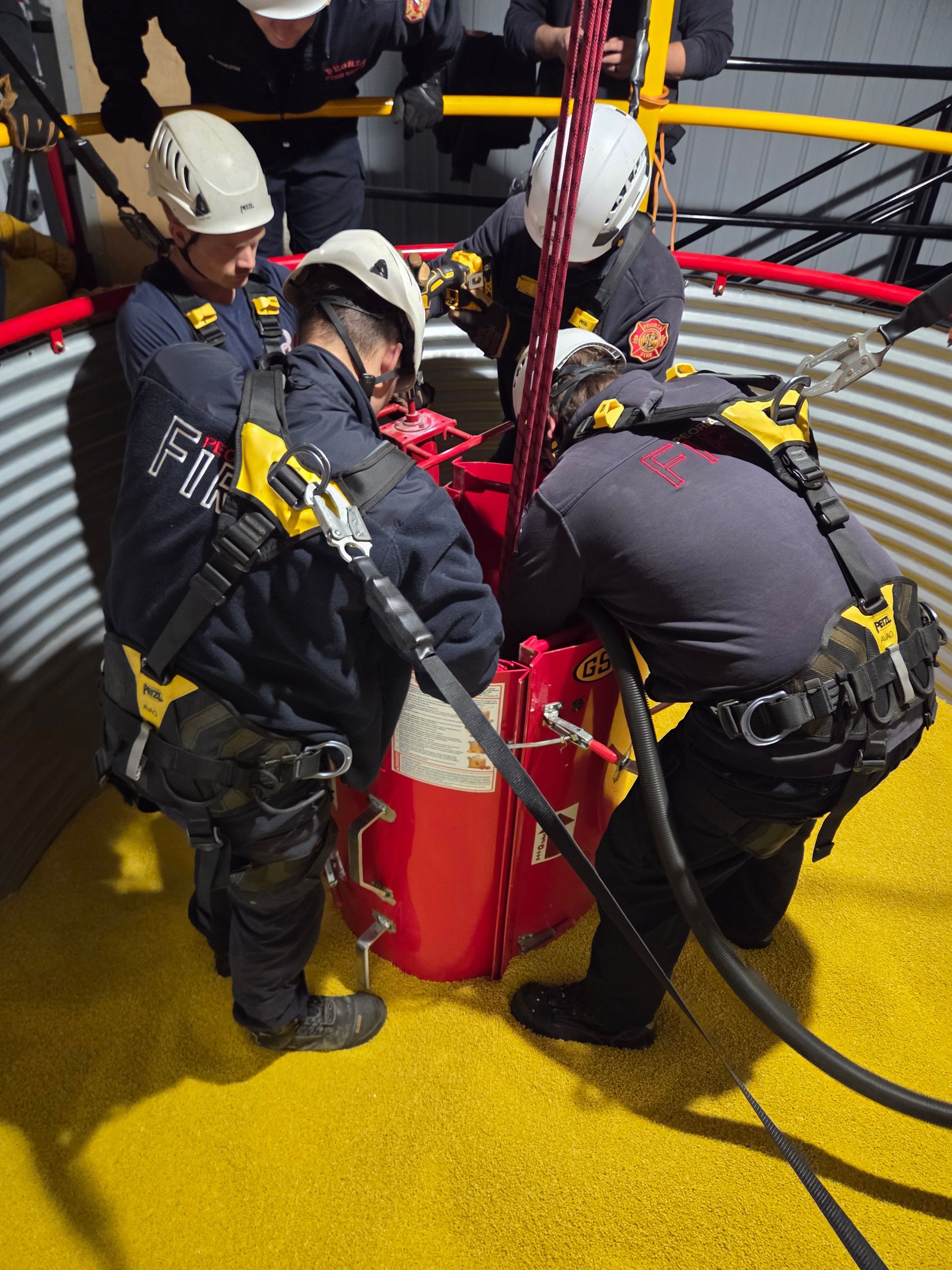
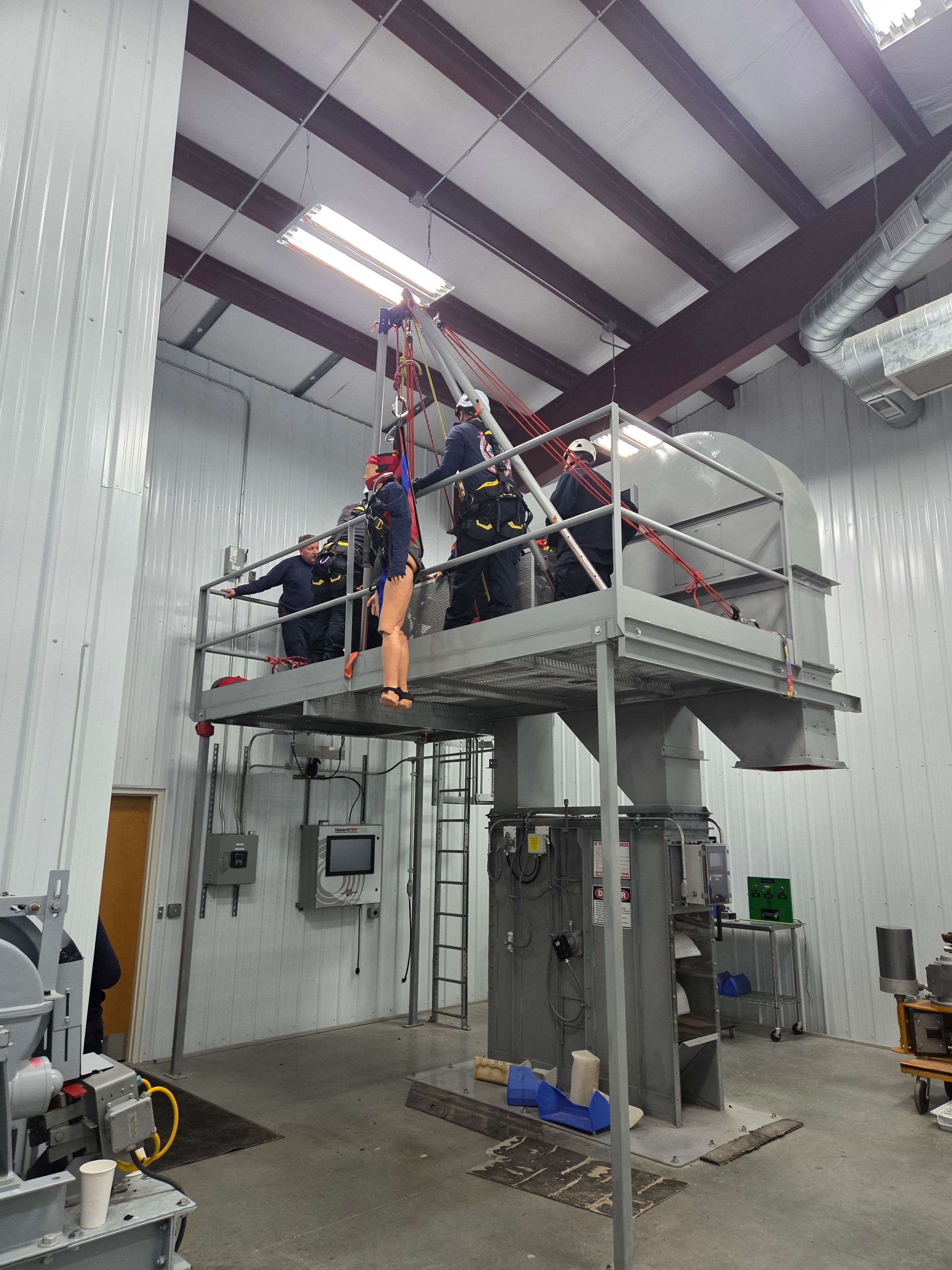
training facility for  grain elevator employees - fire department
rescue training facility
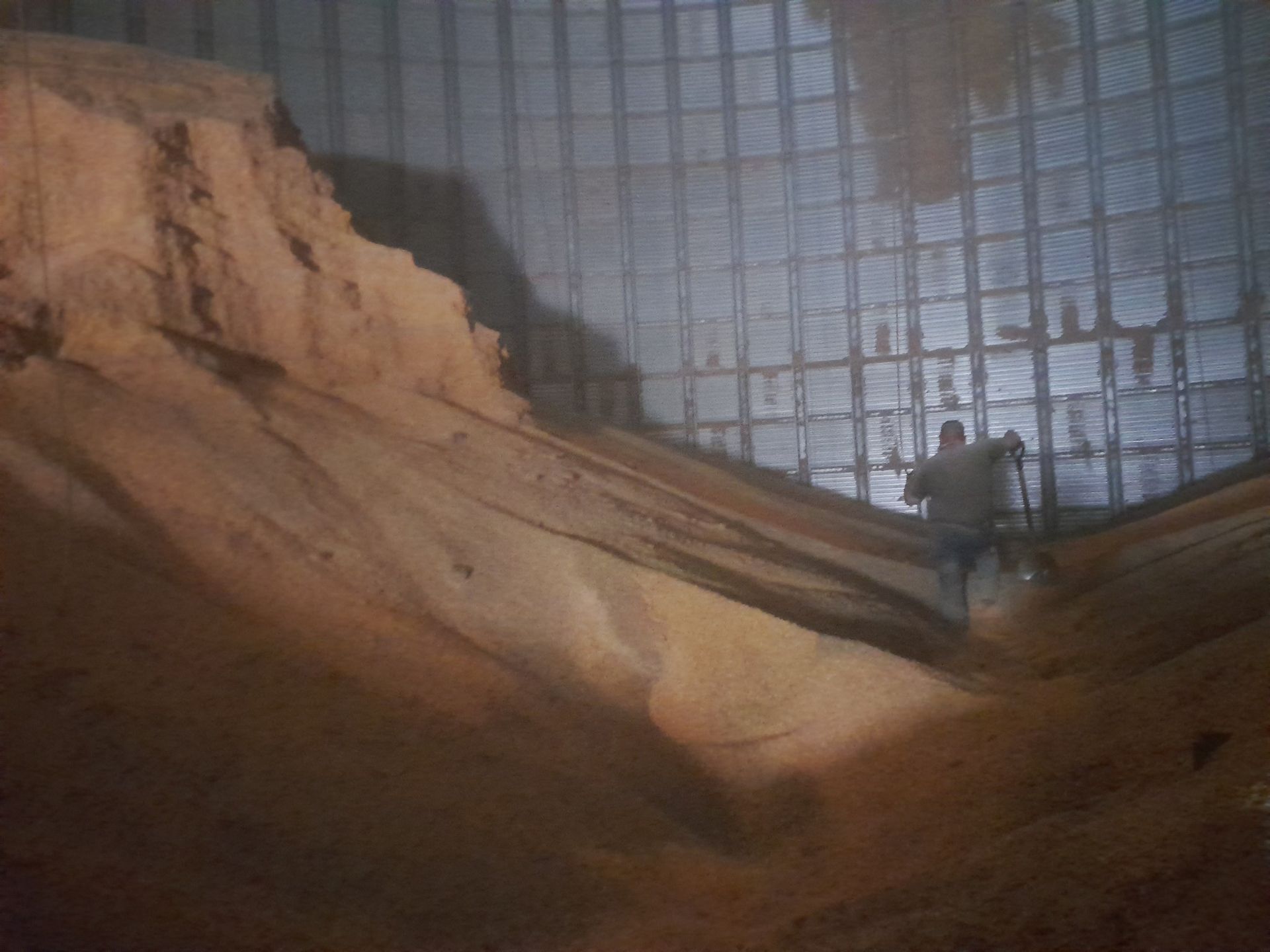
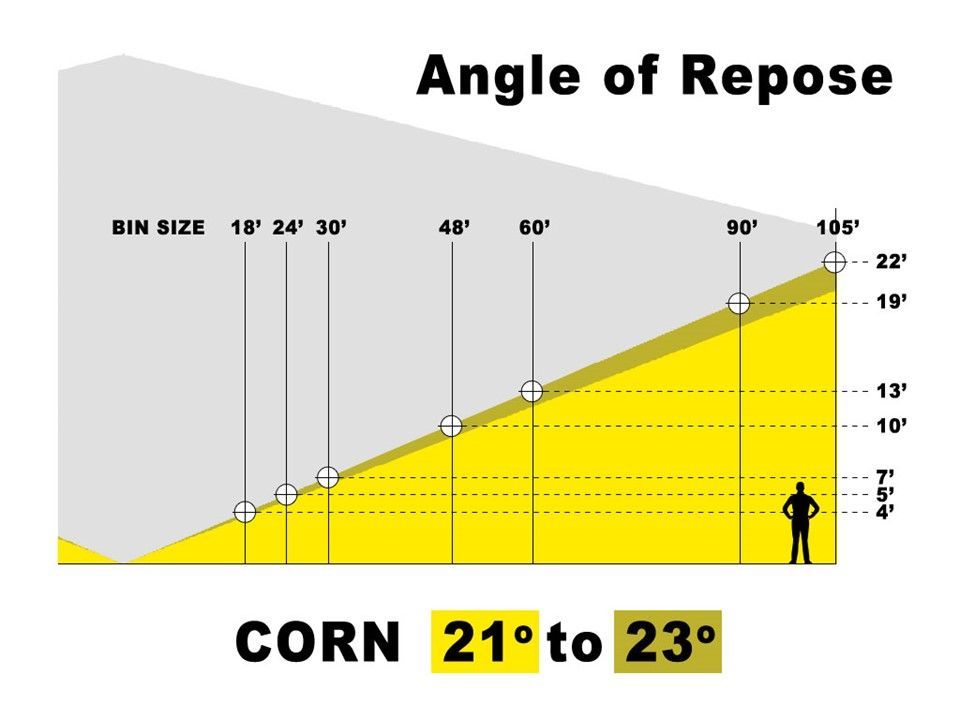
corn slope inside elevator
angle for corn in grain

Three Non-Negotiables Before Entering a Bin


If grain bin entry is absolutely necessary, these are critical:


1. Never Enter Alone

  • There must be at least two people: an entrant and an observer. The observer’s job is to watch (not assist, not multitask) and call for help if something goes wrong.


2. Lock Out and Shut Down Everything

  • All unloading equipment must be completely off and secured before entry. No exceptions.


3. Know Your Fire Department’s Capabilities

Before an emergency happens:

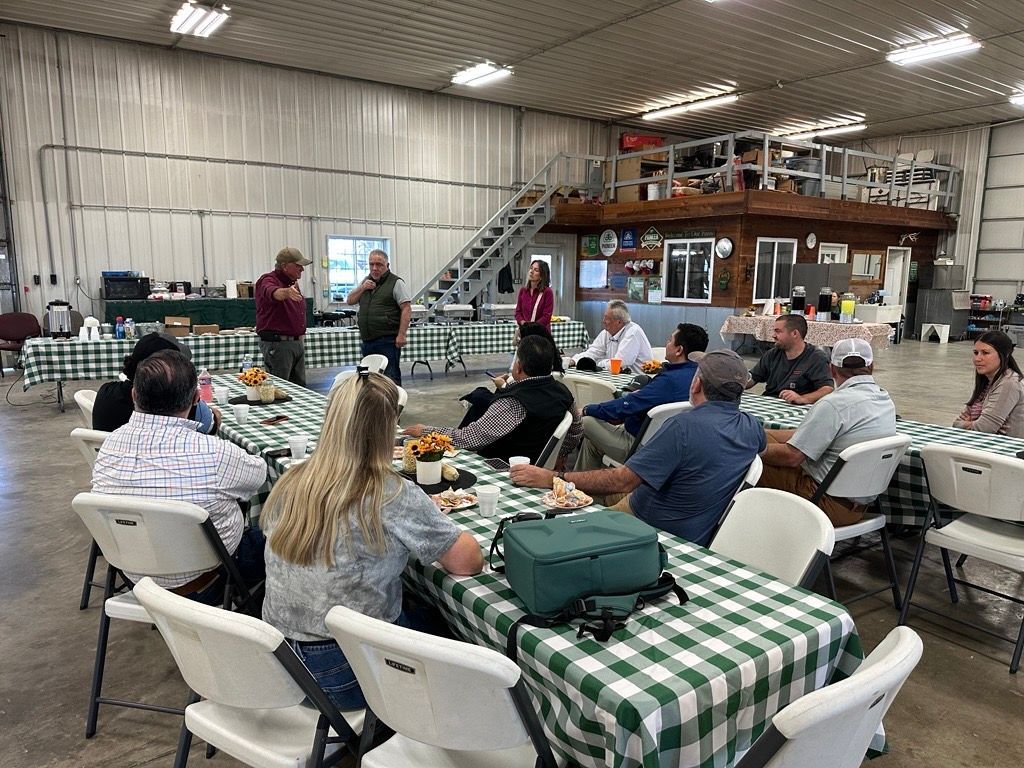
  • Invite your local fire department to see your facility.
  • Identify shutoffs.
  • Ask what rescue equipment they have.
  • Understand response times.


Many rural departments are volunteer-based. Some may not have specialized grain rescue equipment on-site but rely on mutual aid from neighboring departments. Preparation beforehand can save critical time later.


The Most Dangerous Shortcut

The most common shortcut farmers take?


“I’m only going in for a second.”


Most grain entrapments happen when someone is working alone and they believe the risk is minimal.


As Lee bluntly puts it:


“Once you’re above your knees, you’re not getting out. The more you move, the tighter it gets.”


Grain Quality and Safety Go Hand in Hand

Nearly every entrapment begins with a grain condition issue like crusting, bridging, plugged sumps, or steep grain slopes caused by poor airflow.


Good grain management dramatically reduces the need to enter a bin in the first place.


That connection is critical:
Grain bin safety starts long before someone climbs the ladder.


The Bottom Line

If you take only one thing away from this:

  • Don’t enter alone.
  • Shut everything off.
  • Prepare before something goes wrong.


You cannot rely on strength, experience, or routine. Grain doesn’t care how many years you’ve farmed.

Preparation (not confidence) is what saves lives.


Not a member?

Become one today!

SHARE THIS

Latest Posts

John and Kate
By Tara Desmond February 26, 2026
Meet Kate Baker, PCM’s newest specialist serving Southeastern Illinois, bringing soil science expertise and economic insight to conservation.
up close snow
By Tara Desmond February 26, 2026
Frost seeding is a simple, cost-effective way to introduce or thicken forage stands by taking advantage of natural freeze–thaw cycles in late winter and early spring.
sunset on the farm
By Tara Desmond February 26, 2026
USDA opens $11B Farmer Bridge Assistance payments for 2025 crops. Illinois corn and soybean growers must apply by April 17, 2026.
Ellen Rahn in High School
By Tara Desmond February 24, 2026
Illinois FFA alumni share how high school leadership, competitions, and friendships helped them grow into successful agricultural leaders.
barge
By Lindsay Croke February 20, 2026
Upon hearing the Supreme Court ruling regarding President Trump’s use of tariffs, ICGA President and Illinois farmer Mark Bunselmeyer issues statement.
USGBC Chairman Mark Wilson
By Lyndi Allen February 19, 2026
For Illinois farmers, the work of the U.S. Grains and Bioproducts Council (USGBC) is essential to maintaining and expanding global demand for corn and corn co-products.
Andy Gilson
By Rosalie Trump February 19, 2026
New Conservation Specialist helps expand program to Western Illinois giving free resources to Illinois farmers.
field corn
By Tara Desmond February 19, 2026
The Endangered Species Act (ESA) is top of mind at Commodity Classic this year and farmers will see that reflected across the trade show floor.
John and Ryan
By Tara Desmond February 19, 2026
Ryan Gentle of Wyffels Hybrids shares 2025 disease lessons, soil moisture concerns and planting advice for Illinois corn farmers in 2026.
Logo for Agricultural Coalition for USMCA with a farmer overlooking a field and American flag.
By Lyndi Allen February 18, 2026
The Agricultural Coalition for the USMCA hosted a press conference to highlight the agreement’s importance to U.S. agriculture and rural communities as its renewal approaches.
Show More