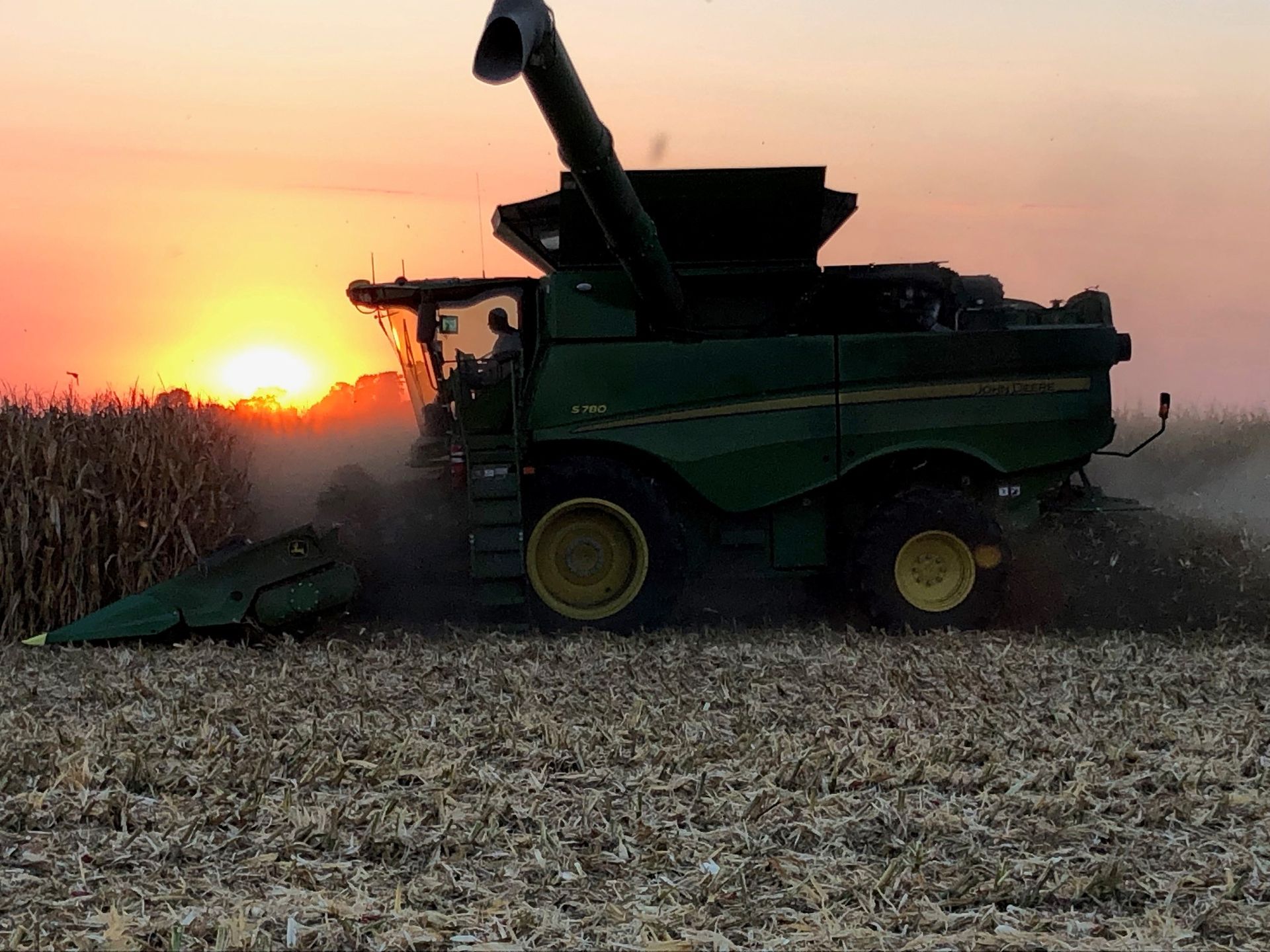
Illinois corn farmers invest checkoff dollars with one goal in mind: creating long-term value for every bushel grown. Through the
IL Corn Marketing Board, those investments focus on strengthening public trust, expanding corn demand, and advancing conservation practices that deliver real results on the farm.
Expanding Markets at Home and Abroad
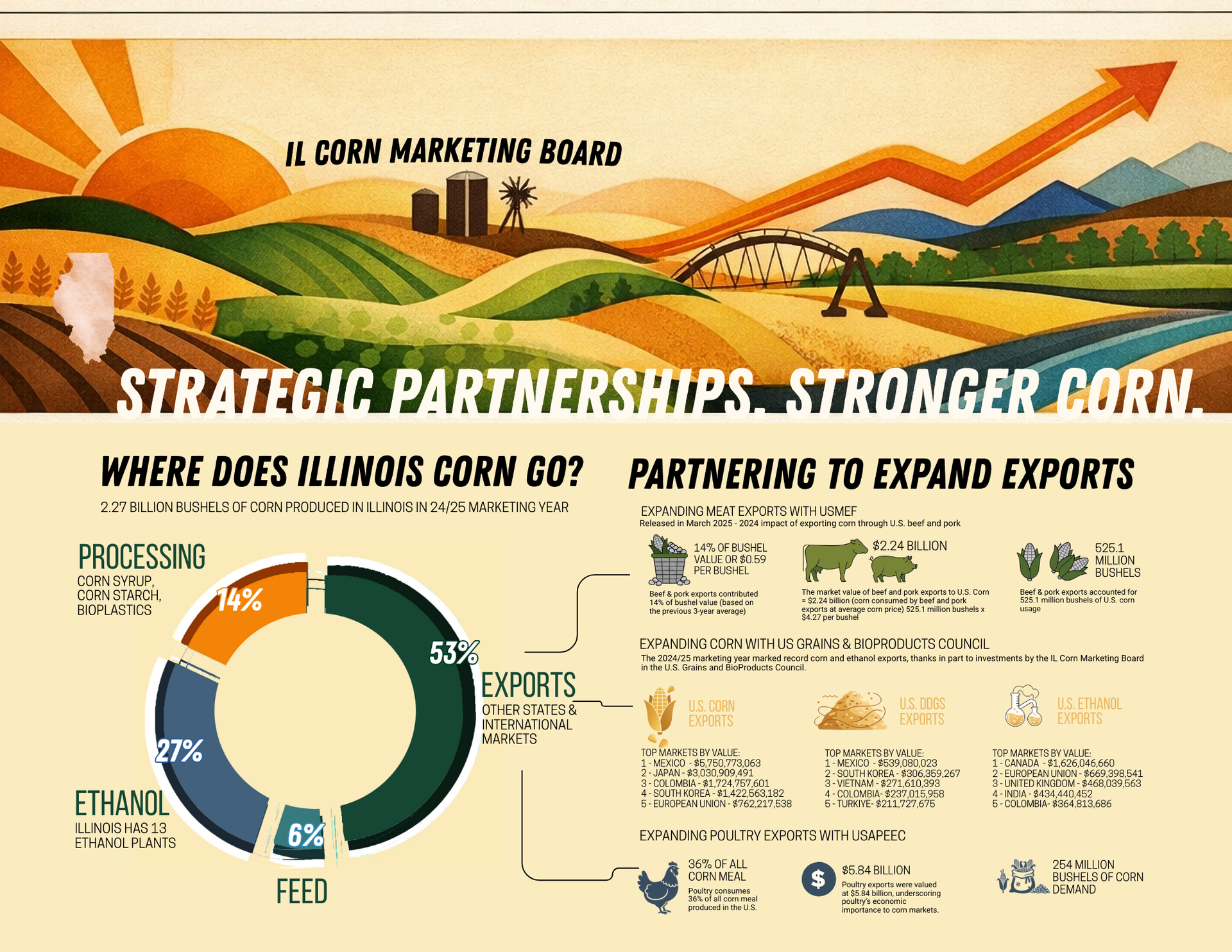
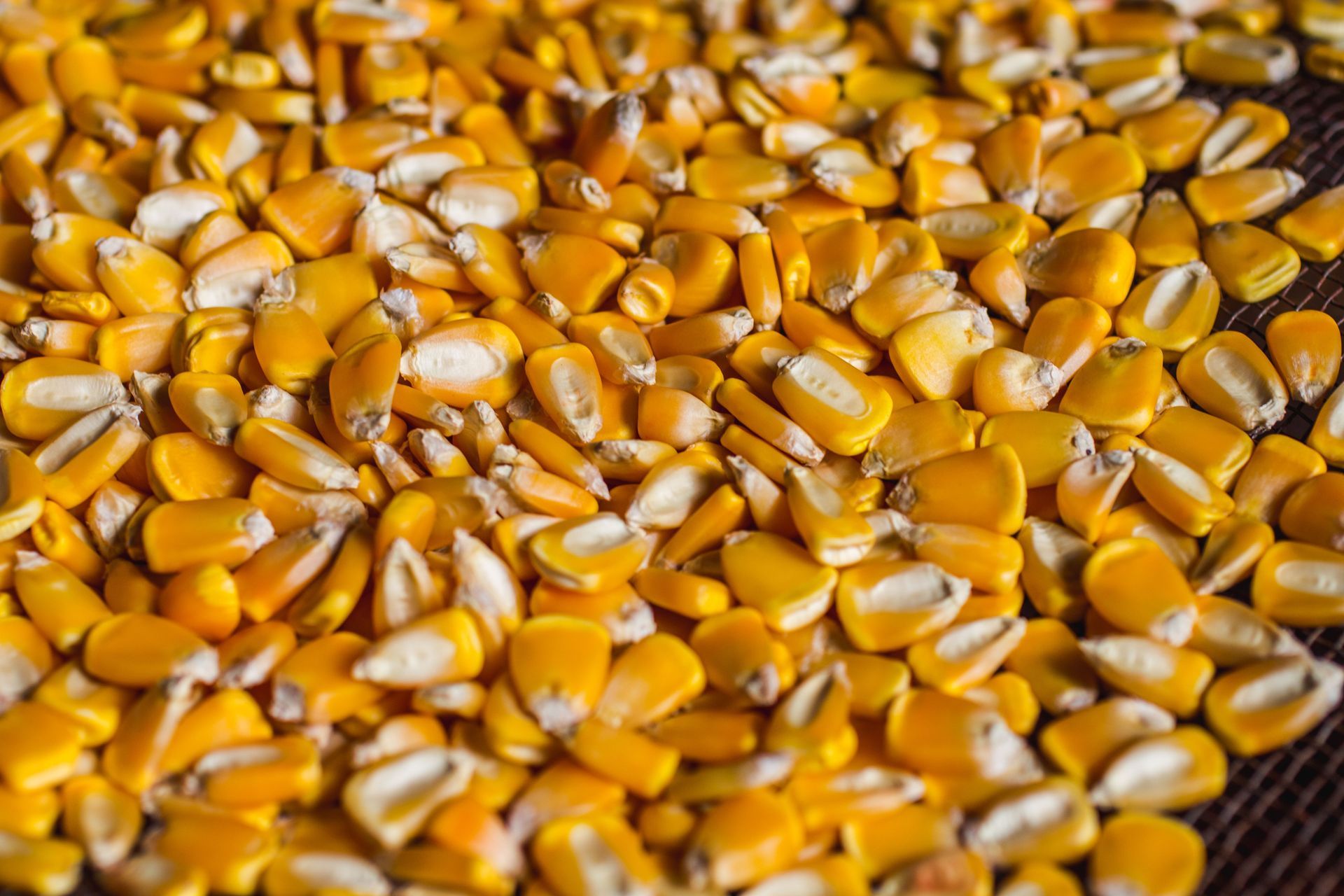
Illinois corn is grown for markets well beyond state lines. Today, 53% of Illinois corn is shipped out of state, while 27% goes to ethanol production, supported by 13 ethanol plants across Illinois. Another 14% is used for processing into products like corn syrup, corn starch, and corn-based plastics, and 6% feeds livestock within the state.
Because exports represent Illinois corn’s top use,
IL Corn continues to invest in partnerships that expand international demand. Through collaborations with the
U.S. Grains and BioProducts Council,
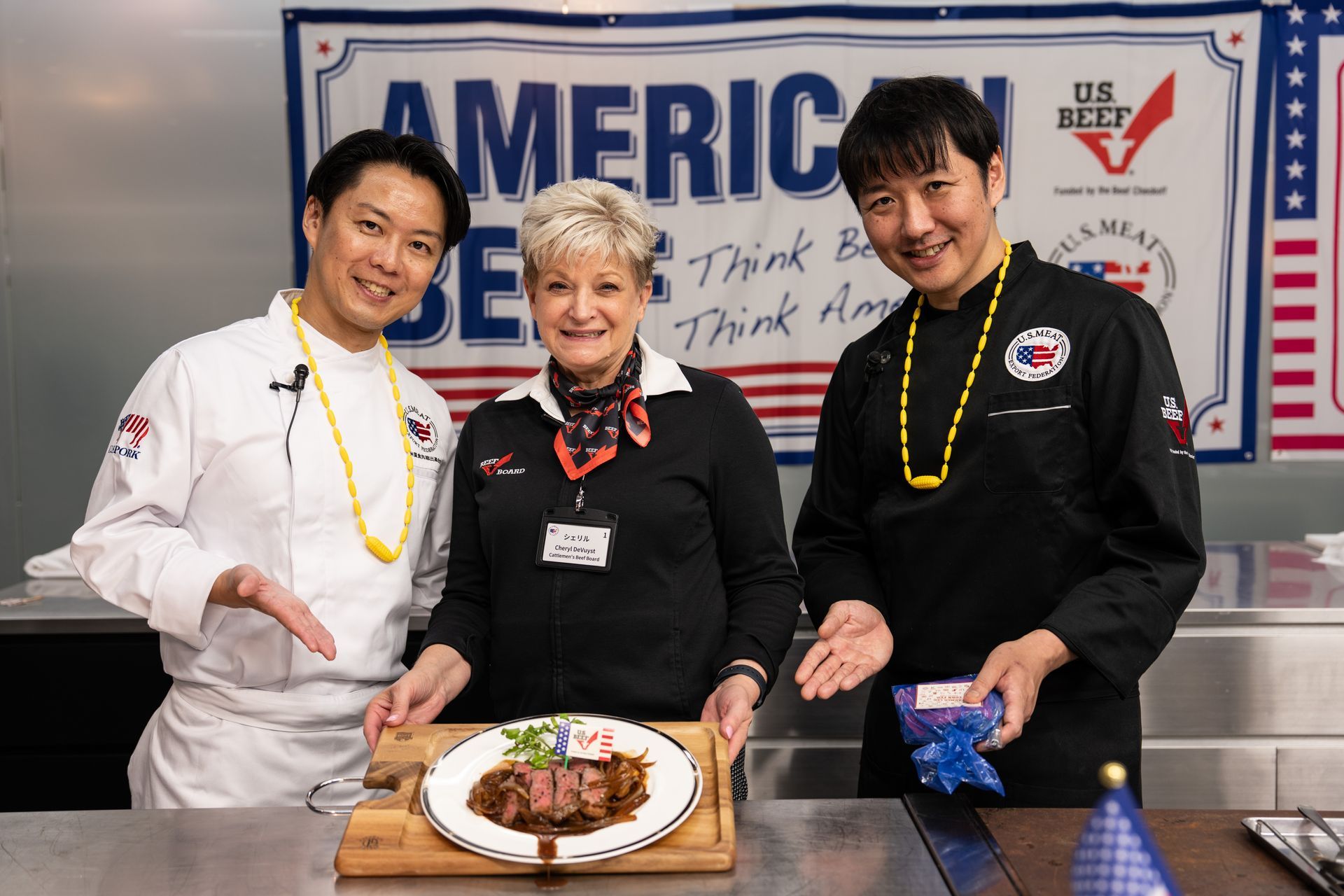
U.S. Meat Export Federation (USMEF), and
U.S.A. Poultry & Egg Export Council (USAPEEC), checkoff dollars help open and grow global markets for corn and corn co-products.
Beef and pork exports alone accounted for 525.1 million bushels of U.S. corn usage, contributing 14% of total bushel value based on a three-year average. At an average corn price of $4.27 per bushel, beef and pork exports represented $2.24 billion in market value for U.S. corn.
Top U.S. corn export markets by value include Mexico, Japan, Colombia, South Korea, and the European Union. Exports of corn co-products and ethanol further strengthen demand, with Mexico, South Korea, Vietnam, Colombia, and Türkiye leading DDGS imports, and Canada, the European Union, the United Kingdom, India, and Colombia topping ethanol export markets.
Poultry exports also play a significant role in corn demand. Poultry consumes 36% of all corn meal produced in the U.S., with exports valued at $5.84 billion and representing 254 million bushels of corn demand.
Building Trust With Consumers and Decision Makers
Improving the farmer image with consumers and decision makers remains a core checkoff priority.
Illinois Farm Families (IFF) continues to help bridge the urban–rural divide by connecting non-farm audiences with the people who grow their food and fuel.
Now in its 16th year, IFF reached Chicago-area consumers more than 6 million times through social media, digital content, influencer partnerships, and in-person experiences. These efforts help ensure that Illinois farmers have a trusted voice in conversations that shape public perception and policy.
Checkoff investments also support agricultural education through
Illinois Ag in the Classroom. With continued support (including the launch of a new corn-focused Ag Mag) the program reached 643,958 students, 36,335 teachers, and 93,496 community members, helping students understand agriculture and corn’s role from an early age.
Creating Demand Through New and Emerging Corn Uses
Developing and scaling new corn uses that create demand for additional bushels is another key focus of the IL Corn Marketing Board. Through partnerships like the
Consider Corn Challenge and the
Radicle Corn Value Chain Challenge, checkoff dollars help bring innovation to market and expand corn demand beyond traditional uses.
These investments support new and emerging applications for corn, including:
- Biobased chemicals: Illinois-based companies like
Låkril Technologies are using corn sugars to create renewable alternatives to petroleum-based chemicals used in coatings, adhesives, and consumer products.
- Sustainable aviation fuel (SAF): Corn-based ethanol is being explored as a feedstock for SAF, positioning corn as part of aviation’s lower-carbon future.
- Advanced materials and bioproducts: Startups backed through the challenges are developing bioplastics and other corn-derived materials to replace fossil-based inputs.
- Energy and industrial applications: Innovations are using corn and ethanol in new energy, chemical, and manufacturing solutions that expand market opportunities.
Conservation That Delivers Results on the Farm
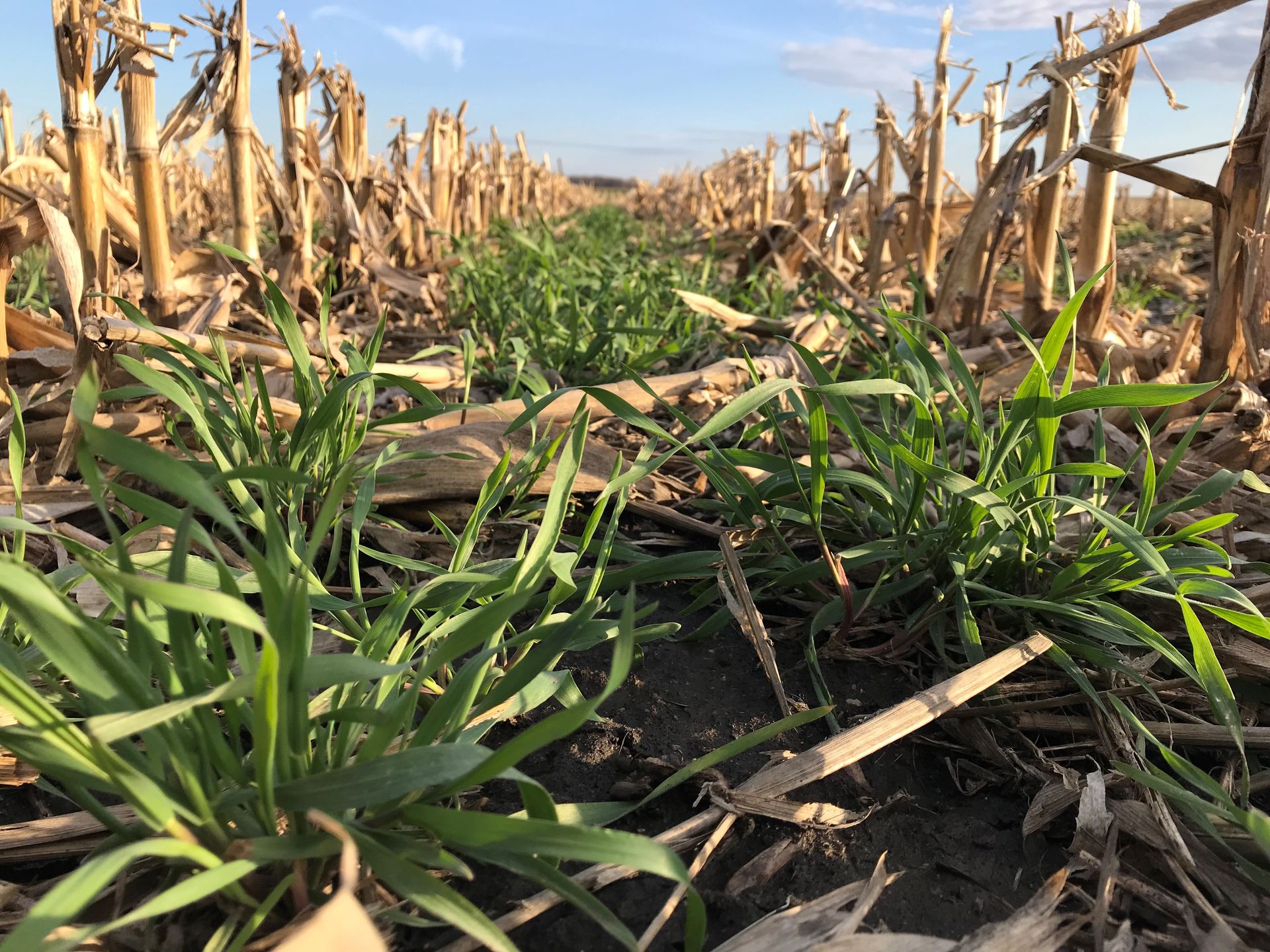
Advancing agricultural practices that provide measurable environmental benefits while improving farm economics is central to IL Corn’s conservation work.
Precision Conservation Management (PCM), created by IL Corn, remains the organization’s premier conservation program, offering free,
farmer-focused data and incentives to show conservation practices can strengthen both the land and the bottom line.
In 2025, PCM marked its 10-year milestone while continuing to grow across the Midwest. The program now serves 441 Illinois farmers across 448,411 acres and supports growers in Kentucky, Missouri, and Nebraska.
From 2023 to 2025, total fields served increased from 7,500 to 9,213 — a 23% increase reflecting strong demand for data-backed conservation. PCM’s reach expanded further with a National Fish and Wildlife Foundation grant supporting new regional efforts, along with new supply chain partnerships, including the Kentucky Distillers Association and Kraft Heinz.
Turning Checkoff Investments Into Value
From building trust and educating future generations to expanding markets and delivering conservation results, Illinois corn checkoff investments are working across the value chain. These efforts help ensure that Illinois corn remains competitive, sustainable, and in demand — creating long-term value for farmers today and into the future.