

ICGA is now accepting applications for five $2,000 scholarships for ag students. Apply by Jan. 31, 2027.
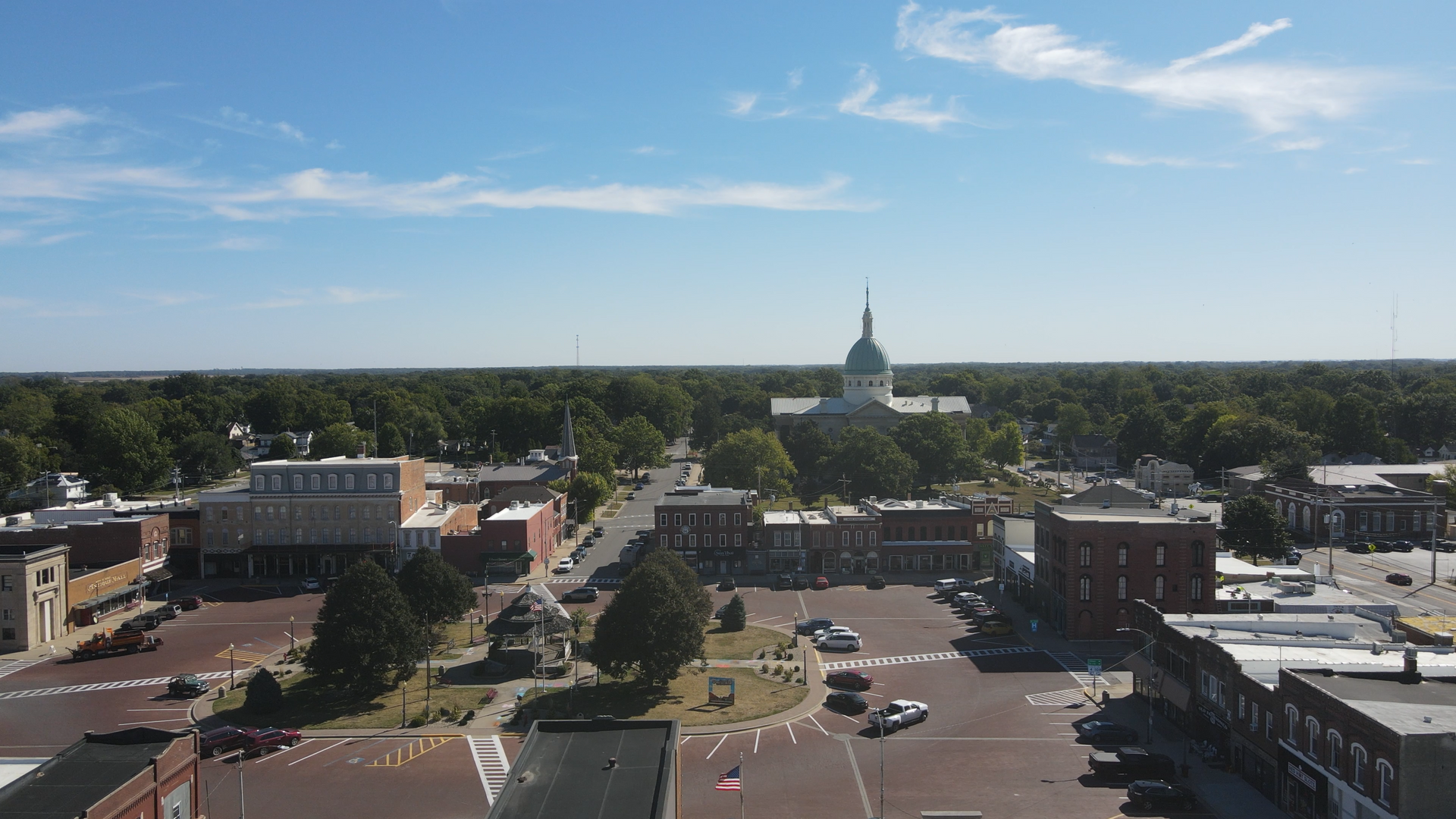
Hallmark’s Merriest Christmas Town is a farm town at heart. Meet Kim Carney Rhodes, the ICGA farmer carrying on her dad’s corn legacy in Carlinville.
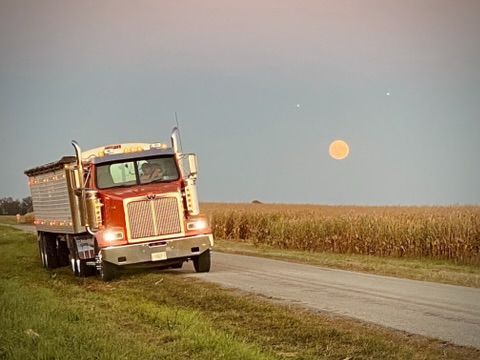
President Trump and U.S. Secretary of Ag Brooke Rollins announced that the USDA is rolling out an $8 billion Harvest Fuel Relief Program to provide one-time payments to farmers.
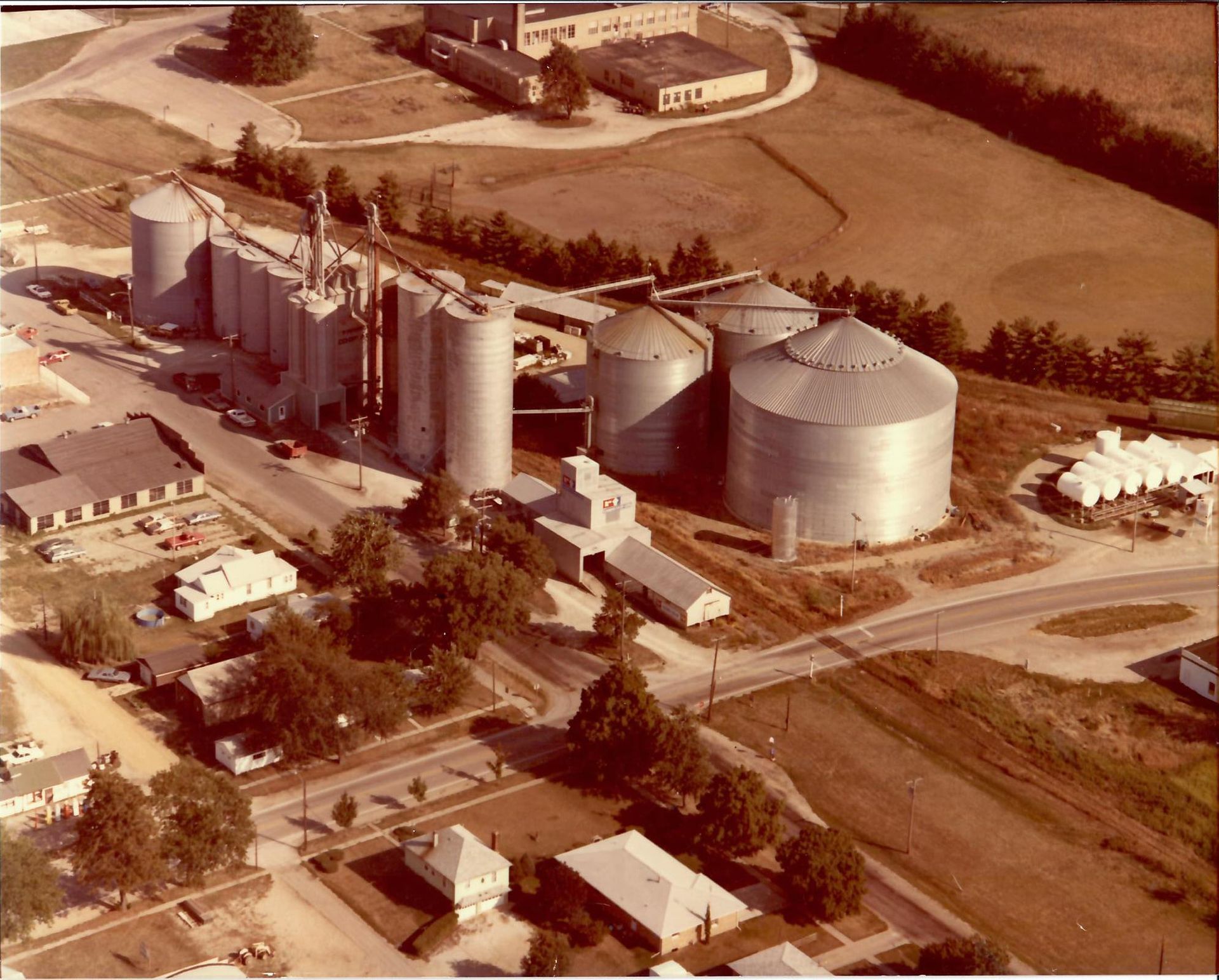
Farmers Co-op in Varna grew from 900,000 to 16.4 million bushels of storage. Watch the video from our Elevator Appreciation Lunch visit.
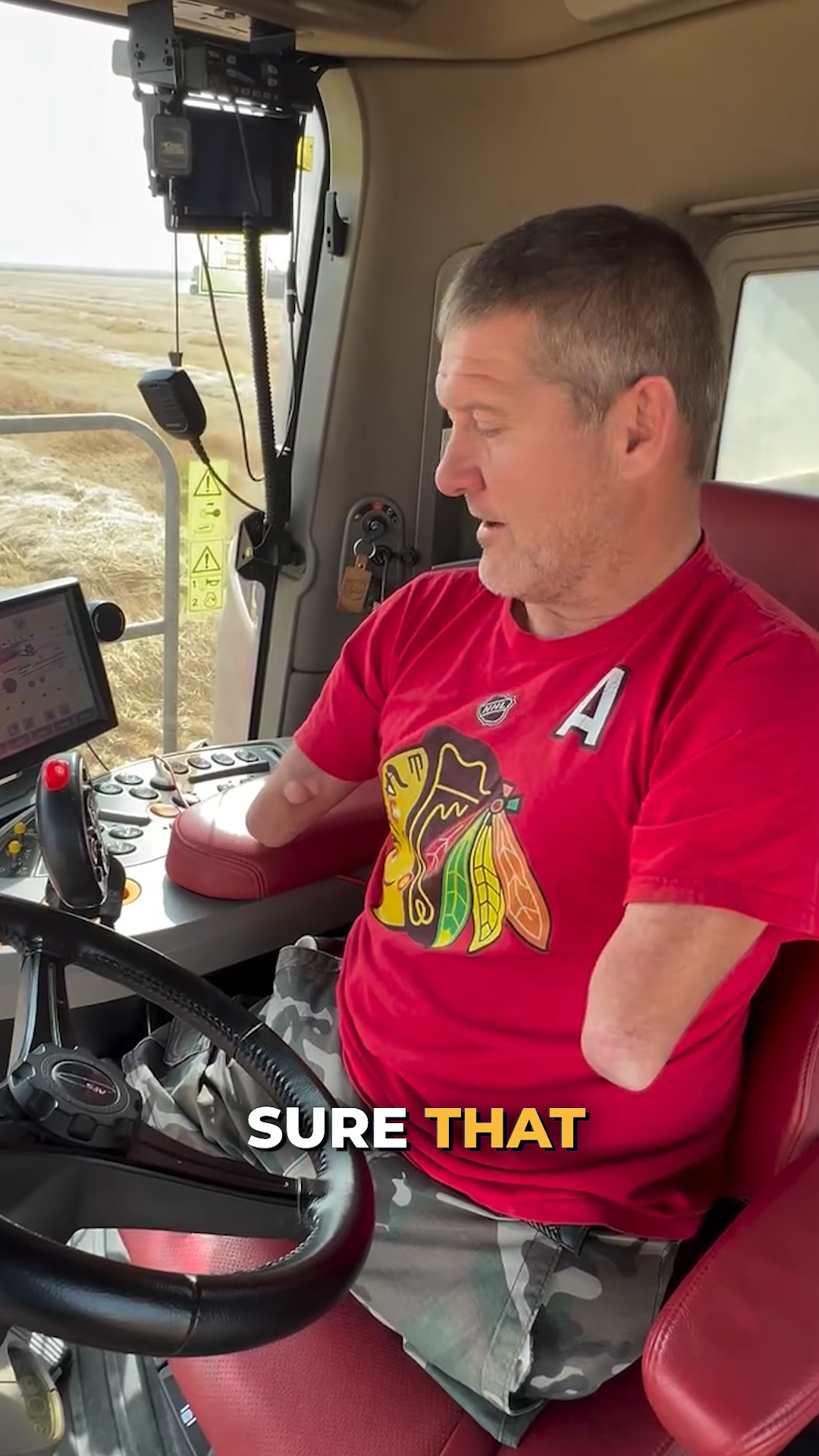
Farmer Chris Koch, born without arms or legs, joins IL Corn TV to talk harvest, hard years and why he fears regret more than failure.
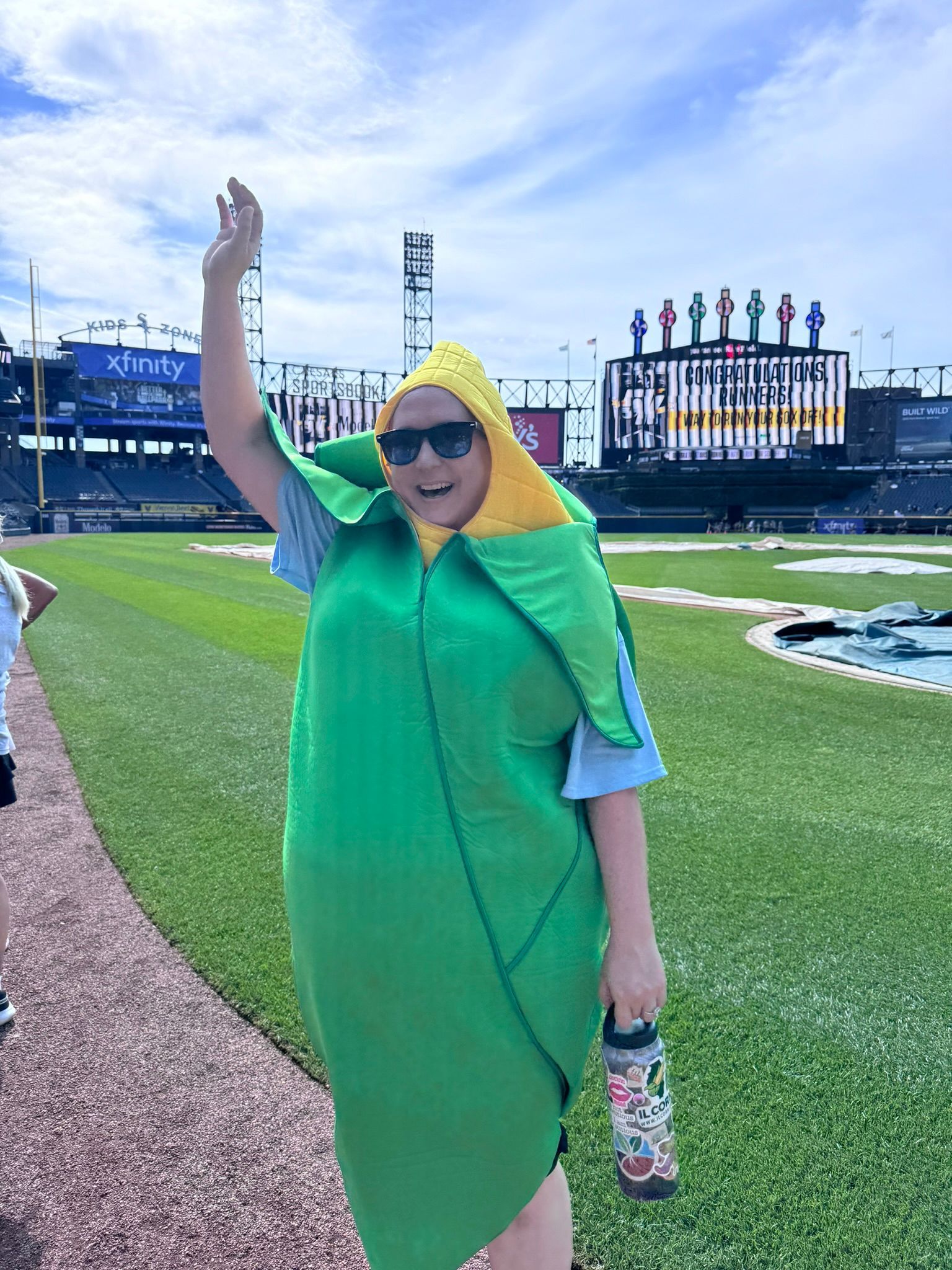
Five years at IL Corn with farming, farmers, corn, and storytelling—with a few hot dogs, viral videos, and plenty of Midwestern waves.
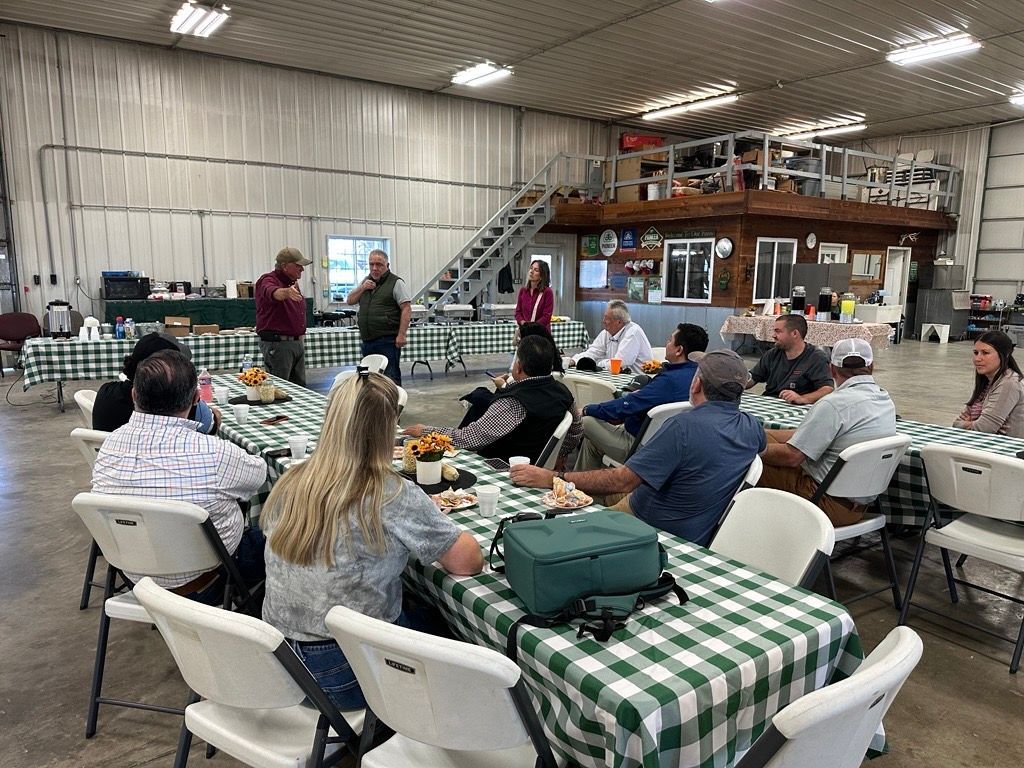
IL Corn & USGBC hosted Mexican masa millers on southern Illinois farms and river terminals, strengthening ties with our top corn customer.
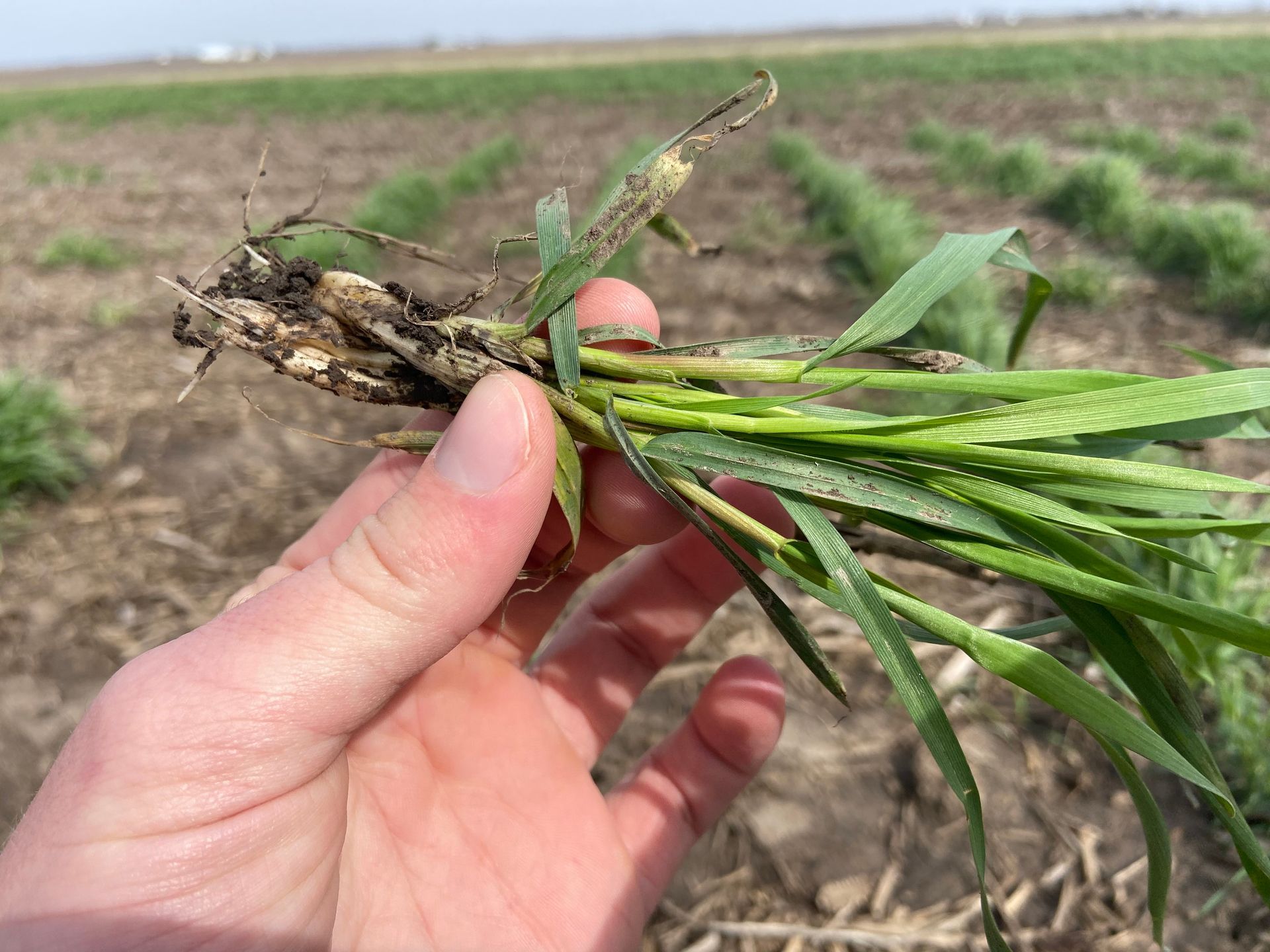
Pre-enrollment opens Nov. 30 for IDOA’s Fall Covers for Spring Savings program, worth up to $5/acre off 2027 crop insurance premiums.
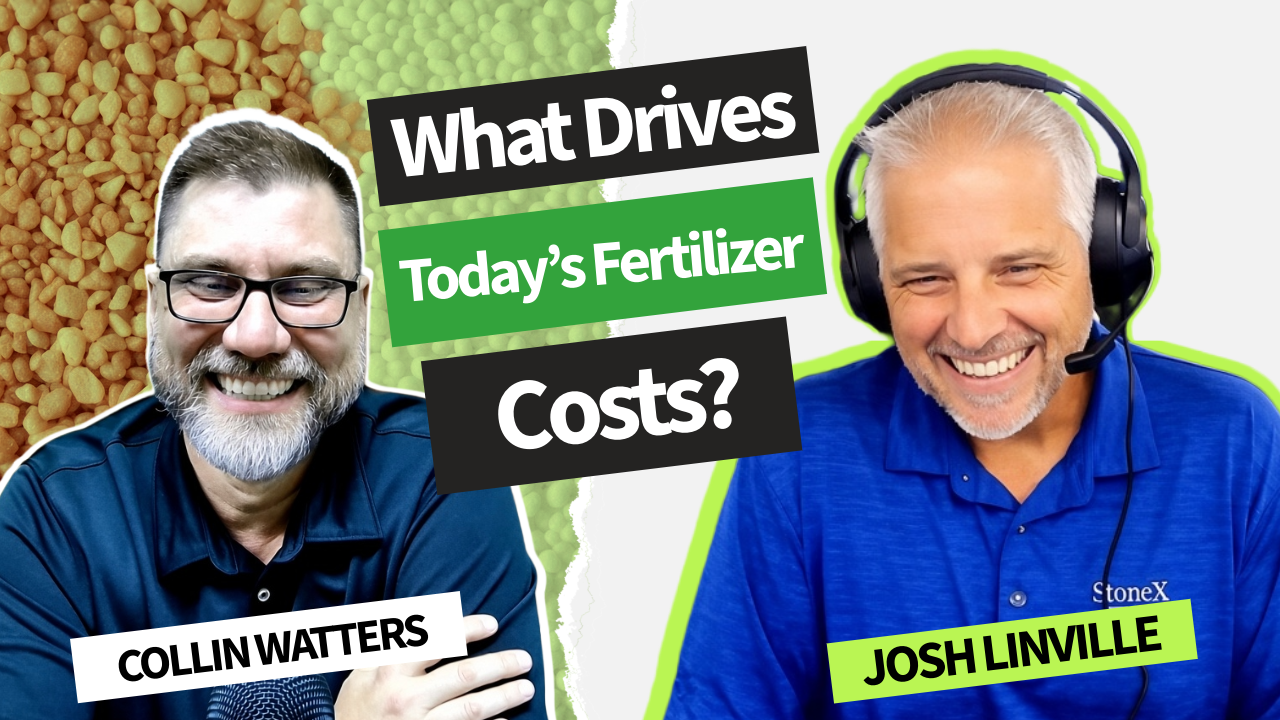
What’s really driving your fertilizer bill? StoneX’s Josh Linville breaks down global supply, competition, and the long-term fix on IL Corn TV.
Illinois Corn and U of I built lease addenda to help farmers and landowners build cover crops, soil health and nutrient goals into rental agreements.