
Higher Ethanol Blends, Healthier Air: A Farmer’s Role in the Solution


By Tara Desmond January 15, 2026

Cleaner Air, Healthier Communities: Why Ethanol Matters

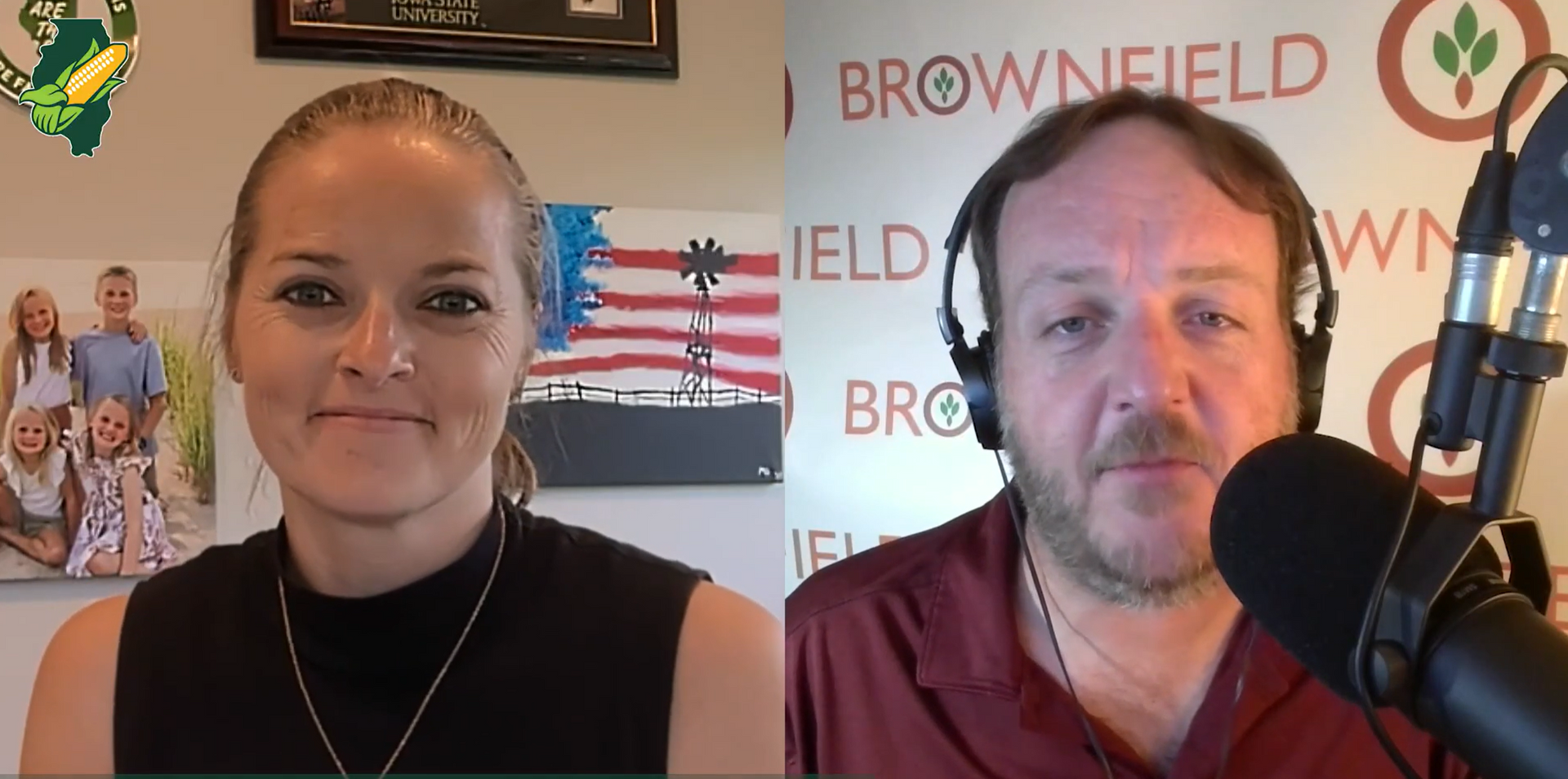
thumbnail of lindsay and bailey on il corn tv

What comes out of a tailpipe doesn’t just affect big cities—it affects farm towns, rural roads, and everyone in between. That’s the message at the heart of the newest IL Corn TV episode featuring Bailey Arnold, Director of Healthy Air Solutions for the American Lung Association.


For more than 20 years, the American Lung Association has supported higher ethanol blends as a cleaner-burning fuel option. As Arnold explains, ethanol replaces harmful gasoline components like benzene, toluene, xylene, and ethyl benzene—compounds linked to serious lung health issues, including cancer and asthma. The result? Fewer toxic emissions and better air quality.


Research conducted alongside partners like the University of Illinois and the Hormel Institute shows a clear trend: the higher the ethanol blend, the greater the emissions reductions. Moving from E10 to E15—and even to E85—means fewer pollutants in the air and lower carbon emissions overall.


While air quality challenges are often associated with urban areas like Chicago, Arnold emphasizes that particulate matter affects rural communities just as much. These microscopic particles can travel deep into the lungs, worsening respiratory conditions regardless of where someone lives.


The conversation also highlights the essential role farmers play in these solutions—not only by producing corn for ethanol, but by adopting conservation practices like no-till and cover crops that reduce erosion and airborne particulates. Together, fuels, farming practices, and innovation form a powerful toolkit for improving public health.


This episode underscores the long-standing partnership between IL Corn and the American Lung Association—and the value of having trusted, third-party voices affirm the benefits farmers help deliver every day.


Watch the full episode of IL Corn TV to learn how ethanol supports cleaner air and healthier communities.


Not a member?

Become one today!

SHARE THIS

Latest Posts

shane and Andrew on il corn tv
By Tara Desmond June 18, 2026
What Illinois Farmers Should Know About the People Opening Global Doors for Their Grain
agronomy angle
By Matt from Becks June 18, 2026
Fungicide Timing and Today's Disease Challenges
milkdonation
By Tara Desmond June 18, 2026
In honor of National Dairy Month, Illinois farmers and IL Corn helped deliver thousands of pounds of milk to food-insecure families.
Evan Leeper
By Lyndi Allen June 17, 2026
Meet Evan Leeper, a fifth-generation farmer working ground in Macon County that his family has farmed since the 1850s. A former infantryman who farms alongside his father and brother-in-law.
U.S. Department of Agriculture Building
By Lyndi Allen June 17, 2026
U.S. Secretary of Agriculture Brooke Rollins announced a historic $125 million annual investment in agricultural research infrastructure across America, an opportunity for Illinois Universities
Baby with Corn Plastic Food Containers
By Pearl McDade June 12, 2026
Explore how corn is converted into PLA bioplastic for cups, food packaging, and 3D printing as demand grows for sustainable materials.
PCMthumbnail
By Tara Desmond June 11, 2026
PCM's 2026 Data Book, featured in this week's Prairie Farmer, shares 11 years of field data proving conservation and profitability go hand in hand.
By Tara Desmond June 11, 2026
How much do you know about the farmers who came before you and the decisions that still shape Illinois agriculture today? That's what University of Illinois student Lyndon Shi set out to explore during his internship with IL Corn . What began as an archival research project became a deeper look at the history of farmer leadership, innovation and advocacy in Illinois. While digging through university archives, Lyndon uncovered an undigitized manuscript from agricultural economist Harold Guither explaining the case for checkoffs. When he mentioned the discovery to IL Corn Director Rod Weinzierl, he got an unexpected response: "Oh yeah, I know him. We worked with him." It was a reminder that agricultural history isn't as distant as it may seem. Lyndon's research connected two eras of the IL Corn Growers Association: the original organization founded in the 1890s and the modern ICGA established in the 1970s. He learned how University of Illinois agriculture dean Eugene Davenport helped organize corn growers and sent professors across the state on "Corn Gospel Trains" to share the latest farming research. One story stood out in particular: the adoption of hybrid corn. Farmers who once judged corn by the appearance of the ear had to shift their focus to yield. Lyndon sees a similar transition today, as farmers increasingly balance yield with profitability amid rising input costs. "Illinois corn farmers are very good at organizing, and they are genuinely very grassroots," Lyndon said. "They've had a much more active role in shaping policy rather than just being on the receiving end." This Summer and Fall, Lyndon will travel to Taiwan on a federal scholarship to study food security. He'll do so with a new appreciation for Illinois agriculture's global connections, including Taiwan's longstanding role as an important trading partner. Watch the full conversation on IL Corn TV to hear Lyndon's research firsthand and discover how Illinois corn's history continues to influence the future.
Matt at USAPEEC Strategic Conference
By Tara Desmond June 11, 2026
IL Corn director Matt Raben was elected to USAPEEC's executive committee at the organization's 37th Annual Meeting this week.
Green world map with black curved arrows linking North America to Europe and Asia
By Lyndi Allen June 11, 2026
As one of the nation’s top agriculture exporters, Illinois ships corn to buyers across the globe—but where is it all going
Show More