Illinois Agriculture Collaborates to Make an Impact
May 23, 2024
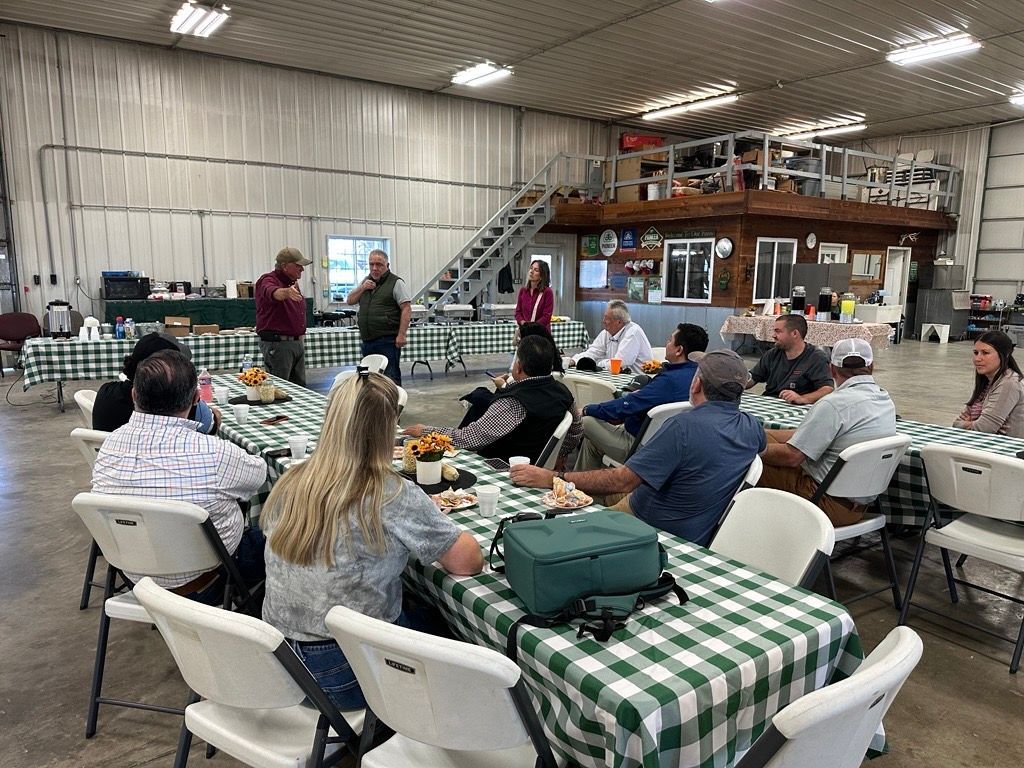
Illinois agriculture worked together this week magnifying farmer voices on a collection of topics.
1. Supporting the Livestock Industry
- Farmer led organizations signed a letter supporting language in the House’s farm bill that prevents a segmented marketplace for livestock producers. The legislation challenges California’s infamous Proposition 12 and reinstates market certainty for Illinois farmers. Proposition 12 impacts the Illinois pork industry which supports nearly 34,000 jobs and contributes $3.3 billion to the economy.
2. Support for a Bipartisan farm bill
- The IL Corn Growers Association (ICGA) and the Illinois Soybean Association penned a letter to some members of the House Committee on Agriculture requesting a bipartisan, honest farm bill. The letter highlighted the legislation’s additional funding for market development and crop insurance coverage. However, it raised questions on additions to Title I made at the expense of the Supplemental Nutrition Assistance Program (SNAP).
- “While our top priority is protecting crop insurance, our second is a bipartisan farm bill. We are encouraged by proposals that increase trade program funding and guarantees for ARC. However, we cannot overlook the funding mechanism in the House proposal that undermines SNAP programs Americans rely on and creates a clear partisan divide,” said the letter.
“As an industry and state, it is important we stand alongside and support each other,” ICGA President Dave Rylander said. “As the farm bill and other policies progress, we will continue to work together on issues impacting our memberships.”
By Lyndi Allen
•
September 3, 2026
This week, U.S. Secretary of Agriculture Brooke L. Rollins announced the U.S. Department of Agriculture (USDA) Data Modernization Plan to put Farmers First, reduce unnecessary burdens on producers, and improve the timeliness, accuracy, and usefulness of the data that informs agricultural decisions. USDA data informs crop and livestock estimates, risk-management tools, disaster assistance, and critical business decisions made by farmers, ranchers, agribusinesses, researchers, and policymakers. In February 2026, Secretary Rollins issued a Request for Information seeking feedback on the opportunities, challenges, and emerging areas in USDA data. That feedback helped shape the USDA Data Modernization Plan and its four pillars: Modernize the Data Reporting Experience: USDA will expand use of administrative data, improve mobile access to surveys, explore opportunities to use prefilled information where appropriate, and strengthen coordination across the Department. These changes will reduce duplicative requests and limit the amount of time producers spend reporting information. Enhance Acreage and Yield Estimation: USDA will conduct a pilot to evaluate the use of improved satellite imagery, geospatial tools, crop models, and other emerging technologies combined with essential producer-reported information to enhance acreage and yield estimations. USDA will also assess the use of optional field inputs to enhance and ground truth yield estimates and continue advancing yield research through collaboration with agricultural partners and land-grant universities. Integrate Data and Technology Platforms: USDA will modernize its technology infrastructure, expand secure data-sharing capabilities, and evaluate the responsible use of tools such as artificial intelligence and machine learning. Better integrated systems will improve efficiency, reduce duplication, and allow USDA to produce more timely and useful information. Expand Trust and Transparency with Producers: USDA will protect producer privacy, clearly explain why information is requested and how it is used, and create additional opportunities for producers to provide feedback. USDA will also improve communication surrounding reports, methodologies, response rates, and data limitations. USDA will begin implementing actions under the plan immediately and will continue engaging farmers, ranchers, and agricultural stakeholders throughout the process. The Department will evaluate new approaches carefully, protect privacy and confidentiality, and publish clear methodologies and supporting information to maintain the integrity of USDA’s agricultural statistics. See USDA’s Full Data Modernization Plan