
USDA Invests $125 Million in Ag Research Facilities


By Lyndi Allen June 17, 2026

U.S. Secretary of Agriculture Brooke Rollins announced a historic $125 million annual investment in agricultural research infrastructure across America, opening the fiscal year (FY) 2026 funding opportunity for the Research Facilities Act Program.


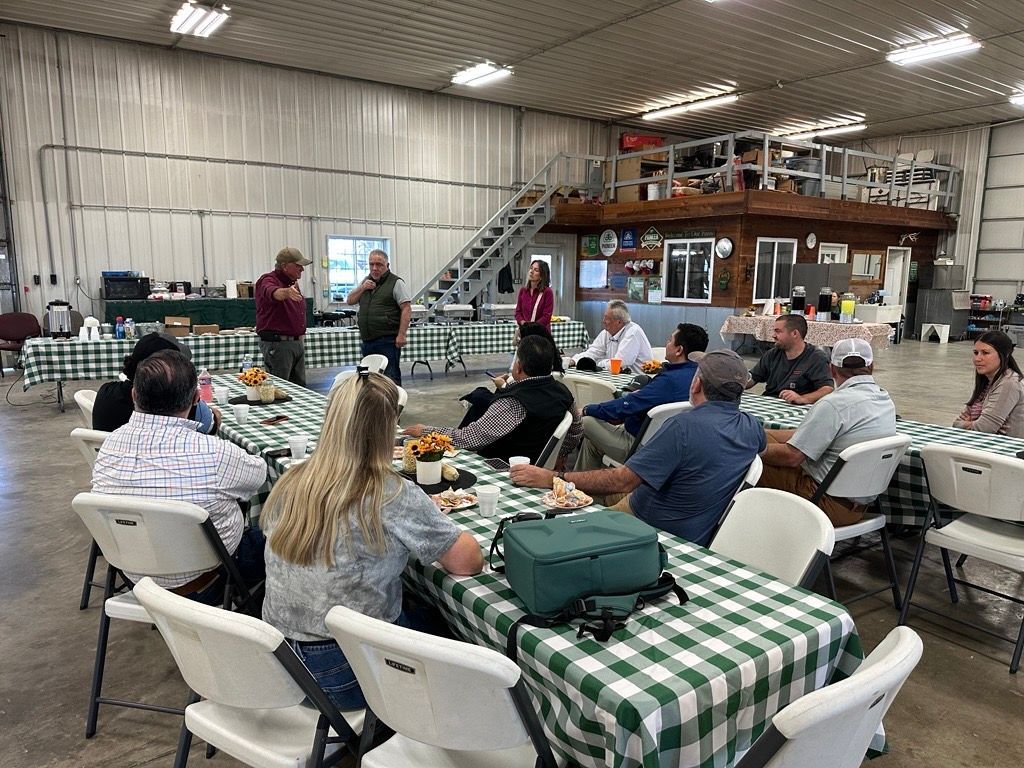
The announcement came on June 15 at the U.S. Department of Agriculture (USDA), where Secretary Rollins and U.S. Secretary of Education Linda McMahon hosted land-grant university leaders for a roundtable discussion. The funding was made possible by President Trump’s Working Families Tax Cuts, which provided $125 million annually for the program.


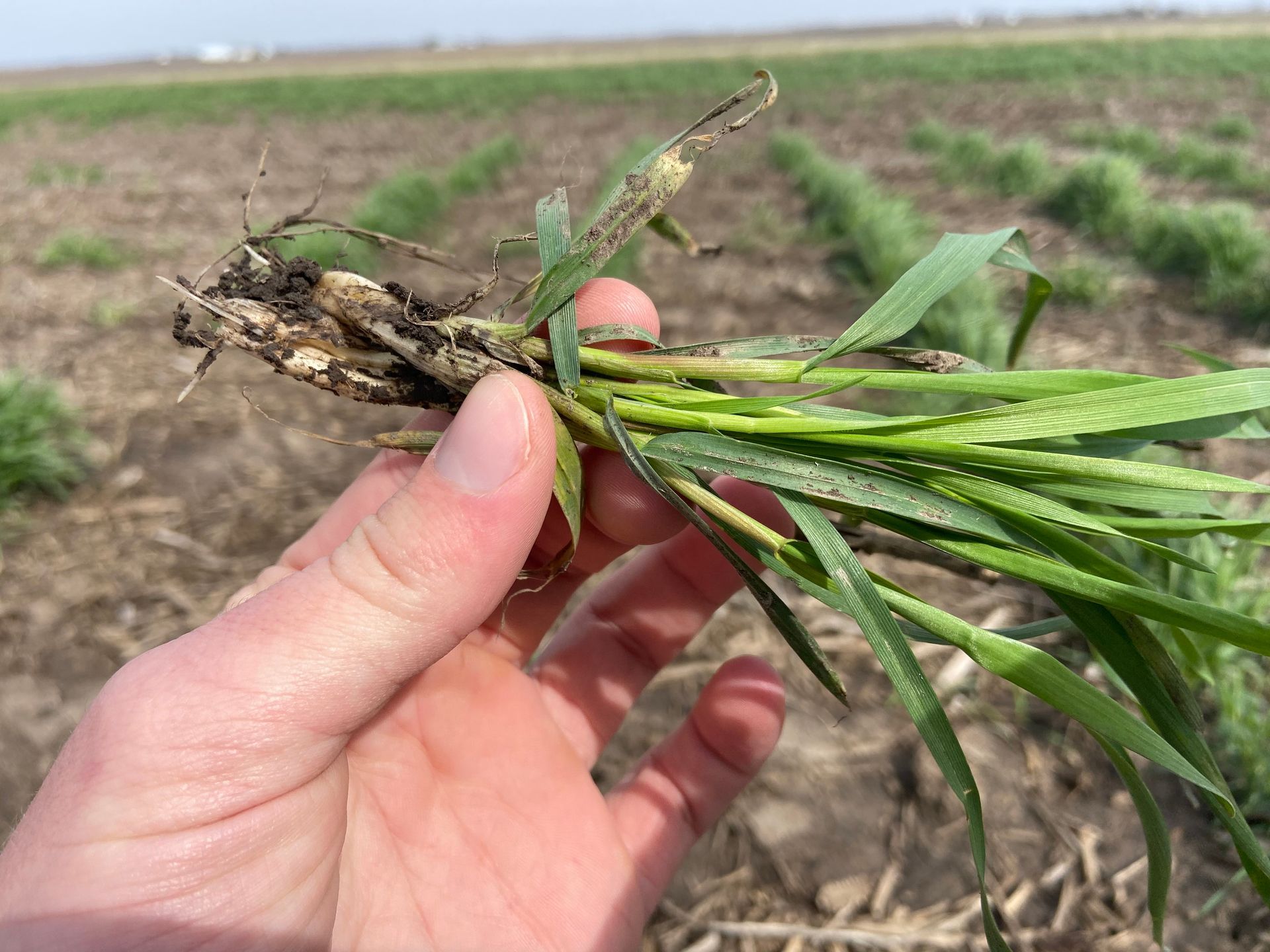
The research that improves your yields, protects your crops, and opens new markets often starts inside a university lab, making this grant impactful for corn farmers. This investment allows agricultural research facilities to invest in renovations, expansions, and construction projects.


Illinois universities have driven agricultural innovation for generations, turning research into real-world results that reach farms across the nation. The University of Illinois helped shape agriculture by pioneering advances from hybrid corn to modern conservation practices, while Southern Illinois University Edwardsville is driving research in corn-based ethanol and biochemicals. This work helped shape Illinois agriculture.


The Research Facilities Act program is designed to ensure that the work is done in well-equipped facilities. USDA’s National Institute of Food and Agriculture (NIFA) will administer competitive funding to strengthen agricultural research capacity.


How the funding works

To keep a strong local investment and protect taxpayer dollars, applicants must provide a dollar-for-dollar non-federal cash match. Eligible entities may receive funds for only one project at a time. Projects will be funded at four levels:

  • Level I – Planning Grants: $100,000 to $200,000 for needs assessments, site surveys, preliminary designs, and cost estimates
  • Level II – Small Facility Upgrades: $250,000 to $2 million for renovations and lab modernization
  • Level III – Mid-Scale Construction/Expansion: $2 million to $10 million for expansions, specialized research wings, and major retrofits
  • Level IV – Large-Scale Research Complex: $10 million to $30 million for entire new buildings, specialized labs, and controlled environment research facilities


The deadline for applications is July 17, 2026.


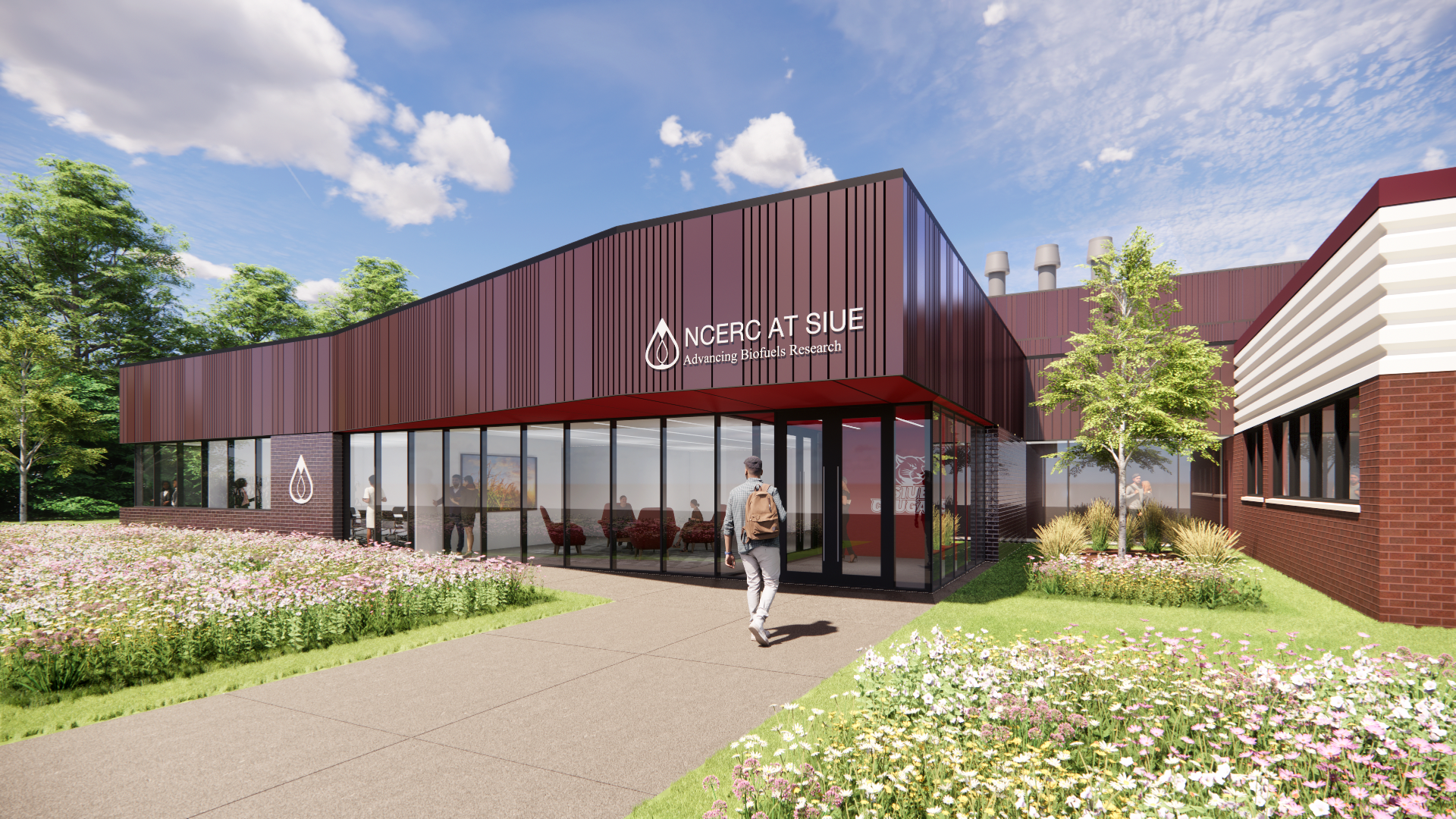
One of IL Corn’s top priorities is for continued funding for the National Corn-to-Ethanol Research Center (NCERC) at Southern Illinois University Edwardsville. This federal program could allow NCERC to expand opportunities for research and development in converting corn to ethanol and ethanol to biochemicals. IL Corn will monitor this funding opportunity and advocate for research investments that keep Illinois farmers competitive at home and around the world.


Read Press Release


Not a member?

Become one today!

SHARE THIS

Latest Posts

Lou Lamoreux Farm
By Tara Desmond September 3, 2026
Livestock farmer Lou Lamoreux talks about his farming operation.
captain Cornelius at shake it up cocktail lounge
By Tara Desmond September 3, 2026
4.29M bushels of U.S. corn fueled beverage alcohol production in July 2026 alone — up 54% from July 2025. Corn's in your Labor Day toast!
aerial view of short corn
By Tara Desmond September 3, 2026
Illinois farmer Steve Fourez tests short stature corn against conventional hybrids, exploring yield potential and late-season management benefits.
USDA building
By Lyndi Allen September 3, 2026
This week, U.S. Secretary of Agriculture Brooke L. Rollins announced the U.S. Department of Agriculture (USDA) Data Modernization Plan to put Farmers First, reduce unnecessary burdens on producers, and improve the timeliness, accuracy, and usefulness of the data that informs agricultural decisions. USDA data informs crop and livestock estimates, risk-management tools, disaster assistance, and critical business decisions made by farmers, ranchers, agribusinesses, researchers, and policymakers. In February 2026, Secretary Rollins issued a Request for Information seeking feedback on the opportunities, challenges, and emerging areas in USDA data. That feedback helped shape the USDA Data Modernization Plan and its four pillars: Modernize the Data Reporting Experience: USDA will expand use of administrative data, improve mobile access to surveys, explore opportunities to use prefilled information where appropriate, and strengthen coordination across the Department. These changes will reduce duplicative requests and limit the amount of time producers spend reporting information. Enhance Acreage and Yield Estimation: USDA will conduct a pilot to evaluate the use of improved satellite imagery, geospatial tools, crop models, and other emerging technologies combined with essential producer-reported information to enhance acreage and yield estimations. USDA will also assess the use of optional field inputs to enhance and ground truth yield estimates and continue advancing yield research through collaboration with agricultural partners and land-grant universities. Integrate Data and Technology Platforms: USDA will modernize its technology infrastructure, expand secure data-sharing capabilities, and evaluate the responsible use of tools such as artificial intelligence and machine learning. Better integrated systems will improve efficiency, reduce duplication, and allow USDA to produce more timely and useful information. Expand Trust and Transparency with Producers: USDA will protect producer privacy, clearly explain why information is requested and how it is used, and create additional opportunities for producers to provide feedback. USDA will also improve communication surrounding reports, methodologies, response rates, and data limitations. USDA will begin implementing actions under the plan immediately and will continue engaging farmers, ranchers, and agricultural stakeholders throughout the process. The Department will evaluate new approaches carefully, protect privacy and confidentiality, and publish clear methodologies and supporting information to maintain the integrity of USDA’s agricultural statistics. See USDA’s Full Data Modernization Plan
Cornfield beside a dirt path under a blue sky with wispy clouds
By Lyndi Allen September 2, 2026
EPA has granted 1.76 billion RIN exemptions to small refiners, raising concerns among farmers and biofuel producers about the potential impact on demand for renewable fuel.
Weekly News
By Lyndi Allen August 28, 2026
News from IL Corn for week ending 8/28/26
Tall green corn plants under a partly cloudy blue sky
By Lyndi Allen August 27, 2026
New tariffs on Canadian goods took effect August 22, a critical market for U.S. agriculture. For Illinois farmers, the concern is what these tariffs could mean for demand.
Golden field at sunset with distant trees and a low farmhouse on the horizon
By Lyndi Allen August 27, 2026
A proposed merger between Union Pacific and Norfolk Southern would create the first true transcontinental Class I railroad in the United States, what does it mean for farmers
By Tara Desmond August 27, 2026
Get to know volunteer Southern Illinois farmer Matt Raben - New IL Corn Marketing Board Chair
Rachel Curry on IL Corn TV
By Tara Desmond August 27, 2026
Behind the Numbers: What's Really Driving Nutrient Loss in Illinois
Show More