What Farmers Want Lawmakers to Understand About Agriculture


By Lyndi Allen July 23, 2026

Lawmakers are surrounded by agriculture every day, but how much do they understand about it? Legislators’ districts and regions can shape how much they know about agriculture, depending on their constituents and the industries within their districts.


Sometimes lawmakers from urban areas can have misconceptions about farming and the agricultural industry due to a lack of firsthand experience. As an organization at IL Corn, we want to give all legislators the opportunity to see a farm operation.


Here are some common misconceptions that farmers want all policymakers to understand about farming and agriculture.


1.  Inputs are costly and heavily regulated

  • Farmers want to grow a bountiful and healthy crop; to do so, they use inputs like pesticides, fertilizer, and herbicides. Farms are generational family businesses, thus farmers are motivated to make decisions that protect their land and water. These inputs are also very costly, so farmers are careful only to use what is needed. In addition, inputs are heavily regulated and need up-to-date application certifications.


2.  Changing farming practices can be costly and time-consuming

  • With new technologies rolling out every year, it can seem easy to adopt new practices that help protect the soil and land of the farm. Unfortunately, these technologies are expensive investments and may take years to yield a return. In addition, each acre can have its own needs and specifications, requiring time to determine what is reliable and profitable. Many new practices take years to implement fully – far from an easy overnight change.


3.  Making the most out of every kernel

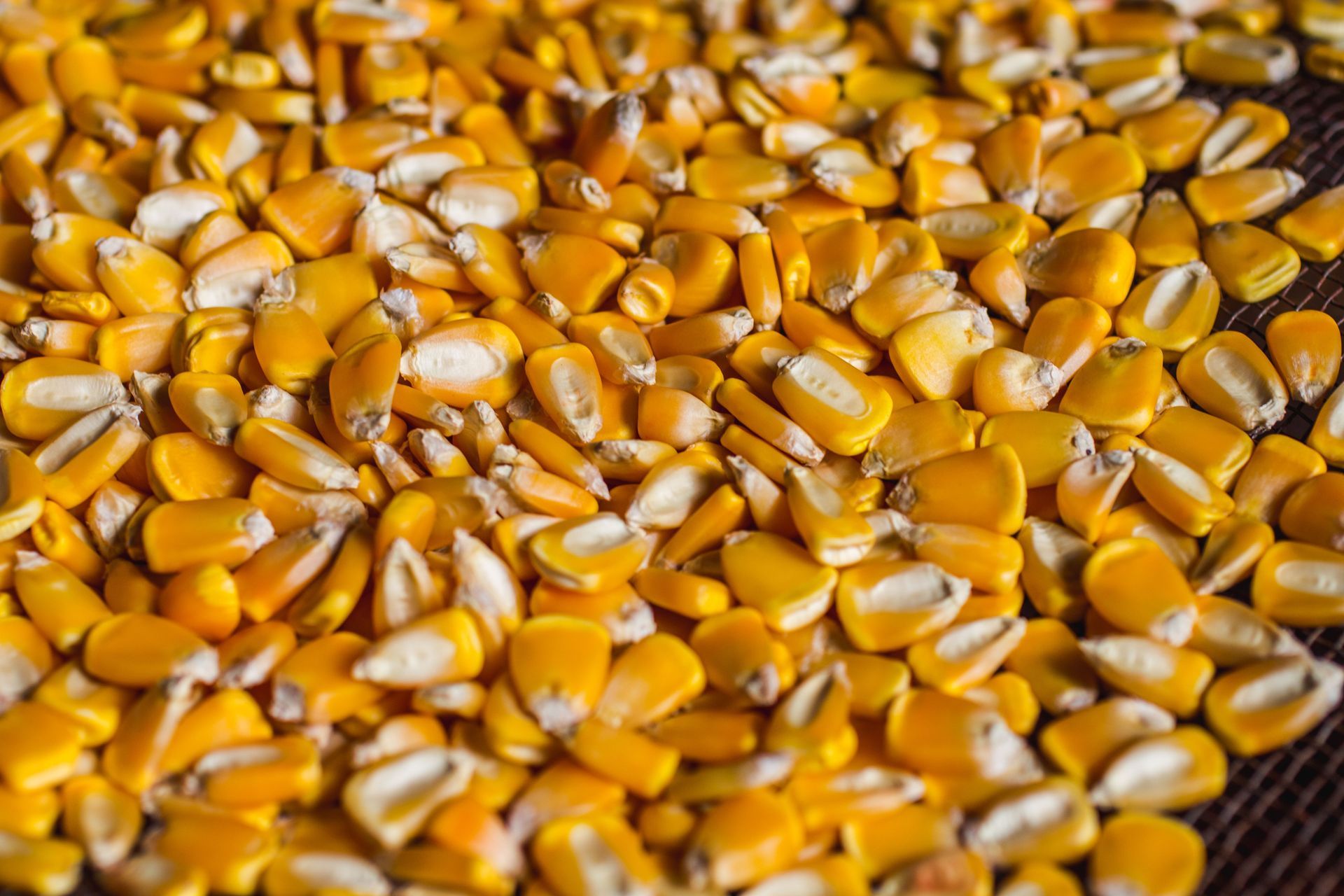
  • Some people claim that ethanol is taking away food from the table, but in reality, technology has advanced over the years. Ethanol plants take the corn kernel and separate the starch, protein, and fiber. The starch is turned into a simple sugar to produce ethanol. The leftover protein and fiber are used to create distillers dried grains with solubles (DDGS) to feed animals like beef and hogs. One bushel of corn creates approximately 2.8 to 2.9 gallons of ethanol and 15 to 18 pounds of distillers dried grains with solubles (DDGS).


4. Decisions on the farm are made far in advance

  • A crop planted in the spring was likely budgeted for in the previous fall, based on input costs, land rent, and the market that can shift long before the harvest. Farmers are making bets on weather, trade, and policy all at once for an entire year’s worth of profit for their livelihood. One decision can affect the future of the operation.


5.  Markets matter

  • Farmers do not want government payments; they want reliable markets to sell their grain. No amount of support payments can fully replace the loss of a reliable customer, like an export market or ethanol plant. The U.S.-Mexico-Canada Agreement (USMCA) is a vital market for corn farmers. Mexico is the number one market for corn, accounting for almost one-third of all exports.  Canada is the number one market for ethanol, accounting for almost one-third of all exports. Many U.S. agriculture exports have Mexico and Canada as their top market.


IL Corn continues to invite lawmakers to farms, as well as provide information on our top priorities. Want to bring your legislator to your farm or have a conversation about farming? Talk to your lawmaker today about your family farm and how certain policies pertain to you by contacting us to connect you with your legislators.


Contact us to connect with your legislator.


Not a member?

Become one today!

SHARE THIS

Latest Posts

Illinois Farmer Ron Miller
By Tara Desmond July 23, 2026
Learn how Illinois farmer Leslie Miller helped pioneer anhydrous ammonia use, transforming corn production and shaping modern nutrient management.
thumbnail of Rod Weinzierl
By Tara Desmond July 23, 2026
Rod Weinzierl breaks down what IL Corn really does — from crop insurance breakthroughs to river infrastructure to advice for the next generation of farmers.
Nicole (York) Racey
By Pearl McDade July 22, 2026
Nicole Racey reflects on her internship with IL Corn, her career in higher education, favorite memories, and advice for IL Corn interns
Tara Harvesting
By Tara Desmond July 22, 2026
Tara Barrett-Duzan left journalism to save her family's farm after tragedy struck twice - a story now told in the documentary "The Farmer's Daughter."
cover crops in an Illinois field
July 16, 2026
2026 Cover Crop Coupon is here. New seed suppliers and application discounts give Illinois farmers more options to save on conservation practices.
Todd Jansen and Laura Gentry
By Tara Desmond July 16, 2026
Ag lawyer Todd Jansen explains Ag Data Transparent, a nonprofit helping farmers understand who owns and controls their farm data before signing contracts.
U.S. Capitol building at sunrise, with the dome centered against a pale sky.
By Lyndi Allen July 16, 2026
Farmer leaders of the IL Corn Growers Association advocated for their peers on Capitol Hill in Washington, DC. The National Corn Growers Association (NCGA) also held its annual Corn Congress
Jim Isermann on his farm
By Tara Desmond & Jim Isermann July 14, 2026
Thinking about planting cover crops ahead of corn? Soil Health Specialist Jim Isermann shares practical tips on species selection, timing and management for success.
corninillinois
By Tara Desmond July 9, 2026
Top read stories in June
By Tara Desmond July 9, 2026
When Shane Gray sat down with Monica Ognio for this episode of IL Corn TV , they quickly discovered they had more in common than corn and onions. Monica farms with her family in Lima, Peru, where they've grown onions for export for more than 40 years. Their operation also raises sweet potatoes, pecans, pomegranates, strawberries and grapes for pisco on land transformed from desert through reservoirs, wells and drip irrigation. "You can have on one side the whole desert, and then you turn to the other side," she says. A Shared Passion for Teaching and Farming Like Shane, Monica has balanced farming with a career in education, teaching at an international school. Their shared experiences led to a conversation about women in agriculture, global markets and what it takes to produce a high-quality crop. Monica joined the Global Farmer Network after a chance conversation during a farm visit and now connects with farmers worldwide to share ideas on food security, weather challenges and everyday farming solutions. "Having a firsthand connection with somebody... that's a privilege," she says. Farming Challenges Know No Borders With 2026 recognized as the International Year of the Woman Farmer, Monica reflected on becoming a second-generation farmer and encouraged others to build strong teams and rely on trusted experts. "It doesn't matter your age, it doesn't matter the gender," she says. "If you really look at agriculture as an opportunity, there are lots of things that you can do." Many of the challenges she faces mirror those in Illinois, including unpredictable weather, rising input costs, pest pressure and meeting strict export standards where even a small blemish can keep an onion out of the international market. Watch or listen to the full conversation on IL Corn TV to hear more about farming Peru's desert coastline, exporting to a changing global market and the lessons Monica has learned along the way.
Show More