


A $15 million investment in NCERC at SIUE will expand the facility and provide opportunities for new bioproducts using corn to scale to commercialization.
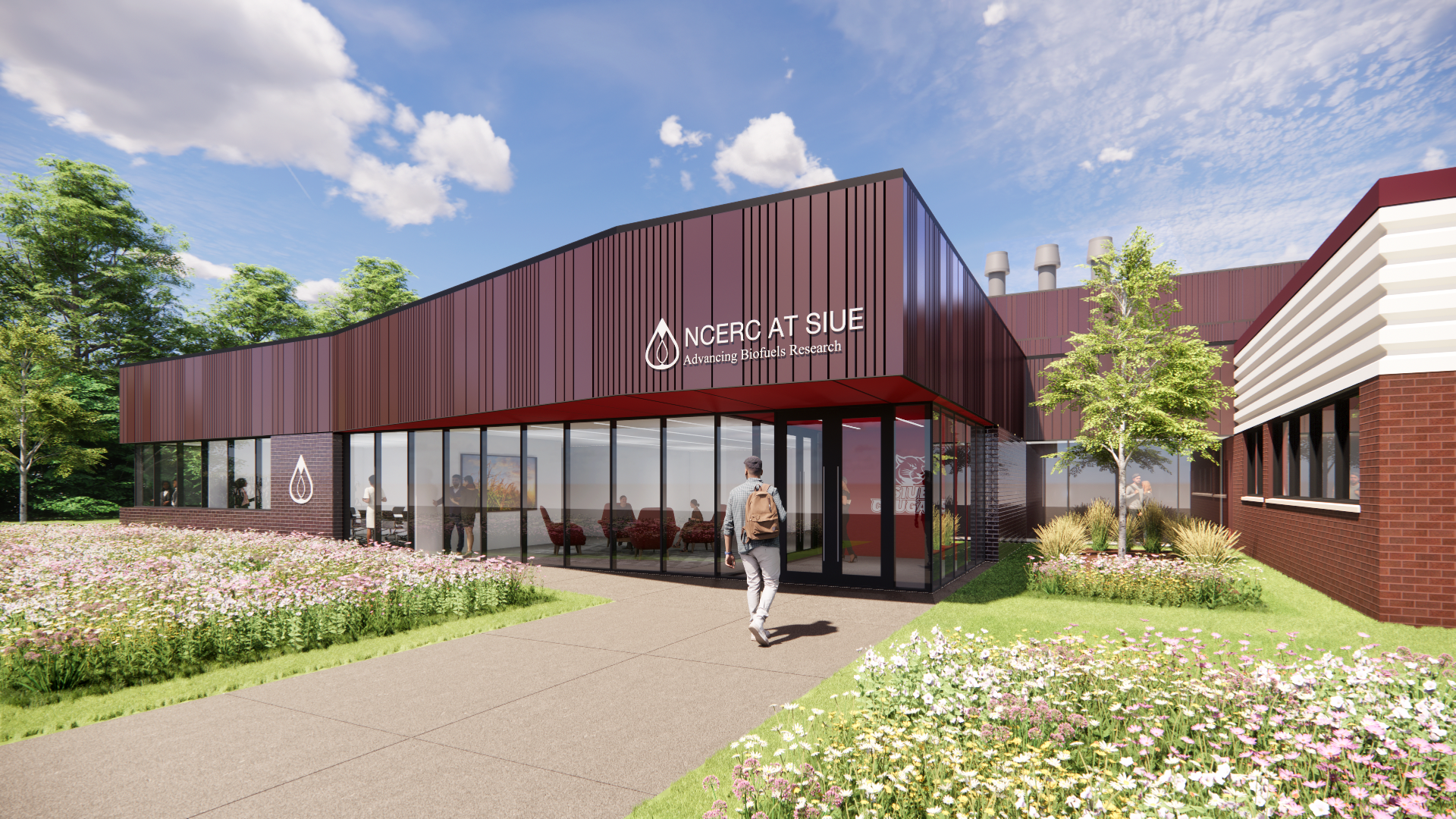
Fully funding an expansion of NCERC at SIUE will allow the testing and trials required for new corn products to scale in Illinois.

DeWitt County farmer John Klemm shares how exporting beef helps corn and an early look at a slow, wet start to his 2026 harvest.
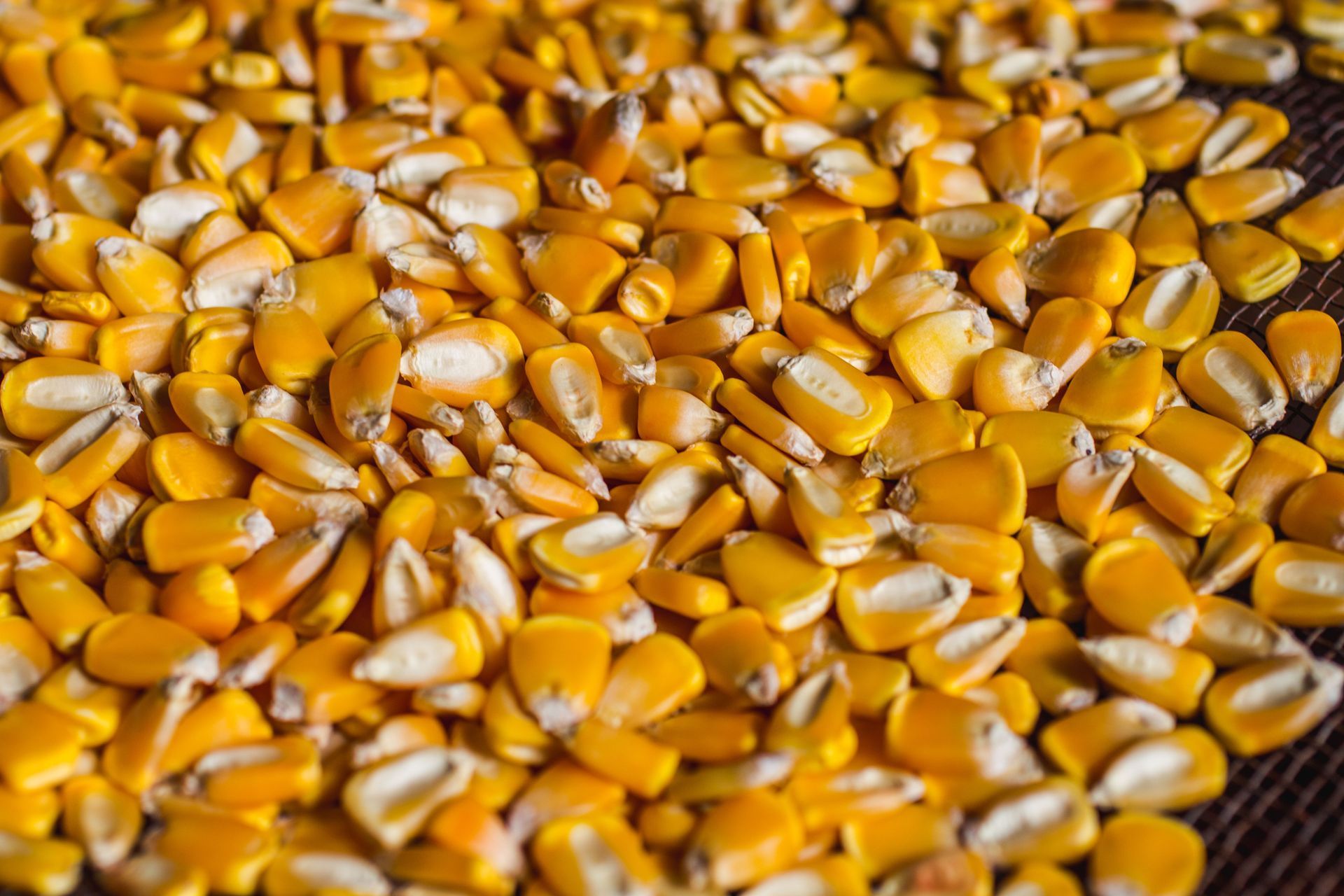
Illinois corn farmers are grateful for Governor Pritzker’s effort to lower diesel prices for farmers this fall.
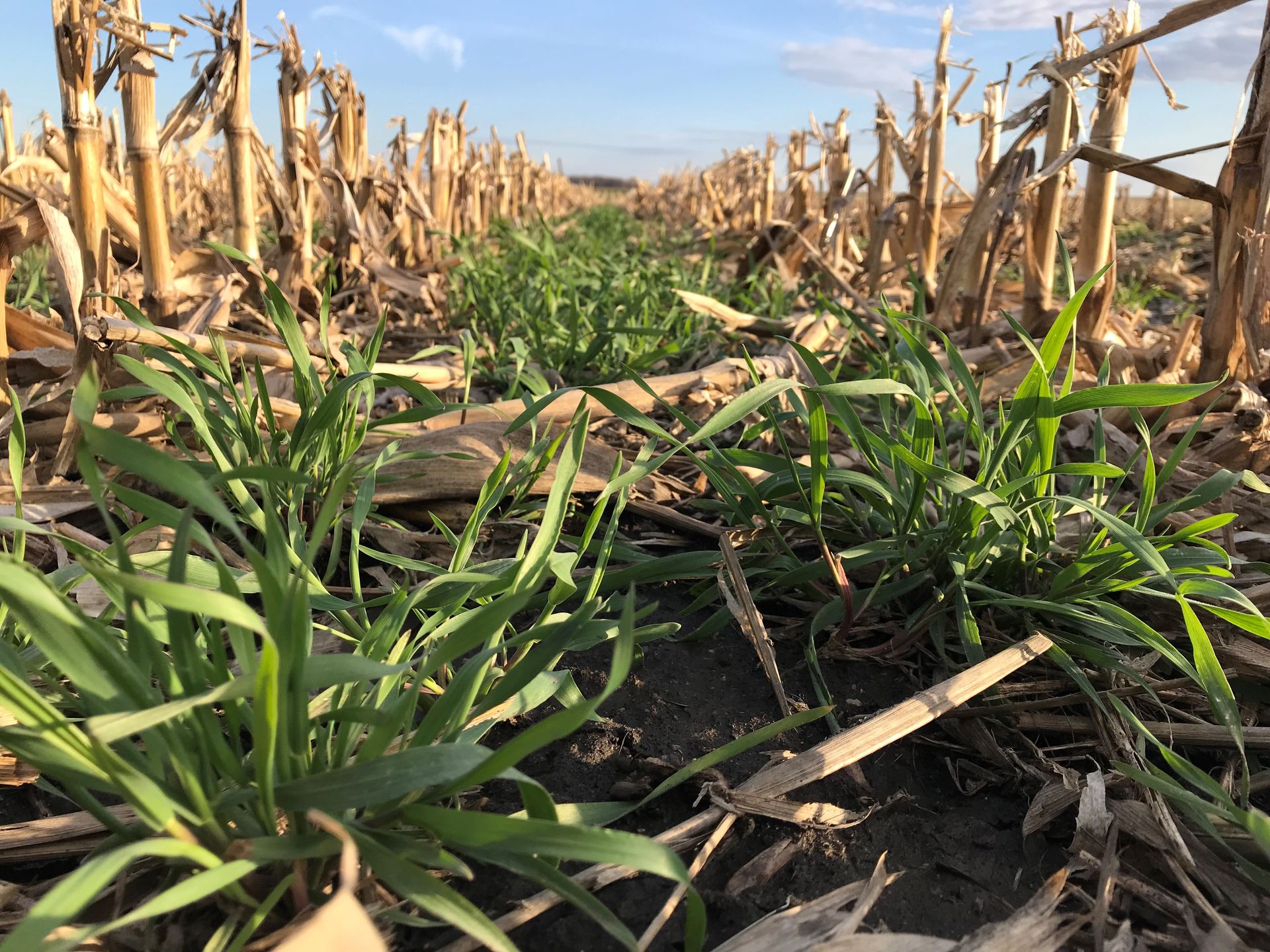
Precision Conservation data shows growing cover crops costs Illinois corn farmers $27.30 an acre to deliver carbon benefits. See how conservation payments compare.
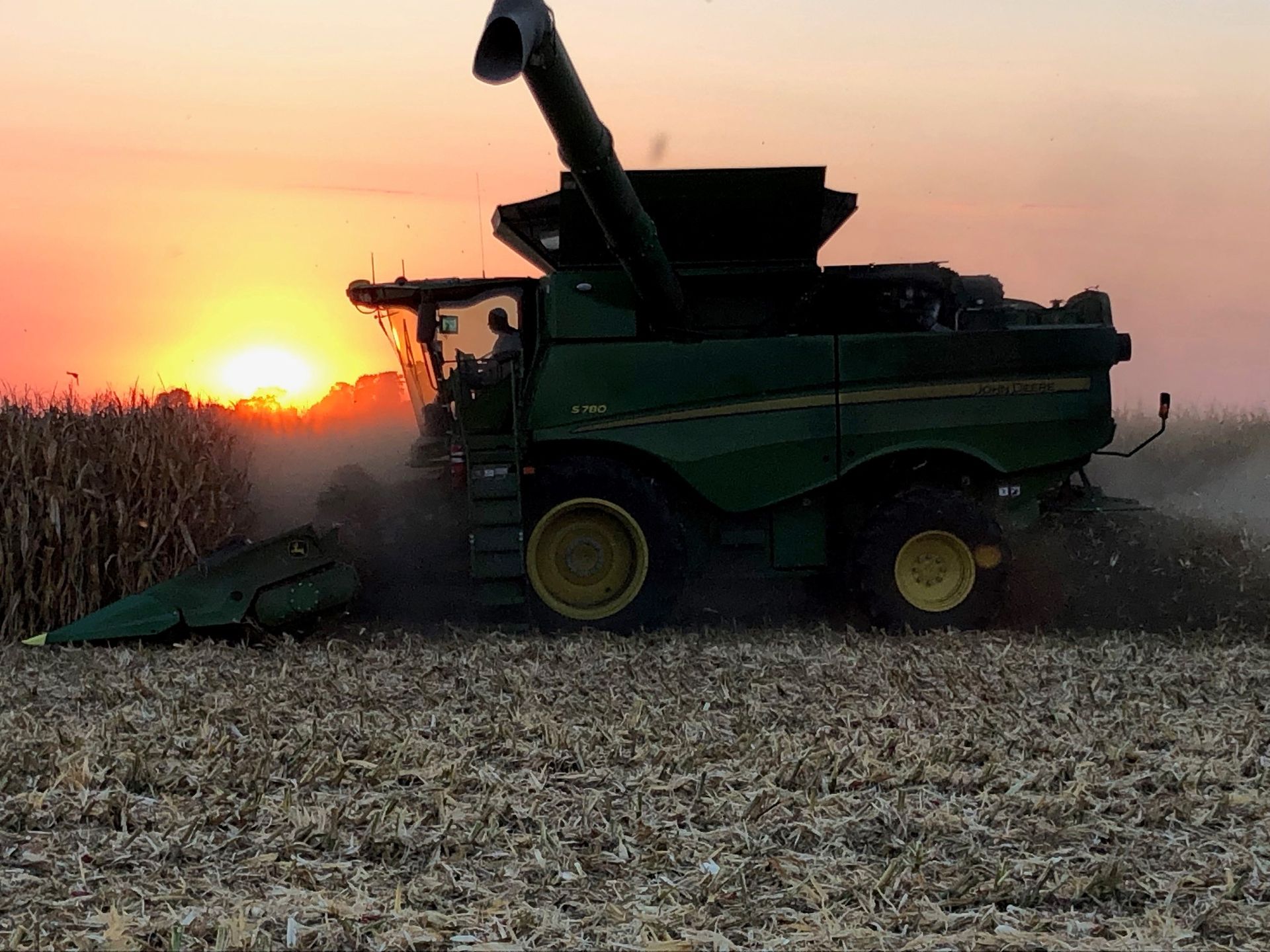
Recent federal and state actions provide potential relief for Illinois farmers facing high costs during harvest, including diesel fuel and grain storage.
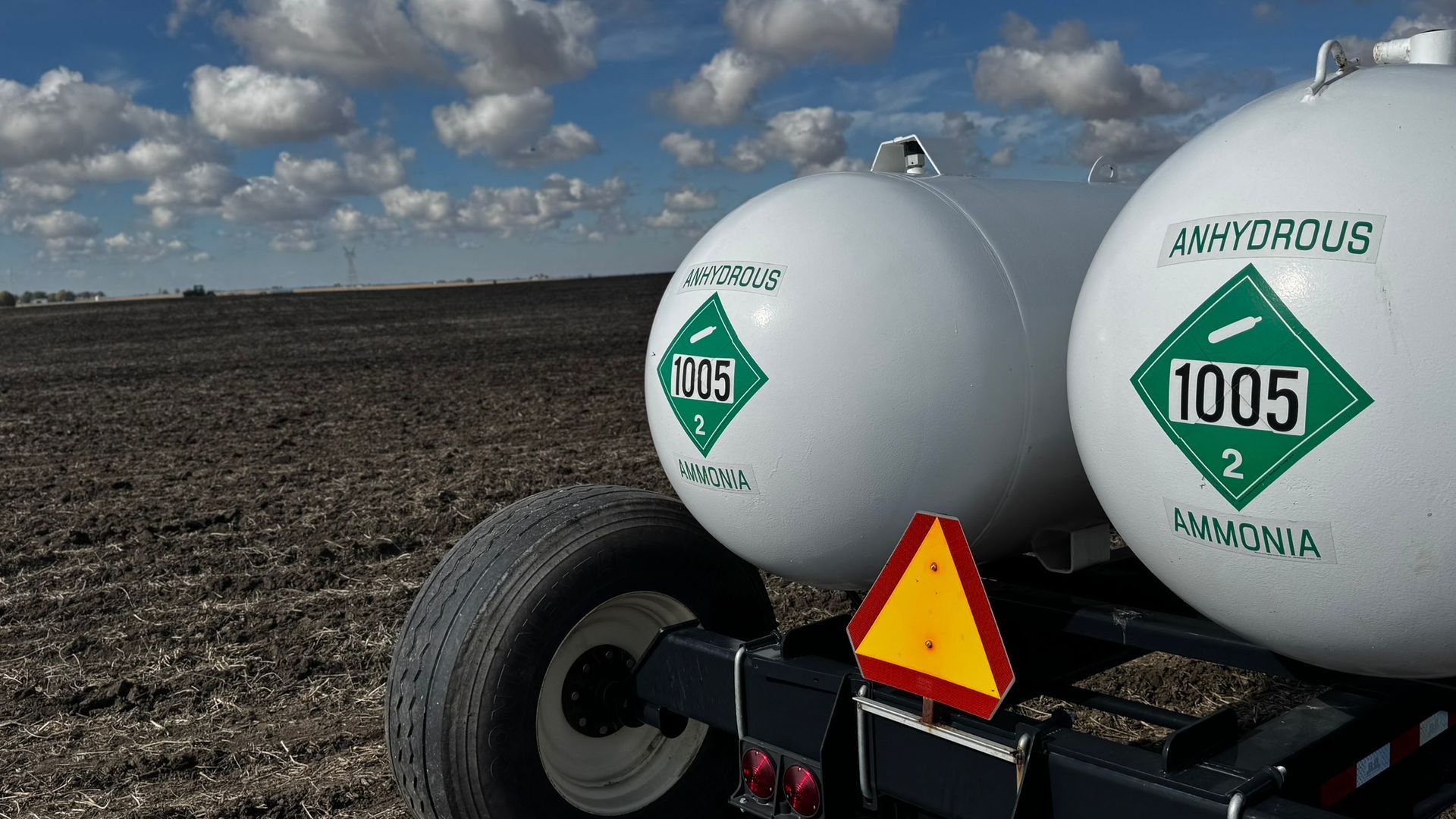
Wait for 50°F soil, watch the forecast, and give your N a chaperone. Seven fall nitrogen tips to keep your money in the field, not the creek.

Farm Babe shares how she got Burger King to drop an anti-cattle ad and why farmers' voices matter.

Carle Health nurses explain the free Vial of Life, a fridge-stored medical info kit that helps first responders act fast in a farm or home emergency.
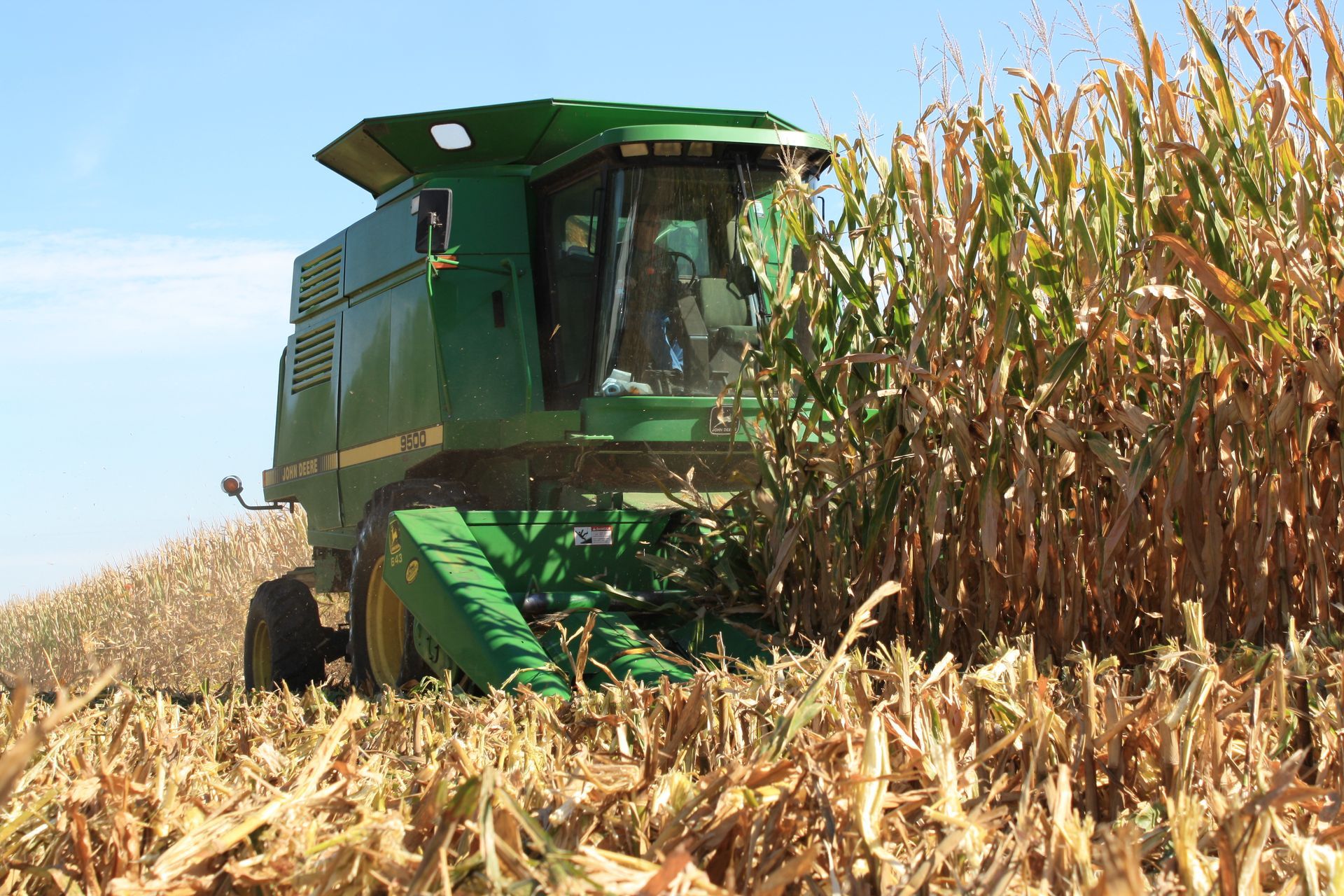
As Illinois farmers enter the harvest season, ICGA is asking state and federal policymakers to find ways to lower the cost of diesel fuel for farmers.