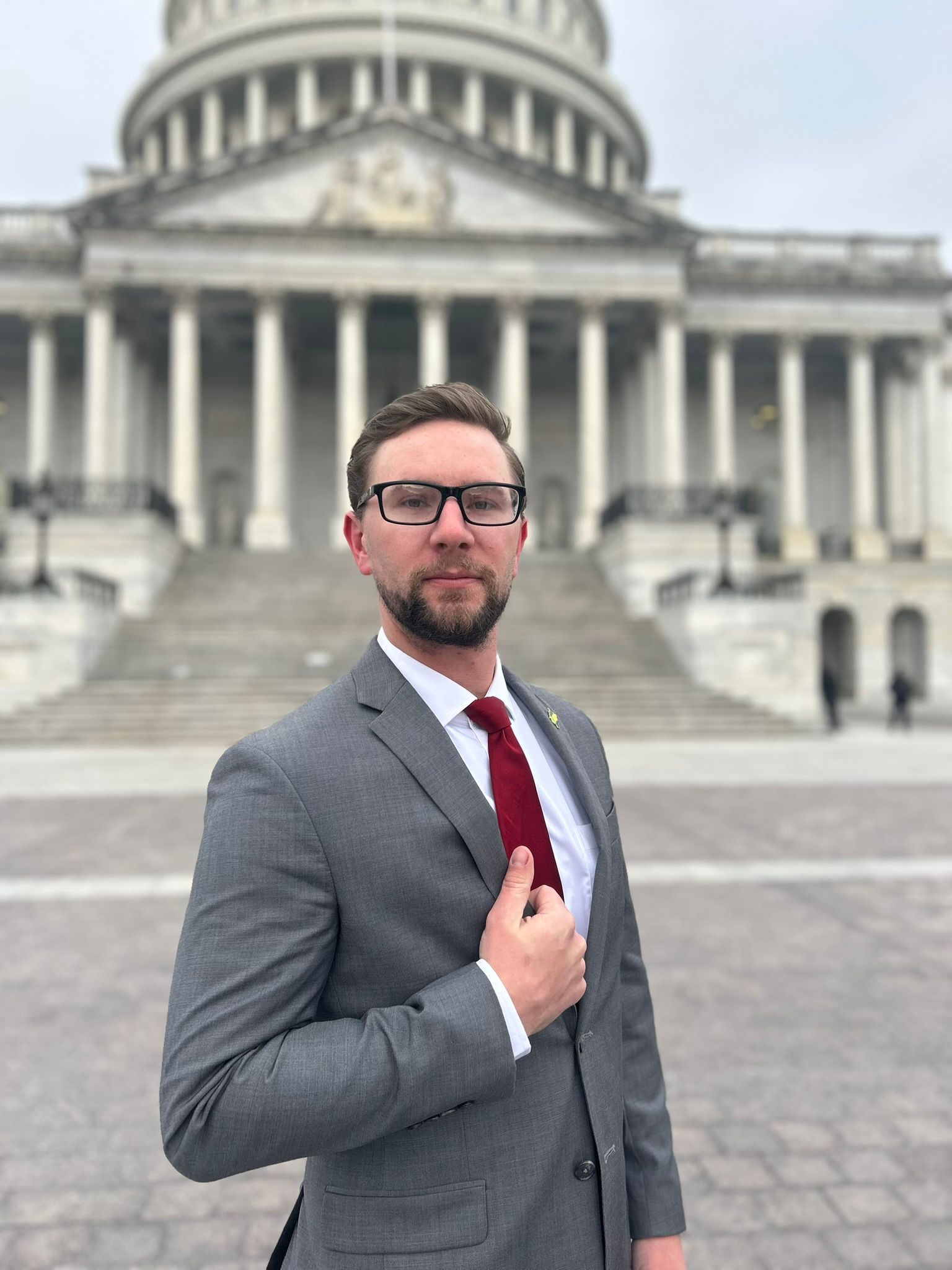
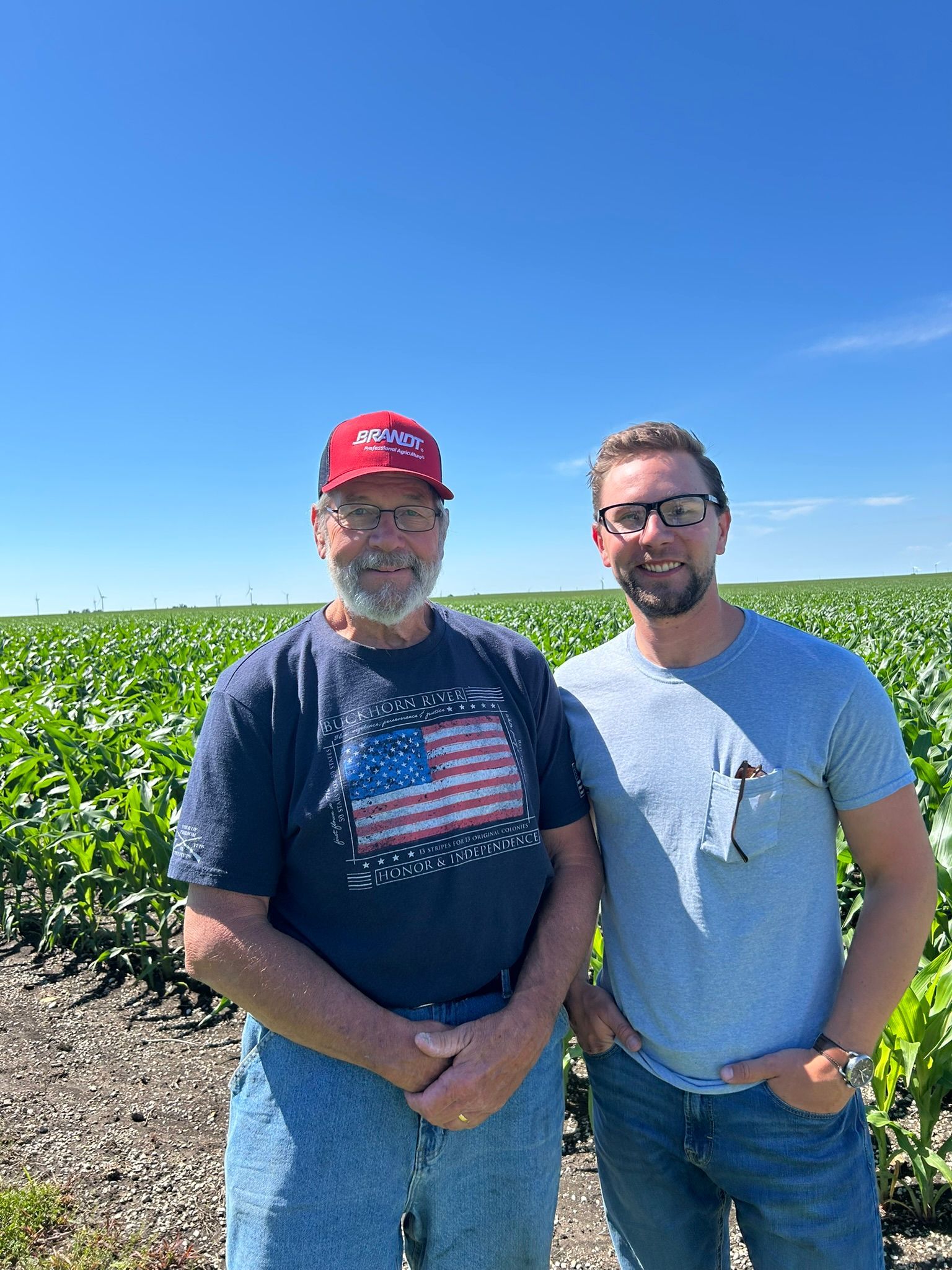
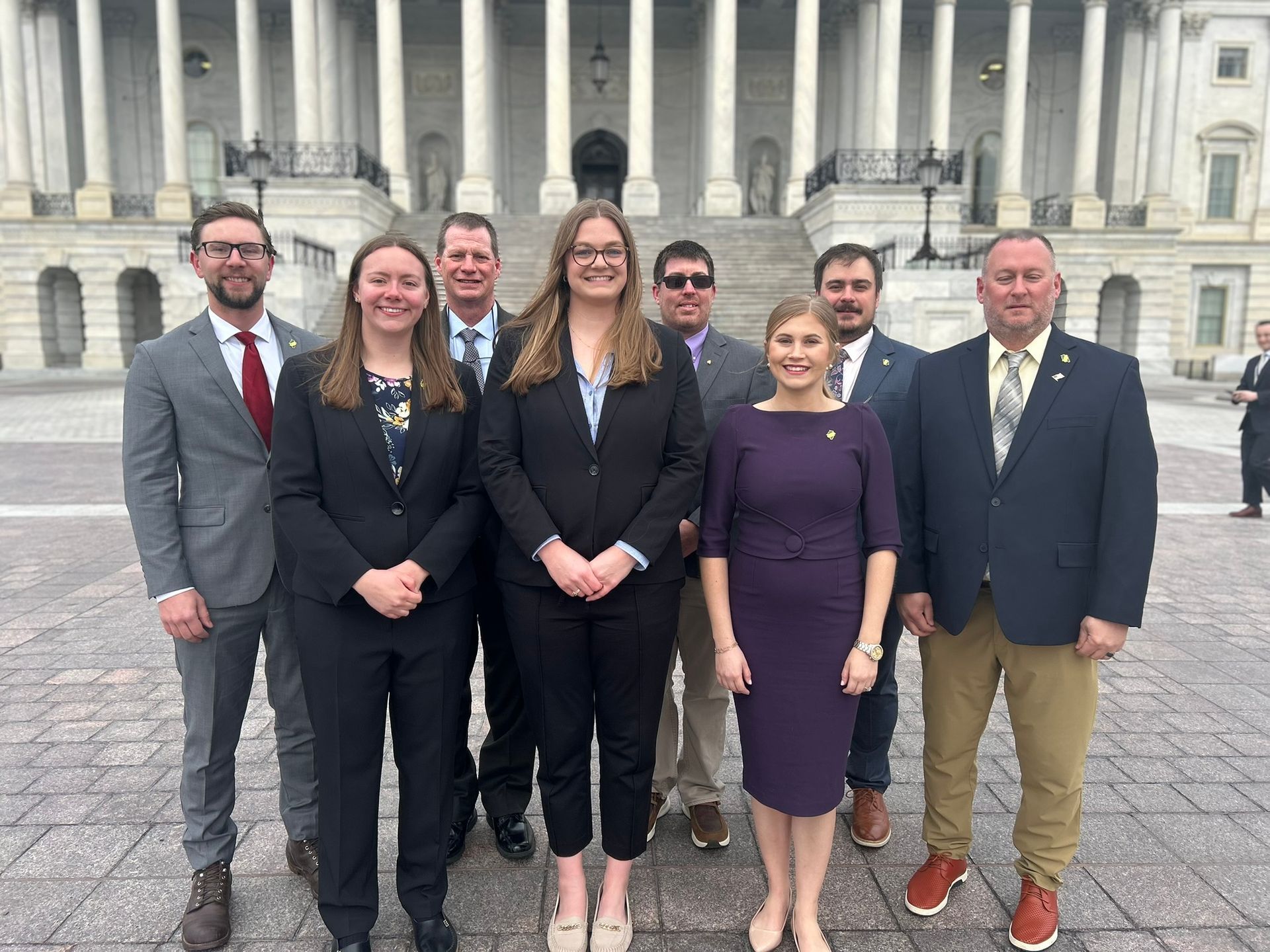
A sixth-generation farmer from Chenoa, IL, Andrew Jolly is carrying on his family’s farming legacy while learning how to make his voice heard in agricultural policy as a
2026 GROW participant.
Q: Tell us about yourself and your farm. Where are you located, and how did your family come to farm this ground?
A:
I’m a sixth-generation farmer in Chenoa, Illinois. My family has been farming this ground since 1864, after coming to the United States from Germany. Our family was among the first one or two farming families in the county.
Q: Is this a multi-generational operation, and what do you grow?
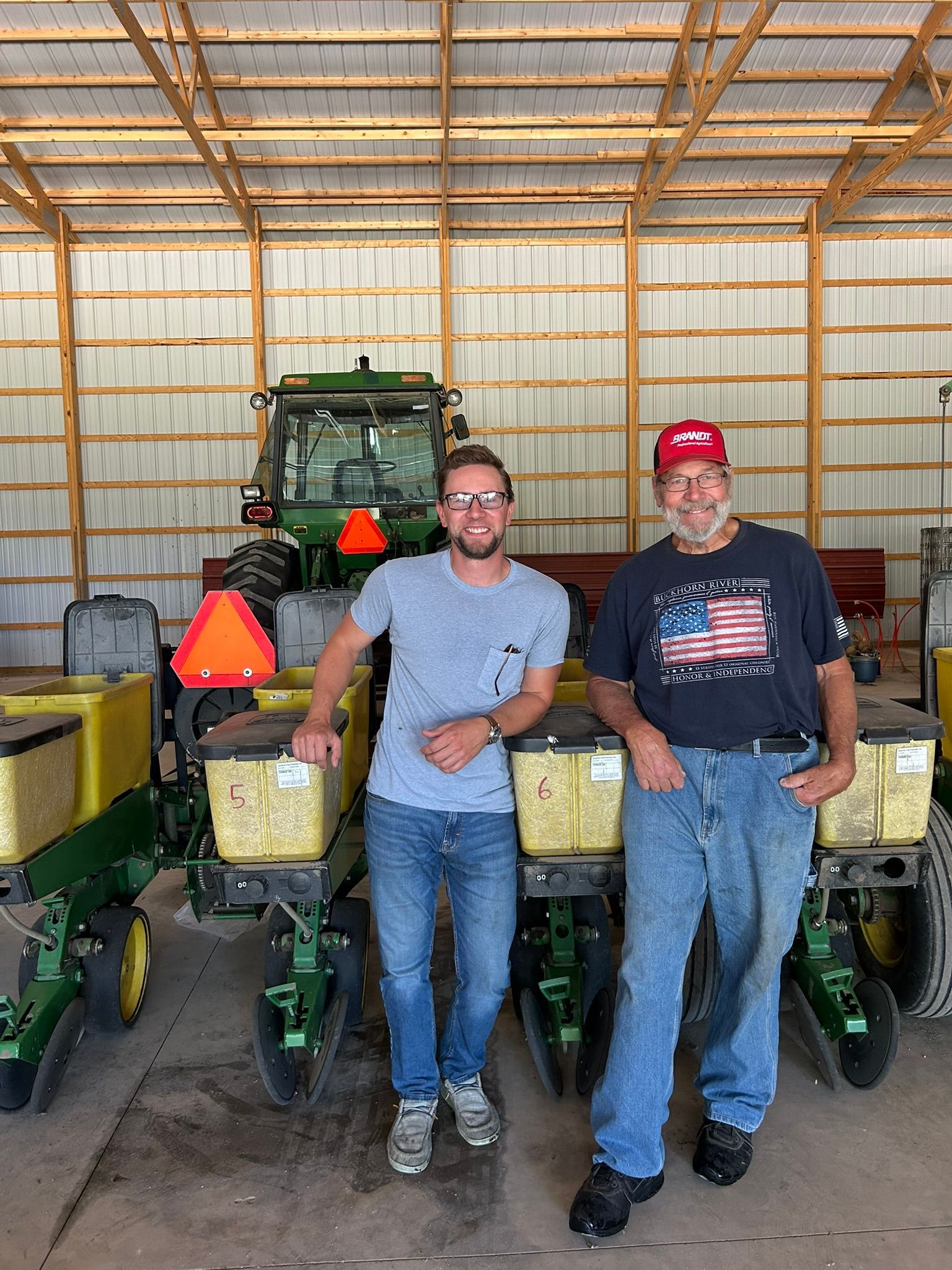
A: Yes. Our operation is made up of three people: me, my dad, Tim, and my mom. We grow corn and soybeans.
Q: What is the biggest challenge facing your operation right now?
A:
One of our biggest challenges is equipment. Our equipment is getting older, and even our best tractor is having issues. There are also factors outside our control, like rising input costs and suppressed grain prices. As fertilizer and fuel continue to rise, it makes the bottom dollar thinner and thinner. This recent dyed fuel emergency act did not affect our farm and other smaller operations like ours. We want to see more permanent fixes to keep Agriculture sustainable for generations to come.
Those challenges can be difficult to navigate when you don’t have control over the circumstances.
Q: What do you love most about farming, and what do you wish more people understood about it?
A:
I love being out in nature and experiencing God’s creation. There’s something special about being outside and breathing in the soil.
I wish more people understood where their food comes from and what it takes to get it to their tables. Farmers don’t control the prices consumers pay or all the costs that go into producing food. There’s a disconnect between agriculture and the general population, and I think helping people understand that process is important.
Q: Why is being a member of the IL Corn Growers Association (ICGA) important to you?
A:
It gives you the ability to have a voice and make that voice heard. It also gives you the opportunity to share your story with people who have similar experiences and goals.
You can accomplish things on your own, but there is more power when people come together. Farmers understand the importance of helping one another, even when someone might not realize they need the help. Having a group of farmers working together makes it possible to accomplish more than any one person could alone.
Q: How did you first hear about the GROW program, and what made you want to participate?
A:
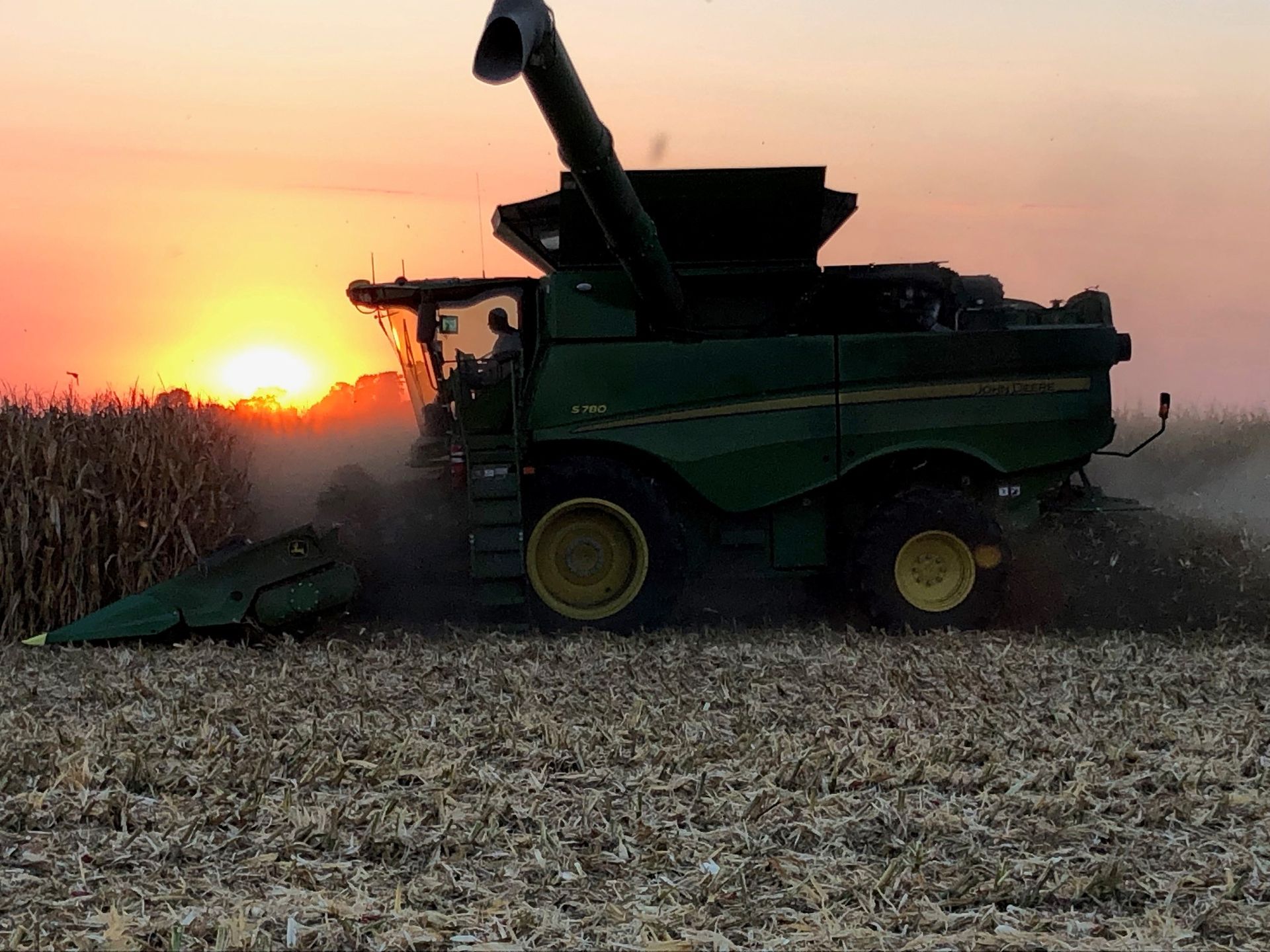
Tara Desmond introduced me to the opportunity. She’s good friends with my neighbors and rode along with me in the combine last year. That connection helped me learn about the program and opened the door to participating.
Q: Did you have any preconceptions about lobbying or policy work before the trip?
A:
Before the trip, I thought lobbying was about bribing people. The experience showed me that it was much more real and straightforward than I had expected. The people we met seemed genuinely interested in what we had to say. They’re real people too, and they want to hear from the people affected by the decisions they make.
Q: Was there a particular issue you found especially interesting during the trip?
A:
Ethanol was interesting because I grew up knowing about it and its importance to agriculture. The locks and dams were especially eye-opening, though. Learning more about how funding is separated and allocated helped me understand the issue in a new way. I ended up talking about it quite a bit with friends and acquaintances after the trip.
Q: Did GROW change how you see your responsibility as a farmer when it comes to policy and advocacy?
A:
It showed me how important it is to communicate what farmers need and tell our stories to the people who are willing to listen. It also reinforced the importance of encouraging others to use their voices. Explaining agricultural issues to people around us can help them understand the challenges farmers face and why those issues matter.
Q: What motivates you to keep farming and carry on your family's legacy?
A:
Having the opportunity to leave something in better condition than you received it is important to me. I take pride in the work I do and want to make sure I’m doing it for the next generation.
My dad, Tim, puts it this way: “This life and the land are a gift from God.”
For Andrew, farming is about more than growing corn and soybeans. It is about caring for the land, continuing a family legacy, and helping ensure the next generation has the opportunity to farm. Through the
GROW program, he also saw how sharing that story can help others understand agriculture and the importance of having farmers involved in the decisions that affect their operations.